It was a perfectly ordinary Tuesday, or so it seemed, until former President Donald J. Trump, with characteristic flair, veered off script during a rally, not to discuss policy or political rivals, but to wax poetic about a humble fast-food item: the McDonald’s Filet-O-Fish. The unexpected endorsement wasn’t delivered in a hushed, private moment, but boomed across a packed auditorium, his words amplified, echoing off the high ceilings as a collective ripple of surprise and amusement spread through the crowd. “I love the Filet-O-Fish,” he declared, almost as if sharing a secret, a moment of pure, unadulterated fast-food appreciation. (Who would’ve thought a fish sandwich could command such presidential attention, right?) This wasn’t just a casual remark; it was a specific, almost reverent nod to a menu item that many either adore or vehemently disdain. And just like that, a seemingly innocuous comment transformed into a cultural touchstone, instantly sparking a wave of nostalgia across social media and, perhaps inevitably, reigniting a truly saucy debate about the merits of McDonald’s unique fish sandwich. Suddenly, everyone, from die-hard fans to sworn critics, had an opinion to share, and the internet, as it always does, became the vibrant, often chaotic, arena for this delightful, deep-fried discourse.
The Unexpected Presidential Palate and Its Immediate Fallout
When Donald Trump, known for his love of red meat and well-done steaks, publicly declared his affection for the McDonald’s Filet-O-Fish, it sent a curious jolt through the cultural zeitgeist. The moment unfolded during a campaign stop, the usual political rhetoric temporarily set aside for a glimpse into the former president’s personal tastes. Imagine the scene: a sea of red hats, banners waving, and then, amidst the shouts and applause, a sudden pivot to fast food. “You know, the Filet-O-Fish, it’s a good one,” he mused, almost offhandedly, yet with enough conviction to make the statement stick. (You could almost hear the collective gasp, followed by a chuckle, from the press corps.) This wasn’t just an endorsement; it felt like a confession, a shared secret with millions.
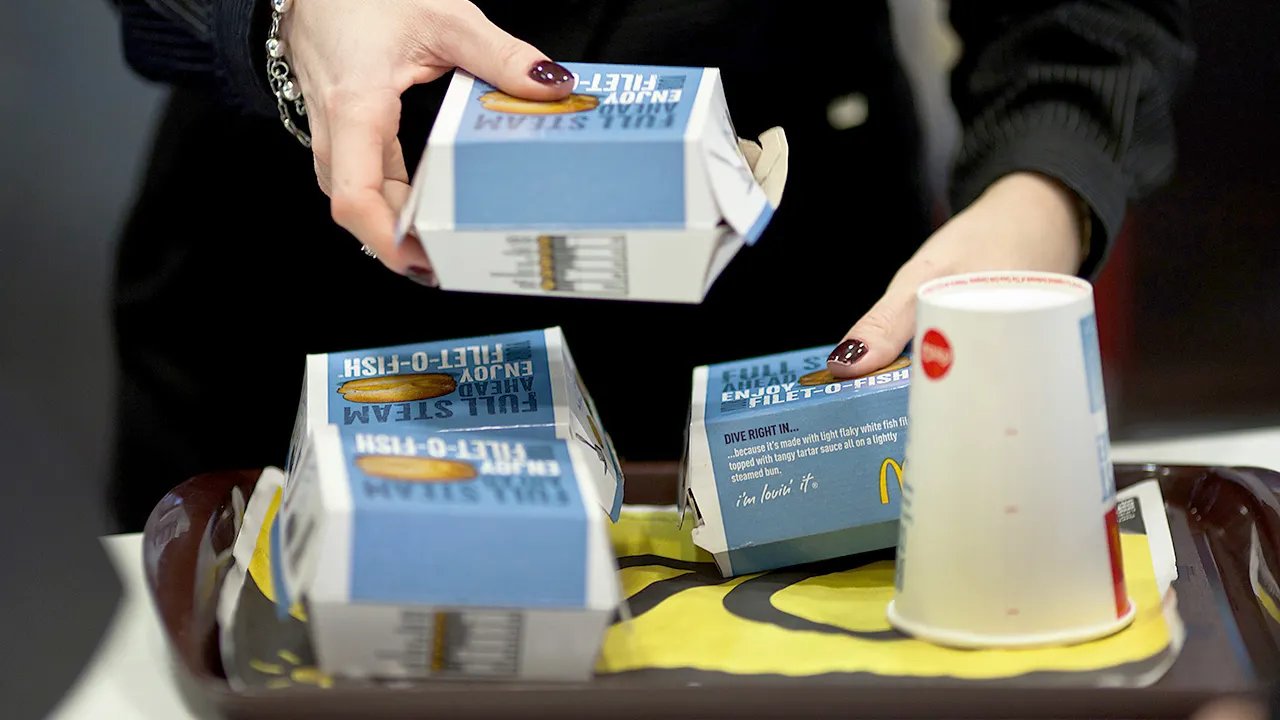
The reaction was immediate and widespread. Social media platforms lit up, news outlets scrambled to report on the culinary interjection, and memes featuring the golden arches and a certain fish sandwich began circulating at lightning speed. “I was sitting there, listening to him talk about policy, and then he just dropped that gem,” recounted Sarah Chen, a 34-year-old rally attendee from Ohio, still smiling at the memory. “It was so out of left field, but also, kind of relatable. Everyone has a fast-food guilty pleasure, don’t they?” Indeed, this unexpected detour into dietary preferences offered a moment of surprising humanization, cutting through the often-tense political atmosphere. It demonstrated how even the most powerful figures can connect over something as mundane, yet universally experienced, as a drive-thru meal. It wasn’t about politics anymore; it was about the universal language of comfort food and the strange power of a celebrity endorsement, however unplanned.
The Enduring Allure of McDonald’s Filet-O-Fish
To truly understand the fervor, one must appreciate the peculiar place the Filet-O-Fish holds in the pantheon of fast-food items. It’s not a burger, nor a chicken sandwich – it’s something else entirely, a unique concoction with a surprisingly rich history. Created in 1962 by Lou Groen, a McDonald’s franchisee in Cincinnati, Ohio, the sandwich was a stroke of genius. Groen’s restaurant was struggling on Fridays, particularly during Lent, when Catholics abstained from meat. His solution? A simple fish sandwich with a steamed bun, a slice of cheese, and that unmistakable tartare sauce. It was an instant hit, quickly becoming a permanent fixture on the McDonald’s menu.
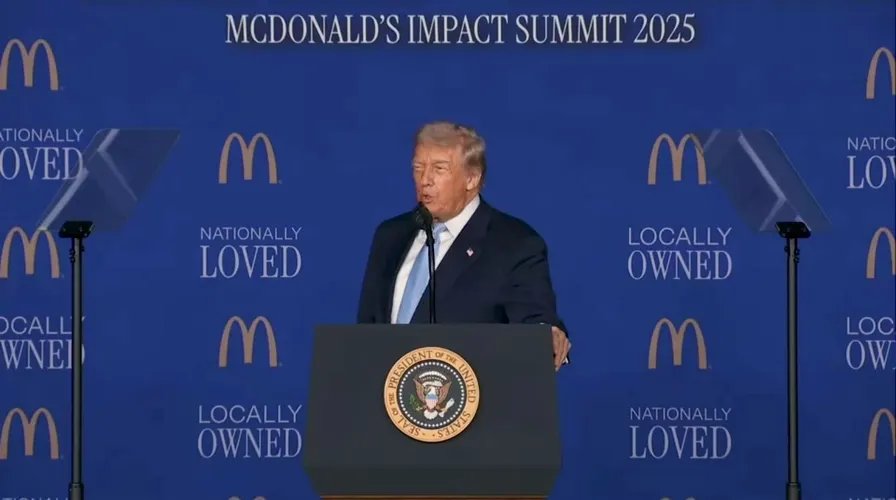
What makes it so endearing to its fans? For many, it’s the distinctive texture – the soft, steamed bun, the crispy-on-the-outside, flaky-on-the-inside fish patty, and the creamy, tangy tartare sauce. That half-slice of American cheese, seemingly an afterthought, actually melts just enough to bind everything together, adding a subtle richness. It’s often associated with Lent, making its appearance a seasonal treat for some, while others enjoy it year-round as a comforting alternative to a burger. “There’s just something about it,” mused David Rodriguez, 58, a self-proclaimed Filet-O-Fish aficionado. “It takes me back to being a kid, getting it after church on a Friday. It’s pure comfort, you know? That soft bun, that sauce… nothing else is quite like it.” Its unique profile ensures it stands out, creating a devoted, almost cult-like following that transcends typical fast-food preferences. It’s an acquired taste for some, perhaps, but once acquired, it’s fiercely defended.
A Tidal Wave of Nostalgia on Social Media
Trump’s offhand comment wasn’t just a blip; it was a catalyst. The internet, ever hungry for shared experiences, quickly transformed the moment into a full-blown nostalgic celebration. Users flooded platforms like X (formerly Twitter), Instagram, and TikTok with their own Filet-O-Fish memories. Hashtags like #FiletOFishLove and #FishSandwichDebate trended for days. People shared anecdotes from childhood, recounting family trips to McDonald’s, late-night cravings, or specific Lenten traditions centered around the sandwich. It was a delightful, albeit unexpected, collective trip down memory lane.
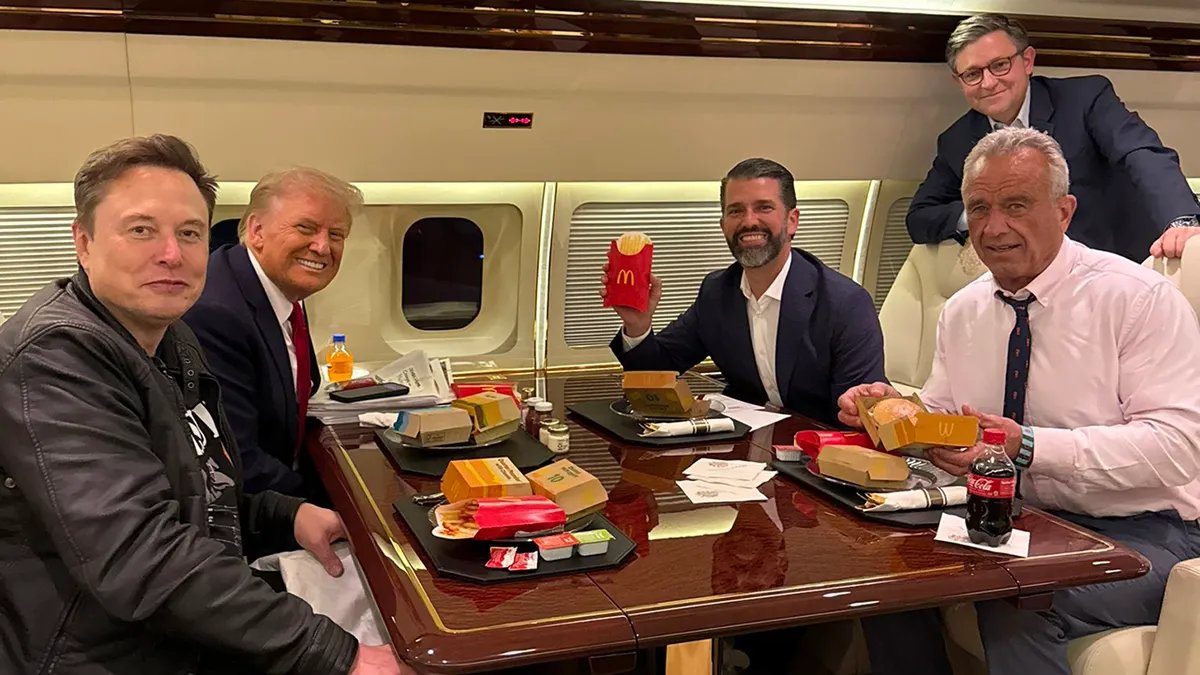
“I saw the clip and immediately thought of my dad,” posted one user. “He always got a Filet-O-Fish and a Coke on long road trips. Now I’m craving one!” Another chimed in, “Forget politics, this is the real debate! Who else loves the steamed bun? It’s key!” The sheer volume of personal stories highlighted how deeply intertwined fast food, particularly McDonald’s, is with American culture and individual histories. It’s more than just sustenance; it’s a marker of time, a trigger for fond recollections, and a simple pleasure shared across generations. The former president’s seemingly trivial comment had, quite remarkably, unlocked a floodgate of shared cultural sentiment, proving that sometimes, the simplest things can evoke the strongest emotions and memories. This outpouring of collective experience really underscored the power of shared cultural touchstones, even in a politically divided landscape.
The Saucy Debate: A Culinary Divide
While many embraced the wave of nostalgia, Trump’s praise for the Filet-O-Fish also dramatically amplified its long-standing critics. For every ardent admirer, there’s someone who views the sandwich with utter disdain, and the recent attention provided a perfect platform for them to voice their grievances. This is where the “saucy debate” truly heats up, revealing a fascinating culinary divide.
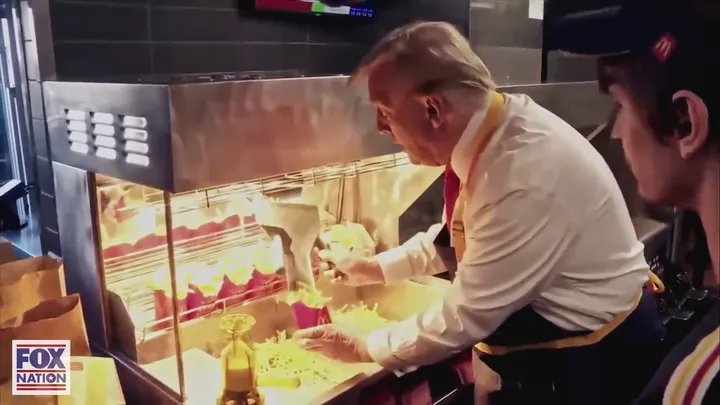
Common criticisms include the perceived “sogginess” of the steamed bun, the “overpowering” nature of the tartare sauce, and the idea that the fish itself is bland or overly processed. “It’s just a wet sponge with a bit of fish,” scoffed Mark Jensen, 42, a self-proclaimed fast-food connoisseur from Texas. “The bun is always too soft, the sauce is too much, and honestly, why only half a slice of cheese? It feels like a culinary afterthought, not a masterpiece!” Other detractors question the price point for what they see as a simple, less substantial offering compared to a burger. They argue that the appeal is purely nostalgic, rather than based on genuine culinary merit. This dichotomy highlights how deeply personal taste can be, and how a cultural spotlight can intensify these existing divisions. The Filet-O-Fish, it seems, isn’t just a sandwich; it’s a litmus test for fast-food preferences, separating the devoted from the disgusted with surprising clarity.
Beyond the Sandwich: Political and Cultural Ripples
It’s easy to dismiss a politician’s comment about a fish sandwich as trivial, but in the realm of modern media and public discourse, nothing is truly trivial. Trump’s praise for the Filet-O-Fish became a fascinating case study in how popular culture intersects with politics, creating ripples that extend far beyond the taste buds. Some analysts suggested it was a calculated move, a way to appear relatable and connect with everyday Americans over a shared, albeit debated, experience. Others saw it as a genuine, unguarded moment, a rare glimpse into the former president’s unscripted thoughts.
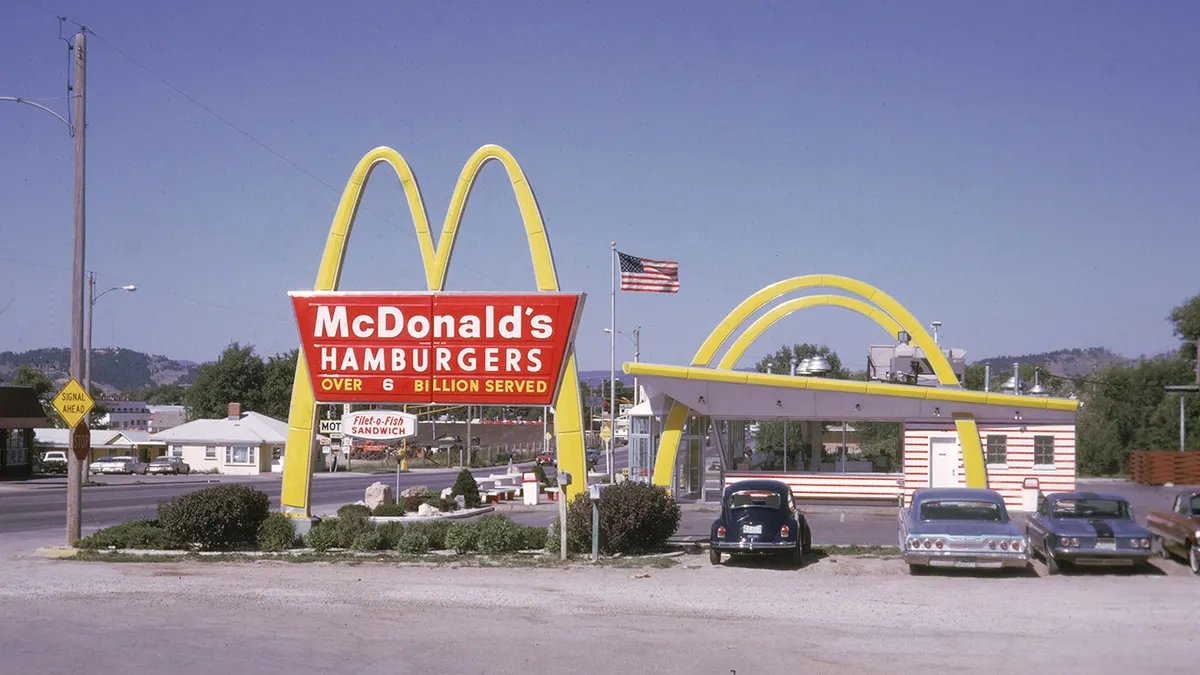
“In an era where every public statement is scrutinized, a comment about fast food feels almost refreshingly un-political,” observed Dr. Lena Khan, a professor of media studies at a prominent university. “It’s a moment of shared humanity, regardless of one’s political leanings. It reminds us that at the end of the day, we all have simple pleasures.” This incident underscored the power of fast food as a cultural touchstone in America. McDonald’s, in particular, holds a unique place, interwoven into the fabric of daily life for millions. A presidential nod, even an informal one, to such an iconic brand and specific item, inevitably draws attention, prompting discussions that are part culinary, part political, and entirely cultural. It’s a testament to how even seemingly small comments can resonate widely, reflecting and shaping public sentiment in unexpected ways. The whole affair serves as a reminder that sometimes, the most profound cultural discussions can be sparked by the most mundane of subjects.
The McDonald’s Ripple Effect: A Win for the Golden Arches?
While McDonald’s itself didn’t issue a direct, official statement endorsing or refuting Trump’s praise, the buzz generated was undoubtedly a boon for the fast-food giant. Free publicity, especially from a figure who commands such immense media attention, is invaluable. The surge in online discussion, the nostalgic posts, and the renewed debate about the Filet-O-Fish inevitably led to increased curiosity, and likely, increased sales.
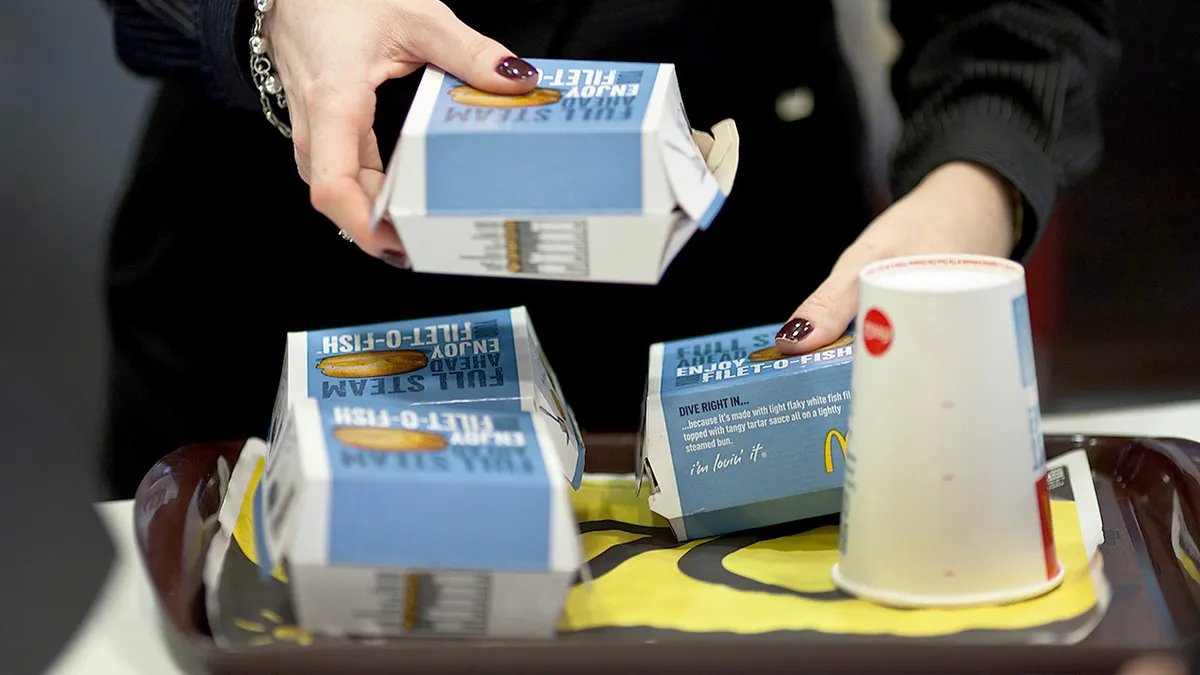
“Honestly, we’ve seen a definite uptick in Filet-O-Fish orders since that whole thing went viral,” admitted a shift manager at a McDonald’s in a suburb of Atlanta, who wished to remain anonymous. “People are ordering it, talking about it, even asking if it’s ‘the one Trump likes.’ It’s pretty wild how a single comment can do that.” This scenario isn’t new; celebrity endorsements, even accidental ones, have a measurable impact on consumer behavior. For McDonald’s, a brand constantly vying for public attention, this unexpected spotlight on one of its more niche products was a stroke of marketing genius that didn’t cost them a dime. It served as a reminder that in the age of viral content, even an off-the-cuff remark can become a powerful, if unpredictable, marketing tool. It’s the kind of organic buzz that market strategists dream of, connecting the brand to a national conversation in a way that feels authentic and widely resonant.
The Unifying Power of Comfort Food (Even if Debated)
Ultimately, the phenomenon surrounding Trump’s praise for the Filet-O-Fish transcended mere politics or culinary preferences. It highlighted the unifying, and sometimes divisive, power of comfort food. In a world increasingly fragmented by ideology and opinion, the simple act of discussing a fish sandwich became a common ground, allowing people to connect, reminisce, and even playfully argue.
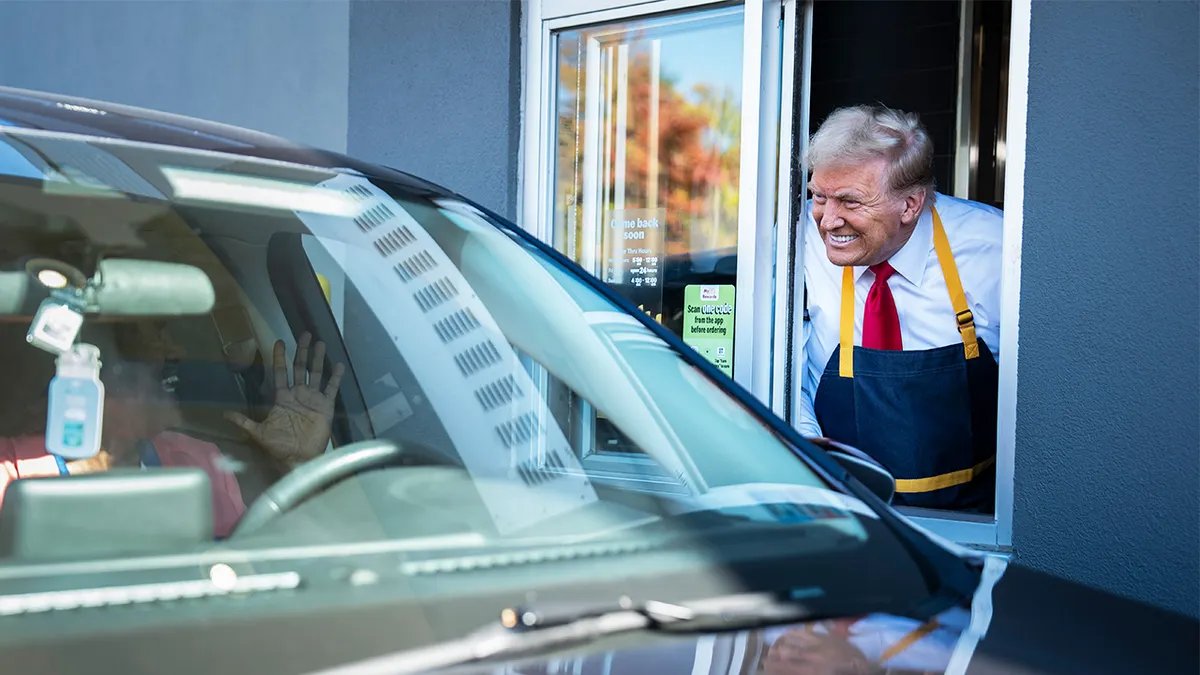
Whether you’re a devoted fan who eagerly anticipates its Lenten return, or a staunch critic who wouldn’t touch it with a ten-foot pole, the Filet-O-Fish sparked a conversation. It brought forth shared memories, evoked strong opinions, and for a brief moment, allowed us to collectively focus on something delightfully trivial yet culturally significant. It really makes you think, doesn’t it? How a simple sandwich, conceived decades ago to solve a Lenten dilemma, could still hold such sway in public imagination, capable of captivating a former president and, by extension, millions of others. It’s a testament to the enduring appeal of fast food in American culture, and how sometimes, the most unexpected pronouncements can become the most memorable. So, the next time you find yourself at a McDonald’s, perhaps you’ll look at the Filet-O-Fish not just as a menu item, but as a small, steamed bun of history, nostalgia, and saucy debate, all wrapped into one.
Conclusion
The story of Trump’s praise for McDonald’s Filet-O-Fish is far more than just a culinary anecdote; it’s a vibrant illustration of how politics, pop culture, and personal taste can intertwine in unexpected and engaging ways. It showcased the immense power of a public figure’s endorsement, even an informal one, to ignite widespread discussion and trigger a powerful wave of nostalgia. From the instant burst of social media activity to the renewed appreciation for the sandwich’s unique history, the incident demonstrated the deep cultural imprint of fast food in America. It also vividly brought to light the age-old “love it or hate it” dynamic surrounding the Filet-O-Fish, a debate that continues to simmer, much like the steam from its iconic bun. Ultimately, this seemingly small moment offered a fascinating glimpse into our collective consciousness, proving that sometimes, a simple fish sandwich can be a surprisingly profound catalyst for connection, conversation, and a good old-fashioned saucy debate. It reminds us that even in our most divided moments, there are often common, even if contested, touchpoints that bring us together, even if just to argue about what to order for lunch.
Frequently Asked Questions
| What prompted Trump’s praise for the Filet-O-Fish? | During a political rally, former President Donald J. Trump unexpectedly veered off script to express his personal affection for McDonald’s Filet-O-Fish sandwich, sparking widespread discussion. |
| Why did Trump’s comment about the Filet-O-Fish gain so much attention? | The comment gained traction due to its unexpected nature from a prominent political figure, its relatable subject matter (fast food), and its ability to trigger a wave of nostalgia and a long-standing “love it or hate it” debate among the public. |
| What is the history behind the McDonald’s Filet-O-Fish? | The Filet-O-Fish was created in 1962 by McDonald’s franchisee Lou Groen in Cincinnati to cater to Catholic customers who abstained from meat on Fridays, especially during Lent. It quickly became a permanent menu item. |
| What are the main points of the “saucy debate” surrounding the Filet-O-Fish? | The debate centers on its unique characteristics: fans praise the steamed bun, flaky fish, and tangy tartare sauce, while critics often cite the bun’s perceived sogginess, the sauce’s intensity, and the fish’s taste as reasons for their dislike. |
| How did McDonald’s benefit from this unexpected publicity? | While McDonald’s didn’t issue a direct statement, the widespread media coverage, social media buzz, and renewed public interest in the Filet-O-Fish likely resulted in increased curiosity and potentially a boost in sales for the sandwich, providing valuable free publicity. |
Important Notice
This FAQ section addresses the most common inquiries regarding the topic.