Trump’s Affordability Gripes: Democrats’ Election Strategy
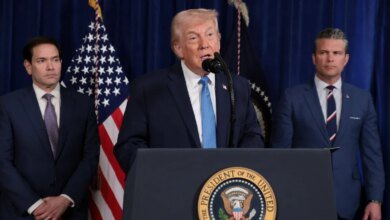
Former President Donald Trump has recently voiced his frustrations regarding the Democrats’ successful use of affordability as a key issue in recent elections. Trump, speaking after significant Democratic wins in Virginia, New Jersey, and New York City, argued that his administration had actually done “a great job on affordability,” despite the election results suggesting otherwise. This raises crucial questions about the effectiveness of the GOP’s messaging and strategies heading into the 2026 midterms, particularly in light of persistent concerns about consumer costs and economic stability. The ability to effectively address and communicate solutions to affordability issues will be pivotal for both parties in the upcoming election cycle. The Democrats appear to be capitalizing on voter anxiety surrounding rising costs, while Trump and the Republicans must find a way to regain public trust on economic matters.

The Democratic Playbook: Focusing on Affordability
The Democrats’ recent electoral victories have been largely attributed to their laser focus on affordability issues. Candidates in New Jersey and Virginia, for instance, emphasized concerns about energy prices and the high cost of living, resonating strongly with voters. The Democratic National Committee (DNC) has explicitly stated that these wins provide “a winning playbook” for the 2026 midterms, indicating a continued emphasis on affordability as a core campaign message. This strategy highlights the importance of addressing tangible economic concerns that directly impact voters’ daily lives. The Democrats appear to be successfully framing themselves as the party that understands and is committed to alleviating the financial pressures faced by many Americans.
The success of this playbook hinges on several factors. First, the Democrats must continue to effectively communicate their policy proposals for addressing affordability. This includes not only identifying the problems but also offering concrete solutions that voters can understand and support. Second, they must maintain a consistent message across different regions and demographics, tailoring their approach to address specific local concerns while reinforcing the overall theme of economic empowerment. Finally, they must be prepared to defend their proposals against Republican counter-arguments, demonstrating the feasibility and effectiveness of their policies in achieving real-world results. The leadership within the party will be key to driving this message home.
Trump’s Counter-Narrative: Claiming Affordability Success
In response to the Democrats’ electoral gains, Donald Trump has defended his administration’s economic record, asserting that “we are the ones that have done a great job on affordability.” This claim stands in contrast to the prevailing narrative that affordability concerns played a significant role in the recent Republican losses. Trump’s perspective underscores the ongoing debate about the effectiveness of his economic policies and the extent to which they have benefited ordinary Americans. It also highlights the challenge of reconciling macroeconomic indicators with the lived experiences of individuals struggling with rising costs.
To effectively counter the Democrats’ narrative, Trump and the Republicans need to provide concrete evidence of their affordability achievements. This could include data on inflation rates during his presidency, job creation figures, or specific policy initiatives that aimed to reduce costs for consumers. They also need to address the criticisms leveled against their economic policies, such as the impact of trade wars on consumer prices. Furthermore, they must articulate a clear vision for future economic growth that prioritizes affordability and addresses the concerns of working-class families. A strong tariff strategy could be part of that vision.
The GOP’s Dilemma: Reclaiming Economic Credibility
The Republican Party faces a significant challenge in regaining economic credibility with voters. The recent election results suggest that many Americans are not convinced that the GOP is effectively addressing their affordability concerns. To overcome this perception, the party needs to adopt a more proactive and responsive approach to economic policy. This includes not only defending their past record but also proposing new and innovative solutions to tackle rising costs.
One potential strategy for the GOP is to focus on policies that promote economic growth and create opportunities for all Americans. This could include tax reforms that benefit working-class families, investments in infrastructure and education, and deregulation measures that reduce the cost of doing business. Another approach is to address specific affordability challenges, such as healthcare costs, housing prices, and student loan debt. By proposing targeted solutions to these problems, the Republicans can demonstrate their commitment to improving the economic well-being of ordinary Americans. It’s important to consider the health implications of economic stress as well.
The 2026 Midterms: A Battleground for Affordability
The 2026 midterm elections are shaping up to be a major battleground for affordability. Both Democrats and Republicans recognize the importance of this issue to voters, and both parties are likely to make it a central theme of their campaigns. The outcome of the elections will depend on which party can effectively communicate its vision for addressing affordability and convince voters that it has the best plan for improving their economic lives.
To succeed in the 2026 midterms, both parties need to understand the specific affordability concerns of voters in different regions and demographics. This requires conducting thorough polling and research to identify the issues that are most important to people in different parts of the country. It also requires tailoring campaign messages to resonate with specific groups of voters. For example, in areas with high housing costs, candidates may want to focus on policies that promote affordable housing. In areas with high energy prices, candidates may want to focus on policies that reduce energy costs. The data analysis here will be crucial.
Case Studies: Affordability in Recent Elections
Analyzing recent elections provides valuable insights into the impact of affordability on voter behavior. In Virginia, the Democratic candidate for governor, Ralph Northam, successfully campaigned on a platform that emphasized affordable healthcare and education. He also criticized his Republican opponent for supporting policies that would have reduced funding for these programs. Northam’s victory demonstrated the power of affordability as a campaign issue, particularly in a state with a large number of working-class families.
Similarly, in New Jersey, the Democratic candidate for governor, Phil Murphy, focused on issues such as property taxes and healthcare costs. He promised to address these concerns by implementing policies that would make the state more affordable for ordinary residents. Murphy’s victory highlighted the importance of addressing local affordability challenges in state-level elections. Understanding these local dynamics is essential for success.
The Role of Economic Policy: A Deeper Dive
Addressing affordability requires a comprehensive approach to economic policy. This includes not only addressing immediate concerns such as inflation and unemployment but also implementing long-term strategies that promote sustainable economic growth and reduce income inequality. Some potential policy solutions include:
- Investing in education and job training: This can help workers acquire the skills they need to compete in the modern economy and earn higher wages.
- Increasing the minimum wage: This can help to ensure that all workers earn a living wage.
- Expanding access to affordable healthcare: This can help to reduce healthcare costs for individuals and families.
- Promoting affordable housing: This can help to make housing more accessible to low- and middle-income families.
- Reducing income inequality: This can help to create a more equitable society where everyone has the opportunity to succeed.
The effectiveness of these policies will depend on how they are implemented and the specific economic conditions in different regions. However, by adopting a comprehensive approach to economic policy, policymakers can make significant progress in addressing affordability and improving the economic lives of ordinary Americans.
The Media’s Influence: Shaping the Narrative
The media plays a crucial role in shaping the public’s perception of affordability issues. The way that news outlets frame these issues can significantly influence voter attitudes and behaviors. For example, if the media consistently portrays the economy as being in a state of crisis, voters are more likely to be concerned about affordability and to support candidates who promise to address these concerns. Conversely, if the media portrays the economy as being strong, voters are less likely to be concerned about affordability and may be more likely to support candidates who emphasize other issues.

It is therefore important for policymakers and candidates to be aware of the media’s influence and to actively engage with news outlets to ensure that their messages are accurately and fairly represented. This includes providing journalists with data and information that supports their claims, participating in interviews and debates, and using social media to communicate directly with voters. Effective communication is key to shaping the narrative and influencing public opinion.
Conclusion: The Path Forward on Affordability
The issue of affordability is likely to remain a central focus of political debate in the coming years. Both Democrats and Republicans recognize the importance of this issue to voters, and both parties are likely to make it a central theme of their campaigns. The outcome of the 2026 midterms, and future elections, will depend on which party can effectively communicate its vision for addressing affordability and convince voters that it has the best plan for improving their economic lives. Addressing challenges within family structures can also contribute to better economic outcomes.
To succeed, both parties need to adopt a comprehensive approach to economic policy that addresses both immediate concerns and long-term challenges. This includes investing in education and job training, increasing the minimum wage, expanding access to affordable healthcare, promoting affordable housing, and reducing income inequality. By working together, policymakers can make significant progress in addressing affordability and improving the economic lives of ordinary Americans. Furthermore, understanding global events, such as the World Series, can provide insights into economic trends and consumer behavior.
The ability to effectively address and communicate solutions to affordability issues will be pivotal for both parties in the upcoming election cycle. The Democrats appear to be capitalizing on voter anxiety surrounding rising costs, while Trump and the Republicans must find a way to regain public trust on economic matters. The future of American politics may well depend on which party can best address the affordability concerns of its citizens.
Frequently Asked Questions (FAQ)
Important Notice
This content is regularly updated to ensure accuracy and relevance for our readers. If you have any questions, feel free to contact us.
Content Quality: This article has been carefully researched and written to provide valuable insights and practical information. Our team works hard to maintain high standards.