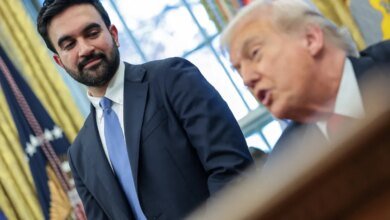
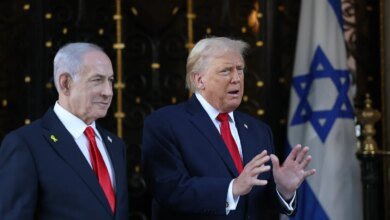
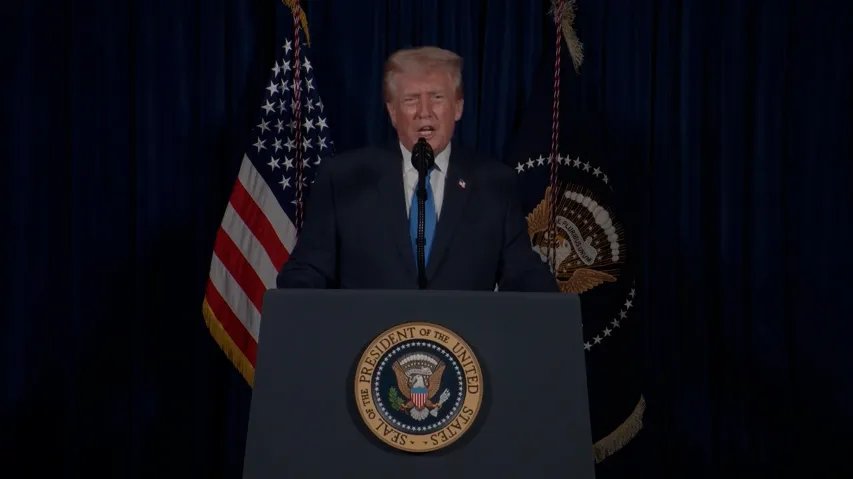
The air crackled with anticipation at the Iowa rally. A crisp November wind whipped through the crowd, carrying with it the scent of woodsmoke and the murmur of fervent conversations. Farmers, families, and fervent supporters huddled together, eagerly awaiting the arrival of Donald Trump. He strode onto the stage, a figure instantly recognizable, even from a distance. The cheers were deafening, a wave of sound that washed over the fairgrounds. He adjusted the microphone, a familiar glint in his eye, and launched into his speech. A core element? Immigration. And it was here, amidst the cheers and the waving flags, that he dropped the bombshell: a promise to halt migration from all “Third World Countries.” (A hush fell, then a roar).
The immediate reaction was, well, polarized. Supporters cheered, seeing it as a bold move to protect American jobs and security. Critics, on the other hand, decried it as racist and xenophobic, a harkening back to darker periods in American history. The phrase “Third World Countries” itself sparked immediate controversy. Its historical connotations and potential for misinterpretation added fuel to an already raging fire. But what did he actually mean? What were the potential implications of such a policy? And could he even *do* it? That’s what everyone was asking.
The political ramifications of this announcement are immense. It’s not just about border security, is it? It’s about fundamentally reshaping who comes to the United States and from where. This pledge comes at a time when the debate over immigration policy is already incredibly heated, with both sides deeply entrenched in their positions. Trump’s statement serves as a clear signal of his intent to pursue even more restrictive measures if elected, a promise sure to galvanize his base while simultaneously alienating vast segments of the population. The question now is, how will this promise play out in the upcoming election?
Defining “Third World Countries”: A Contentious Term
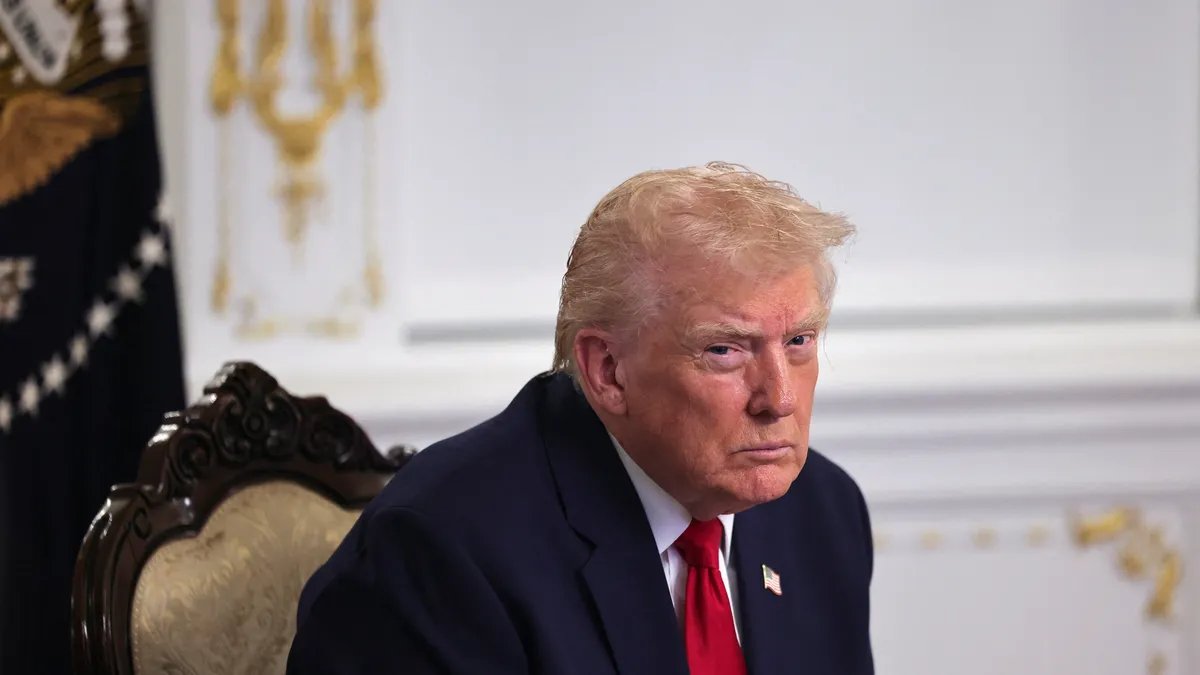
The very phrase “Third World Countries” is fraught with issues. Originally coined during the Cold War to describe nations that were neither aligned with the Western bloc (First World) nor the Communist bloc (Second World), the term has evolved to often denote countries struggling with poverty, instability, and underdevelopment. However, its usage is often criticized for being outdated, inaccurate, and even condescending. Which countries would Trump actually consider “Third World?” He didn’t specify during the rally, leaving many to speculate. (I overheard one woman saying, “Does that include my family’s country? It’s hardly a war zone!”)
The lack of a clear definition raises serious concerns. Would it be based on GDP, political stability, or some other metric? How would the administration determine which countries fall under this umbrella? The ambiguity creates uncertainty and could lead to arbitrary and discriminatory enforcement. And that’s something we really need to be concerned about.
The Legality and Feasibility of a Migration Ban
Can a U.S. president actually ban migration from entire groups of countries? The answer is complex. The President does have broad authority over immigration under the Immigration and Nationality Act, including the power to suspend entry of certain aliens when deemed detrimental to the interests of the United States. However, this authority is not unlimited and has been challenged in the courts.
Legal scholars point out that such a sweeping ban could face legal challenges on several grounds, including violations of the Equal Protection Clause of the Fourteenth Amendment, which prohibits discrimination based on national origin. Furthermore, international treaties and obligations could also be relevant. Remember the travel ban in 2017? That faced significant legal hurdles. This would likely be no different.
Potential Challenges and Implementation Issues
Even if legally permissible, implementing such a ban would be a logistical nightmare. Imagine the sheer scale of the task. Consider the resources required to screen and process visa applications from every country *not* deemed “Third World.” The backlog would be immense, potentially crippling the entire immigration system.
Here are some key implementation challenges:
* Defining Criteria: Establishing clear and objective criteria for determining which countries are subject to the ban.
* Administrative Burden: Managing the increased workload and potential delays in processing visa applications.
* Economic Impact: Assessing and mitigating the potential negative economic consequences of reduced immigration.
* International Relations: Navigating the diplomatic fallout from implementing such a discriminatory policy.
* Legal Challenges: Responding to inevitable lawsuits challenging the legality of the ban.
The Human Impact: Stories and Perspectives
Behind the political rhetoric and legal arguments are real people, families whose lives would be directly affected by such a ban. I spoke to a young woman named Maria, who came to the United States from El Salvador seeking asylum from gang violence. (Her voice trembled as she spoke). “If this ban had been in place years ago, my family would be dead,” she said. “We had no other choice but to flee.” Stories like Maria’s highlight the human cost of restrictive immigration policies.
It’s easy to get lost in the abstract discussions of policy, but we need to remember that we’re talking about real people, with real hopes and fears. The potential for separating families, denying refuge to those fleeing persecution, and hindering economic opportunities is immense.
Economic Ramifications: Potential Benefits and Drawbacks
The economic impact of a large-scale migration ban is complex and debated. Proponents argue that it could lead to higher wages for American workers and reduce the strain on social services. They believe limiting competition for jobs will ultimately benefit the American workforce.
However, many economists warn of potential negative consequences, including labor shortages in key industries, reduced innovation, and slower economic growth. Immigrants often fill jobs that native-born Americans are unwilling or unable to do, and they contribute significantly to the economy through entrepreneurship and consumption.
Consider the agricultural sector, for example. Many farms rely heavily on immigrant labor. A sudden halt to migration could cripple the industry and lead to higher food prices. Similarly, the tech industry relies on skilled immigrants to drive innovation and growth.
The Political Landscape: Reactions and Implications
Trump’s announcement has predictably ignited a firestorm in the political arena. Republican leaders have largely remained silent or offered tepid support, while Democrats have condemned the proposal in the strongest possible terms. The issue is likely to become a central focus of the upcoming election, further polarizing the electorate.
The Republican Party is deeply divided on immigration. While some embrace Trump’s hardline stance, others worry about the potential impact on the party’s image and its ability to attract minority voters. The Democratic Party, on the other hand, is largely united in its opposition to restrictive immigration policies, but there are internal debates about the best approach to reform.
A Look at Alternative Immigration Policies
Instead of a blanket ban, are there alternative immigration policies that could address the concerns raised by Trump and others? Many experts believe that a comprehensive approach is needed, one that combines enhanced border security with pathways to legal status for undocumented immigrants and reforms to the legal immigration system.
Here are some possible alternatives:
* Increased Border Security: Investing in technology and personnel to better secure the border and prevent illegal crossings.
* Targeted Enforcement: Focusing enforcement efforts on individuals who pose a threat to public safety or national security.
* Pathway to Citizenship: Creating a pathway to legal status for undocumented immigrants who meet certain requirements, such as paying taxes and passing a background check.
* Visa Reform: Reforming the visa system to better meet the needs of the U.S. economy and to prioritize skilled workers and those with family ties in the United States.
* Investing in Development Aid: Providing assistance to countries struggling with poverty and instability to address the root causes of migration.
Conclusion: Navigating a Complex Issue
Trump’s vow to halt migration from all “Third World Countries” is a bold and controversial proposal that raises serious legal, economic, and ethical questions. Whether such a ban is feasible, legal, or even desirable is a matter of intense debate. What’s clear is this: immigration is a complex issue with no easy solutions, and any policy must be carefully considered, not just for its potential benefits, but also for its potential unintended consequences. It’s about more than just politics; it’s about people, families, and the very fabric of our nation. Ultimately, we need a thoughtful and humane approach to immigration, one that reflects our values and serves the best interests of all Americans. I truly hope we can move past divisive rhetoric and find common ground.
Frequently Asked Questions
| What does Trump mean by “Third World Countries”? | The term “Third World Countries” is outdated and generally refers to developing nations with economic and political challenges. Trump’s specific definition remains unclear, raising concerns about potential for arbitrary application. |
| What are the potential benefits of halting migration from these countries? | Proponents argue it could lead to higher wages for American workers and reduce strain on social services by limiting competition for jobs. |
| How would a migration ban be implemented? | Implementation would require defining criteria for “Third World Countries,” managing visa processing, and addressing potential economic impacts and international relations concerns. Expect legal challenges, too. |
| What challenges might arise from this policy? | Significant challenges include legal challenges based on discrimination, economic disruptions due to labor shortages, and strained diplomatic relations with affected nations. |
| What are the future implications of such a policy? | The policy could reshape US demographics, affect its global standing, and significantly impact the lives of countless individuals seeking refuge or opportunity in the United States. It would almost certainly be politically divisive. |
Important Notice
This FAQ section addresses the most common inquiries regarding the topic.