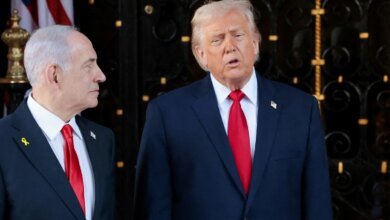
Pelosi’s Exit: Trump’s “Evil” Jab Ignites Political Divide
Nancy Pelosi’s recent decision to step down from Congress has triggered a wave of reactions, perhaps none as pointed as those from former President Donald Trump. Known for his often-contentious relationship with the former Speaker of the House, Trump didn’t hold back, and that’s actually quite surprising to some. His remarks, labeling Pelosi as “evil,” have only deepened the existing political chasm and sparked a nationwide conversation about her legacy. So, what exactly did Trump say, and why does it matter? Let’s dive into the details of Trump’s response, the history of their clashes, and what Pelosi’s retirement means for the Democratic Party and the future of American politics.

Understanding the Fundamentals of the Trump-Pelosi Dynamic
Before we get too deep, it’s important to understand why this particular exchange is so significant. It’s not just about two politicians disagreeing; it’s about the culmination of years of political battles and deeply entrenched ideological differences. The relationship between Trump and Pelosi has been a defining feature of American politics, marked by public clashes and fundamental disagreements on policy and governance. Their interactions have often reflected the broader divisions within American society, making their every word and action subject to intense scrutiny.
Honestly, the animosity between these two has been brewing for quite some time. Their disagreements weren’t just about policy; they were often deeply personal. Remember the time Pelosi ripped up Trump’s State of the Union address? Or when Trump repeatedly referred to her as “Crazy Nancy?” These moments, while seemingly small, underscored the deep-seated animosity that defined their relationship.
Why does all this matter today? Because Pelosi’s retirement marks the end of an era. Her departure creates a leadership vacuum within the Democratic Party and raises questions about the future direction of the party. Trump’s reaction, while predictable to some, serves as a reminder of the enduring impact of his presidency and the continued polarization of American politics. It’s a stark reminder that even as political figures come and go, the underlying divisions remain.
Key Benefits and Advantages of Pelosi’s Departure (According to Some)
Now, let’s be honest, depending on your political leanings, you might see Pelosi’s retirement as either a loss or a victory. Some argue that her departure could pave the way for new leadership and fresh perspectives within the Democratic Party. They believe that a new generation of leaders could bring innovative ideas and strategies to address the challenges facing the country. It feels like a changing of the guard, and that’s not necessarily a bad thing.
For others, particularly those on the right, Pelosi’s exit might be seen as a welcome change. They might argue that her policies and leadership were detrimental to the country and that her departure creates an opportunity for a more conservative agenda to take hold. Some people believe that her retirement could lead to a shift in the balance of power in Congress, potentially benefiting the Republican Party.
The truth is, the impact of Pelosi’s retirement is complex and multifaceted. It’s not just about who replaces her; it’s about the broader implications for the Democratic Party, the future of American politics, and the direction of the country. It’s kind of funny how one person’s decision can have such a ripple effect, right?
Implementation Strategies: Understanding the Fallout

Step-by-Step Approach to Analyzing the Situation
If you’re like most people, you’re probably wondering what all this means in practical terms. Here’s a step-by-step approach to understanding the fallout from Pelosi’s retirement and Trump’s reaction:
- Acknowledge the Polarization: Recognize that this situation is inherently divisive. People on different sides of the political spectrum will have vastly different interpretations of events.
- Evaluate Pelosi’s Legacy: Take a balanced look at her accomplishments and criticisms. Consider her role in major legislation, her leadership during challenging times, and the controversies she faced.
- Analyze Trump’s Rhetoric: Examine the impact of his words. How does his language contribute to the political climate? What are the potential consequences of his statements?
- Consider the Future of the Democratic Party: How will Pelosi’s departure affect the party’s strategy and direction? Who are the potential candidates to replace her, and what do they represent?
- Assess the Broader Implications: Think about the long-term effects of these events on American politics. How will they shape future elections, policy debates, and the overall political landscape?
Best Practices for Engaging in Constructive Dialogue
Given the highly charged nature of this topic, it’s important to engage in discussions with respect and open-mindedness. Here are some best practices:
- Listen Actively: Try to understand the perspectives of others, even if you disagree with them.
- Avoid Personal Attacks: Focus on the issues, not the individuals.
- Use Evidence: Back up your arguments with facts and data.
- Be Willing to Compromise: Look for common ground and potential solutions.
- Respect Differences: Acknowledge that people have different values and beliefs.
Common Challenges and Solutions in Navigating Political Discourse
Navigating political discussions these days can feel like walking through a minefield, right? It’s tough to have a rational conversation when emotions are running high and people are entrenched in their positions. Here are some common challenges and practical solutions:
- Challenge: Emotional Reactions. Solution: Take a deep breath and try to respond calmly and rationally.
- Challenge: Echo Chambers. Solution: Seek out diverse perspectives and challenge your own assumptions.
- Challenge: Misinformation. Solution: Verify information before sharing it and rely on credible sources.
- Challenge: Personal Attacks. Solution: Disengage from conversations that become abusive or disrespectful.
- Challenge: Lack of Understanding. Solution: Ask clarifying questions and seek to understand different viewpoints.
Remember, the goal isn’t necessarily to change someone’s mind, but to foster understanding and promote respectful dialogue. And honestly, that’s a win in itself.
Real-Life Applications and Examples of Political Polarization
Political polarization isn’t just an abstract concept; it has real-life consequences. We see it play out in our families, our communities, and our workplaces. Here are some concrete examples:
- Family Gatherings: Holiday dinners can turn into political shouting matches, straining relationships and creating tension.
- Social Media: Online platforms can become echo chambers, reinforcing existing biases and limiting exposure to diverse perspectives.
- Workplace Environments: Political disagreements can create friction among colleagues, affecting morale and productivity.
- Community Events: Local issues can become politicized, dividing communities and hindering progress.
Consider the example of the 2020 presidential election. The aftermath was marked by widespread political division, with many people questioning the legitimacy of the results. This division played out in real life, leading to protests, violence, and a deep sense of distrust in the political system. It’s a reminder of the tangible impact of political polarization on our society.
Interestingly, the automotive industry isn’t immune to the effects of polarization. Just look at the discussions surrounding electric vehicles. What was once a simple debate about fuel efficiency has become heavily politicized, with opinions often falling along partisan lines. You can see similar divisions in discussions about Toyota’s new V8 engine and whether it represents a step forward or a nostalgic nod to the past. That debate showcases how even seemingly non-political topics can become entangled in broader ideological battles.
Future Outlook and Trends in American Politics
So, where is all this heading? What does the future hold for American politics? Well, if you’re like me, you’ve probably wondered about that too. Here are a few key trends to watch:
- Continued Polarization: Unfortunately, the trend towards political division is likely to continue, at least in the short term.
- Rise of Extremism: Both the left and the right are seeing a rise in extremist ideologies, which could further exacerbate political tensions.
- Erosion of Trust: Public trust in institutions, including the government, the media, and the electoral system, is declining.
- Shifting Demographics: Changing demographics could reshape the political landscape, potentially leading to new alliances and power dynamics.
However, there are also some potential opportunities for positive change. A growing number of people are becoming disillusioned with partisan politics and are seeking more pragmatic and collaborative solutions. There’s also a renewed focus on civic engagement, with more people getting involved in their communities and advocating for change. Maybe, just maybe, we’ll see a shift towards a more unified and constructive political climate in the years to come. I mean, who doesn’t want that?

Conclusion: Key Takeaways and Next Steps Regarding Pelosi’s Retirement
Okay, let’s recap. Trump’s reaction to Pelosi’s retirement has reignited the flames of political division, highlighting the deep-seated animosity between these two figures and the broader polarization of American politics. While some see Pelosi’s departure as an opportunity for new leadership, others view it as a chance for a more conservative agenda to take hold. The truth is, the impact of her retirement is complex and multifaceted, with far-reaching implications for the Democratic Party, the future of American politics, and the direction of the country.
So, what can you do? First, stay informed. Seek out diverse perspectives and challenge your own assumptions. Second, engage in respectful dialogue. Listen to others, avoid personal attacks, and focus on the issues. Third, get involved. Participate in your community, advocate for change, and make your voice heard. Remember, the future of American politics is up to all of us. And that’s actually quite surprising, considering how disengaged many people feel these days.
Now, I’m curious, what are your thoughts on all of this? Do you think Pelosi’s retirement will lead to positive change? Or will it simply deepen the existing political divisions? Share your thoughts in the comments below!
In these politically charged times, even the escapist world of gaming isn’t entirely free from the fray. Discussions about games like Shroud Backs Arc Raiders, a multiplayer game, can sometimes mirror the polarized nature of political debates, with strong opinions and loyalties on display. It’s a reminder that even in leisure activities, the echoes of broader societal divisions can be heard. Exploring the diverse range of opinions on popular games like Arc Raiders can offer a glimpse into the broader landscape of public discourse.
Furthermore, the evolving landscape of performance vehicles, as seen in discussions about the future of Lexus performance and the potential for F models, also reflects a desire for innovation and change. The question of whether F models are on the brink mirrors the questions being asked about the future direction of political parties and ideologies.
The same dynamic can be seen in discussions about the Eagles and their potential trade rumors involving Myles Garrett. The dismissal of these rumors reflects a desire for stability and continuity, much like some seek a return to traditional political values.
Even the world of cinema, with the return of Tarantino’s “Kill Bill,” offers a lens through which to examine themes of revenge, justice, and the consequences of actions. The film’s themes resonate with the current political climate, where accountability and the pursuit of justice are often at the forefront of public discourse.
The anti-cheat measures being implemented in Escape from Tarkov as it heads towards its 1.0 launch highlight the importance of maintaining integrity and fairness in systems, a concept that also applies to political processes and elections. The need for robust security measures to protect against manipulation is a common thread across various domains, from gaming to politics.
Ultimately, the intersection of these diverse topics underscores the interconnectedness of modern life, where political, cultural, and technological trends all shape our experiences and perspectives. Understanding these connections is crucial for navigating the complexities of the 21st century and fostering a more informed and engaged citizenry. And that’s something we can all strive for, right?