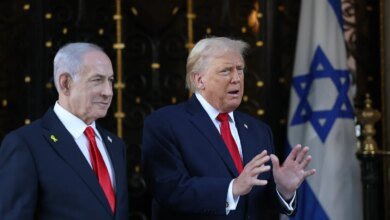
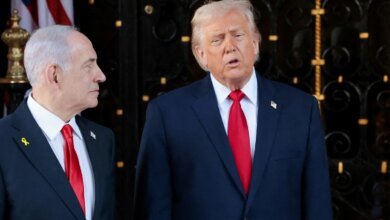
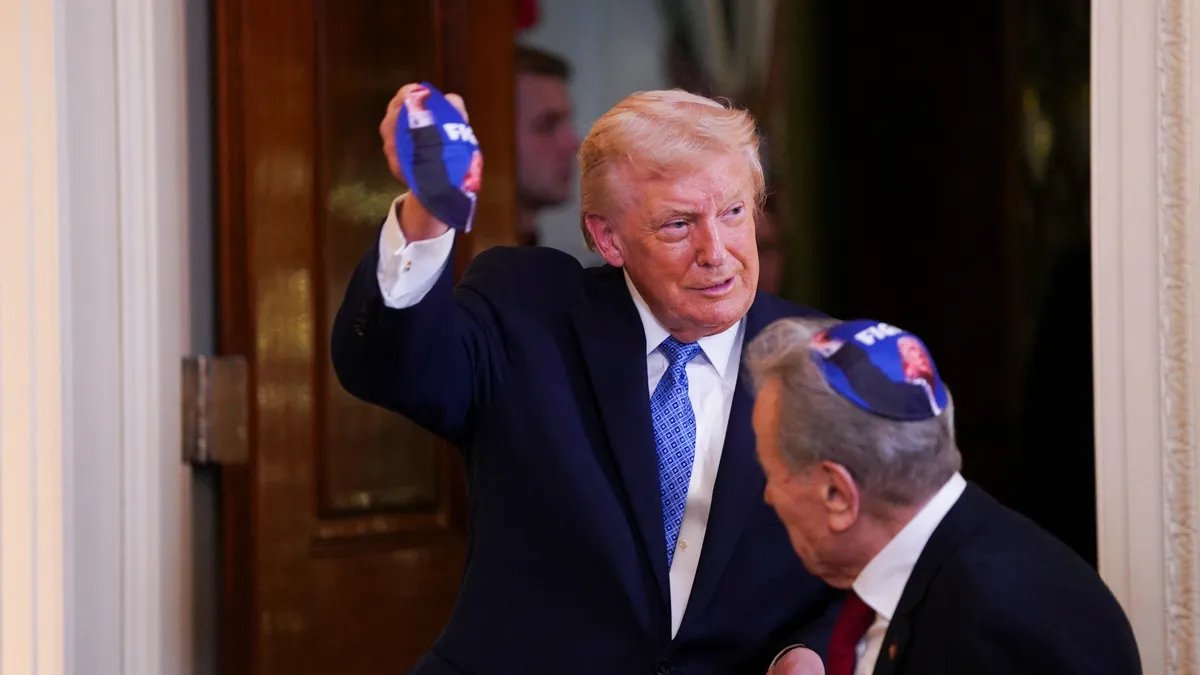
The East Room of the White House, usually a stage for solemn declarations or grand diplomatic receptions, shimmered with a different kind of light just last week. It was the glow of a magnificent menorah, its candles casting dancing shadows across the historic walls, signaling the joyous arrival of Hanukkah. You could almost taste the latkes in the air, a delightful mix of potato and onion, mingling with the hushed excitement of the assembled guests. Families, community leaders, and dignitaries from across the nation gathered, their faces alight with anticipation, creating a truly vibrant and palpable energy in the room. (It always strikes me how these traditional celebrations bring such a unique warmth to even the most formal settings.) This wasn’t just another holiday party; it was a deeply symbolic gathering for the Jewish community, made even more significant by the presence of a former President ready to address them. Everyone was buzzing, wondering what message Donald Trump would deliver amidst the current global climate, particularly concerning rising antisemitism and conflicts abroad. Would he focus on policy, or would he delve into something more personal, more reflective of the spirit of the Festival of Lights? The atmosphere was electric, a blend of reverence and expectation, as the moment drew closer for his address. Indeed, the anticipation was thick enough to cut with a knife, as the room fell into an expectant hush, waiting for the former commander-in-chief to step to the podium and share his thoughts on this important occasion.
When Donald Trump finally took the stage, surrounded by familiar faces and the festive decorations, a wave of applause rippled through the room. He wasn’t there to talk about campaigns or political battles, not directly anyway. Instead, he spoke with a tone that many found surprisingly warm and direct, focusing on a theme that resonated deeply with everyone present: the extraordinary resilience of the Jewish people. He emphasized their enduring strength, their capacity to overcome adversity throughout millennia, a narrative that truly speaks volumes about their heritage. “You are truly a testament to strength,” he declared, his voice carrying clearly through the ornate hall, “to survival, and to an unyielding faith that has allowed you to thrive against all odds.” It was a powerful statement, delivered at a time when that strength feels more vital than ever, a beacon of hope and steadfastness. You could see heads nodding in agreement, some guests even wiping away a tear or two, clearly moved by the acknowledgement of their history and tenacity. This wasn’t just a political soundbite; it felt like a genuine recognition of a people’s deeply rooted identity, a recognition that perhaps, many felt was long overdue on such a prominent stage, especially in the hallowed halls of the White House event. The sincerity in his voice seemed to cut through any preconceived notions, landing directly in the hearts of his audience.
His speech wasn’t merely a platitude; it delved into the historical context, touching upon the myriad challenges the Jewish people have faced—persecution, exile, and the constant struggle for identity and safety. Yet, through it all, they have persevered, maintaining their traditions, their culture, and their profound spiritual connection. “Your history is one of triumph over tribulation,” Trump asserted, a phrase that seemed to echo the very story of Hanukkah itself, the triumph of light over darkness. He connected this ancient narrative to contemporary realities, acknowledging the ongoing battles against antisemitism that persist even today. It felt like a subtle but firm nod to the recent rise in hate crimes and divisive rhetoric, a recognition that the fight for tolerance and understanding is far from over. This particular point garnered a thoughtful silence, a collective understanding that his words carried more weight than just holiday cheer. For many in the room, it was a moment of profound validation, seeing their struggles and their enduring spirit acknowledged at such a high level. It made you wonder if such an acknowledgment could truly shift the tides of public discourse, even if just a little.
A Message of Unwavering Support and Solidarity
Beyond the historical reflections, a significant portion of Trump’s speech focused on his administration’s actions and his personal commitment to the Jewish people and the state of Israel. He reminded the audience of his decisions, such as moving the U.S. Embassy to Jerusalem and recognizing Israeli sovereignty over the Golan Heights, policies that were highly lauded by many within the Jewish community. “We stood with Israel like no administration before,” he stated unequivocally, drawing considerable applause. This wasn’t just a political boast; for many, it was a sincere expression of a consistent stance. A guest, Sarah Goldberg, a retired teacher from Brooklyn, shared her feelings with me afterwards. “It meant a lot to hear him reiterate his support,” she said, her voice a little choked up. “Especially now, when Israel faces so much scrutiny. It’s good to know some leaders still genuinely stand with us.” Her sentiment reflected a broader feeling among a segment of the audience, a sense of gratitude for what they perceived as steadfast alignment during challenging times. It’s undeniable that these actions hold immense significance for a large part of the community, shaping their views on political leadership and international relations. You could almost feel the collective memory of past struggles in the room, making these words of support land with profound weight.
He spoke passionately about the need to combat antisemitism in all its forms, emphasizing that such hatred has no place in America or anywhere else in the world. His words served as a stark reminder that while Hanukkah is a festival of lights and joy, it also commemorates a victory against religious persecution, making the theme of vigilance against hatred particularly pertinent. “We must never allow the ancient hatreds to take root again,” he urged, his voice firm and resolute. It was a call to action, perhaps, for everyone present to remain vigilant and outspoken against prejudice. I noticed a young man, probably in his late twenties, nodding thoughtfully. When I asked him what he thought, he simply said, “It’s not just about politics, right? It’s about basic human decency. Hearing that message from anyone in power is important, but especially here, at this event.” His perspective highlighted the universal appeal of standing against bigotry, transcending partisan lines. The atmosphere, though festive, held this underlying current of serious reflection, a poignant blend of celebration and solemn remembrance.
The Symbolism of Hanukkah in Turbulent Times
The choice of Hanukkah for such an emphatic declaration of support and praise for Jewish resilience was, in itself, highly symbolic. The holiday celebrates the miracle of the oil that lasted eight nights, representing perseverance and the enduring light of faith in the face of overwhelming darkness. Trump skillfully wove this symbolism into his speech, drawing parallels between the historical Maccabean revolt and the contemporary struggles faced by the Jewish people. “The story of Hanukkah,” he remarked, “is a timeless lesson in what it means to fight for your beliefs, to stand strong when the odds are stacked against you, and to always, always believe in miracles.” This narrative arc resonated deeply, providing a historical framework for his message of modern-day strength.
One attendee, Rabbi Mendel Goldstein from a synagogue in Florida, explained to me his interpretation. “Hanukkah is about miracles, yes, but also about human agency,” he said, gesturing animatedly. “The Maccabees didn’t just wait for a miracle; they fought for it. And what President Trump highlighted, I believe, is that the Jewish people have always combined faith with action, always pushing forward despite immense obstacles. That’s the essence of our resilience.” His words perfectly encapsulated the spirit of the evening, demonstrating how deeply historical context informs present-day understanding and celebration. It’s a powerful testament to the enduring nature of faith and the human spirit.
Reactions and Broader Implications
As with any high-profile political address, especially one involving Donald Trump, the reactions to his Hanukkah speech were varied and nuanced. For those in the room, particularly the strong supporters, the message was clear and affirming. Many expressed deep appreciation for his consistent stance on Israel and his unequivocal denunciation of antisemitism. “He gets it,” remarked David Cohen, a businessman from New York. “He understands our concerns, our history. That kind of unwavering support is what matters to me, especially when things feel so unstable globally.” It’s a sentiment that speaks to a desire for stability and strong leadership in uncertain times.
However, outside the immediate circle of supporters, the reception was more mixed. Critics, while perhaps not disputing the sentiment of praising Jewish resilience, often questioned the broader context of his rhetoric or his past actions. Some commentators pointed to instances where they felt his statements or affiliations had inadvertently fueled division or controversy. “It’s always good to hear anyone praise resilience,” noted political analyst Dr. Lena Sharma, during a televised interview. “But genuine support isn’t just about specific policies or speeches; it’s about fostering an environment of inclusivity and understanding consistently. The community needs more than just words; they need consistent, tangible action against prejudice from all sides.” Her perspective reflects the ongoing debate about the sincerity and long-term impact of political statements, highlighting that true support goes beyond a single event.
The event also served as a moment for reflection on the multifaceted nature of the Jewish community itself. It’s not a monolith, and views on political figures and policies differ significantly. While many were comforted by Trump’s words, others might have focused on different aspects of leadership they consider vital, such as promoting social justice or interfaith dialogue. The beauty and complexity of the community lie in its diverse perspectives and approaches to faith, politics, and identity. This diversity ensures a rich tapestry of thought, but also means that no single message will resonate identically with every individual. It’s a constant reminder that even seemingly unified moments contain layers of individual experience and opinion.
A Historic Venue, A Timeless Message
The White House, as a venue, adds an undeniable layer of gravitas to any event. To host a Hanukkah celebration there, and to have a former President speak so directly about the resilience of the Jewish people, transforms it into a moment of national significance. It underscores the recognition of Jewish heritage as an integral part of the American fabric, a thread woven deeply into the tapestry of the nation’s cultural and religious diversity. The sight of the menorah lit in the East Room wasn’t just a nod to a holiday; it was a powerful affirmation of religious freedom and the right to practice one’s faith openly and proudly in America. This visual symbol alone speaks volumes, often more eloquently than any speech could.
In a world grappling with renewed conflicts, identity politics, and the ever-present shadow of historical prejudices, moments like these take on heightened importance. They offer not just a chance for celebration, but also an opportunity for reflection, for dialogue, and for reinforcing fundamental values. The message of resilience, of enduring faith and strength, transcends the political speaker and resonates with universal human experience. It’s a reminder that even in the darkest of times, light can be found, and that the human spirit, especially when united by shared heritage and purpose, possesses an incredible capacity for survival and renewal.
The Hanukkah event at the White House, with Trump’s distinctive voice praising the enduring spirit of the Jewish people, certainly won’t be forgotten quickly. It marked a specific point in time, a moment where history, politics, and deeply held beliefs converged under the warm glow of Hanukkah candles. Whether one agrees with the messenger or not, the core message of celebrating strength in the face of adversity, and standing firm against hatred, is something that truly everyone can appreciate. It leaves you wondering, doesn’t it, about the lasting impact of such declarations and how they might shape future conversations around identity, faith, and political leadership in America.
Frequently Asked Questions
| What was the core message of Trump’s speech at the Hanukkah event? | The core message of Donald Trump’s speech was a heartfelt praise for the extraordinary resilience of the Jewish people, acknowledging their enduring strength, ability to overcome adversity throughout history, and their unyielding faith. He also reaffirmed his strong support for Israel and condemned antisemitism. |
| Why is praising “resilience” significant for the Jewish community, especially at Hanukkah? | Praising Jewish resilience is deeply significant as it recognizes a history marked by persecution, exile, and struggles for survival, yet also by an unwavering commitment to faith and culture. At Hanukkah, a holiday commemorating a victory against religious persecution and the miracle of enduring light, this theme of resilience resonates even more strongly, connecting ancient struggles to modern challenges like rising antisemitism. |
| What specific actions or policies did Trump reference in his speech regarding the Jewish community or Israel? | In his speech, Trump specifically referenced his administration’s decision to move the U.S. Embassy to Jerusalem and his recognition of Israeli sovereignty over the Golan Heights. These actions were highlighted as demonstrations of his consistent and strong support for Israel and the Jewish people. |
| How were Trump’s remarks at the Hanukkah event received by attendees and the wider public? | Attendees at the event, particularly strong supporters, largely received Trump’s remarks with deep appreciation, viewing them as a clear affirmation of support. Many in the Jewish community lauded his consistent stance on Israel and condemnation of antisemitism. However, the wider public and critics had mixed reactions, with some acknowledging the positive sentiment while questioning the broader context of his rhetoric or past actions. |
| What broader implications might such an event at the White House have for Jewish-American relations or the fight against antisemitism? | An event like this at the White House, featuring a former President praising Jewish resilience, holds significant implications. It underscores the recognition of Jewish heritage as an integral part of the American national fabric and can serve as a powerful affirmation of religious freedom. It aims to reinforce fundamental values, generate dialogue, and potentially strengthen national unity against antisemitism, encouraging vigilance and outspokenness against prejudice from all sectors of society, even amidst diverse political interpretations. |
Important Notice
This FAQ section addresses the most common inquiries regarding the topic.