The Controversial Pardons: A Detailed Look
The pardoning of Rudy Giuliani and 76 others allegedly involved in the attempt to overturn the 2020 election results ignited a firestorm of controversy. Critics argued that these pardons represented a blatant abuse of power, shielding individuals from accountability for their actions and undermining the integrity of the electoral process. Supporters, on the other hand, defended the President’s right to grant pardons, arguing that they were necessary to correct what they perceived as politically motivated prosecutions.
The scope of these pardons was unprecedented, encompassing individuals accused of a wide range of offenses related to the election. This included figures involved in spreading misinformation, attempting to pressure election officials, and even allegedly participating in the January 6th Capitol riot. The sheer number of pardons raised questions about the President’s motives and the potential impact on future elections.
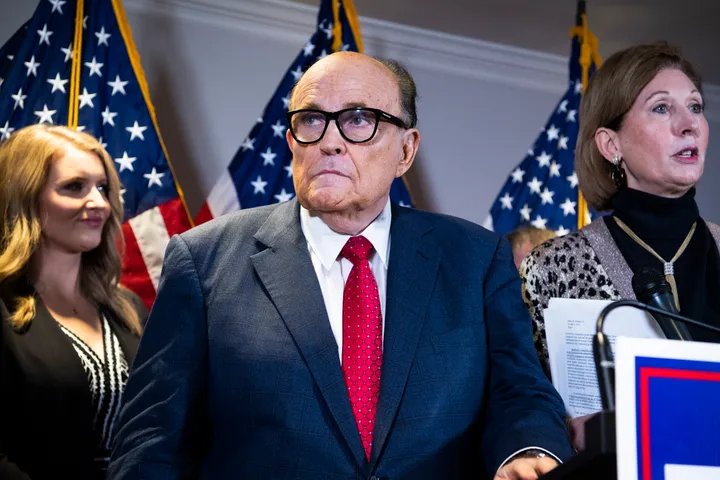
Rudy Giuliani: The Central Figure
Rudy Giuliani, former Mayor of New York City and a staunch ally of President Trump, was perhaps the most high-profile individual to receive a pardon. Giuliani played a prominent role in the Trump campaign’s efforts to challenge the 2020 election results, making numerous unsubstantiated claims of voter fraud and leading legal challenges that were ultimately dismissed by the courts.
Giuliani faced potential legal jeopardy on several fronts, including investigations into his business dealings in Ukraine and his role in the alleged election interference plot. The pardon effectively shielded him from these potential charges, sparking outrage from Democrats and legal experts.
“This is a travesty of justice,” said Senator Elizabeth Warren in a statement released shortly after the pardon was announced. “It sends a message that those in power are above the law and that there are no consequences for undermining our democracy.”
Giuliani, for his part, maintained his innocence and defended the pardon as a necessary act of political protection. “I am grateful to President Trump for his unwavering support and for recognizing the injustice of these politically motivated attacks,” he said in a prepared statement.
Other Notable Pardons
While Giuliani’s pardon garnered the most attention, the other 76 pardons were equally significant. These included individuals accused of various offenses, ranging from obstruction of justice to conspiracy to defraud the United States. Some of the notable pardons included:
* Several individuals involved in the January 6th Capitol riot.
* Former Trump campaign officials accused of campaign finance violations.
* Individuals who had been charged with spreading misinformation about the election.
The blanket pardon of these individuals raised concerns about the potential for future abuse of the pardon power and the erosion of accountability for those who seek to undermine democratic institutions.
The Legal and Ethical Implications
The Trump pardons raised a number of complex legal and ethical questions. Legal scholars debated the scope of the President’s pardon power and the extent to which it could be used to shield individuals from accountability for their actions. Ethicists questioned the President’s motives in granting these pardons, particularly given his close relationship with many of the recipients.
One of the key legal questions was whether the pardons could be challenged in court. While the Constitution grants the President broad power to grant pardons, some legal experts argued that this power is not unlimited and that it could be subject to judicial review in certain circumstances.
For example, some argued that the pardons could be challenged if they were found to be part of a broader conspiracy to obstruct justice. However, such a challenge would be difficult to prove and would likely face significant legal hurdles.
The Scope of Presidential Pardon Power
The Constitution grants the President the power to “grant reprieves and pardons for offenses against the United States, except in cases of impeachment.” This power is generally considered to be very broad, giving the President wide discretion to pardon individuals who have been convicted of federal crimes.
However, the pardon power is not unlimited. It only applies to federal offenses, and it cannot be used to pardon individuals who have been impeached by Congress. Additionally, some legal scholars argue that the pardon power is subject to certain limitations based on principles of due process and equal protection.
The debate over the scope of the pardon power is likely to continue for years to come, particularly in light of the controversial Trump pardons.
Ethical Considerations
In addition to the legal questions, the Trump pardons also raised significant ethical concerns. Critics argued that the President’s decision to pardon individuals who had been accused of undermining democracy was a betrayal of his oath of office and a grave disservice to the nation.
They also questioned the President’s motives in granting these pardons, suggesting that he was primarily motivated by a desire to protect himself and his allies from legal accountability. This perception was fueled by the fact that many of the pardon recipients were close associates of the President and had played a key role in his efforts to challenge the 2020 election results.
“This is not about justice; it’s about protecting his friends and rewarding loyalty,” said Representative Adam Schiff, Chairman of the House Intelligence Committee, in a statement. “It’s a corrupt act that undermines the rule of law and further erodes trust in our institutions.”
The Political Fallout and Long-Term Consequences
The Trump pardons had a significant political fallout, further polarizing an already deeply divided nation. Democrats condemned the pardons as an abuse of power and vowed to investigate the matter further. Republicans, on the other hand, largely defended the President’s right to grant pardons, arguing that they were necessary to correct what they perceived as politically motivated prosecutions.
The pardons also had long-term consequences for the future of American democracy. They raised concerns about the potential for future abuse of the pardon power and the erosion of accountability for those who seek to undermine democratic institutions.
Impact on Future Elections
One of the biggest concerns was the potential impact of the Trump pardons on future elections. Critics argued that the pardons could embolden future candidates and their supporters to engage in similar behavior, knowing that they might be shielded from legal accountability if they are successful in gaining power.
“This sets a dangerous precedent for future elections,” said Professor Richard Hasen, an election law expert at the University of California, Irvine. “It sends a message that there are no consequences for trying to steal an election, as long as you have the right connections.”
The pardons also raised questions about the role of the Justice Department in investigating and prosecuting potential election crimes. If future administrations are unwilling to prosecute individuals who have engaged in similar behavior, it could further erode trust in the electoral process and undermine the integrity of American democracy.
The Erosion of Trust in Institutions
Another long-term consequence of the Trump pardons was the erosion of trust in government institutions. The pardons reinforced the perception that those in power are above the law and that the rules do not apply to them. This perception can lead to cynicism and disengagement among citizens, making it more difficult to govern effectively.
“This is a blow to the rule of law and to the integrity of our institutions,” said Norman Eisen, a former ethics advisor to President Obama. “It sends a message that justice is not blind and that political connections matter more than the truth.”

The long-term impact of the Trump pardons remains to be seen. However, it is clear that they have raised fundamental questions about the nature of American democracy and the rule of law. The nation will grapple with these questions for years to come. I can only hope that this situation sparks a conversation about accountability and what it means to uphold democratic values.
Conclusion
The pardoning of Rudy Giuliani and 76 others involved in the alleged plot to overturn the 2020 election marked a deeply divisive and controversial moment in American history. While the legal implications of these pardons are complex and subject to ongoing debate, the ethical and political consequences are clear. These pardons, whether justified or not, highlighted the immense power of the presidency and the potential for its abuse. They also underscored the fragility of democratic institutions and the importance of holding those in power accountable for their actions. The long-term impact on American democracy remains uncertain, but it is undeniable that this event will continue to shape the political landscape for years to come. I genuinely worry about the precedent this sets for future administrations. Will this become the norm? Only time will tell.
Frequently Asked Questions
| What was the rationale behind Trump’s pardons of Giuliani and others? | The stated rationale varied. Supporters argued it was to correct what they saw as politically motivated prosecutions and reward loyalty. Critics saw it as shielding allies from accountability for their actions related to the 2020 election and the alleged attempt to overturn it. |
| What are the potential benefits of granting these pardons? | From the perspective of supporters, the benefits include correcting perceived injustices, protecting individuals from what they believe are unfair prosecutions, and potentially unifying a divided nation. However, these benefits are highly contested. |
| How are presidential pardons implemented? | Presidential pardons are implemented through a formal process where the President issues a document granting clemency to an individual for a federal crime. This pardon can be full, absolving the individual of all guilt, or conditional, with specific requirements. |
| What challenges do these pardons pose to the justice system? | The pardons can undermine the justice system by creating a perception that those with political connections are above the law, discouraging future investigations into similar offenses, and eroding trust in the impartiality of the legal process. |
| What could be the future implications of these pardons for American democracy? | The future implications could include a further erosion of trust in government institutions, a greater willingness of individuals to engage in questionable behavior during elections, and a weakening of the rule of law. It may also spur legal challenges and reforms aimed at limiting the President’s pardon power. |
Important Notice
This FAQ section addresses the most common inquiries regarding the topic.