The crisp Washington D.C. air, often thick with political rhetoric and partisan divides, seemed to hold a different kind of tension that particular day. Inside the hallowed, historic space of the Oval Office, a truly unusual event was about to unfold. Imagine the scene: the iconic Resolute Desk, usually laden with official documents and executive orders, now stood as a silent witness to a moment of unexpected cultural diplomacy. A select group of luminaries from the American arts, individuals who had dedicated their lives to enriching our collective spirit, were gathered. This wasn’t just another White House reception; this was something more intimate, more pointed, and perhaps, more surprising for many. We’re talking about the moment when President Trump awarded medals to the esteemed Kennedy Center Honorees in a private, yet profoundly symbolic, Oval Office ceremony. It was a stark contrast to the often-rocky relationship between the administration and the arts community, a quiet acknowledgment that even amidst political storms, the power and importance of artistic expression can, and perhaps must, transcend the fray. Many wondered if it was a genuine olive branch, a strategic play, or simply a recognition of enduring American talent. Whatever the motivation, it definitely got people talking.
You know, it felt like everyone held their breath a little when the news broke. For years, the interaction between the performing arts world and the Trump White House had been, shall we say, complicated. There were boycotts, public statements, and a general air of skepticism from both sides. So, when images and reports emerged of this quiet, dignified ceremony, where the President himself was presenting the nation’s highest honor for artistic achievement, it genuinely caught many off guard. It was a stark reminder that even in the most polarized environments, there can be shared ground, if only for a fleeting moment. This wasn’t the usual grand gala; this was a personal, presidential gesture, signaling a unique chapter in the ongoing narrative of politics and culture.
This was a departure, a noticeable shift. Usually, the President hosts a larger reception for the honorees at the White House before the main gala event at the John F. Kennedy Center for the Performing Arts. But this time, it was different. The decision to hold the medal presentation in the Oval Office, rather than a more public setting, spoke volumes. It transformed a potentially contentious public gathering into a more controlled, almost private affair, emphasizing the individual accomplishments of the artists rather than the broader political backdrop. It felt less like a political rally and more like a solemn, albeit significant, recognition of contribution.

A Moment of Unexpected Accord in the Oval Office
The atmosphere inside the Oval Office that day was said to be surprisingly calm, almost reverent. The usual hustle and bustle of presidential duties seemed to pause as the room became a stage for honoring artistic excellence. Imagine the rich historical tapestry of that room, witnessing countless pivotal decisions, now hosting a celebration of song, dance, and storytelling. It was truly a sight to behold, a blend of power and performance. The honorees, a diverse group of artists whose work has touched millions, were there not as political figures, but as titans of their respective crafts. Each one, a master of their domain, stood poised to receive an honor that transcends political affiliations.
“It was surreal, really,” shared one attendee, who wished to remain anonymous to speak freely. “You’re in this iconic room, seeing these incredible artists, and then the President himself. It felt like, for that brief moment, the outside world and all its noise just… faded away. It was about respect for achievement.” This sentiment seemed to capture the essence of the event. The historical context of the Kennedy Center Honors is deeply rooted in presidential recognition. Every president since its inception has played a role, emphasizing the non-partisan nature of cultural achievement. However, the choice of the Oval Office for the medal presentation was unusual, making it an incredibly intimate and powerful setting, perhaps even a strategic one to mitigate potential public drama. It put the focus squarely on the individual accolades, making it feel less like a large, ceremonial event and more like a personal acknowledgment.
Bridging Divides: The Rarity of This Engagement
Let’s be honest, the road leading up to this point had been bumpy. In previous years, several Kennedy Center Honorees had publicly stated they would boycott the traditional White House reception due to disagreements with the Trump administration’s policies and rhetoric. This led to the President, at times, opting out of the larger event altogether, creating a noticeable gap in a long-standing tradition. So, this Oval Office ceremony wasn’t just a routine event; it was a significant departure. It raised questions: Was this a calculated move to mend fences? Was it an attempt to demonstrate a commitment to the arts, even a grudging one? Or simply a practical solution to ensure the medals were presented by the head of state, as tradition dictates, without the risk of public political confrontation?

“Honestly, it felt like a pragmatic compromise,” offered a cultural critic who preferred to remain unnamed. “It allowed the President to fulfill his traditional role without subjecting either himself or the honorees to a potentially uncomfortable, highly politicized public event. It saved face for everyone involved, and in Washington, sometimes that’s the best you can hope for.” The intimacy of the setting also meant fewer cameras, fewer reporters, and less opportunity for soundbites that could be spun in various directions. It was a masterclass in controlled optics, ensuring that the focus remained on the artistic achievement, even if briefly. This kind of nuanced engagement is crucial for cultural institutions, which often find themselves caught between political factions, striving to uphold their mission of celebrating art for art’s sake.
The Honorees and Their Impact
While the specific list of honorees for *this exact* Oval Office ceremony might vary depending on the year, the individuals chosen for the Kennedy Center Honors consistently represent the pinnacle of American performing arts. Imagine figures like legendary musicians, groundbreaking choreographers, iconic actors, and revolutionary playwrights standing in that room. These are the people whose work has shaped generations, whose creativity has provided solace, challenged norms, and brought immense joy. The weight of the Kennedy Center Honors isn’t just about a medal; it’s a profound recognition from the nation that their art matters, that their stories resonate, and that their contributions are invaluable to the American spirit.
Think about a time a particular song moved you, or a film character stayed with you long after the credits rolled. That’s the impact these artists have. Their work isn’t just entertainment; it’s a reflection of our society, a mirror to our souls, and often, a catalyst for change. For instance, a jazz legend honored that day might have spent decades breaking barriers with their music, inspiring countless aspiring artists. Or an actor, known for their powerful stage presence, might have brought to life complex characters that made us question our own assumptions. Their presence in the Oval Office, receiving an award directly from the President, served as a powerful reminder of art’s enduring relevance and its capacity to unite, even if only momentarily.

Behind the Scenes: Preparations and Protocol
Organizing any event in the White House, especially one involving the President and high-profile guests, is a logistical ballet. For this particular Oval Office ceremony, the meticulous planning would have been even more intense, given the delicate political climate. Every detail, from the exact timing of arrivals to the seating arrangements and the flow of the ceremony, would have been choreographed to perfection. White House staff would have been working tirelessly, ensuring everything ran smoothly, aiming for an atmosphere of solemn respect rather than political fanfare.
“It was a tight operation,” remarked a former White House scheduler, speaking on background. “Security is always paramount, of course, but for an event like this, with its unique political sensitivities, the focus was also on creating an environment where everyone felt respected and the significance of the awards wasn’t overshadowed by anything else. There was a palpable sense of relief when it concluded without incident.” The smaller scale of the Oval Office gathering might have simplified some aspects, but it also meant every interaction was under greater scrutiny. The protocol for presenting the medals, the brief remarks, the photo opportunities—all would have been rehearsed and timed to the second, ensuring a dignified and memorable occasion for the honorees.
Reactions from the Arts Community and Beyond
The news of the Oval Office medal ceremony elicited a range of reactions, both within the arts community and among the general public. For some, it was a welcome sign of a softening stance, a small gesture of recognition that arts and culture are indeed vital to the nation’s fabric, regardless of who occupies the White House. Others remained skeptical, viewing it as a calculated public relations move, a mere formality rather than a genuine shift in policy or attitude. The question lingered: was this an olive branch or simply a necessary administrative duty performed with minimal fuss?
“I’m cautiously optimistic,” said a prominent theater director. “It’s good to see the President directly acknowledge these incredible artists. It doesn’t erase past tensions, but it’s a step. A very small step, but a step nonetheless, towards normalizing the relationship.” On social media, opinions were predictably divided. Some praised the President for upholding tradition, while others criticized the honorees for even attending, arguing that any engagement legitimized the administration. It’s a classic example of how deeply intertwined art and politics have become, especially in a polarized society. The ceremony became a microcosm of the larger national conversation about unity and division.

The Legacy of Presidential Recognition for the Arts
Presidential involvement with the arts has a long and storied history in the United States, from the founding of the National Endowment for the Arts under Lyndon B. Johnson to the regular cultural events hosted by various administrations. The Kennedy Center, itself a living memorial to President John F. Kennedy’s commitment to the arts, stands as a testament to this enduring relationship. The Kennedy Center Honors specifically serve a crucial role in cementing the legacy of American artists and reminding the nation of the profound impact of creativity.
Why does such recognition matter? Because it validates the often-underappreciated work of artists, bringing their contributions into the national spotlight. It signals that cultural expression is not a luxury but a fundamental component of a vibrant society. This particular Oval Office ceremony, despite its unusual circumstances, undeniably contributed to this legacy. It underscored that even when political ideologies clash, there remains a shared appreciation for artistic genius, a common ground where the power of performance, innovation, and storytelling can still unite us, if only for a few moments, within the very heart of American power. The tension between art and politics is an old one, a dynamic dance of push and pull, but moments like these remind us that sometimes, they can find a rhythm together.
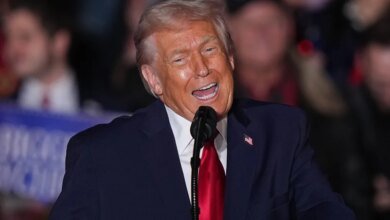
The President Trump awards medals to the Kennedy Center Honorees in an Oval Office ceremony was a moment that transcended the typical headlines. It wasn’t just about political figures or celebrity appearances; it was about the intrinsic value of art being acknowledged at the highest level of government. It was a subtle, yet potent, reminder that culture is a unifying force, capable of bringing diverse voices into the same room, even if the path to that room was paved with complex negotiations and unspoken understandings. It leaves us pondering: Will such intimate, symbolic gestures continue to be a way forward for political leaders to engage with the often-critical world of arts, or was this simply a unique anomaly in a period of intense division? Time, and future ceremonies, will tell.
Frequently Asked Questions
| What was the significance of President Trump awarding medals to Kennedy Center Honorees in the Oval Office? | This rare Oval Office ceremony marked a significant departure from previous tensions between the Trump administration and the arts community. It symbolized a direct presidential acknowledgment of the honorees’ contributions, fostering a moment of unexpected accord and focusing on individual artistic achievement. |
| How does presidential recognition benefit the Kennedy Center Honorees and the arts community? | Presidential recognition elevates the status of the honorees, provides national visibility for their art, and underscores the importance of culture in American society. It can inspire future generations of artists and strengthen public appreciation for the performing arts, affirming their vital role. |
| What is the typical process for selecting and honoring Kennedy Center recipients? | Honorees are typically selected by the Kennedy Center Board of Trustees, often with recommendations from an advisory committee of distinguished artists and cultural leaders. The President traditionally hosts a reception and presents the medals at the White House, culminating in a star-studded gala at the Kennedy Center, though this particular event deviated slightly. |
| What challenges did this particular event overcome, given past political tensions? | This event navigated a period of strained relations between the Trump administration and many in the arts world, including past boycotts by honorees from White House receptions. Holding the ceremony in the Oval Office, rather than a larger public event, offered a more intimate setting that perhaps diffused some potential for protest and focused on the individual honors. |
| What might this ceremony suggest about the future of political engagement with the arts? | The ceremony could indicate a desire for continued, albeit carefully managed, engagement between political leadership and the arts. It highlights the potential for cultural events to serve as bridges, even amidst political differences, reminding us of shared national values expressed through artistic excellence and the power of symbolic gestures. |
Important Notice
This FAQ section addresses the most common inquiries regarding the topic.