It was a scene ripped straight from a disaster movie. The sky, a churning, angry grey, spitting rain and debris. The air, thick with the smell of damp earth and splintered wood. And the sound… a deafening roar that swallowed everything whole. Near Houston, Texas, a powerful tornado touched down, leaving a trail of destruction in its wake. I can only imagine what it must have sounded like.
The immediate aftermath revealed the grim reality: more than 100 homes suffered significant damage. Torn roofs were a common sight, flapping like tattered flags in the wind. Smashed windows gaped open, exposing interiors to the elements. Furniture lay scattered across yards, personal belongings tossed about like unwanted toys. You could see the fear etched on people’s faces. The tornado near Houston had not only damaged property, but it had shaken the community to its core. (And frankly, who wouldn’t be?)
The initial reports painted a stark picture. The hardest-hit areas were the suburban communities just north of the city. Families huddled together, some taking refuge in shelters, others in the basements of their homes – the lucky ones that still had basements after the storm. Emergency services were stretched thin, working tirelessly to assess the damage and provide assistance to those in need. The scope of the destruction was just beginning to sink in. It was going to be a long road to recovery. The main issue is, the frequency of these tornado events seems to be increasing every year.
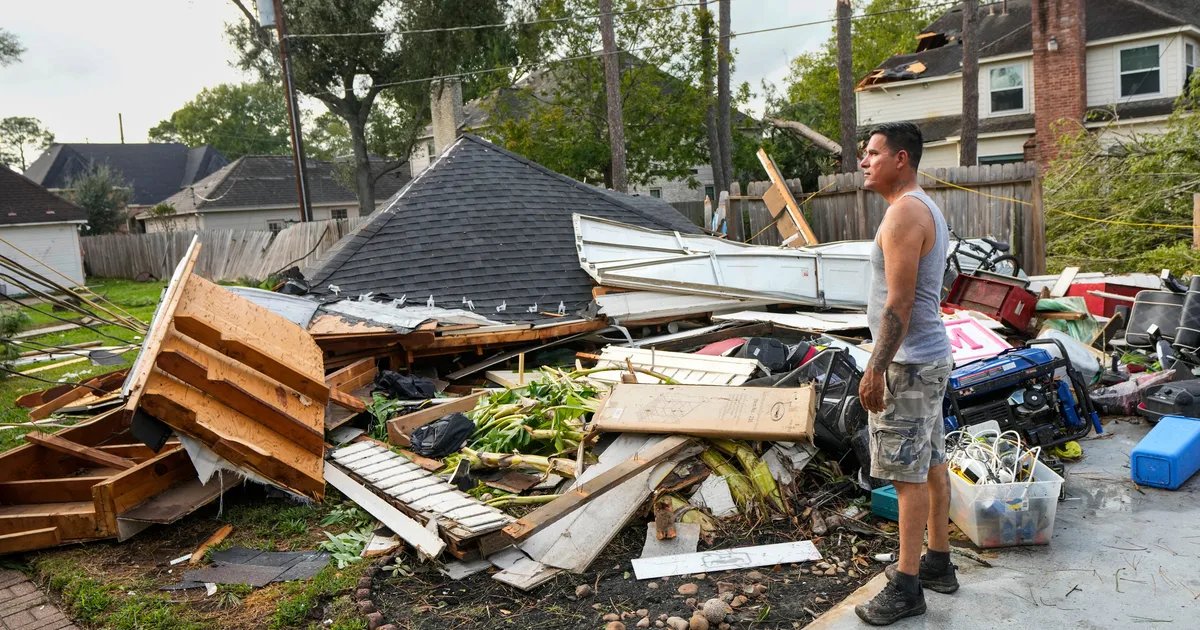
Homes damaged by the force of the tornado were in various states of disrepair. Some had entire roofs ripped away, exposing the interiors to the elements, creating a devastating scene for homeowners. Others suffered less severe damage, with missing shingles and broken windows marking the storm’s passage. The extent of the damage varied wildly, with some houses seemingly untouched while others were completely destroyed. “It sounded like a freight train going right through my living room,” said Maria Rodriguez, a resident of one of the hardest-hit streets. “I just grabbed my kids and ran to the closet. I didn’t know what else to do.”

The smashed windows and torn roofs were not just aesthetic issues; they rendered many homes uninhabitable, forcing families to seek shelter elsewhere. The Red Cross set up temporary shelters at local schools and community centers, providing food, water, and basic necessities to those displaced by the storm. Volunteers poured in from neighboring towns, eager to help in any way they could. The community spirit, even in the face of such adversity, was truly inspiring. I saw people helping each other carry debris, offering food and water, and simply lending a listening ear.
The Aftermath: Assessing the Damage
The immediate priority was ensuring the safety and well-being of the affected residents. Search and rescue teams scoured the damaged areas, checking for anyone who might be trapped or injured. Fortunately, there were no reports of fatalities, a small miracle considering the severity of the storm. However, several people sustained minor injuries, mostly from flying debris. Medical personnel were on hand to provide treatment and transport those in need to local hospitals.
Emergency Response Efforts
Local authorities, along with state and federal agencies, quickly mobilized to coordinate the disaster relief efforts. The National Guard was deployed to assist with security and debris removal. Utility companies worked to restore power and water services to the affected areas. It was a massive undertaking, requiring the cooperation of numerous organizations and individuals.
Here’s a brief overview of the response:
- Search and rescue operations
- Medical assistance
- Shelter and food provision
- Debris removal
- Utility restoration
- Damage assessment
The tornado damage was extensive, making the assessment process a long and arduous task. Teams of engineers and building inspectors surveyed the affected homes, determining the extent of the structural damage. This information was crucial for determining the eligibility of homeowners for disaster relief funds and insurance claims. The process felt slow for many anxious residents, desperate to begin rebuilding their lives.
Community Resilience and Recovery
Despite the devastation, the community showed remarkable resilience. Neighbors helped neighbors, offering support and encouragement. Local businesses donated supplies and services. Churches and community organizations organized fundraising events to help those who had lost everything.
Stories of Hope and Helping Hands
One particularly moving story involved a group of volunteers who spent days clearing debris from the yard of an elderly woman whose home had been severely damaged. She had lived in the house for over 50 years and had lost almost everything. The volunteers, many of whom were strangers, worked tirelessly to help her salvage what she could and begin the long process of rebuilding.
Another story that caught my attention was of a local hardware store that stayed open late into the night, providing essential supplies to residents at cost. The owner, a lifelong member of the community, refused to profit from the disaster, instead choosing to support his neighbors in their time of need. Acts of kindness like these were commonplace in the aftermath of the tornado, demonstrating the strength and compassion of the human spirit.
Long-Term Recovery Challenges
The road to recovery will be long and challenging. Rebuilding homes, replacing belongings, and restoring a sense of normalcy will take time and resources. The emotional toll of the tornado will also be significant, with many residents likely to experience anxiety, stress, and trauma. Accessing mental health services and support groups will be crucial for helping the community heal.
Here’s a list of potential challenges:
- Financial hardship
- Housing shortages
- Emotional distress
- Bureaucratic delays
- Insurance disputes
The importance of adequate insurance coverage cannot be overstated. Many homeowners discovered that their policies did not fully cover the cost of the damage, leaving them with significant out-of-pocket expenses. It’s a harsh reminder to review insurance policies regularly and ensure that they provide adequate protection against natural disasters.
Preparing for Future Tornadoes
The tornado near Houston served as a stark reminder of the power and unpredictability of nature. It also highlighted the importance of being prepared for future disasters.
Safety Tips and Resources
Here are some essential safety tips for tornadoes:
- Know the difference between a tornado watch and a tornado warning.
- Seek shelter in a basement, storm cellar, or interior room on the lowest floor of a sturdy building.
- Stay away from windows, doors, and outside walls.
- If you are in a car or outdoors, lie flat in a ditch or low-lying area and cover your head.
- Monitor weather updates from reliable sources.
Several resources are available to help residents prepare for tornadoes and other natural disasters. The National Weather Service, the Federal Emergency Management Agency (FEMA), and local emergency management agencies offer valuable information and guidance. It’s crucial to take the time to learn about these resources and develop a comprehensive emergency plan.
Building Codes and Mitigation Strategies
Strengthening building codes and implementing mitigation strategies can help reduce the damage caused by tornadoes. This includes using stronger building materials, reinforcing roofs and walls, and installing storm shutters. Communities located in high-risk areas should consider adopting stricter building codes to better protect their residents. It’s expensive, sure, but the cost of not doing so is far greater.
The Ongoing Impact
The tornado left an indelible mark on the community. The physical scars will eventually fade, but the emotional scars may linger for years to come. The experience has undoubtedly changed the way residents view their surroundings and their vulnerability to natural disasters.
The damage to over 100 homes is a significant setback, but it has also brought the community closer together. The outpouring of support and generosity has been remarkable, demonstrating the resilience and compassion of the human spirit. As the rebuilding process continues, the community will undoubtedly emerge stronger and more prepared for whatever challenges lie ahead.
Frequently Asked Questions
| What is the current situation regarding the tornado damage near Houston? | Over 100 homes have been damaged due to a recent tornado near Houston, Texas. The damage includes torn roofs, smashed windows, and significant structural issues, displacing many families. |
| What are the benefits of having a disaster preparedness plan in place? | A disaster preparedness plan can significantly reduce the impact of a tornado or other natural disaster. Benefits include quicker response times, reduced injuries and fatalities, minimized property damage, and a faster recovery process. |
| How can homeowners implement measures to protect their homes from future tornadoes? | Homeowners can reinforce their roofs and walls, install storm shutters, secure outdoor objects, and create a safe room or shelter. Regularly reviewing insurance policies and maintaining emergency supplies are also crucial steps. |
| What are the key challenges in recovering from a tornado disaster? | Key challenges include financial hardship, housing shortages, emotional distress, bureaucratic delays in receiving aid, and insurance disputes. Coordinating resources and providing mental health support are also essential for a successful recovery. |
| What does the future hold for disaster preparedness and response in tornado-prone areas? | The future likely involves enhanced building codes, improved early warning systems, increased community education, and more resilient infrastructure. Investments in research and technology will also play a crucial role in mitigating the impact of future tornadoes. |
Important Notice
This FAQ section addresses the most common inquiries regarding the topic.