The air crackled with anticipation outside the Department of Homeland Security. It was a chilly November morning, the kind where you could see your breath. News had leaked: a potential seismic shift in immigration policy was brewing. Whispers traveled like wildfire about the Trump administration’s intentions to initiate a comprehensive review of tens of thousands of refugees who entered the United States under President Biden’s tenure. This isn’t just about numbers; it’s about lives, about families who sought sanctuary here. (You could practically feel the tension hanging in the air, thick as the fog rolling off the Potomac.) The question on everyone’s mind: what exactly does this review entail, and what could be the consequences for those already rebuilding their lives in America? The planned review is raising concerns about the potential for deportation proceedings and the chilling effect it may have on future asylum seekers.
The stated justification for this proposed refugee review, according to sources within the Trump camp, centers on national security concerns and ensuring proper vetting procedures were followed. Were adequate background checks conducted? Were all potential risks thoroughly assessed? These are the questions they claim need answering. But critics argue this is simply a veiled attempt to undo Biden’s more welcoming immigration policies and demonize vulnerable populations. It’s a stark contrast to the Biden administration’s focus on humanitarian aid and refugee resettlement programs, designed to offer safe haven to those fleeing persecution and violence. Let’s be honest, this is likely to become another political battleground, further dividing an already polarized nation. The political stakes are high, and the human stakes are even higher.
This isn’t abstract policy; it affects real people. Families who fled war-torn countries, individuals who escaped religious persecution, and children who know nothing but the fear of displacement. Now, their futures hang in the balance once more. The Trump administration‘s move is likely to spark legal challenges and widespread protests, as advocates for refugee rights rally to defend those who have already endured so much. Can you imagine the uncertainty and fear these families must be feeling right now? It’s a chilling thought. The proposed review process itself could be lengthy and complex, potentially leaving thousands in limbo for months, even years.
The Scope of the Review
The sheer scale of the proposed review is staggering. We are talking about tens of thousands of individuals, potentially impacting families across the country. Sources familiar with the plan suggest that the Department of Homeland Security (DHS) will be tasked with leading the effort, working in conjunction with other government agencies. The focus will be on individuals who entered the country through various refugee programs and those who sought asylum at the border. (Imagine the administrative nightmare this will create!)
The review aims to scrutinize the vetting processes used during the Biden administration, specifically focusing on any perceived weaknesses or gaps in the system. This includes examining background checks, security screenings, and the overall assessment of potential threats. The Trump administration argues that a more rigorous approach is necessary to safeguard national security.
Here’s a breakdown of the key areas the review is expected to cover:
- Background Checks: A thorough examination of the databases and procedures used to screen refugees.
- Security Screenings: Evaluation of the effectiveness of security protocols in identifying potential threats.
- Asylum Claims: A review of the validity and credibility of asylum claims filed under the Biden administration.
- Compliance with Immigration Laws: Ensuring that all refugees and asylum seekers are in compliance with US immigration laws.
“We need to ensure that our immigration system is not being exploited and that those who seek refuge here are thoroughly vetted,” stated a former DHS official, speaking on condition of anonymity. “National security must be our top priority.”
Legal and Ethical Challenges
The proposed refugee review is not without its legal and ethical challenges. Many legal experts argue that it could violate due process rights and potentially lead to discriminatory practices. The American Civil Liberties Union (ACLU) has already vowed to fight the initiative in court, arguing that it is based on unfounded fears and prejudice. (They’re probably gearing up for a long battle!)
“This is nothing more than a thinly veiled attempt to target vulnerable communities and undermine our nation’s commitment to providing refuge to those fleeing persecution,” said a spokesperson for the ACLU. “We will not stand by while the Trump administration attempts to scapegoat refugees and asylum seekers.”
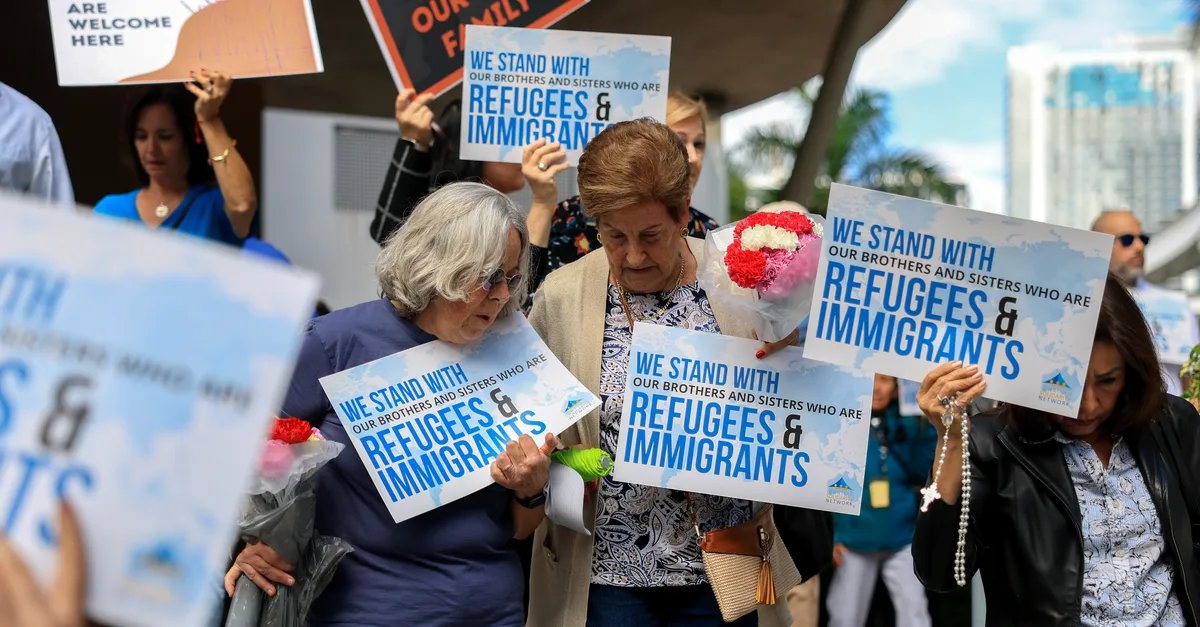
Moreover, the review raises serious ethical questions about the treatment of individuals who have already been granted legal status in the United States. Many of these refugees have started new lives, found jobs, and integrated into their communities. To subject them to a new round of scrutiny could create immense anxiety and instability. What kind of message does that send to the world?
The potential consequences of the review are significant. Individuals who are found to be in violation of immigration laws could face deportation proceedings, tearing families apart and sending them back to dangerous situations. The uncertainty surrounding the review could also deter future asylum seekers from seeking refuge in the United States.
The Impact on Refugee Resettlement Programs
The Trump administration’s proposed review is likely to have a chilling effect on refugee resettlement programs across the country. Many organizations that work to assist refugees are already facing funding cuts and increased political pressure. This review could further strain their resources and make it more difficult to provide essential services to those in need.
These programs are vital for helping refugees integrate into American society. They provide assistance with housing, employment, education, and healthcare. Without these services, refugees are more likely to face poverty, discrimination, and social isolation. It’s a safety net that keeps them from falling through the cracks.
The review could also discourage private citizens and community groups from volunteering their time and resources to support refugee resettlement efforts. The fear of being associated with a controversial policy could lead to a decline in public support for these programs. That’s the kind of ripple effect no one wants to see.
Here’s a look at some of the potential impacts on refugee resettlement programs:
- Funding Cuts: Reduced government funding for refugee assistance programs.
- Increased Scrutiny: More rigorous oversight and monitoring of refugee resettlement agencies.
- Decreased Volunteerism: A decline in public support and volunteer participation.
- Strained Resources: Increased demands on refugee resettlement agencies with fewer resources.
“We are deeply concerned about the potential impact of this review on our ability to serve refugees in need,” said the director of a local refugee resettlement agency. “Our resources are already stretched thin, and this will only make it more difficult to provide essential services.”
Political Reactions and Public Discourse
The announcement of the refugee review has sparked a fierce political debate, with Democrats and Republicans sharply divided over the issue. Democrats have condemned the review as discriminatory and inhumane, while Republicans have defended it as a necessary step to protect national security. (Predictable, right?)
The issue has also become a major topic of discussion on social media, with users expressing a wide range of opinions. Supporters of the review argue that it is essential to ensure that the immigration system is not being abused and that the United States is not admitting individuals who pose a threat. Opponents of the review argue that it is based on xenophobia and prejudice and that it will harm vulnerable populations. It’s a digital battlefield out there.
The political polarization surrounding this issue is likely to intensify in the coming months, as the Trump administration moves forward with its plans. The debate over refugee policy is likely to become a major theme in the upcoming elections.
Here are some of the key political reactions:
* Democrats: Condemning the review as discriminatory and inhumane.
* Republicans: Defending the review as a necessary step to protect national security.
* Immigration Advocacy Groups: Vowing to fight the review in court and mobilize public opposition.
* Conservative Think Tanks: Supporting the review and advocating for stricter immigration policies.
The public discourse surrounding this issue is highly charged, with strong emotions on both sides. It is essential to engage in respectful and informed discussions about refugee policy, based on facts and evidence, rather than fear and prejudice. Easier said than done, of course.
The Future of Refugee Policy in the United States
The Trump administration’s proposed refugee review has significant implications for the future of refugee policy in the United States. It signals a potential shift towards a more restrictive and enforcement-focused approach to immigration, which could have far-reaching consequences for vulnerable populations.
The outcome of the review could determine whether the United States continues to be a welcoming haven for those fleeing persecution or whether it turns its back on its humanitarian obligations. It’s a pivotal moment, to say the least.
The legal challenges to the review, the political debates, and the public discourse will all shape the future of refugee policy in the United States. It is essential for citizens to stay informed and engaged in this important issue. Our voice matters.
Here are some of the potential future scenarios:
- Scenario 1: The review is implemented and leads to the deportation of thousands of refugees.
- Scenario 2: The review is challenged in court and is ultimately blocked by the courts.
- Scenario 3: The review is scaled back or modified in response to public pressure.
- Scenario 4: The review sets a precedent for future administrations to adopt more restrictive immigration policies.
The future of refugee policy in the United States is uncertain, but one thing is clear: the decisions that are made in the coming months will have a profound impact on the lives of countless individuals. It’s a time for reflection, for empathy, and for action.
The Trump administration’s renewed focus on stricter immigration enforcement, combined with the proposed refugee review, paints a picture of a nation grappling with its identity and its role in the world. The debate over immigration is not just about borders and laws; it’s about values, about compassion, and about our shared humanity. This policy shifts the immigration policies, potentially reducing the number of refugees that are allowed into the country.
Ultimately, how we treat refugees reflects who we are as a nation. And that’s a question worth asking ourselves, again and again. It’s a reminder that policy changes have real-world consequences, affecting people’s lives in tangible ways.
Frequently Asked Questions
| What is the purpose of the Trump administration’s refugee review? | The stated purpose is to review the vetting processes used under the Biden administration for refugees, focusing on national security and ensuring proper procedures were followed. |
| What are the potential benefits of reviewing refugees admitted under Biden? | Proponents argue it could strengthen national security by identifying potential threats and ensuring compliance with immigration laws. |
| How will the refugee review be implemented? | The Department of Homeland Security (DHS) is expected to lead the effort, working with other agencies to scrutinize background checks, security screenings, and asylum claims. |
| What are the potential challenges of this refugee review? | Legal challenges related to due process, ethical concerns regarding the treatment of refugees who have already been granted legal status, and strains on refugee resettlement programs are potential issues. |
| What is the future outlook for refugee policy in the U.S. after this review? | The review could lead to more restrictive immigration policies, legal battles, and shifts in public opinion regarding refugee resettlement. It’s a pivotal moment that will influence the future of refugee acceptance in the U.S. |
Important Notice
This FAQ section addresses the most common inquiries regarding the topic.