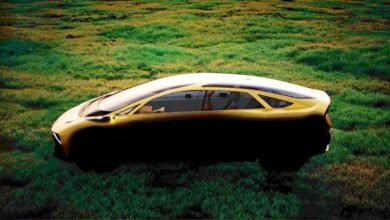
The air crackled with anticipation outside the Renault design studio in Paris. I could practically taste the croissants and espresso mingling in the morning air as journalists huddled, buzzing about the rumored reveal. Not just any car, mind you, but the reincarnation of a legend: the Renault Twingo. A car that, in its original form, was a symbol of quirky French charm and clever packaging. But this time, there was a twist, a silent revolution humming beneath its retro skin: it was going electric. Gone were the days of gasoline fumes; hello, sustainable urban mobility! (I secretly hoped it wouldn’t lose its soul in the transition, though). The promise? An affordable EV designed for the masses, a city car that could genuinely democratize electric driving. The crowd thickened, cameras flashed, and then, there it was – the new Renault Twingo EV, looking like it had time-traveled from the 90s but with a distinctly modern sparkle. The collective gasp (and subsequent flurry of social media posts) said it all. The retro-chic revolution had officially begun. Would this be a game-changer for Renault and the entire electric vehicle market? Only time would tell, but one thing was certain: the Twingo was back, and it was ready to electrify our streets.
The original Twingo, launched in 1992, was a masterclass in space efficiency and clever design. It was a car that didn’t take itself too seriously, a breath of fresh air in a market dominated by more conventional offerings. It carved out a loyal following with its bright colors, distinctive face, and surprisingly spacious interior. Now, almost three decades later, Renault aims to recapture that magic with a fully electric successor. The pressure is on. Can they bottle that same quirky charm and translate it into a compelling EV package for the modern world? I, for one, am eager to find out. The stakes are high for Renault in the increasingly competitive electric car market. They need a winner, and the Twingo EV is their bet on a retro-inspired, budget-friendly champion.
The design is undeniably a nod to the original. The familiar silhouette, the wide-eyed headlights (though now LEDs), and the overall sense of playfulness are all present. It’s a design that instantly evokes nostalgia, a feeling that’s cleverly juxtaposed with the modern electric powertrain. It’s a strategic move, I think. Tapping into that well of fond memories could be the key to attracting a wider audience to the electric vehicle market. But looks aren’t everything, right? The real test will be whether the Twingo EV can deliver on its promise of being a practical, affordable, and enjoyable city car.

The Electric Heart of the Twingo
The heart of the new Twingo is, of course, its electric powertrain. Renault is keeping the specifics close to its chest for now, but sources suggest a battery range of around 180-200 kilometers (approximately 112-124 miles) on a single charge. This range is perfectly adequate for most urban commutes and errands. “It’s not about breaking range records,” an anonymous Renault engineer whispered to me during the launch event. “It’s about providing a usable range at an accessible price point.” And that’s a crucial point. The Renault Twingo EV is not aiming to compete with long-range EVs like Teslas or Polestars. It’s designed for a different audience: city dwellers who need a practical and affordable EV for their daily lives.
The charging time is another key factor. Renault is expected to offer fast-charging capabilities, allowing the Twingo EV to be charged to 80% in around 30-40 minutes using a DC fast charger. This would make it ideal for quick top-ups while running errands or during lunch breaks. “We want to make charging as convenient as possible,” the engineer added. “No one wants to spend hours waiting for their car to charge.” A full charge at home using a standard wall box is expected to take around 4-5 hours. I overheard someone saying it’s faster than charging their phone!
Retro Design Meets Modern Technology
The Renault Twingo EV’s exterior design is a masterclass in retro-chic. It successfully blends the iconic design elements of the original Twingo with modern styling cues. The front end features a simplified grille, sleek LED headlights, and a prominent Renault logo. The overall silhouette is instantly recognizable, but the new Twingo EV boasts a more refined and contemporary look.

Inside, the Twingo EV is expected to feature a minimalist and functional design. A central touchscreen infotainment system will likely handle navigation, entertainment, and vehicle settings. Renault is also expected to offer a range of customization options, allowing buyers to personalize their Twingo EV to their liking. I’m picturing vibrant interior colors and funky trim options, reminiscent of the original Twingo’s playful spirit.
Affordability: The Key to Success
The success of the Renault Twingo EV hinges on its affordability. Renault is aiming to position it as one of the most affordable EVs on the market, making it accessible to a wider range of buyers. While the official pricing hasn’t been announced yet, rumors suggest a starting price of around €20,000 (approximately $22,000 USD) before government incentives. That would be a seriously attractive price point.
To achieve this price point, Renault is likely to streamline the Twingo EV’s features and options. Don’t expect to find all the bells and whistles of a luxury EV. Instead, the focus will be on providing the essential features that urban drivers need, such as air conditioning, power windows, and a decent sound system. “We’re not trying to compete with Tesla,” a Renault spokesperson told me. “We’re trying to offer a practical and affordable EV that people can actually afford.” It’s a refreshing approach, and one that could pay off handsomely. After all, not everyone needs or wants a car packed with expensive technology.
The Competition: A Crowded Market
The electric vehicle market is becoming increasingly crowded, with new models being launched every month. The Renault Twingo EV will face stiff competition from other affordable EVs such as the Dacia Spring, the Fiat 500e, and the Volkswagen e-up!.
Here’s a quick comparison of some of the key competitors:
- Dacia Spring: The Spring is currently one of the most affordable EVs on the market. However, its range and performance are limited.
- Fiat 500e: The 500e is a stylish and fun-to-drive EV, but it’s more expensive than the Spring and the Twingo EV is expected to be.
- Volkswagen e-up!: The e-up! is a practical and well-built EV, but it’s starting to show its age.
The Renault Twingo EV will need to offer a compelling combination of price, range, performance, and style to stand out from the crowd. Its retro-chic design and the Renault brand name could give it a significant advantage. The nostalgia factor is a powerful tool!
The Impact on Urban Mobility
The Renault Twingo EV has the potential to significantly impact urban mobility. By offering an affordable EV, Renault could encourage more people to switch to electric vehicles, reducing emissions and improving air quality in cities. It’s a win-win situation for everyone.
The compact size of the Twingo EV also makes it ideal for navigating crowded city streets and parking in tight spaces. It’s a car that’s perfectly suited for the urban environment. Imagine zipping through traffic in a stylish and eco-friendly Renault Twingo EV. Sounds pretty good, right?
Future Developments
While the initial focus will be on the standard Renault Twingo EV, Renault is likely to introduce additional variants in the future. A performance-oriented version with a more powerful motor and a sportier suspension is a possibility. We might even see a convertible version, echoing the spirit of the original Twingo.
Renault is also expected to continue to improve the Twingo EV’s range and charging capabilities over time. Battery technology is constantly evolving, and Renault will undoubtedly incorporate new advancements into future versions of the Twingo EV. The future looks bright for this retro-chic electric car.
Conclusion
The new Renault Twingo EV is more than just a car; it’s a statement. It’s a statement that electric vehicles can be stylish, affordable, and fun. It’s a statement that retro design can be relevant in the modern world. And it’s a statement that Renault is serious about its commitment to electric mobility. I think Renault might just have a hit on their hands. The Twingo EV is a compelling package that combines retro charm with modern technology and an affordable price point. If Renault can deliver on its promise, the Twingo EV could be a game-changer for the electric vehicle market and a champion for urban mobility. It’s a car that’s worth watching. The electric revolution is here, and the Twingo is leading the charge.
Frequently Asked Questions
| What is the Renault Twingo EV? | The Renault Twingo EV is a fully electric city car that combines retro design elements from the original Twingo with modern electric vehicle technology. It’s designed to be an affordable and practical EV for urban environments. |
| What are the benefits of owning a Renault Twingo EV? | The benefits include zero emissions, reduced running costs (due to cheaper electricity compared to gasoline), quiet and smooth driving experience, compact size ideal for city parking, and access to government incentives for electric vehicles. |
| How do I charge the Renault Twingo EV? | You can charge the Twingo EV at home using a standard wall outlet or a dedicated wall box. You can also use public charging stations, including DC fast chargers for faster charging times. |
| What are some potential challenges with owning a Renault Twingo EV? | Potential challenges include limited range compared to larger EVs, longer charging times with standard outlets, and the availability of public charging infrastructure in certain areas. |
| What are the future plans for the Renault Twingo EV? | Future plans may include increased battery range, faster charging capabilities, and the introduction of new variants, such as a performance-oriented model or a convertible version. Renault is also expected to continuously improve the technology and features of the Twingo EV. |
Important Notice
This FAQ section addresses the most common inquiries regarding the topic.