The Shifting Sands: What’s Driving the Reversal?
So, what exactly triggered this unprecedented migrant flow reversal? It’s not one single factor, but rather a confluence of powerful forces, both within Mexico and stemming from renewed pressure from the United States. It’s like a complex hydrological system where multiple dams are suddenly erected, or new channels are dug, altering the natural course of the water.
Mexico’s Stricter Stance: A Wall Within
One of the most significant drivers has been Mexico’s own increasingly stringent immigration policies and beefed-up border enforcement. For a long time, Mexico was often seen as a relatively porous transit country, but that perception is rapidly changing.
“The Mexican authorities are no longer just looking the other way,” shared Elena Rodriguez, a local aid worker in Tapachula, her voice heavy with concern. “We’re seeing the National Guard deployed in strength, not just on the northern border, but right here in Chiapas. They’re intercepting buses, stopping trains, and conducting patrols in areas that were once considered safe corridors.”
Indeed, the presence of the Mexican National Guard and agents from the National Institute of Migration (INM) has become far more visible and assertive. Checkpoints are more frequent and thorough, making it incredibly difficult for large groups of asylum seekers to move freely. Anecdotally, many migrants speak of being stopped repeatedly, sometimes even being extorted or detained.
Consider the story of Maria, a Venezuelan mother I spoke with, who was trying to reach the US with her two young children. “We made it to Oaxaca,” she recounted, tears welling in her eyes, “but then the bus was stopped. They sent us all the way back to Tapachula. It’s like they don’t want us to even start the journey north anymore.” Her experience isn’t isolated; it’s a common refrain among those stuck in the southern states. This internal “wall” within Mexico is a clear response to ongoing pressure from Washington, urging its southern neighbor to do more to stem the flow.
US Policy Changes: The Invisible Hand
Across the border, shifts in US immigration policy have also played a crucial, albeit indirect, role in this reversal. The expiration of policies like Title 42, which allowed for rapid expulsions, initially created an expectation of increased access, but this was quickly followed by new, stricter asylum rules and enforcement mechanisms.
“People heard Title 42 was over, and thought the gates would open,” explained Dr. Ben Carter, a migration expert from a Texas-based NGO. “But then came the new rules, the app to schedule appointments, the penalties for not using legal pathways. The message from the US became: ‘Don’t just show up at the border.’ This has a ripple effect all the way down to Central America and beyond.”
The perceived difficulty of claiming asylum at the US border, coupled with the real dangers of the journey, is leading some to reconsider. Smuggling networks, sensing the shift, are also adapting, sometimes instructing migrants to wait or find alternative routes, which often means delaying or even abandoning their northbound aspirations.
The Human Cost of a Stalled Journey
While a “reversal” might sound like an orderly process, on the ground, it translates into profound human suffering. This isn’t a neat U-turn; it’s a chaotic, heartbreaking pile-up.
Overwhelmed Shelters and Desperate Measures
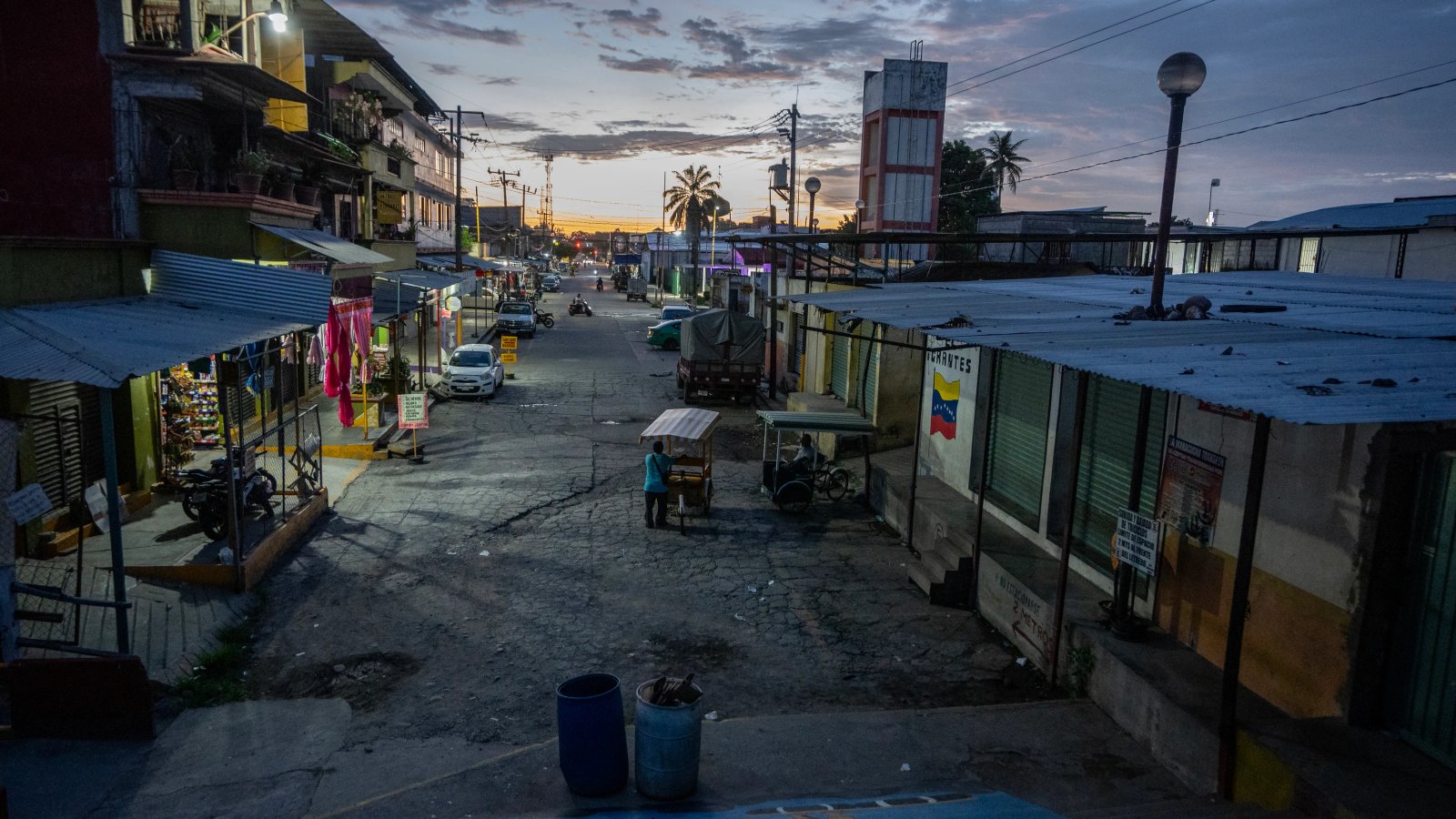
With the northbound flow stemmed, thousands of US-bound migrants find themselves stuck in cities like Tapachula. The migrant shelters, already stretched thin, are now beyond capacity. Imagine a small boat constantly taking on water, but with no way to bail it out. That’s what these shelters are facing.
“We have families sleeping on the floor, in hallways, even outside the gates,” said Father Alejandro, who runs a small, non-governmental shelter near the city center. “The resources are simply not there. Food, medical supplies, even clean water – everything is running out faster than we can replenish it. The heat, the lack of sanitation, it’s a recipe for a humanitarian crisis.”
This immense pressure has forced many to take desperate measures. Some are trying to apply for asylum in Mexico, a lengthy and often frustrating process that can trap them in administrative limbo for months, if not years. Others, disheartened, are contemplating returning to their home countries, a journey almost as perilous as the one they just made.
The Rise of Irregular Pathways
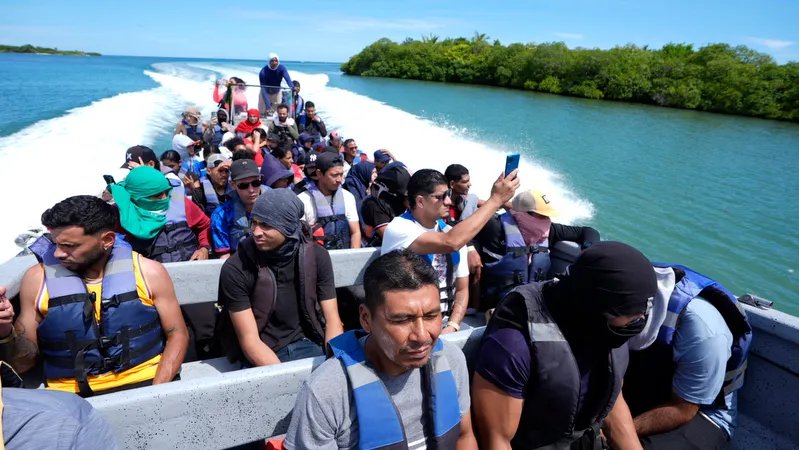
The reversal of the main flow doesn’t necessarily mean migration stops; it often means it goes further underground. When legal and semi-legal pathways are blocked, people turn to more dangerous, unregulated routes. This is where the criminal element, the human smugglers or “coyotes,” unfortunately thrive.
“The price for a ‘safe’ passage has gone up,” an anonymous source deeply familiar with smuggling routes told me, his voice a low whisper over the phone. “And ‘safe’ is a relative term. They’re taking people through more remote, more dangerous terrain, away from the checkpoints. The risk of violence, extortion, or abandonment is higher than ever.”
This shift underscores a grim reality: border enforcement, while seemingly effective in rerouting the primary flow, often pushes vulnerable individuals into even greater peril. It’s a cruel game of cat and mouse, with human lives hanging in the balance.
Economic Ripple Effects and Local Tensions
The presence of a large, stalled migrant population also creates significant economic factors and social tensions in southern Mexican cities.
Strain on Local Resources
Tapachula, for all its resilience, is not equipped to handle tens of thousands of long-term residents who have no legal status to work and few resources. The local economy, which once saw some benefit from migrant spending, is now burdened by the humanitarian needs.
“Our hospitals are overwhelmed,” commented a local doctor who preferred not to be named. “We’re seeing an increase in communicable diseases, malnutrition, and stress-related illnesses. The municipal services, like waste collection and water supply, are struggling to keep up with the sudden surge in population.”
Rising Local Resentment
While many Tapachulans are compassionate, the prolonged presence of a large, transient population can inevitably lead to friction. Competition for informal jobs, perceived strains on public services, and cultural differences can fuel resentment.
“We understand they are suffering,” said Roberto, a small shop owner, gesturing vaguely down the street. “But our city isn’t a refugee camp. Our schools are full, our streets are crowded. We need help too. It feels like we’re being forgotten, left to deal with a problem that isn’t entirely ours.”
This isn’t to say that all locals feel this way, but it underscores the very real challenges faced by communities on the front lines of migration flows. They are often caught between humanitarian impulses and the practicalities of daily life.
The Road Ahead: An Uncertain Future
The migrant flow reversal in southern Mexico is a potent reminder that migration is a dynamic, ever-evolving phenomenon. It’s not a static problem with a simple solution, but a complex web of economic disparities, political pressures, and individual human desires.
Questions for Policy Makers
This new reality raises critical questions for both Mexican and US policymakers. Is this reversal a sustainable solution, or merely a temporary redirection of pressure? What are the long-term impacts of bottling up thousands of people in impoverished border towns? Are the humanitarian costs acceptable?
The current approach, heavily reliant on enforcement, seems to be pushing the problem further south, rather than solving it. It highlights the urgent need for comprehensive, humane immigration reform that addresses the root causes of migration, creates safe and legal pathways, and supports the communities caught in the middle. Otherwise, we’re just playing whack-a-mole with human lives.
The Persistent Dream
Despite the formidable obstacles, the dream of a better life, the hope for safety and opportunity, remains a powerful force. Even with the reversal, people aren’t entirely giving up. They’re adapting, seeking new ways, or simply waiting for another opportunity.
I saw a young man, perhaps 19, sitting on a curb, meticulously mending a torn backpack. He looked tired, defeated even, but when I asked if he would still try to go north, he simply nodded, a flicker of resolve in his eyes. “My family depends on me,” he whispered. “I have to try. Someday.”
His words, echoing in the humid air of Tapachula, serve as a stark reminder that even as the flows reverse and policies harden, the human will to survive and thrive continues to push against the current. The story of migration is, ultimately, a story of hope, resilience, and the unyielding pursuit of a better tomorrow, no matter how many detours or reversals one might face. It’s a narrative that demands our attention, our empathy, and a genuine commitment to finding solutions that uphold human dignity.
Frequently Asked Questions
| What does the “reversal” of migrant flow in southern Mexico mean? | The “reversal” signifies a significant change where the traditional northward movement of US-bound migrants through southern Mexico has either drastically slowed, been halted, or in some cases, seen migrants return south. This is largely due to increased enforcement and policy shifts. |
| What are the main reasons behind this migrant flow reversal? | The primary reasons include stricter Mexican immigration policies and increased border enforcement, particularly the visible presence of the National Guard and INM agents in southern states like Chiapas. Additionally, new, more restrictive US border policies and asylum rules discourage direct entry. |
| How does this impact migrants stranded in southern Mexico? | Migrants are often left stranded in cities like Tapachula, leading to overcrowded shelters, strained local resources, and a humanitarian crisis. Many face prolonged stays in limbo, with limited access to basic necessities, and are forced to consider returning home or seeking dangerous irregular routes. |
| What are the challenges for local communities in southern Mexico due to this reversal? | Local communities face significant strain on public services such as healthcare, sanitation, and housing. There’s also increased competition for informal jobs and growing social tensions due to the prolonged presence of a large, vulnerable migrant population. |
| What are the long-term implications of this shift in migration patterns? | The long-term implications are complex, potentially leading to increased irregular migration through more dangerous routes, prolonged humanitarian crises in southern Mexican cities, and continued diplomatic pressure between Mexico and the US. It underscores the need for comprehensive, humane immigration reform. |
Important Notice
This FAQ section addresses the most common inquiries regarding the topic.