Tom Brady’s recent comments about Matthew Stafford’s potential longevity in the NFL have sparked considerable discussion, perhaps even raising an eyebrow or two in Kansas City. While seemingly a lighthearted endorsement of Stafford’s continued success, Brady’s prediction about Matthew Stafford’s retirement horizon – suggesting another eight years of play – carries significant weight coming from the arguably greatest quarterback of all time. This perceived endorsement of Stafford’s extended career, especially given the physical demands of the sport and the relatively short careers of most NFL players, inevitably invites comparisons and potentially adds pressure to other star quarterbacks like Patrick Mahomes. After all, the spectre of retirement looms for every player, and Brady’s words have a way of amplifying existing narratives.
The Context: Stafford’s Dominant Performance
The backdrop to Brady’s comments was a commanding performance by Matthew Stafford against the San Francisco 49ers. The Los Angeles Rams quarterback showcased his enduring skill and leadership, leading his team to a decisive victory. Stafford’s precision passing and astute decision-making were on full display, reminding everyone why he’s still considered a top-tier quarterback. The Rams’ offense, orchestrated by Stafford, moved with efficiency and power, leaving little doubt about their dominance on the field. The game served as a powerful statement that Stafford, even at 37, remains a force to be reckoned with.
The Rams’ offensive stars delivered a multifaceted attack, with Stafford playing the role of conductor. Kyren Williams’ dynamic running and receiving contributions, coupled with Blake Corum’s powerful runs, established a strong ground game. Wide receivers like Davante Adams and Puka Nacua proved to be reliable targets, consistently making crucial catches and finding the end zone. This collective effort highlighted the Rams’ offensive depth and their ability to exploit various defensive weaknesses. Stafford’s leadership and ability to distribute the ball effectively were instrumental in the team’s success.
Stafford’s Performance Breakdown
- Completions: 24
- Passing Yards: 280
- Touchdowns: 4
These statistics underscore Stafford’s efficiency and impact on the game. His ability to make accurate throws under pressure and his command of the offense were key factors in the Rams’ victory. Furthermore, this performance solidified his position as a quarterback who can still lead a team to championship contention. The Rams’ coaching staff has also played a vital role in maximizing Stafford’s strengths, designing an offensive scheme that caters to his skill set and allows him to make plays.
Brady’s Prediction: A Vote of Confidence?
Brady’s statement – “You’re only 37, you got at least another 8 years to play so, I can’t wait to watch all of them” – can be interpreted in several ways. On one hand, it’s a clear vote of confidence in Stafford’s ability to maintain a high level of play for years to come. Brady, having experienced longevity himself, understands the dedication and skill required to succeed in the NFL for an extended period. His words suggest that he sees those qualities in Stafford. However, this seemingly innocuous comment may have wider implications.
The suggestion that Stafford could play until 45 is a bold one, considering the physical toll the game takes on quarterbacks. While Brady himself played until 45, his case is exceptional. Most quarterbacks see a decline in performance well before that age. Brady’s prediction may have been more about highlighting Stafford’s current form and resilience than making a concrete forecast. However, the comment resonates due to Brady’s own remarkable career and his deep understanding of the game. He also knows the challenge of maintaining peak performance as age increases, as discussed in detail in articles about connectivity and safety, which are important aspects of a player’s life on and off the field.
The Pressure on Other Quarterbacks
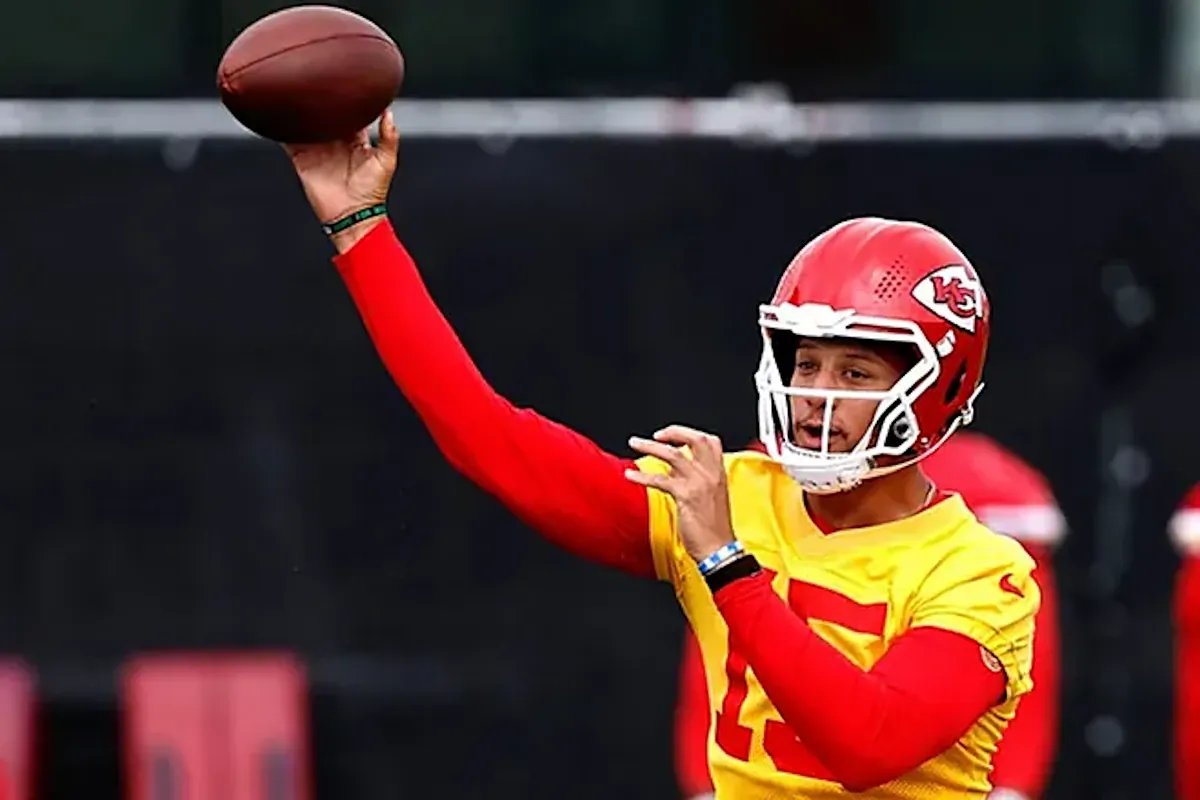
Brady’s words, while directed at Stafford, inevitably put other quarterbacks under the microscope. Patrick Mahomes, for example, is often compared to Brady as a potential heir to the “GOAT” title. While Mahomes is younger than Stafford, the expectation for him to maintain a similar level of performance for an equally long career is now subtly amplified. The spotlight on Mahomes’ future and his ability to avoid injuries, maintain peak fitness, and continue evolving his game intensifies. The pressure to emulate Brady’s longevity adds another layer to the already significant expectations surrounding Mahomes.
The comparison between Mahomes and Brady is not new, but Brady’s comment about Stafford adds a fresh dimension. It raises questions about how long Mahomes can sustain his exceptional level of play and whether he can match or surpass Brady’s achievements. While Mahomes has already accomplished a great deal, the bar has been raised even higher by Brady’s words. This adds to the ongoing debate about the greatest quarterbacks of all time and the legacy that Mahomes is building.
Mahomes’ Perspective: Is There Cause for Concern?
It’s difficult to say definitively whether Brady’s prediction genuinely unsettles Patrick Mahomes. Mahomes is known for his confidence and competitive spirit. He thrives under pressure and has consistently exceeded expectations throughout his career. However, even the most self-assured athletes are aware of the inevitable passage of time and the challenges of maintaining peak performance in a physically demanding sport. Brady’s comments might serve as a reminder of the long road ahead and the constant need to adapt and evolve.
Mahomes’ playing style, while dynamic and exciting, also involves a degree of risk. His tendency to extend plays and make throws from unconventional angles increases his exposure to hits. While he has proven to be remarkably durable thus far, the cumulative effect of these hits could eventually take a toll. Mahomes and the Chiefs’ organization must prioritize injury prevention and long-term health to ensure he can enjoy a long and successful career. The Chiefs’ collapse in certain games, as explored in articles about team performance, underscores the need for consistent effort and strategic planning to sustain success over time.
Factors Influencing Quarterback Longevity
Several factors contribute to a quarterback’s longevity in the NFL:
- Physical Health and Injury Prevention: Maintaining peak physical condition and minimizing the risk of injury are paramount.
- Adaptability and Evolution: The ability to adapt to changing defenses and offensive schemes is crucial for sustained success.
- Team Support and Offensive Line Protection: A strong supporting cast and reliable offensive line protection are essential for a quarterback’s well-being and performance.
- Mental Fortitude and Leadership: The mental strength to handle pressure and the leadership skills to inspire teammates are vital for a long and successful career.
- Coaching and Offensive Scheme: A coaching staff that understands a quarterback’s strengths and designs an offensive scheme that maximizes those strengths can significantly extend their career.
The Broader Implications for the NFL
Brady’s comments extend beyond the individual careers of Stafford and Mahomes. They touch upon the broader topic of player longevity in the NFL and the evolving understanding of how to prolong careers in a physically demanding sport. Advancements in training, nutrition, and medical care have enabled some players to extend their careers beyond what was previously thought possible. However, the inherent risks of the game remain, and the challenge of maintaining peak performance over an extended period is significant.
The NFL is constantly evolving, with teams seeking new ways to maximize player performance and minimize injury risk. This includes innovative training techniques, advanced data analytics, and personalized medical care. The league also faces ongoing discussions about player safety and rule changes aimed at reducing the risk of concussions and other injuries. The future of the NFL will likely see a greater emphasis on player well-being and the development of strategies to extend careers while preserving player health.
The discussion around player longevity also ties into the broader conversation about the future of the game. As the league evolves, it’s crucial to consider the long-term impact of rule changes, training methods, and player health initiatives. By prioritizing player well-being, the NFL can ensure a sustainable future for the sport and allow its stars to shine for years to come. The anticipation for the next season of shows like “Outlander,” which requires its actors to maintain peak physical condition, mirrors the demands placed on NFL players.
Alternative Titles
Here are two
In conclusion, Tom Brady’s prediction about Matthew Stafford’s potential longevity has ignited a fascinating discussion about the future of quarterbacks in the NFL. While the comment may have been lighthearted, it raises important questions about the factors that contribute to a long and successful career and the pressures faced by quarterbacks like Patrick Mahomes to emulate the achievements of legends like Brady. As the league continues to evolve, the emphasis on player well-being and the development of strategies to extend careers will become increasingly important. The constant news cycle about the next generation of iPhones, as detailed in reports about iPhone Air delays, mirrors the constant pressure on NFL players to perform at their peak and adapt to new challenges.
The NFL is also facing challenges that can affect the game experience for fans, from game rules to safety, and even the potential for political protests as seen in articles covering protests. All these factors are important for the success of the league. And with Nissan possibly reviving a beloved sports car, as described in reports about a new Silvia, the excitement and anticipation surrounding the NFL season is similar.
The conversation about quarterback longevity will undoubtedly continue, fueled by the remarkable achievements of players like Brady and the ongoing efforts to improve player safety and extend careers. Whether Stafford can play until 45 remains to be seen, but his performance and Brady’s endorsement suggest that he has the potential to continue playing at a high level for years to come. The comparison with Mahomes also reminds us that the challenge is not just about playing for a long time, but about maintaining peak performance and building a lasting legacy. Just like Toyota is focusing on reliable workhorses like the 2026 Toyota Hilux, NFL teams need reliable quarterbacks to achieve long-term success.
Only time will tell what the future holds, but one thing is certain: the debate about quarterback longevity and the pursuit of greatness will continue to captivate fans and shape the narrative of the NFL for years to come. The key is to balance performance with longevity, and this is something that all players and organizations must strive for. This balance will ensure the continued success and excitement of the sport for generations to come.