The Mile High Meltdown: A Closer Look at the Denver Debacle
The game against the Denver Broncos wasn’t just a loss; it was a surrender. From the opening kickoff, it felt like the Raiders were playing a different sport, or perhaps, simply going through the motions. The offense was stagnant, predictable, and utterly devoid of imagination. Quarterback play was erratic, with crucial throws sailing wide or short, and the offensive line looked porous, allowing pressure to collapse pockets with alarming regularity. My heart just sank watching that game unfold. You could almost feel the collective groan from the fan base across the country as each drive sputtered, each penalty compounded their woes, and the scoreboard relentlessly ticked upwards for the Broncos.
“It was like watching a slow-motion car crash,” remarked Sarah Jenkins, a lifelong Raiders fan from Fresno, her voice thick with disappointment. “Every time we thought we might get something going, it just fell apart. No energy, no fight. It’s soul-crushing.”
The defense, often praised for its occasional flashes of brilliance, was equally complicit. Gaps appeared in run defense, allowing the Broncos to chew up yardage on the ground, and critical third-down conversions were given up with frustrating ease. It felt like a team that had lost its identity, its will, and its direction. This wasn’t just a bad day at the office; it seemed to be symptomatic of a deeper rot within the organization. The Denver disaster served as a painful, public referendum on where the Las Vegas Raiders currently stand in the NFL pecking order, which, unfortunately for their loyal fans, is dangerously close to the bottom.
Brady’s Foresight: Dodging the Raiders’ Bullet
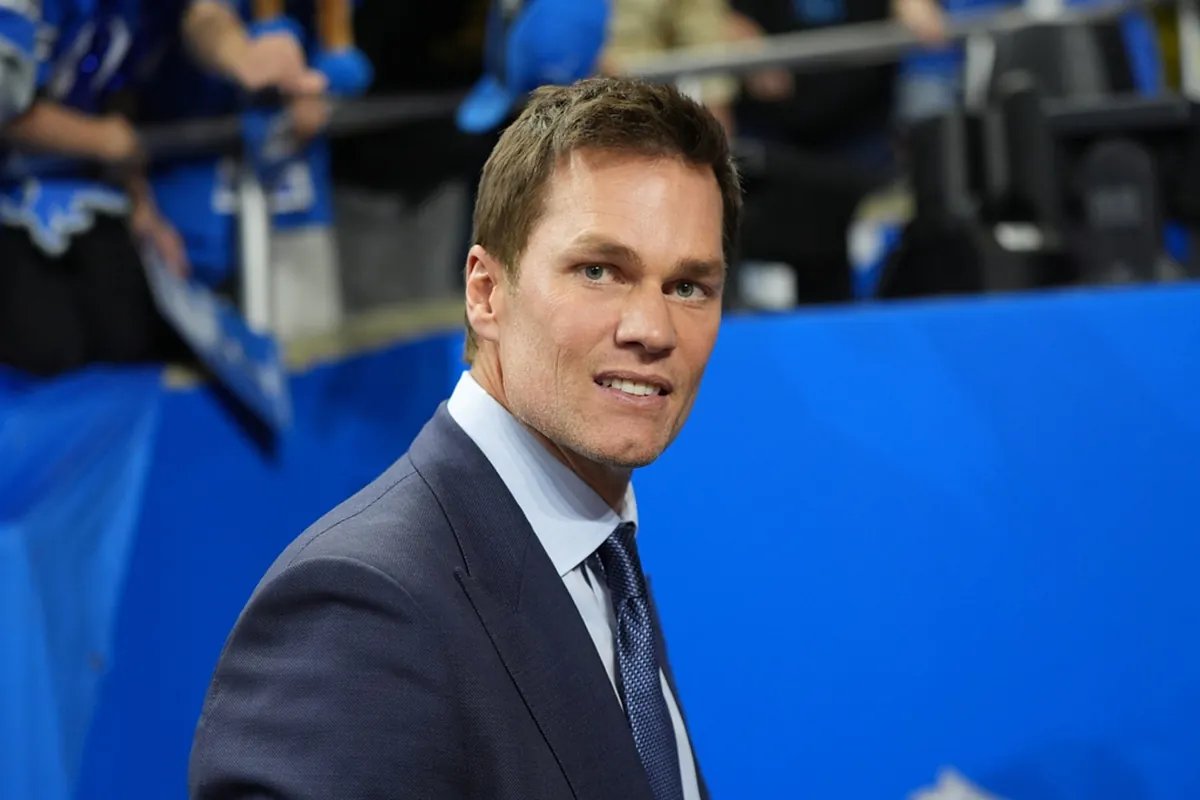
Imagine the sigh of relief Tom Brady must have let out. For a brief, tantalizing period, it seemed almost certain that the greatest quarterback of all time would transition from player to significant stakeholder in the Las Vegas Raiders. Reports swirled about his discussions with owner Mark Davis regarding a minority ownership stake, potentially even a role in football operations. The idea of Brady, the ultimate winner, bringing his unparalleled competitive drive and strategic brilliance to a franchise starved for success was a dream scenario for many. It truly felt like a game-changer for the NFL landscape.
However, as time wore on, the deal never quite materialized in the way many expected. Details emerged about complexities surrounding the valuation of the stake, the specific role Brady would play, and the approval process required by the league. While the door isn’t entirely closed on future involvement, the immediate impact of his absence is stark. He hasn’t had to endure the weekly torment of watching a team he invested in financially (and emotionally) stumble through a series of demoralizing performances.
“Look, Brady is a smart man,” stated veteran sports journalist Mike Carlson on a recent podcast. “He didn’t get where he is by making rash decisions. Whatever he saw, whatever concerns he had, he clearly felt they weren’t being adequately addressed. And frankly, watching this team, who can blame him? He might have just saved himself a lot of headaches and a considerable hit to his post-playing reputation.”
This isn’t to say Brady would have instantly fixed everything. One man, even a legend, cannot single-handedly alter the trajectory of an entire organization overnight. But his presence, his name, and his influence would have brought a level of gravitas and expectation that the current setup clearly lacks. His decision to remain largely on the sidelines, at least for now, looks increasingly prescient as the Raiders continue their descent.
The Raiders’ Relentless Slide: A Disappointing Pattern
The Denver debacle wasn’t an isolated incident; it was the latest chapter in a disheartening saga that has seen the Raiders consistently underperform relative to their talent and expectations. Year after year, fans cling to the hope that “this is the year” things will turn around, only to be met with the same frustrating results. The team’s record over the past two decades paints a grim picture, a testament to a cycle of mediocrity that seems incredibly difficult to break.
Coaching Carousel and Quarterback Quandaries
A significant part of the problem lies in the incessant merry-go-round of head coaches and quarterbacks. Since Jon Gruden’s initial departure, the Raiders have had ten different head coaches (including interims). This lack of stability at the top trickles down, preventing the establishment of a consistent culture or philosophy. Players are constantly learning new systems, adapting to new leadership styles, and trying to find their footing. It’s a recipe for disjointed play and a lack of cohesion.
Similarly, the quarterback position has been a constant question mark. While there have been flashes of brilliance, the team has struggled to find that long-term, franchise-defining signal-caller who can consistently elevate the play of those around him. This instability at the most critical position in football directly impacts offensive consistency and overall team performance.
Roster Construction and Player Development
While the Raiders have certainly invested in high-profile talent, particularly on offense, the overall roster construction often feels unbalanced. There are pockets of immense skill, but a lack of depth in crucial areas, especially along the offensive and defensive lines, often gets exposed against stronger opponents. Furthermore, player development, especially for draft picks, has been inconsistent. Many highly touted prospects either fail to live up to expectations or struggle to integrate effectively into the team’s scheme.
“We have talent, no doubt,” an anonymous team source confided recently, speaking under the condition of anonymity due to sensitivity of the topic. “But it feels like we’re always trying to fit square pegs into round holes. And the coaching changes don’t help. Just when a guy starts to get comfortable, there’s a new voice, a new system. It’s hard to build anything cohesive that way.”
Ownership Under Scrutiny: The Mark Davis Factor
The buck ultimately stops with ownership. Mark Davis, inheriting the team from his legendary father Al Davis, has faced increasing scrutiny over the team’s persistent struggles. While he oversaw the massive relocation to Las Vegas and the construction of Allegiant Stadium – a truly magnificent venue – the on-field product has failed to match the off-field glitz.
Critics point to a perceived lack of experienced football personnel in key decision-making roles, leading to what some describe as an insular and reactive approach to team building. The frequent coaching changes, often followed by significant financial commitments, suggest a search for a quick fix rather than a patient, methodical rebuild. This constant churn creates an environment of uncertainty, which is hardly conducive to sustained success in the intensely competitive NFL.
“I think the biggest issue is that there’s no clear football vision,” argued longtime sports analyst Bob Thompson on his local radio show. “They’re chasing names, chasing headlines, instead of building a proper foundation. And when you have that kind of instability at the top, it infects everything else. Players see it, coaches see it, and ultimately, the results on the field reflect it.”
This instability at the top is precisely the kind of environment a meticulous, strategic mind like Tom Brady would likely scrutinize intensely before committing to a significant role. His career was built on precision, planning, and a clear, unwavering vision for winning. The current Raiders landscape seems to offer the opposite.
Fan Frustration and the Looming Question of Another Lost Season
For the dedicated Raider Nation, the current state of affairs is nothing short of heartbreaking. They’ve followed this team through thick and thin, across cities, and through decades of ups and downs. The move to Las Vegas was supposed to usher in a new era of success, a fresh start for a storied franchise. Instead, it feels like a continuation of the same old problems, just in a more glamorous setting. The energy and excitement that once permeated every Raiders game now feel muted, replaced by a growing sense of weariness and resignation.
The chants of “Raiders!” at Allegiant Stadium are still loud, but the underlying sentiment seems to be shifting from hope to a grim determination to simply endure. Another lost season is not just a possibility; it’s rapidly becoming an unfortunate reality. The playoffs seem like a distant dream, and the focus is already shifting to draft positioning and what changes might come in the offseason.
What Needs to Change?
Turning the tide for the Raiders will require more than just a single player or coach. It demands a fundamental reevaluation of the organizational structure, a clear football philosophy, and a commitment to long-term stability. This includes:
- A Stable Coaching Staff: Find the right head coach and give them time to implement their vision.
- Consistent Quarterback Play: Whether through development or acquisition, solidify the most important position.
- Balanced Roster Construction: Prioritize depth and strength in the trenches.
- Clear Chain of Command: Define roles and responsibilities within the football operations to avoid conflicting strategies.
- Patience: Rome wasn’t built in a day, and neither is a Super Bowl contender.
Without these fundamental shifts, the Raiders will continue to drift, and legends like Tom Brady will continue to look on from afar, grateful they weren’t pulled into the vortex.
Conclusion: The Road Ahead for the Silver and Black
The Denver disaster was a microcosm of the Raiders’ current struggles, a stark reminder of how far this proud franchise has fallen from its dominant past. Tom Brady skips Denver disaster isn’t just a catchy phrase; it’s a testament to the organizational challenges that exist within the Raiders. For Mark Davis and the entire organization, the road ahead is long and fraught with critical decisions. The loyal fanbase deserves better than a constant cycle of disappointment and fleeting hope. It’s time for a genuine, comprehensive strategy to restore the Silver and Black to its rightful place among the NFL’s elite, rather than continuing to slide toward another lost season. The question isn’t just about winning games; it’s about reclaiming an identity, a purpose, and a culture of sustained success. Until then, the shadow of missed opportunities and avoided disasters will continue to loom large over Las Vegas.
Frequently Asked Questions
| Why is Tom Brady’s absence from the Raiders considered a ‘skipped disaster’? | Tom Brady’s potential involvement with the Las Vegas Raiders, whether as a minority owner or in a front-office role, would have tied him to the franchise’s ongoing struggles. Given the team’s consistent underperformance, including recent demoralizing losses like the ‘Denver disaster’, his decision not to fully commit to the Raiders at this time has allowed him to avoid being directly associated with a team sliding toward another lost season, thus preserving his pristine winning legacy. |
| What are the potential long-term benefits for Tom Brady by not joining the Raiders? | By not fully joining the Raiders, Tom Brady avoids immediate reputational risk associated with a struggling organization. He preserves his credibility as a winner and a shrewd decision-maker. This allows him to carefully evaluate future opportunities that align with his high standards for success, potentially pursuing ventures where his influence can more directly lead to positive outcomes without being bogged down by existing systemic issues. |
| How have the Raiders’ recent decisions contributed to their current struggles? | The Raiders’ struggles can be attributed to a combination of factors, including frequent changes in coaching staff and quarterback leadership, which prevent the establishment of a consistent team culture or offensive/defensive philosophy. Additionally, an imbalanced roster construction, inconsistent player development, and questions surrounding the strategic vision of ownership have all contributed to their continuous underperformance and their slide toward another lost season. |
| What significant challenges do the Las Vegas Raiders face in turning their season around? | The Raiders face significant challenges, including a lack of consistent quarterback play, defensive vulnerabilities, and a general absence of in-game adjustments that suggest a clear strategic direction. Overcoming these issues requires immediate improvements in coaching, player execution, and potentially a re-evaluation of personnel to address fundamental weaknesses across the roster, especially in key positions like offensive and defensive lines. |
| What does the future hold for the Raiders organization, and what changes are anticipated? | The future for the Raiders organization likely involves critical decisions regarding coaching staff, quarterback position, and potentially the overall football operations leadership. Anticipated changes could include another coaching change, a search for a new franchise quarterback, and a renewed focus on building a more balanced and deep roster. For sustained success, the organization needs to establish a long-term football philosophy and commit to stability and patient development rather than seeking quick fixes. |
Important Notice
This FAQ section addresses the most common inquiries regarding the topic.