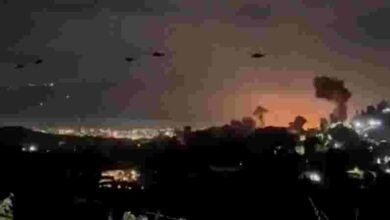
The morning air, usually thick with the scent of tropical flowers and the distant rumble of market activity, was shattered without warning. A deafening boom, then another, echoed across the dense jungle that delineates the often-tense border between Thailand and Cambodia. Residents near the village of Phu Mak Kham, a stone’s throw from the ancient Preah Vihear temple, described a sudden, terrifying shift from routine to chaos as artillery shells began to land. (Can you imagine the sheer terror? One moment you’re brewing your coffee, the next, the ground is shaking beneath you.) This wasn’t just a skirmish; this was a deliberate and alarming act: Thailand launches strikes along disputed border with Cambodia, igniting fears of a wider conflict in a region already grappling with complex geopolitical dynamics. The immediate aftermath saw families scrambling for cover, their faces etched with a mixture of disbelief and panic. It’s a stark reminder of how quickly peace can unravel, especially in areas where historical grievances simmer just beneath the surface. This latest escalation focuses renewed international attention on the long-standing Thailand Cambodia border dispute, a territorial quarrel that has repeatedly flared up over the decades, centered around ownership of land adjacent to the magnificent 11th-century Khmer temple. The sound of explosions carried far, a grim soundtrack to the rising regional tensions, forcing us all to confront the precarious nature of stability.
The Dawn of Conflict: Eyewitness Accounts and Immediate Fallout
The initial barrage hit just as the sun was starting its climb, painting the sky in fiery hues that tragically mirrored the unfolding events on the ground. “It sounded like thunder, but a thousand times louder,” recounted Somsak Preecha, a farmer whose fields lie perilously close to the disputed zone. He spoke with a tremor in his voice, his eyes wide as he described the frantic dash for safety. “We just grabbed our children and ran. There was no time to think, just to move.” This wasn’t a drill; this was real, a sudden eruption of hostilities that caught many by surprise. The Thai military confirmed the operation, stating their actions were a response to “provocations” from Cambodian forces who they claimed had encroached upon Thai territory. (A familiar narrative, isn’t it? Each side pointing fingers, each claiming self-defense.) However, Cambodian officials vehemently denied any such aggression, accusing Thailand of unprovoked and excessive force.
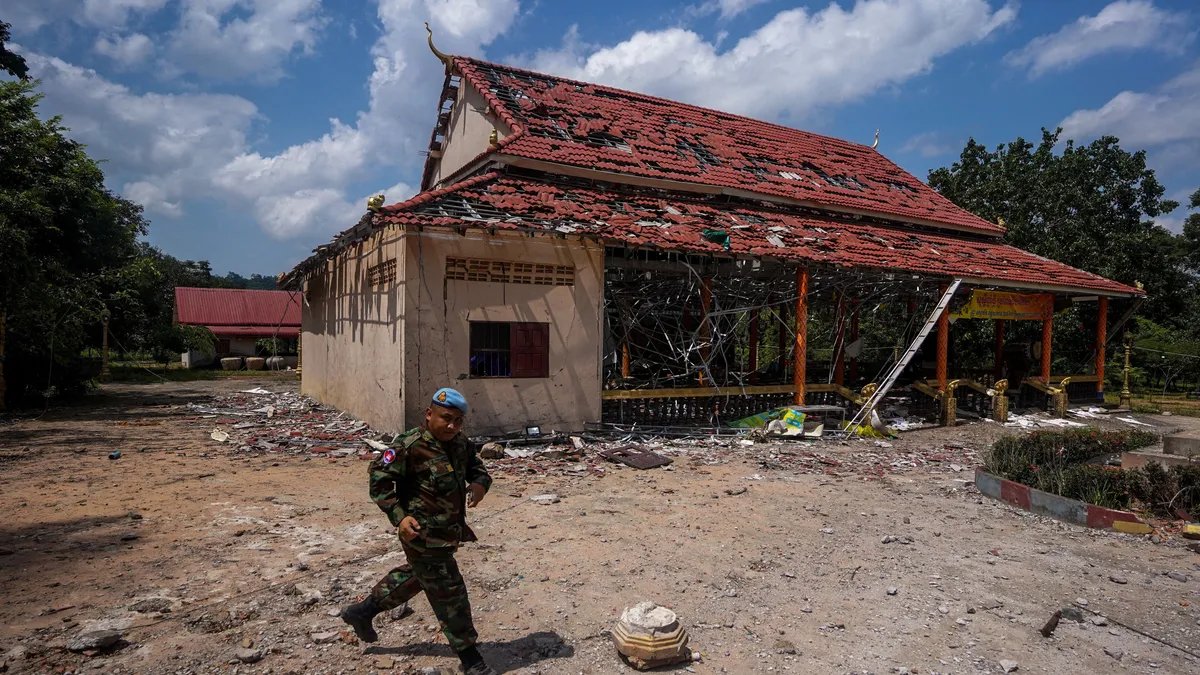
Villages on both sides of the frontier quickly transformed into evacuation zones. Makeshift shelters sprang up in temples and schools further inland, offering temporary respite but little comfort. Reports started filtering in of civilian casualties, though numbers remained unconfirmed amidst the chaos. One aid worker, who wished to remain anonymous for security reasons, shared a heartbreaking anecdote: “I saw a woman clutching a small wooden doll, her only possession, as she fled with her family. The look in her eyes… it was pure terror, mixed with a deep sadness for everything she was leaving behind.” It’s these personal stories that truly underscore the human cost of any military conflict, far beyond the geopolitical headlines. The sounds of distant shelling continued intermittently through the day, a constant, unsettling reminder of the fragile peace that once existed.
A Legacy of Contention: The Preah Vihear Temple and Border Disputes
To truly grasp the gravity of this situation, we must delve into the historical roots of the Thailand Cambodia border dispute. This isn’t a new quarrel; it’s a centuries-old disagreement, magnified by modern nationalism and strategic interests. At its heart lies the ancient Preah Vihear temple, a magnificent Khmer Hindu temple perched atop a cliff in the Dongrek Mountains. While the International Court of Justice (ICJ) ruled in 1962 that the temple itself belongs to Cambodia, the exact demarcation of the surrounding land, particularly a 4.6-square-kilometer area, has remained a bitter point of contention.
Imagine two neighbors arguing over a property line that runs right through a historical landmark everyone wants a piece of. That’s essentially the situation here, but on a national scale with real lives at stake. The temple’s strategic location offers a commanding view of the plains below, making it militarily significant in addition to its immense cultural value. Numerous clashes have erupted over the years, most notably in 2008 and 2011, resulting in dozens of deaths and thousands displaced. Each incident reignites old wounds and deepens mistrust. It’s a cycle that seems incredibly difficult to break, despite numerous attempts at negotiation and demarcation. The current cross-border shelling is just the latest, and perhaps most concerning, chapter in this long and arduous saga.
International Appeals and Diplomatic Hurdles
News of the strikes sent ripples of concern across the international community. Regional bodies like ASEAN (Association of Southeast Asian Nations) were quick to issue statements, urging both nations to exercise maximum restraint and seek a peaceful resolution through dialogue. (It’s the standard diplomatic playbook, of course, but you have to wonder how much real influence it has when tempers flare.) The United Nations also called for an immediate cessation of hostilities, emphasizing the potential for destabilization in an already delicate region.
“We are deeply troubled by the reports of military action along the Thai-Cambodian border,” stated a spokesperson for the UN Secretary-General. “All parties must prioritize the safety of civilians and engage in constructive dialogue to de-escalate this dangerous situation.” However, diplomatic efforts in the past have often proven slow and complex, bogged down by deeply entrenched national pride and differing interpretations of historical maps and treaties. The challenge lies in finding a solution that both countries can accept without feeling they have conceded too much. Each side is acutely aware of how public perception at home can influence political stability.
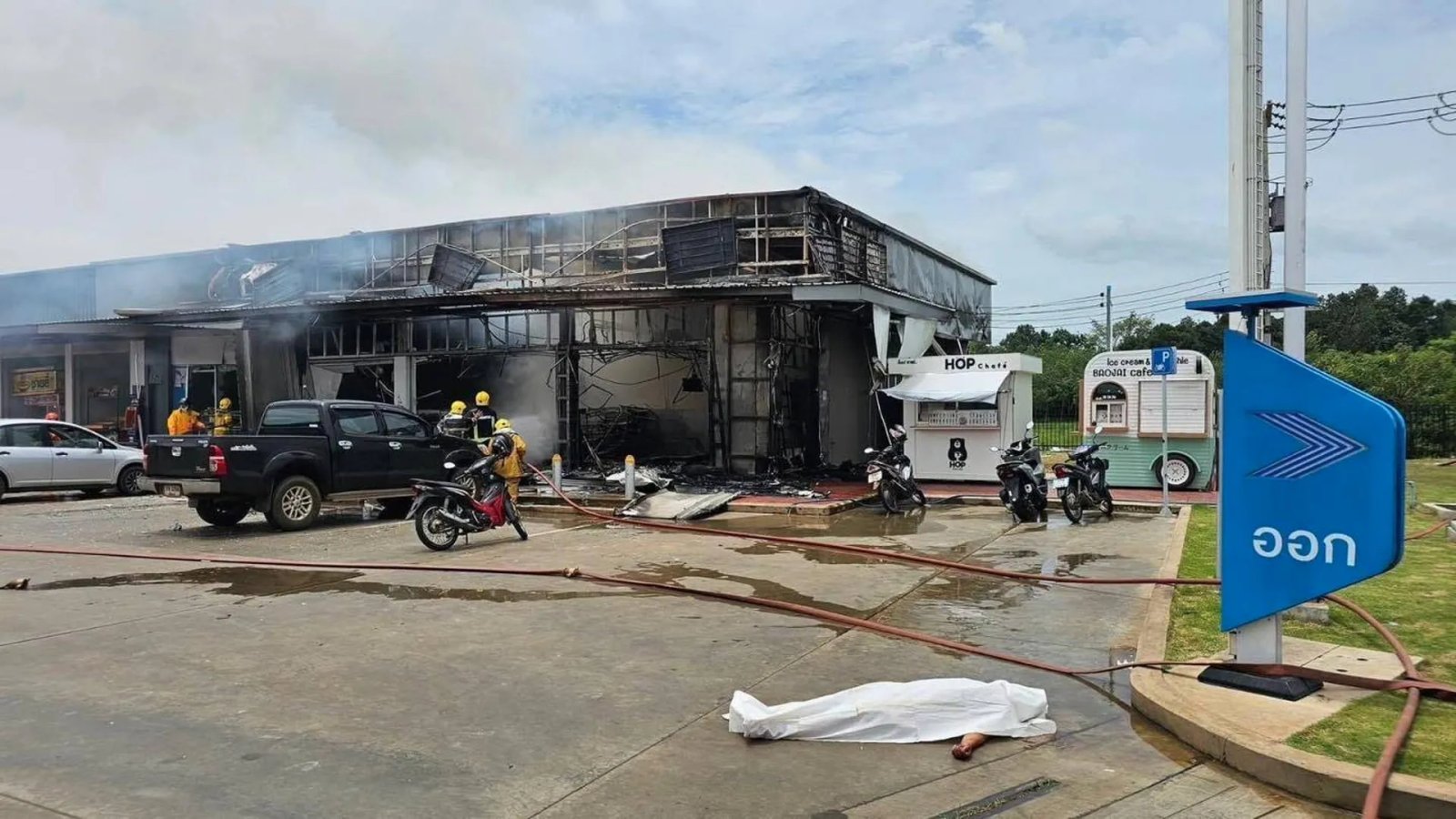
A senior diplomat, speaking off the record, expressed frustration: “It’s like watching a recurring nightmare. The same issues, the same rhetoric, and sadly, the same human suffering. We try to mediate, to bring them to the table, but trust is a fragile thing, easily broken by a single shell.” The international community’s role is often limited to condemnation and encouragement, lacking the direct enforcement power to compel peace, especially when sovereign nations are involved. The world watches, holding its breath, hoping this current flare-up doesn’t spiral out of control.
Conflicting Narratives: Thailand’s Justification and Cambodia’s Denials
The core of the current crisis lies in the conflicting accounts provided by Bangkok and Phnom Penh. The Thai military maintains that their strikes were a necessary defensive measure. According to General Panya Rittiprasong, a spokesperson for the Royal Thai Army, “Our intelligence indicated a clear encroachment by Cambodian forces into our sovereign territory. We repeatedly warned them. Our actions were proportionate and aimed solely at dislodging the intruders and securing our border.” He stressed that Thailand’s military action was not an act of aggression but a protection of national integrity.
Conversely, Cambodia paints a dramatically different picture. Cambodian government spokesman, Meas Sarath, condemned the Thai strikes as an “act of blatant aggression” and a violation of Cambodia’s sovereignty. “Our forces were operating well within our internationally recognized boundaries,” he asserted, his voice firm with indignation during a press conference. “There was no provocation from our side. This is an unprovoked attack, causing fear and displacement among our people.” He called on the international community to hold Thailand accountable for its actions and urged immediate de-escalation. These fundamentally opposing viewpoints make finding common ground incredibly challenging, almost like two people witnessing the exact same event but describing entirely different realities.
The stakes are high. Any further escalation could have dire consequences, not just for the immediate border communities but for the broader Southeast Asia security landscape. A full-blown military conflict between two ASEAN members would be a devastating blow to regional stability and cooperation, setting back years of diplomatic progress.
The Human Toll and Broader Implications for Southeast Asia
Beyond the political rhetoric and military posturing, it’s the ordinary people who bear the heaviest burden. Families have been displaced, their livelihoods disrupted, and their sense of security shattered. The border regions, usually vibrant hubs of cross-border trade and cultural exchange, have become ghost towns, eerie and silent save for the distant echoes of conflict. Farmers can’t tend their fields, vendors can’t sell their goods, and children can’t go to school. “My children cry at night,” whispered a Cambodian mother named Sophea, clutching her infant tightly. “They don’t understand why we had to leave our home. All they know is the fear.”
The economic impact is also significant. Border checkpoints, crucial for the flow of goods and people, have been closed or are operating under severe restrictions. This disruption affects local economies reliant on cross-border trade, hurting small businesses and daily wage earners on both sides. Moreover, a protracted conflict could deter foreign investment and tourism, vital sectors for both Thailand and Cambodia. The region thrives on stability; even minor disruptions can have a cascading effect.
This latest flare-up serves as a stark reminder that even ancient disputes, if left unresolved, can explode into modern crises. The path forward requires more than just calls for restraint; it demands genuine commitment from both nations to revisit the negotiating table with an open mind and a willingness to compromise. It’s a long shot, perhaps, but the alternative – continued cycles of violence and instability – is simply too grim to contemplate. The future of Cambodia-Thailand relations hangs precariously in the balance, a situation that demands urgent and sustained diplomatic attention.
Conclusion: A Fragile Peace, A Persistent Challenge
The recent launch of strikes along the disputed border with Cambodia by Thailand is more than just a military incident; it’s a profound disturbance to the fragile peace of Southeast Asia. It underscores the enduring challenge of resolving historical territorial disputes, especially when intertwined with national identity and strategic interests. As shells fall and families flee, the human cost becomes painfully clear, reminding us that behind every political headline are real people experiencing unimaginable hardship.
The international community has voiced its concern, urging de-escalation and dialogue, but the onus ultimately falls on Bangkok and Phnom Penh to find a sustainable path forward. Will this latest escalation lead to a renewed, earnest effort towards a lasting resolution, or will it merely add another scar to the already contentious relationship? Only time will tell. What is certain is that without a genuine commitment to peace and a willingness to compromise, the specter of conflict will continue to loom large over the ancient lands surrounding the Preah Vihear temple, threatening the lives and livelihoods of those who call this beautiful, yet tragically divided, border home. It’s a situation that truly pulls at your heartstrings, leaving you wondering when – or if – true peace will ever come to this contested land.
Frequently Asked Questions
| What prompted Thailand to launch strikes along the disputed border with Cambodia? | Thailand stated its military actions were a response to alleged encroachments by Cambodian forces into Thai territory, claiming their strikes were defensive and proportionate to secure the border. Cambodia, however, denies any provocation and condemns the strikes as unprovoked aggression. |
| What are the main benefits of resolving the Thailand-Cambodia border dispute? | Resolving the dispute would bring long-term stability and peace to the border regions, allowing communities to thrive without fear of conflict. It would foster stronger bilateral relations, boost cross-border trade and tourism, and enhance regional security and cooperation within ASEAN, attracting more foreign investment to both nations. |
| How has the international community reacted to the recent border strikes? | The international community, including ASEAN and the United Nations, has expressed deep concern over the escalation. They have urged both Thailand and Cambodia to exercise maximum restraint, cease hostilities immediately, and seek a peaceful resolution through constructive dialogue and negotiation. |
| What are the primary challenges in resolving the border dispute between Thailand and Cambodia? | Key challenges include deeply entrenched nationalistic sentiments, differing interpretations of historical maps and treaties (especially concerning the Preah Vihear temple area), lack of mutual trust, and the political implications of any perceived concessions by either government to their respective domestic audiences. |
| What are the potential future implications of this military escalation for Southeast Asia? | Further military escalation could severely destabilize regional security, undermine ASEAN’s credibility as a peace-keeping body, disrupt economic ties and trade, and lead to humanitarian crises with increased displacement of civilians. It could also deter foreign investment and tourism, impacting the economic growth of the entire region. |
Important Notice
This FAQ section addresses the most common inquiries regarding the topic.