Texas Sues Roblox: Child Safety Concerns Explode
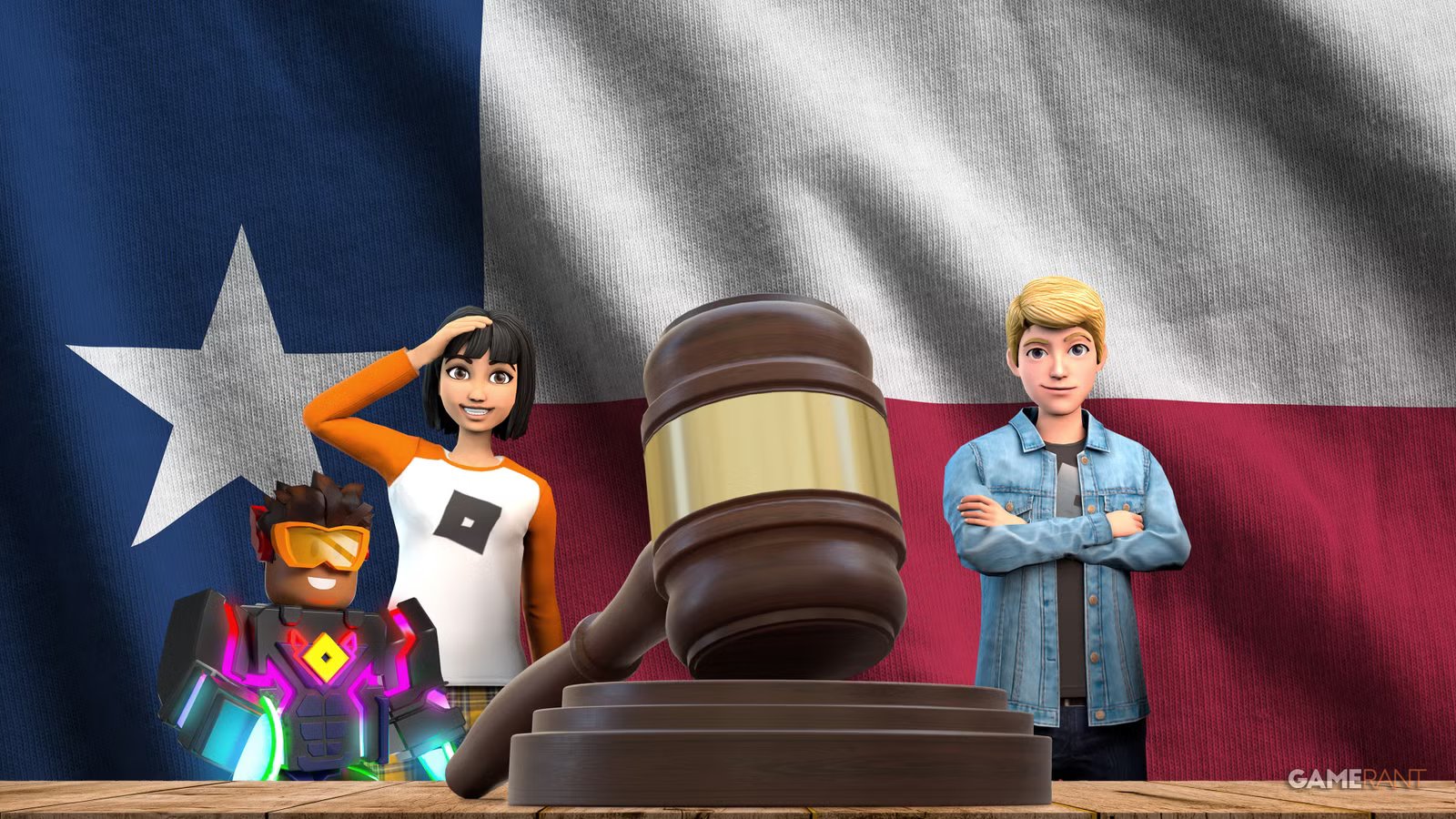
Have you ever wondered just how safe those online games your kids are playing actually are? It’s a question many parents are grappling with these days. Well, Texas is taking a stand. The state has officially filed a lawsuit against Roblox, and honestly, it feels like this could be a game-changer for how online platforms protect kids. The heart of the matter? The lawsuit alleges that Roblox hasn’t done enough to shield its young users from online dangers. This legal battle highlights the growing pressure on tech companies to prioritize child safety over, well, everything else. And let’s be real, it’s about time someone took a closer look.
Understanding the Fundamentals of Child Safety on Roblox
So, what’s Roblox, exactly? If you’re like many parents, you’ve probably heard the name, but maybe you’re not entirely sure what it is. It’s essentially an online platform where users, many of whom are children, can play games created by other users. Think of it as a giant digital playground where anyone can build and share their own creations. Sounds fun, right? It can be. But here’s the thing: because the platform is so open, it also presents potential risks. That’s where the concept of child safety comes in. It’s about ensuring that kids using Roblox are protected from things like inappropriate content, online predators, and other dangers that lurk in the digital world. And why does this matter today? Because more and more kids are spending time online, and we need to make sure they’re doing it safely. The Texas lawsuit is shining a light on these issues, forcing us to confront the realities of online child safety.
Key Benefits and Advantages of Stronger Child Safety Measures
Okay, so what are the actual benefits of beefing up child safety on platforms like Roblox? Well, first and foremost, it protects children from harm. That’s the obvious one, right? But it goes beyond just preventing immediate danger. Stronger safety measures can also help kids develop healthy online habits, learn how to navigate the digital world responsibly, and avoid potential long-term consequences like cyberbullying or exposure to harmful content. Imagine a scenario where a child feels safe enough online to report inappropriate behavior without fear of retaliation. Or picture a world where parents have clear and easy-to-use tools to monitor their child’s online activity. These are the kinds of real-world applications we’re talking about. And honestly, it’s about more than just protecting kids; it’s about empowering them to become responsible digital citizens.
Implementation Strategies for Enhanced Safety
So, how can platforms like Roblox actually implement these stronger safety measures? It’s not as simple as flipping a switch, that’s for sure. It requires a multi-faceted approach that includes technology, policies, and education. I mean, who doesn’t want that? Here’s what you should know:
Step-by-Step Approach
- Enhanced Content Moderation: This means using both automated systems and human moderators to identify and remove inappropriate content quickly. Think of it as a digital neighborhood watch, constantly scanning for potential problems.
- Improved Reporting Mechanisms: Make it easier for users to report suspicious activity or content. The easier it is to report, the more likely people are to do it.
- Age Verification: Implement stronger age verification processes to ensure that users are who they say they are. This can help prevent adults from posing as children.
- Parental Controls: Provide parents with robust tools to monitor their child’s activity, set time limits, and restrict access to certain content.
- Education and Awareness: Educate both children and parents about online safety risks and how to stay safe online. This could involve creating educational resources, hosting webinars, or partnering with schools and community organizations.
Best Practices
- Transparency: Be transparent about your safety policies and how you enforce them.
- Collaboration: Work with experts, advocacy groups, and other stakeholders to develop and implement best practices.
- Continuous Improvement: Regularly review and update your safety measures to keep pace with evolving threats.
- User Feedback: Actively solicit and respond to user feedback on your safety measures.

Common Challenges and Solutions in Child Safety
Of course, implementing these strategies isn’t always a walk in the park. There are definitely some common challenges that platforms like Roblox might face. For anyone wondering, here’s the catch. One big challenge is the sheer volume of content being created on these platforms. It’s incredibly difficult to moderate everything, especially in real-time. Another challenge is staying ahead of the bad actors who are constantly finding new ways to exploit the system. And then there’s the challenge of balancing safety with freedom of expression. You don’t want to create a platform that’s so restrictive that it stifles creativity and innovation. So, what are the solutions? Well, for content moderation, it’s about using a combination of AI-powered tools and human moderators. The AI can help identify potentially problematic content, and then the human moderators can review it to make a final decision. To stay ahead of the bad actors, platforms need to invest in research and development, constantly looking for new ways to detect and prevent abuse. And to balance safety with freedom of expression, it’s about creating clear and transparent policies that are consistently enforced.
Real-Life Applications and Examples of Child Safety Measures
Let’s take a look at some concrete examples of how these child safety measures can be applied in real life. Imagine a scenario where a child is being cyberbullied on Roblox. With improved reporting mechanisms, the child can easily report the bullying to Roblox, and the platform can take swift action to remove the offending content and ban the bully. Or consider a situation where an adult is trying to groom a child online. With stronger age verification processes, the platform can prevent the adult from creating a fake account and contacting the child. And with robust parental controls, parents can monitor their child’s conversations and activity, and intervene if they see anything suspicious. These are just a few examples of how child safety measures can make a real difference in the lives of children. These days, there are many platforms enhancing parental controls to ensure safer online experiences for children. For instance, some platforms offer features that allow parents to monitor their child’s activity, set time limits, and block specific content. These controls are essential tools for parents to manage their child’s online interactions and protect them from potential harm.

Future Outlook and Trends in Online Child Safety
So, what does the future hold for child safety on online platforms? Well, it seems that we’re likely to see even greater emphasis on AI-powered moderation tools. These tools are getting better and better at detecting and removing inappropriate content, and they can help to automate some of the more tedious aspects of content moderation. We’re also likely to see more collaboration between platforms, law enforcement, and advocacy groups. These groups can share information and resources, and work together to develop best practices. And we’re likely to see more regulation of online platforms. Governments around the world are starting to take a closer look at how these platforms are protecting children, and they may start to impose stricter rules and regulations. Some people believe that increased regulation is the only way to truly ensure child safety online. Others argue that it could stifle innovation and creativity. But one thing is clear: the debate over child safety on online platforms is only going to intensify in the years to come.
Conclusion: Key Takeaways and Next Steps Regarding the Texas Lawsuit Against Roblox
Alright, let’s wrap things up. The Texas lawsuit against Roblox is a major development in the ongoing debate over child safety on online platforms. It highlights the growing pressure on tech companies to prioritize the well-being of their young users. And it could have significant implications for the online gaming industry and beyond. So, what are the key takeaways? First, child safety is a serious issue that needs to be addressed. Second, online platforms have a responsibility to protect their young users. And third, there are concrete steps that can be taken to improve child safety online. As for next steps, it’s up to us to continue to demand that these platforms prioritize child safety. We can do this by contacting our elected officials, supporting advocacy groups, and holding these companies accountable. What do you think? Should online platforms be held more accountable for protecting children? It’s a question that deserves a lot of thought and discussion.