Rockstar Games has finally issued an official response to the ongoing GTA 6 leaks through an internal company-wide email, addressing developer frustration and the relentless gameplay footage being shared online by the hacker known as Cyberleak.
- Official Response: Rockstar executive denounced leaks in internal memo, promising they won’t detract from “the excellent work” done on the game.
- Developer Frustration: Teams are “frustrated and exhausted” after sacrificing remote work and enduring crunch for increased security that still failed.
- Veteran Perspective: Former Rockstar Technical Director Obbe Vermeij called the leaks a “nothing burger” and “tiny blip”.
- Historical Comparison: Vermeij says current leaks are “far less consequential” than the infamous Hot Coffee scandal of 2005.
- Legal Action: Take-Two Interactive has subpoenaed Microsoft and Discord to identify the leaker.
- Bubble Effect: Most future players remain unaware of the leaks, minimizing commercial impact.
According to a Bloomberg report, a high-ranking Rockstar executive sent the internal message denouncing the unauthorized release of GTA 6 gameplay clips and promised the incident would not detract from “the excellent work” done on the highly anticipated title. The response comes as Cyberleak continues to flood the internet with footage from what appears to be a playable build, including scenes of store robberies, driving mechanics, and exploration of Vice City.
“Rockstar’s leaders and many employees are angry. Not just because their game has become such a high-profile target, but also because this is the second time that Grand Theft Auto VI has become the subject of a major leak.”
— Bloomberg’s Jason Schreier on developer sentiment
Despite the executive’s reassurance, the situation has left many developers feeling deeply frustrated and exhausted. After the massive data breach in 2022, Rockstar ended remote work entirely and implemented stricter security measures. Developers sacrificed personal flexibility and endured intense crunch periods to protect the project, only to see those protocols fail once again.
The frustration stems not just from the security failure, but from seeing years of work displayed in unfinished snippets rather than the polished presentation the team envisioned. Cyberleak claims a “noble agenda” of fighting for gamers’ rights—including opposition to digital-only releases and paid DLC—but the justification provides little comfort to developers whose work has been exposed without context.
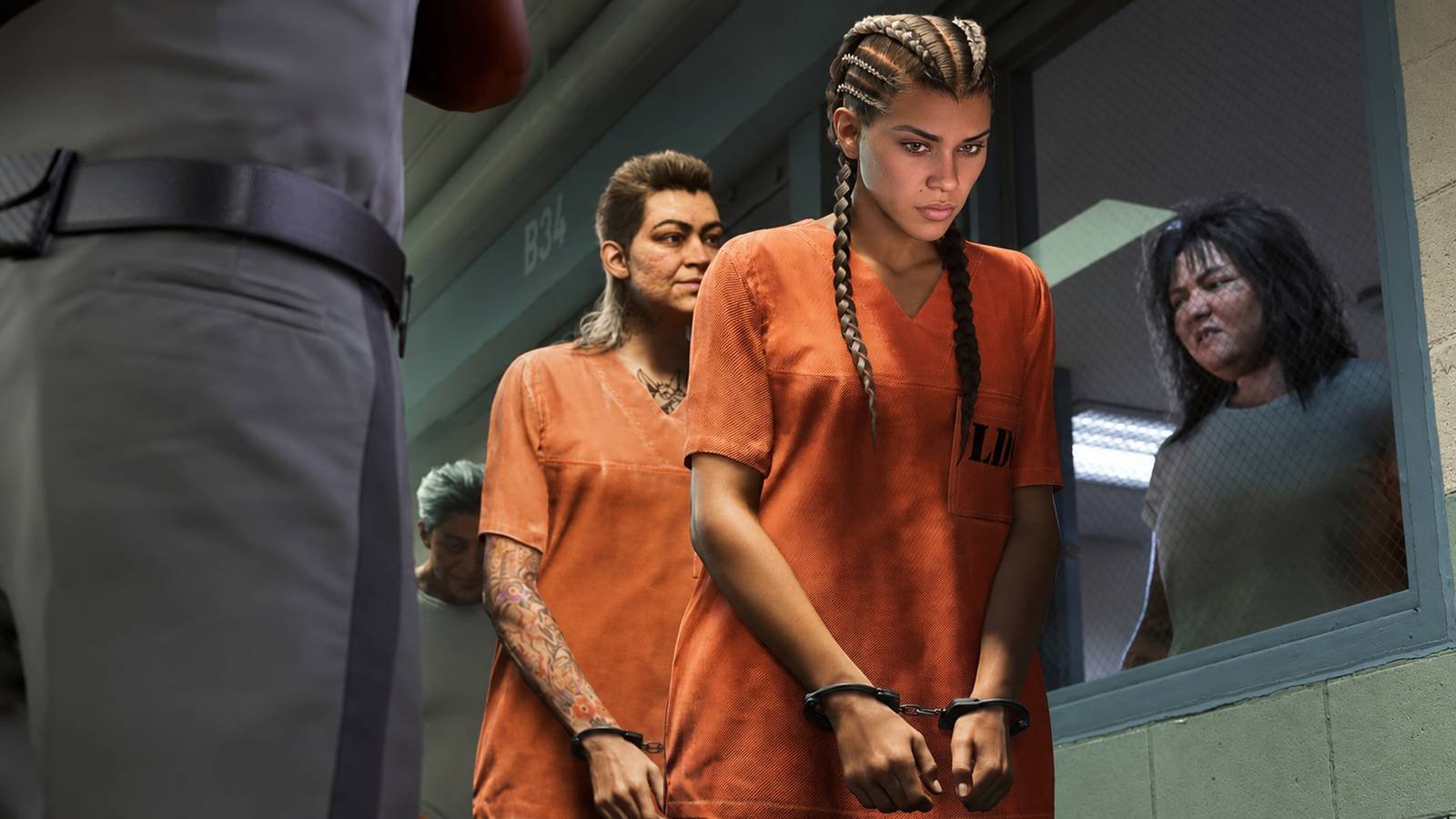
‘A Nothing Burger’: Former Rockstar Dev Downplays Leak Impact
Adding a crucial perspective to the GTA 6 leaks discourse, former Rockstar North Technical Director Obbe Vermeij—who spent nearly 14 years at the studio on titles from GTA 3 through GTA 4’s expansions—has publicly called for calm.
“Calm down everybody. The leaks are a nothing burger. As a marketing strategy Rockstar is trying to keep the game under wraps longer than other publishers. All that has happened is that some footage has escaped. Slightly ahead of the Netflix thing next week.”
— Obbe Vermeij, Former Rockstar Technical Director
Vermeij argues that the leaks will ultimately prove to be “a tiny blip” for a game whose sales lifespan—if GTA 5 is any indication—is expected to span more than a decade. He emphasizes that 90% of future players aren’t actively seeking out leaked footage, either due to time constraints or a desire to avoid spoilers.
Hot Coffee vs. Cyberleak: A Historical Comparison
Vermeij drew a striking comparison to one of gaming’s most infamous controversies: the Hot Coffee scandal from Grand Theft Auto: San Andreas in 2005. That incident involved hidden sexual content accessible via mods, sparking congressional hearings and nearly changing the gaming industry’s rating system forever.
According to Vermeij, the Hot Coffee scandal was “far more consequential” and a “nightmare” for Rockstar’s New York studio management. Yet, it barely affected Rockstar North’s operations in Scotland. In stark contrast, the current GTA 6 leaks represent a “tiny blip” with significantly less impact. This perspective from Vermeij aligns with recent GTA 6 leaks response that has surfaced from other former developers as well.
This historical perspective adds valuable context for readers wondering about the severity of the current situation. The leaks may feel massive within gaming circles, but they pale in comparison to controversies that genuinely threatened Rockstar’s business and reputation.
The ‘Bubble Effect’ and Commercial Confidence
While the gaming-centric internet has been dominated by GTA 6 leak discussions, a critical perspective has emerged regarding the actual reach of these unauthorized releases. Former Rockstar developers have highlighted something essential: the leaks are largely confined to an online bubble.
The “bubble effect” suggests that while the leaks appear massive to those following gaming news closely, the general public—the millions who will eventually purchase GTA 6—remains largely unaware of the leaked footage. Experts believe the leaks will have “zero negative impact on GTA 6 pre-orders or overall sales”.
Rockstar is not planning to change its marketing plans or the upcoming Netflix reveal due to the leaks, demonstrating confidence in the overwhelming power of official promotion over fragmented unauthorized clips.
Take-Two’s Legal Pursuit Intensifies with Subpoenas
While Rockstar manages the internal response, parent company Take-Two Interactive has taken an aggressive legal stance against the leaker. The publisher has filed federal subpoenas directed at Microsoft and Discord as part of its efforts to identify the party or parties responsible for the leaks.
Take-Two is seeking user data, linked accounts, and internal records to help trace connections to the Cyberleak account. According to Bloomberg’s report, Rockstar has not yet identified the responsible party or determined how such a breach occurred.
This failure to catch the leaker has only fueled developer frustration, as the increased security measures—including the end of remote work—proved insufficient to prevent the unauthorized disclosure. The ongoing investigation follows a pattern similar to previous incidents, with Rockstar Games facing legal claims after firing GTA 6 developers in related security matters.
Read Bloomberg’s full report on Rockstar’s internal response
GameSpot’s coverage of the leaker investigation
Looking Ahead: Netflix Reveal and November Launch
Despite the chaos, Rockstar is moving forward with its planned marketing campaign. The studio is not altering its Netflix reveal, GTA 6: An Extended Look, scheduled for August 27.
This official presentation promises to offer the deepest look at GTA 6 yet, featuring polished gameplay and context the leaked clips cannot provide. Once the official gameplay hits Netflix, the expectation inside the studio is that the leaked Cyberleak footage will quickly fade from relevance.
Some have theorized the situation could escalate, with Cyberleak potentially releasing more significant material before or after the Netflix presentation to maintain attention. However, Rockstar’s confidence in its product and marketing strategy remains unshaken.
GTA 6 remains scheduled for release on November 19 for PlayStation 5 and Xbox Series X|S. The leaks, while frustrating for developers, are not expected to impact the game’s quality, commercial performance, or the enthusiasm surrounding one of gaming’s most anticipated titles.
Frequently Asked Questions
Rockstar Games sent an internal email from a high-ranking executive denouncing the leaks and the leaker, while promising the incident would not detract from “the excellent work” done on GTA 6.
Developers are frustrated because they sacrificed remote work and endured crunch for increased security measures that still failed to prevent the leaks. They’re also upset to see their unfinished work exposed outside the polished context they envisioned.
Obbe Vermeij called the leaks a “nothing burger” and a “tiny blip,” arguing that most future players remain unaware of the footage. He also stated the leaks are “far less consequential” than the Hot Coffee scandal from 2005.
According to Vermeij, the Hot Coffee scandal was far more consequential and a “nightmare” for Rockstar management, while the current leaks represent a minor incident with significantly less impact.
Take-Two Interactive has filed federal subpoenas directed at Microsoft and Discord to obtain user data, linked accounts, and internal records to identify the party responsible for the leaks.
No. Rockstar is not changing its marketing plans or release date. Experts believe the leaks will have “zero negative impact” on pre-orders or overall sales.