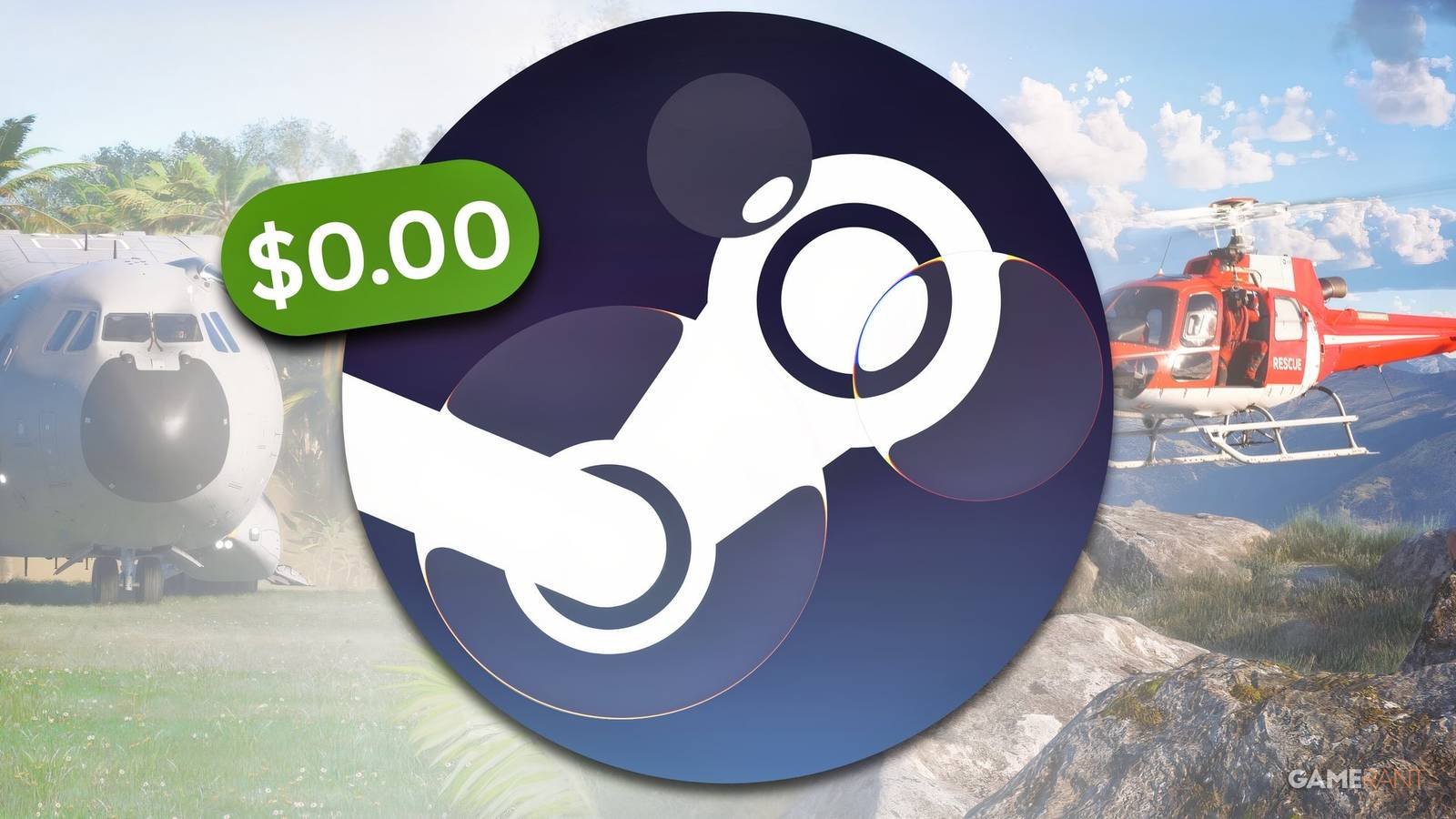
Steam users have until September 1 to claim a brand-new freebie soundtrack DLC for Microsoft Flight Simulator that is normally valued at approximately $10, and the offer does not require owning the base game. This rare promotion from a major AAA publisher gives all Steam account holders the chance to permanently add the “Microsoft Flight Simulator Suite: Themes Reimagined” bundle to their libraries at no cost.
- Freebie Value: $10 USD soundtrack bundle available at no cost
- Deadline: September 1 at 10:00 AM (Pacific Time)
- Game Ownership: NOT required — any Steam user can claim it
- Content: 86 minutes of reimagined music across 21 tracks
- Includes: Extended versions of iconic trailer scores from E3 2019, Xbox showcases, and region-themed compositions
Microsoft Flight Simulator has published a new bundle on Steam that all users can claim and enjoy right now, whether they own the game or not. Steam is typically known for running free-to-keep promotions for indie games, but this new offer involves rare content coming from a renowned AAA title, making it an exceptionally interesting deal.
There is a very good reason why MSFS is giving away valuable content to Steam users. August marks the franchise’s impressive return to the gaming industry with Microsoft Flight Simulator 2020, and the development team wants to celebrate the occasion by giving fans something that has never been released before.
What’s the Free Microsoft Flight Simulator Steam Offer?
Until September 1 at 10:00 AM (Pacific Time), all Steam users can claim and download the newly released Microsoft Flight Simulator soundtrack bundle, which would otherwise cost about $10 USD. The development team says, “Download it now and enjoy 86 minutes of previously unreleased and beautiful music compiled from the release trailers you know and love.” While fans of the Microsoft Flight Simulator games will appreciate this offer the most, the bundle is free for all Steam users to claim and listen to.
This promotional giveaway coincides with the franchise’s ongoing celebration of its modern revival that began with the 2020 release. The development team has curated a collection of reimagined scores that represent key moments in the series’ recent history, from major announcements to region-specific content updates.
The soundtrack bundle features extended and reimagined versions of familiar themes, offering both new listeners and longtime fans an enhanced audio experience. For context, Xbox Game Studios is also hosting a franchise sale on Steam, with the latest installment discounted by 35%, the 2020 edition available at 65% off, and Microsoft Flight Simulator X at 80% off.
Microsoft Flight Simulator Suite: Themes Reimagined Complete Track List
The newly released album gives fans the opportunity to experience extended versions of music they may already know from various trailers and promotional materials. Here is the full 21-track lineup with running times:
Track | Length |
|---|---|
The Sky is the Calling (E3 2019 Announce) | 4:27 |
Majestic Ascent (XO London 2019) | 3:59 |
Riding the Jetstream (2020 Pre-Order Launch) | 4:16 |
Amber Waves (USA) | 4:02 |
Echoes of Albion (United Kingdom & Ireland) | 3:05 |
L’Hexagone (France) | 4:51 |
Spirit of Aviation (Famous Flyers & Local Legends) | 4:04 |
Above the Clouds (Xbox Showcase 2021) | 3:02 |
Snowbound (Seasons Greetings – Snow) | 3:00 |
Midnight Sun (Nordics) | 4:34 |
Over Alemannia (Germany – Austria – Switzerland) | 3:57 |
Iberian Skies (Spain – Portugal – Gibraltar – Andorra) | 4:17 |
Il Bel Paese (Italy) | 4:11 |
An Epic Journey (40th Anniversary) | 4:11 |
True North (Canada) | 4:03 |
Land of the Long White Cloud (New Zealand) | 3:55 |
The Old City (Central Eastern Europe) | 4:35 |
Iron Wings (Eastern Vintage Planes) | 3:15 |
Arctic Twilight (Nordics & Greenland) | 3:29 |
Coral Reefs (Oceania) | 4:30 |
The Art of Flight (Xbox Showcase 2024) | 4:24 |
Microsoft Flight Simulator might not be among games known for their spectacular music, but it still features some memorable tracks, including the one used in the E3 2019 announcement trailer. That said, the current digital soundtrack is a “revisited and reimagined” version of classic scores that fans of the series might remember.
Step-by-Step: How to Claim Your Free DLC on Steam
Claiming this limited-time freebie takes less than a minute. Follow these simple steps to secure the soundtrack bundle before the September 1 deadline:
- Open Steam: Launch the Steam client on your PC or access the Steam store through your web browser
- Navigate to the Store: Click on the “Store” tab or visit the Steam storefront
- Search for the Bundle: Type “Microsoft Flight Simulator Suite: Themes Reimagined” in the search bar
- Add to Account: Click on the “Add to Account” button — you will not be charged
- Confirmation: Once added, the DLC will be permanently attached to your Steam library
- Download (Optional): You can download and listen to the tracks immediately through Steam’s music player
Remember that you do not need to own any Microsoft Flight Simulator game to claim this offer. As long as you have a free Steam account, you can add this $10 soundtrack to your collection at no cost.
Why Is Microsoft Giving This Away for Free?
The timing of this generous promotion is no coincidence. August marks a significant milestone for the franchise — the revival of Microsoft Flight Simulator with the 2020 edition that redefined the flight simulation genre. The development team wanted to celebrate this anniversary by offering something special that had never been released before.
The franchise’s return to the gaming industry with Microsoft Flight Simulator 2020 was a landmark moment for both Xbox Game Studios and the simulation genre. The game received critical acclaim for its stunning visuals, real-world mapping technology, and unprecedented attention to detail. This free soundtrack bundle serves as both a celebration of that achievement and a thank-you to the community that supported the series through its revival.
Additionally, the promotion serves as effective marketing for the franchise. New players who claim the free soundtrack may become interested in exploring the actual games, especially with the ongoing franchise sale offering significant discounts on multiple titles in the series.
More Free Bundles Are Coming to Steam in October
Microsoft Flight Simulator’s current DLC giveaway is only the beginning. Steam is expected to make three more DLC bundles available for free later in October, including content for MXGP 26, Gear.Club Unlimited 3, and Hunting Simulator 3. Those who prefer free games over downloadable content are not left behind, either. Until August 26, Steam users can claim Dokimon Quest, a creature-collecting game with promising reviews. More free-to-keep promotions for indie games are also expected to arrive in September.
For flight simulation enthusiasts, this free soundtrack offer represents a rare opportunity to own premium content at no cost. The tracks showcase the musical diversity that has accompanied the series’ journey from its 2019 E3 announcement through to the latest Xbox Showcase in 2024. Each composition captures the spirit of exploration and wonder that defines the Microsoft Flight Simulator experience.
Is There a Catch? What You Need to Know
There is no hidden requirement or subscription needed to claim this freebie. Any Steam user with a registered account can add the Microsoft Flight Simulator Suite: Themes Reimagined to their library permanently. The offer expires on September 1 at 10:00 AM Pacific Time, so acting before the deadline is essential.
Here is what you need to know before claiming:
- No Purchase Required: You do not need to buy anything or own any Microsoft Flight Simulator game
- Permanent Addition: Once added to your Steam library, the soundtrack remains yours permanently
- Listen Anywhere: You can access and download the tracks through Steam or the Steam mobile app
- Original Compositions: The tracks are reimagined versions of classic scores, not just the original recordings
- Regional Availability: The offer is available in all regions where Steam operates
This limited-time promotion is a testament to how major publishers are increasingly using free DLC to engage with communities and attract new audiences. For Steam users, it represents one of the most valuable freebies of the month, especially given the AAA pedigree of the content.
Frequently Asked Questions About the Steam Freebie
Is this freebie a game or a soundtrack?
This is a soundtrack DLC bundle containing 86 minutes of reimagined music from Microsoft Flight Simulator. It is not a full game, but rather premium audio content normally valued at $10.
Do I need to own Microsoft Flight Simulator to claim this free DLC?
No, you do not need to own any Microsoft Flight Simulator game. Any Steam user with a free account can claim this soundtrack bundle at no cost.
When is the deadline to claim this free offer on Steam?
The offer expires on September 1 at 10:00 AM Pacific Time. The soundtrack must be added to your Steam library before this deadline.
How much does this soundtrack usually cost?
The Microsoft Flight Simulator Suite: Themes Reimagined soundtrack is normally valued at approximately $10 USD, making this a significant freebie promotion.
Where can I claim this free DLC?
You can claim the free soundtrack directly through the Steam store by searching for “Microsoft Flight Simulator Suite: Themes Reimagined” and clicking the “Add to Account” button.
Will the soundtrack remain in my library after the promotion ends?
Yes, once you add the DLC to your Steam library, it remains permanently attached to your account even after the promotional period ends.
Don’t miss this opportunity to add premium audio content to your Steam library at no cost. The offer expires on September 1, so claim your copy today.