Donald Trump was booed loudly by spectators at the IndyCar Freedom 250 Grand Prix in Washington, D.C., on August 23, as the President and First Lady Melania Trump participated in the ceremonial lap around the street circuit. The moment, captured on video and shared widely across social media, has quickly gone viral, with viewers dissecting the crowd’s reaction and the timing of a military flyover that occurred simultaneously.
- Event: Freedom 250 Grand Prix – inaugural IndyCar race in Washington, D.C.
- Date: August 23 – street circuit around U.S. Capitol and National Mall
- The Moment: Trump motorcade crosses finish line; crowd boos heard on video
- Flyover: Military aircraft flyover occurred at the same time
- Social Media: Video posted by X account @BigDaddyWestQ2 with caption claiming flyover “saved” Trump from boos
- Race Winner: Kyle Kirkwood, Andretti Global – inaugural winner
- Trump Attendance: Ceremonial lap in presidential limousine “The Beast”
- Context: First professional road race in D.C. history
President Trump and the First Lady arrived at the Freedom 250 Grand Prix as part of the ceremonial proceedings for the historic IndyCar event. The couple rode in the presidential limousine, known as “The Beast,” as the motorcade completed a ceremonial lap around the 1.7-mile street circuit that wound past the U.S. Capitol and the National Mall. The moment was intended to mark the significance of the first professional road race ever held in the nation’s capital.
However, as the motorcade crossed the finish line area, audio captured from the stands revealed a chorus of boos emanating from sections of the crowd. The footage, which quickly spread across X (formerly Twitter), shows the presidential vehicle passing spectators while what sounds like a mixture of cheers and jeers fills the background.
The viral video was first shared by the X account BIG DADDY (@BigDaddyWestQ2), whose caption read: “Trump getting loudly booed again at the finish line and was saved by the flyover. STAY CONNECTED, NEXT DROP WILL BE SHOCKING.” The post included a video showing the motorcade’s finish line crossing and the flyover taking place overhead.
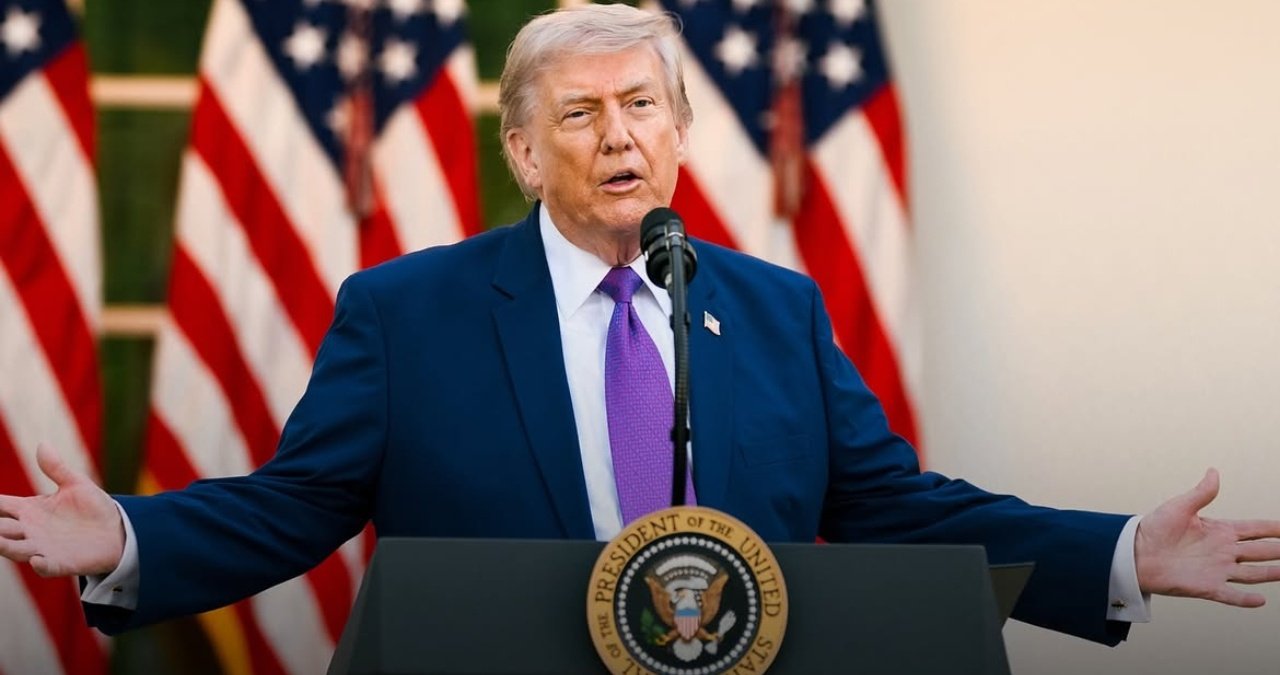
The Freedom 250 Grand Prix marked a significant milestone as the first IndyCar race to be held in Washington, D.C. The 1.7-mile street circuit featured 147 laps, with drivers navigating past iconic landmarks including the U.S. Capitol and around the National Mall. The race was ultimately won by Kyle Kirkwood of Andretti Global, who claimed victory in the inaugural event.
Trump getting loudly booed again at the finish line and was saved by the flyover.
STAY CONNECTED, NEXT DROP WILL BE SHOCKING pic.twitter.com/SAqsc0EDUw— BIG DADDY (@BigDaddyWestQ2) August 23, 2026
IndyCar’s official website confirmed the Freedom 250 as the first street race in the nation’s capital, with extensive coverage of the event and the 1.7-mile circuit layout. The White House has not yet issued an official statement regarding the crowd reaction to the President’s appearance at the event.
Trump Booed at Freedom 250 Grand Prix – What Happened
President Trump and First Lady Melania Trump arrived at the Freedom 250 Grand Prix as special guests for the inaugural IndyCar race in Washington, D.C. The couple participated in the ceremonial motorcade lap, riding in the presidential limousine known as “The Beast,” as part of the pre-race festivities. The motorcade traversed the 1.7-mile street circuit that wound past the U.S. Capitol building and around the National Mall, designed to showcase the capital’s landmarks to a global racing audience.
Video footage captured during the motorcade’s crossing of the finish line reveals a notable chorus of boos emanating from spectators lining the circuit. The audio, though partially obscured by engine noise and crowd chatter, is unmistakable to many viewers, showing a clear negative reaction from at least a portion of the audience. The footage also captures a military aircraft flyover occurring at the same moment, which some social media users have suggested may have partially obscured the boos.
This incident represents the latest in a series of public appearances where Trump has received mixed reactions from crowds at sporting and public events. The Freedom 250 Grand Prix, being the first professional road race in Washington, D.C. history, drew significant attention from both racing enthusiasts and political observers alike.
The Viral Video – Watch the Moment
X account BIG DADDY (@BigDaddyWestQ2) shared the viral video of the incident with a caption stating: “Trump getting loudly booed again at the finish line and was saved by the flyover. STAY CONNECTED, NEXT DROP WILL BE SHOCKING.” The footage, which has amassed millions of views across multiple social media platforms, clearly shows the presidential motorcade approaching the finish line while a military flyover occurs overhead.
The video has sparked widespread discussion online, with users debating the audibility and significance of the boos, the timing of the flyover, and whether the aircraft noise effectively “drowned out” the crowd’s reaction, as the poster claimed. The footage also captures the visual spectacle of the flyover, with aircraft crossing directly over the motorcade’s path at the moment of the finish line crossing.
Several additional videos from different angles have also surfaced on social media, showing the scene from various vantage points around the circuit. These supplementary clips have allowed viewers to piece together a more complete picture of the crowd’s reaction and the event’s atmosphere. Some videos appear to show a mix of cheers and boos, while others emphasize the booing more prominently, reflecting the varied perspectives captured by different attendees.
Social Media Reacts to Trump’s Reception
X users responded rapidly to the viral video, with reactions spanning the political spectrum. One user wrote: “It’s always a photo op for him. And every time he gets booed, I love it.” Another comment observed: “He probably won’t be able to hear any of that inside his tank,” referencing the presidential limousine’s soundproofed interior.
“Was Natalie in the trunk or running behind,” commented one user, referencing Natalie Harp, the President’s executive assistant who previously made headlines when reports emerged that she had ridden in the cargo area of a motorcade vehicle after being told no seat was available. Harp, a close aide to Trump who currently serves as his executive assistant at the White House, has been a notable figure in recent White House coverage.
Other social media users offered more measured takes, with some noting that the crowd appeared divided and that the flyover’s timing may have been coincidental rather than strategic. Several users also pointed out that sporting events often draw politically diverse crowds, making mixed reactions predictable at such appearances.
Examining the Flyover Claim – Did It Drown Out the Boos?
The claim that the flyover “saved” Trump by drowning out the boos has become a central point of debate since the video went viral. According to the X user’s caption, the timing of the flyover was intended to minimize the audibility of the crowd’s negative reaction. However, an examination of the video suggests the claim requires nuance.
Audio analysis of the footage reveals that while the flyover’s engine noise is clearly audible and somewhat masks the crowd sounds, the booing is still distinguishable at several points in the video. This suggests that while the flyover may have partially obscured the reaction, it did not completely eliminate the audible boos from the final footage.
Additionally, attendees who posted their own perspectives from different locations around the circuit have offered varying accounts of the crowd’s overall reception. Some report that the booing was widespread and unmistakable, while others describe the scene as containing a mix of cheers, boos, and neutral reactions, with the flyover serving as a visual spectacle that momentarily redirected attention. This range of eyewitness accounts underscores the difficulty of characterizing the crowd’s response with any single narrative.
Why Was Trump at the Freedom 250 Grand Prix?
President Trump’s attendance at the Freedom 250 Grand Prix was part of the event’s celebration of the first professional road race in Washington, D.C. history. The race, which featured IndyCar drivers competing on a 1.7-mile street circuit around the U.S. Capitol and National Mall, represented a significant milestone for both the sport and the capital city.
The presidential presence at sporting events is not uncommon, with presidents often attending major races, championship games, and other high-profile athletic competitions. Trump’s participation in the ceremonial lap was designed to highlight the historic nature of the event and demonstrate support for the motorsport community’s expansion into the nation’s capital.
However, the President’s political status and the divided nature of contemporary U.S. politics inevitably brought a partisan dimension to the event. The crowd’s reaction, as captured in the viral video, underscores how public appearances by sitting presidents can draw varied and sometimes hostile responses, particularly in politically diverse urban centers like Washington, D.C.
Trump’s History of Boos at Public Events
This incident at the Freedom 250 Grand Prix is not the first time President Trump has faced audible booing at a public event. Throughout his political career, Trump has experienced mixed reactions at sporting events, award ceremonies, and public appearances, reflecting his polarizing status in American politics.
Previously, Trump received boos and jeers at events including UFC fights, baseball games, and other high-profile gatherings. The pattern has become a recurring theme, with supporters and detractors often making their opinions known at events where the President appears unexpectedly or as part of ceremonial activities.
These moments have frequently gone viral on social media, creating a feedback loop of public reaction and discussion. The incident at the Freedom 250 continues this pattern, with the video spreading rapidly across multiple platforms and generating extensive debate online about the political climate in the United States and how Americans express their views toward elected officials in public forums.
Event Organizers and White House Respond
As of publication, IndyCar officials and Freedom 250 organizers have not issued an official statement regarding the crowd reaction to the President’s appearance. The event organizers have focused on celebrating the successful inauguration of the street race and the historic significance of bringing professional racing to Washington, D.C.
The White House has similarly not released an official statement addressing the video or the crowd’s reaction. Presidential appearances at public events often draw a variety of responses, and the administration has generally refrained from commenting on specific instances of booing or negative crowd reactions.
Natalie Harp, the President’s executive assistant, has also not commented on the incident or the social media references to her previous motorcade travel arrangement. Harp serves as a close aide to President Trump and has been a visible presence in White House operations.
The Freedom 250 Grand Prix continues to be discussed for its racing achievements, with Kyle Kirkwood’s victory and the successful execution of the inaugural D.C. street race dominating sports coverage. The political dimension of the event, while newsworthy, does not overshadow the broader significance of IndyCar’s expansion into the nation’s capital.
Frequently Asked Questions
Why was Donald Trump at the Freedom 250 Grand Prix?
President Trump attended the Freedom 250 Grand Prix as part of the inaugural IndyCar race in Washington, D.C. He and First Lady Melania Trump participated in the ceremonial motorcade lap around the 1.7-mile street circuit.
Where can I watch the full video of Trump being booed?
The viral video was posted by X account @BigDaddyWestQ2 and has been embedded in this article. The footage shows the motorcade crossing the finish line while a flyover occurs overhead.
Did a flyover really drown out the boos?
Audio analysis of the video shows that while the flyover partially masked the crowd sounds, the booing remains distinguishable at several points. Eyewitness accounts also differ on the extent of the reaction.
How did Melania Trump react to the booing?
The video footage does not clearly show Melania Trump’s reaction during the motorcade lap. The First Lady was seated inside the presidential limousine during the ceremonial lap.
Has Trump been booed at other public events?
Yes, President Trump has received boos at various public events throughout his career, including appearances at sporting events, award ceremonies, and other high-profile gatherings.
What is the Freedom 250 Grand Prix in Washington DC?
The Freedom 250 Grand Prix is an IndyCar street race that debuted in Washington, D.C. on August 23. The 1.7-mile circuit runs past the U.S. Capitol and around the National Mall, with 147 laps scheduled for the race.
Who is the X account @BigDaddyWestQ2 that posted the video?
@BigDaddyWestQ2 is an X account that shared the viral video of Trump being booed. The account’s identity beyond their social media presence is not publicly confirmed.
Did the White House issue a statement about the incident?
As of publication, the White House has not issued an official statement regarding the crowd reaction at the Freedom 250 Grand Prix.