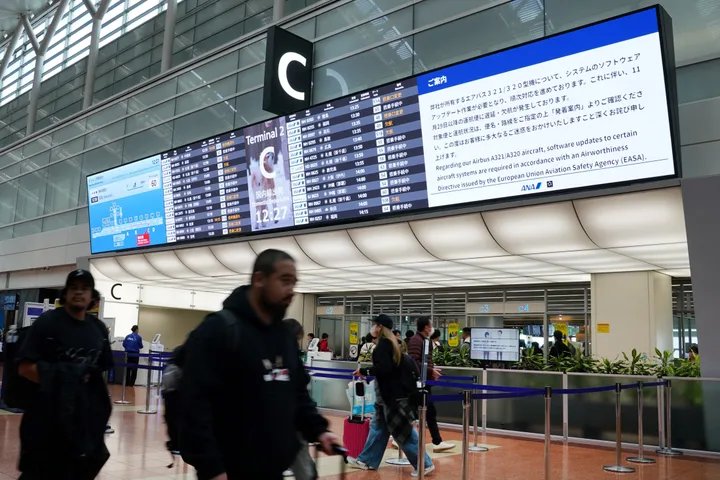
The air hung thick with anticipation at Charles de Gaulle Airport. The usual symphony of rolling suitcases and hurried footsteps was punctuated by hushed conversations around gate C22. A collective groan rippled through the crowd as a flight attendant announced another delay. The reason? A nagging, insidious software glitch affecting a significant number of Airbus A320 aircraft. It wasn’t just this flight; similar scenes were playing out across the globe, from bustling hubs like Heathrow to smaller regional airports. This A320 software glitch is more than just an inconvenience; it’s raising serious questions about aviation safety and the intricate dance between humans and machines in the skies. Passengers are understandably anxious. (I overheard one woman whispering about her fear of flying already being amplified). The pressure is on for airlines and Airbus to swiftly resolve this issue and restore confidence in the reliability of these workhorse aircraft. After all, the airline industry depends on that trust.
The ripple effect of this A320 software glitch is being felt throughout the airline industry. Flights are delayed, schedules are disrupted, and passengers are left stranded, their travel plans thrown into disarray. Behind the scenes, teams of engineers are working around the clock to diagnose the problem and implement a fix. This isn’t just about getting planes back in the air; it’s about ensuring the continued aviation safety of millions of passengers who rely on these aircraft every single day. A former pilot, who wished to remain anonymous, told me, “These kinds of glitches, while rare, highlight the constant vigilance required in aircraft maintenance. You’re talking about incredibly complex systems, and even a small error can have significant consequences.” This underscores the importance of thorough testing and validation before any software update is rolled out. The stakes are simply too high.
The problem seems to stem from a recently identified anomaly within the flight control systems, specifically related to how the aircraft interprets certain sensor data. This can lead to erratic readings or unexpected behavior during critical phases of flight. While no accidents have been directly attributed to the A320 software glitch so far, the potential for such an occurrence is enough to warrant immediate action. Airlines are working closely with Airbus, the manufacturer of the A320, to implement a temporary workaround and a permanent software update. The process involves rigorous testing and validation to ensure that the fix is effective and doesn’t introduce any new issues. The situation is fluid, with new information emerging constantly, adding to the already existing tensions.
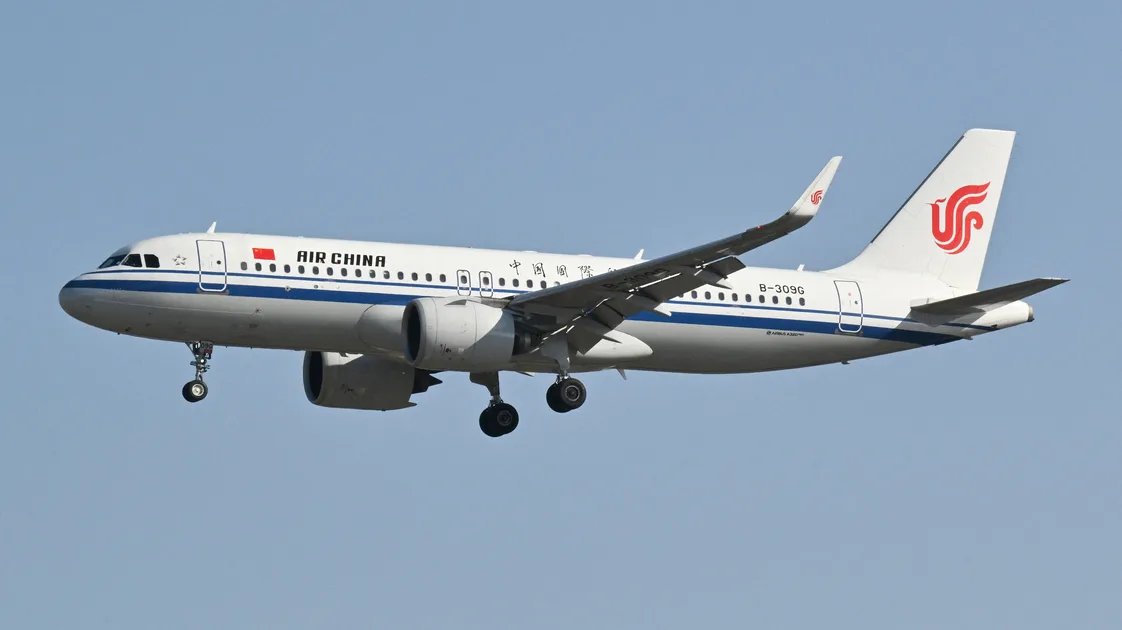
Understanding the A320 Software Glitch
The A320 software glitch, as it’s now widely known, has brought the complexities of modern avionics into sharp focus. We’re not talking about a simple typo in a line of code; this is a multifaceted issue that touches upon the very core of how the aircraft operates. The Airbus A320 family is one of the most widely used in the world, so any problem affecting these aircraft has potentially global implications.
“It’s like having a hiccup in the brain of the plane,” explained one engineer, who works for a major European airline. “The systems are incredibly interconnected, and a small error in one area can cascade and affect other systems.” The software glitch primarily impacts the flight control systems, which are responsible for maintaining stability and responding to pilot inputs. While the exact nature of the problem remains confidential for security reasons, it’s understood to involve the interpretation of data from multiple sensors.
The potential consequences of this glitch range from minor inconveniences, such as slightly rougher landings, to more serious scenarios involving loss of control. While the pilots are trained to handle such situations, the emphasis is always on prevention and mitigation. That’s why airlines and Airbus are working so diligently to address the problem.
Technical Details (Without Getting Too Technical)
Let’s try to break down the technical aspects of this A320 software glitch without getting lost in jargon. At its heart, the issue involves the software’s ability to accurately process data from various sensors, such as those measuring airspeed, altitude, and attitude. This data is crucial for the flight control systems to make precise adjustments to the aircraft’s control surfaces, such as the ailerons, elevators, and rudder.
If the software misinterprets this data, it could lead to incorrect commands being sent to the control surfaces, resulting in unexpected movements or instability. The software update aims to correct this misinterpretation and ensure that the flight control systems are receiving and acting upon accurate information.
Think of it like a car’s navigation system. If the GPS is giving you wrong directions, you might end up taking a wrong turn or getting lost altogether. Similarly, if the aircraft’s software is receiving inaccurate data, it could lead to undesirable outcomes.
The Response from Airlines and Airbus
The response to the A320 software glitch has been swift and coordinated. Airlines are working closely with Airbus to implement a phased approach that involves both temporary workarounds and a permanent software update. The temporary workarounds are designed to mitigate the risks associated with the glitch until the software update can be fully implemented.
This typically involves adjustments to flight procedures and increased monitoring of the aircraft’s systems. The software update itself is a more complex undertaking, requiring extensive testing and validation to ensure that it effectively addresses the problem without introducing any new issues.
Airbus has issued service bulletins to airlines, providing detailed instructions on how to implement the workaround and install the software update. The process involves downloading the new software onto a portable device and then uploading it to the aircraft’s avionics systems. This is typically done by trained technicians during scheduled maintenance checks.
“We are committed to providing our customers with the support they need to safely and efficiently operate their A320 aircraft,” said a spokesperson for Airbus. “We are working closely with airlines to implement the software update as quickly as possible.”
Impact on Passengers and Flight Schedules
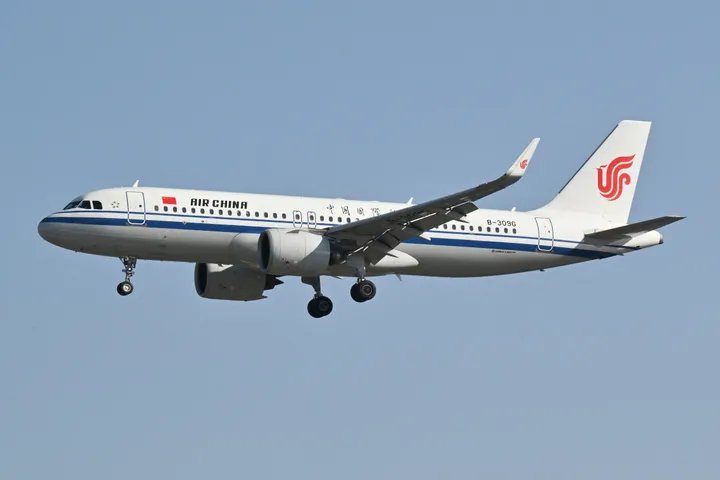
The A320 software glitch has undoubtedly had an impact on passengers and flight schedules. Many flights have been delayed or canceled as airlines have taken aircraft out of service to implement the workaround and software update. This has led to frustration and inconvenience for travelers, particularly those with tight schedules or connecting flights.
Airlines are doing their best to minimize the disruption by rebooking passengers on alternative flights and providing accommodation where necessary. However, the sheer scale of the problem has made it challenging to avoid all delays and cancellations.
Passengers are advised to check their flight status before heading to the airport and to allow extra time for check-in and security. They should also be prepared for the possibility of delays or cancellations and to contact their airline for assistance if needed.
The emotional toll on passengers shouldn’t be underestimated. The anxiety associated with air travel is often compounded by uncertainty and delays. Airlines need to be sensitive to these concerns and provide clear and timely information to passengers.
Ensuring Aviation Safety in the Age of Software
The A320 software glitch serves as a reminder of the critical role that software plays in modern aviation safety. Aircraft are increasingly reliant on complex avionics systems, which are controlled by millions of lines of code. This code must be rigorously tested and validated to ensure that it functions correctly under all operating conditions.
The airline industry has a long history of prioritizing safety, and this incident is no exception. Airlines and manufacturers are constantly working to improve their safety procedures and to identify and mitigate potential risks.
One of the key challenges is to keep pace with the rapid advancements in technology. As aircraft become more complex, the avionics systems become more sophisticated, and the potential for software glitches increases. This requires a continuous investment in training, testing, and validation.
“We have to be constantly vigilant,” said a senior aviation safety official. “We can never afford to become complacent. The safety of our passengers is always our top priority.”
The Future of Avionics and Software Safety
The future of avionics and software safety will likely involve even more advanced testing and validation techniques. This could include the use of artificial intelligence and machine learning to identify potential software glitches before they can cause problems.
Another area of focus is the development of more resilient and fault-tolerant systems. This means designing systems that can continue to operate safely even if one or more components fail. This could involve the use of redundant systems and backup power supplies.
The airline industry is also exploring the use of blockchain technology to improve the security and integrity of avionics software. Blockchain is a distributed ledger technology that can be used to track and verify the authenticity of software updates.
The goal is to create a safer and more reliable aviation system for the future.
Conclusion
The A320 software glitch is a stark reminder of the complexities and challenges of modern aviation. While the incident has caused disruption and inconvenience, it has also highlighted the industry’s commitment to safety and its ability to respond quickly and effectively to potential risks. The collaborative effort between airlines and Airbus to implement the workaround and software update is a testament to this commitment. This event, while unsettling, showcases the unwavering focus on safety within the airline industry. It is reassuring to see the level of dedication and resources invested in ensuring the safety of our skies. As technology continues to advance, it’s crucial that aviation safety remains at the forefront, ensuring that passengers can continue to travel with confidence.
Frequently Asked Questions
| What is the A320 software glitch and how does it affect flights? | The A320 software glitch is an anomaly within the aircraft’s flight control systems that can lead to misinterpretation of sensor data, potentially causing erratic behavior during flight. This can result in flight delays, cancellations, and adjustments to flight procedures. |
| What are the benefits of fixing the A320 software glitch? | Fixing the software glitch ensures the continued safety and reliability of A320 aircraft, minimizing the risk of accidents and operational disruptions. It restores passenger confidence, stabilizes flight schedules, and prevents potential financial losses for airlines. |
| How is the A320 software glitch being implemented? | Airlines are working with Airbus to implement a phased approach. This includes temporary workarounds to mitigate risks until a permanent software update can be fully installed. The software update involves downloading the new software onto a portable device and uploading it to the aircraft’s avionics systems. |
| What are the challenges associated with fixing the A320 software glitch? | Challenges include the complexity of modern avionics systems, ensuring the software update doesn’t introduce new issues, minimizing disruption to flight schedules, and maintaining passenger confidence. Extensive testing and validation are necessary to address these challenges. |
| What is the future of aviation safety in relation to software? | The future of aviation safety will involve more advanced testing and validation techniques, including AI and machine learning, to identify potential software glitches proactively. Developing resilient and fault-tolerant systems and using blockchain technology to secure avionics software are also key areas of focus. |
Important Notice
This FAQ section addresses the most common inquiries regarding the topic.