Witcher 3 players can claim three free expansions and concert recordings right now, including the critically acclaimed Hearts of Stone and Blood and Wine DLCs valued at over $35, plus a 90-minute orchestral performance available through a limited-time GOG promotion.
- Freebie #1 — Hearts of Stone: Now permanently free on all platforms (previously $9.99 USD). Adds 10+ hours of story-driven content.
- Freebie #2 — Blood and Wine: Now permanently free on all platforms (previously $14.99 USD). Adds 30+ hours with an entirely new region.
- Freebie #3 — 90-Minute Concert: Available free on GOG until August 27. Features full orchestral performances of The Witcher 3 soundtrack.
- Total Savings: Over $35 worth of premium content available at no cost.
- Base Game Not Required: The concert freebie can be claimed without owning The Witcher 3.
- Next-Gen Compatible: All claimed DLCs will work with the upcoming remastered edition releasing September 29.
CD Projekt Red has dropped the price of both major expansions for The Witcher 3: Wild Hunt to zero across all platforms, making Hearts of Stone and Blood and Wine permanently free to keep. The Polish developer announced the surprise promotion during Gamescom Opening Night Live, following the reveal of the game’s upcoming remastered edition. Unlike the concert giveaway, these expansions are not limited-time offers — once claimed, they remain in your library indefinitely.
The third freebie comes from GOG, CD Projekt Red’s own digital storefront, which is offering a 90-minute concert recording featuring the game’s iconic soundtrack performed by a full orchestra. This promotion ends on August 27, making it the only time-sensitive offer among the three. The concert includes all the beloved tracks from the base game and both expansions, including “The Hunt Is Coming,” “Ladies of the Woods,” and the emotional “Wolven Storm.”
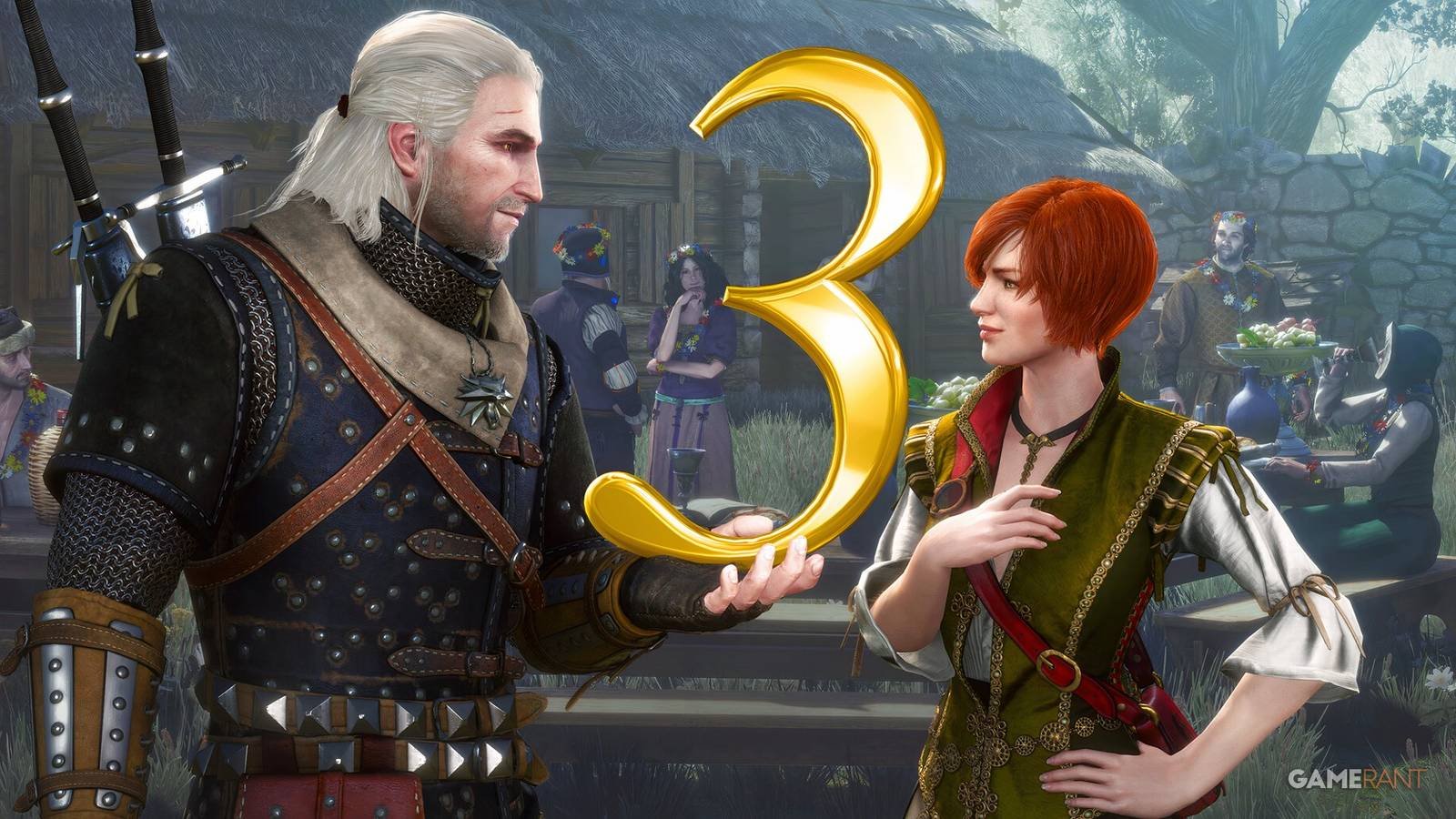
This marks the first time CD Projekt Red has made both expansions completely free simultaneously. Previously, the studio offered individual discounts during seasonal sales, but never a permanent price drop to zero. Industry analysts suggest the move is designed to build hype for the upcoming The Witcher 3: Wild Hunt — Remastered launching September 29, as well as the forthcoming expansion Songs of the Past. The free content strategy also introduces new players to the franchise ahead of The Witcher 4, which remains in active development at CD Projekt Red’s Krakow studio. This approach to post-launch support mirrors what other studios have done to maintain player engagement long after a game’s initial release.
For players who already own the Game of the Year edition or Complete Edition, these freebies won’t add anything new — those versions already include both expansions. However, the concert giveaway remains available regardless of which edition you own, and can even be claimed without owning the base game at all. Visit the official GOG concert page to claim this limited-time offer before it expires on August 27.
What Are the 3 Freebies Witcher 3 Players Can Claim Right Now?
The current promotion includes three distinct free offerings, each with different claim requirements and redemption windows. The two expansions — Hearts of Stone and Blood and Wine — are now permanently free on all platforms: PlayStation, Xbox, Steam, GOG, and Epic Games Store. The concert recording is a GOG-exclusive giveaway with a firm expiration date.
Here’s a breakdown of each freebie:
- Hearts of Stone: A narrative-driven expansion introducing a new antagonist, Gaunter O’Dimm, and a 10+ hour storyline set in the northern regions of Velen. Previously priced at $9.99.
- Blood and Wine: A massive expansion that adds the entire Toussaint region — a sun-drenched, wine-producing land untouched by war. Features 30+ hours of content, a new mutation system, and an entirely separate narrative. Previously priced at $14.99.
- The Witcher 3: Wild Hunt Concert (2016): A professionally recorded 90-minute orchestral performance featuring music from the base game and expansions. Performed by the Poznań Philharmonic Orchestra. Available exclusively through GOG until August 27.
Freebie #1: Hearts of Stone Expansion — How to Claim
Hearts of Stone is the first major expansion for The Witcher 3, praised for its tight narrative, memorable antagonist, and meaningful choices. The expansion is now permanently free on all platforms. Here’s how to claim Hearts of Stone on each storefront:
PlayStation: Navigate to the PlayStation Store, search for “The Witcher 3: Wild Hunt — Hearts of Stone,” and select the “Add to Library” option. The expansion will be permanently tied to your PSN account.
Xbox: Open the Microsoft Store on your Xbox console or via the web. Search for “Hearts of Stone — The Witcher 3” and select “Get” or “Add to Library.” The free license will be applied to your Microsoft account.
Steam: Visit the Steam store page for The Witcher 3: Wild Hunt, scroll to the DLC section, locate Hearts of Stone, and click “Play for Free” or “Add to Account.” The expansion will be permanently added to your Steam library.
GOG: Log into your GOG account, navigate to The Witcher 3 game page, and claim Hearts of Stone from the “DLC” tab. GOG users can also find the expansion directly through the store search.
Epic Games Store: Open the Epic Games launcher, search for The Witcher 3, and claim the expansion from the DLC section. Once claimed, it remains available for future installations.
Freebie #2: Blood and Wine Expansion — How to Claim
Blood and Wine is widely regarded as one of the best expansions in gaming history, offering an entirely new region, a full 30+ hour campaign, and a satisfying conclusion to Geralt’s story. Like Hearts of Stone, it is now permanently free across all platforms.
Claiming Blood and Wine follows the same process as Hearts of Stone on each platform:
- PlayStation: Search for “The Witcher 3: Wild Hunt — Blood and Wine” on the PS Store and add it to your library.
- Xbox: Find the expansion in the Microsoft Store and select “Get” to claim it permanently.
- Steam: Locate Blood and Wine in the DLC section of The Witcher 3 store page and add it to your account.
- GOG: Claim the expansion from the DLC tab on The Witcher 3 game page or through the store search.
- Epic Games Store: Search for The Witcher 3, navigate to DLC, and claim Blood and Wine.
File sizes to consider: Hearts of Stone requires approximately 3.5 GB of storage space, while Blood and Wine requires roughly 12 GB. The concert recording is a 2.1 GB download. Players should ensure they have sufficient storage before initiating downloads.
Freebie #3: 90-Minute Witcher 3 Concert — How to Claim on GOG
The third freebie is a 90-minute concert recording available exclusively through GOG. Unlike the expansions, this offer is time-sensitive and ends on August 27. The concert is available as a standalone free download and does not require ownership of The Witcher 3.
To claim the concert:
- Visit the official GOG store page for The Witcher 3: Wild Hunt Concert (2016).
- Click the “Get It Free” or “Add to Cart” button — the price will display as $0.00.
- Complete the checkout process (GOG account required; no payment information needed).
- The concert will appear in your GOG library for download or streaming.
- Download the 2.1 GB video file or stream it directly through GOG’s platform.
This concert was originally performed at the Video Game Show in 2016, featuring the Poznań Philharmonic Orchestra under the direction of composer Marcin Przybyłowicz. The setlist includes “The Hunt Is Coming,” “Ladies of the Woods,” “Silver for Monsters,” and “Wolven Storm,” among other fan favorites.
Platform-Specific Claim Guides: PlayStation, Xbox, PC (GOG/Steam/Epic)
Each platform has slightly different navigation paths for claiming free DLC. While the expansions are universally free, knowing exactly where to look streamlines the process. Below is a detailed breakdown per platform:
PlayStation (PS4/PS5)
From the PS5 or PS4 home screen, navigate to the PlayStation Store. Use the search function to find “The Witcher 3: Wild Hunt.” Once on the game’s hub page, scroll down to the “Add-Ons” section. You’ll find both Hearts of Stone and Blood and Wine listed with a “Free” price tag. Select each and choose “Add to Library.” The concert is not available on PlayStation — it’s a GOG exclusive.
Xbox (Xbox One/Xbox Series X|S)
On your Xbox console, open the Microsoft Store and search for “The Witcher 3: Wild Hunt.” Navigate to the game’s store page and scroll to the “Add-Ons for this game” section. Both expansions will appear with a “Free” label. Select each and click “Get” to claim. As with PlayStation, the concert is not available on Xbox.
Steam (PC)
Open the Steam client and search for The Witcher 3: Wild Hunt. On the game’s store page, scroll down to the “Content for this game” section. Locate Hearts of Stone and Blood and Wine, then click the “Play for Free” button on each. The expansions will be permanently added to your Steam library. The concert is not available through Steam.
GOG (PC)
Log into your GOG account through the client or web browser. Navigate to The Witcher 3: Wild Hunt game page. Under the “DLC” section, claim both expansions. For the concert, visit the dedicated concert page and complete the free checkout process. GOG is the only platform offering all three freebies.
Epic Games Store (PC)
Open the Epic Games launcher and search for The Witcher 3: Wild Hunt. On the game’s store page, select the “Add-Ons” tab to find both expansions listed as free. Click “Get” on each to claim. The concert is not available on Epic Games Store.
Are These Free DLCs Compatible With the Upcoming Next-Gen Upgrade?
The free expansions work with the upcoming The Witcher 3: Wild Hunt — Remastered, launching September 29. CD Projekt Red has confirmed that all existing DLC licenses will carry over to the remastered version, meaning players who claim Hearts of Stone and Blood and Wine now will have access to these expansions in the upgraded edition at no additional cost.
The remastered version includes enhanced graphics, ray-tracing support, faster load times, and numerous quality-of-life improvements. All expansion content will be fully integrated into the remastered experience, preserving quest lines, characters, and new regions in their enhanced visual quality. Players who claim the free DLCs before the remastered release will have them available immediately upon upgrading.
The concert recording, however, is not tied to the game itself — it’s a standalone video file — so compatibility with the remastered edition is irrelevant. It will remain accessible through your GOG library regardless of which version of the game you own.
How Much Do These Expansions Normally Cost? (Your Savings)
Together, these three freebies represent over $35 in value. Here’s the breakdown of standard pricing:
| Freebie | Original Price | Current Price | Your Savings |
|---|---|---|---|
| Hearts of Stone | $9.99 USD | Free | $9.99 |
| Blood and Wine | $14.99 USD | Free | $14.99 |
| Concert Recording | $9.99 USD (estimated value) | Free | $9.99 |
| Total | $34.97 USD | Free | $34.97 |
This promotion is particularly valuable for players who purchased the base game at launch and never picked up the expansions, or for those who experienced The Witcher 3 through subscription services and now want to own the complete content package.
Common Claiming Issues and How to Fix Them
While claiming these freebies is generally straightforward, players occasionally encounter issues. Here are the most common problems and their solutions:
Issue: “Price shows as $9.99 instead of free”
Solution: This usually occurs when the storefront hasn’t refreshed the pricing data. Try refreshing the page, clearing your browser cache, or logging out and back into your account. The free promotion has been rolled out globally, so regional delays are rare but possible — wait 24 hours and check again.
Issue: “I already own the Complete Edition — can I claim these again?”
Solution: No. The Complete Edition and Game of the Year editions already include both expansions. The storefront may still show them as “Free” but they cannot be added to a library that already owns them — they’re already there.
Issue: “The concert page is displaying an error”
Solution: Visit the concert page through a direct link rather than navigation. If the error persists, the promotion may have ended early — check GOG’s official social channels for updates. As of this writing, the concert is available until August 27.
Issue: “Download doesn’t start after claiming”
Solution: On GOG, ensure your account has the concert in your library. If it appears but won’t download, try the GOG Galaxy client instead of the browser. Restart the client or check your internet connection before retrying.
Issue: “Expansions show as free but can’t find them in my library”
Solution: On Steam and GOG, expansions often integrate directly into the base game rather than appearing as separate library entries. Launch The Witcher 3 and check for a “Hearts of Stone” or “Blood and Wine” quest marker — this confirms the content is installed and ready to play.
What Each Expansion Adds to Your Witcher 3 Experience
Both expansions are widely considered essential additions to The Witcher 3, offering high-quality content that rivals the base game in scope and storytelling quality.
Hearts of Stone: This expansion introduces a 10+ hour narrative focusing on the mysterious Gaunter O’Dimm, also known as “The Man of Glass.” Set in the northern regions of Velen and Novigrad, the story follows Geralt as he becomes entangled in a contract that spirals into a dark, character-driven journey filled with moral ambiguity. Highlights include the wedding sequence at the Estate of the von Everec family, the heist mission involving a cursed toad prince, and the haunting conclusion that offers multiple endings based on player choices. The expansion also adds new equipment, rune enhancements, and the unique “Potion of Clearance” for respecing abilities.
Blood and Wine: This 30+ hour expansion transports Geralt to Toussaint, a beautiful, sun-drenched land untouched by the war plaguing the Northern Realms. It functions as a standalone narrative where Geralt investigates a series of brutal murders plaguing the duchy. The expansion introduces a new progression system — mutations — that significantly alter combat abilities. Players can also acquire Corvo Bianco, a customizable vineyard that serves as a home base. The storyline features new characters like Regis, a beloved vampire from the books, and the megalomaniacal Duchess Anna Henrietta. With multiple endings, new gear, and an entirely different aesthetic, Blood and Wine provides a fitting send-off to Geralt’s story arc.
Together, these expansions add approximately 40-50 hours of content, making The Witcher 3 one of the most value-rich RPGs ever created — especially now that both are free. Players who enjoy expansive post-launch content might also appreciate how other titles approach their DLC offerings, with some studios even making post-launch support a key part of their long-term strategy.
How Long Will These Free Offers Be Available?
CD Projekt Red has confirmed that Hearts of Stone and Blood and Wine will remain free indefinitely. Once claimed, the expansions are permanently tied to your account and available for download whenever you choose. Unlike limited-time promotional giveaways, these are permanent price reductions to zero dollars.
The concert recording is the exception. This GOG-exclusive promotion ends on August 27, giving players a limited window to claim the 90-minute orchestral performance. After this date, the concert will revert to its normal price, which GOG has not publicly announced — making the free offer time-sensitive and potentially valuable for collectors or fans of the game’s celebrated soundtrack.
Players should prioritize claiming the concert first, especially since it doesn’t require owning the base game. The expansions, while also free, are not at risk of expiring, so there’s less urgency to claim those immediately, though claiming them early ensures you won’t forget.
Frequently Asked Questions About Witcher 3 Freebies
How do I claim the free Witcher 3 DLC on PlayStation?
On PlayStation, navigate to the PlayStation Store, search for “The Witcher 3: Wild Hunt,” scroll to the “Add-Ons” section, and select “Add to Library” on both Hearts of Stone and Blood and Wine. They are currently listed as free.
Is the Witcher 3 free upgrade coming in September compatible with these DLCs?
Yes. CD Projekt Red has confirmed that all existing DLC licenses will carry over to the remastered version releasing September 29. Players who claim Hearts of Stone and Blood and Wine now will have access to these expansions in the upgraded edition at no additional cost.
How long are the Witcher 3 expansions free for?
Hearts of Stone and Blood and Wine are now permanently free. The concert giveaway on GOG ends on August 27, making it the only time-sensitive offer among the three freebies.
Do I need to own the base game to claim all three freebies?
You need to own The Witcher 3: Wild Hunt to claim the expansions, as they require the base game to function. The concert recording, however, can be claimed without owning the base game on GOG.
Are the Witcher 3 DLCs free on Steam and GOG?
Yes, Hearts of Stone and Blood and Wine are free on Steam, GOG, Epic Games Store, PlayStation, and Xbox. The concert is exclusively free on GOG. All three platforms provide permanent access to the expansions once claimed.
What does each Witcher 3 expansion add to the game?
Hearts of Stone adds a 10+ hour narrative-driven story with new characters and a memorable antagonist, while Blood and Wine offers a 30+ hour campaign set in the entirely new Toussaint region, complete with new mechanics and a customizable estate. Both expansions add significant content and are widely praised by critics.
Can I claim these freebies on Xbox Game Pass?
If you’re playing The Witcher 3 through Xbox Game Pass, you can claim the expansions for free through the Microsoft Store. However, if your Game Pass subscription lapses and you no longer own the base game, you will lose access to the DLC until you purchase the base game or resubscribe. Claiming the expansions permanently ties them to your Microsoft account, but they require an active base game license to play.
Why can’t I find the free Witcher 3 DLC in the store?
If the expansions aren’t appearing as free, ensure you’re searching for the correct DLC names: “Hearts of Stone” and “Blood and Wine.” The price change may also take time to propagate across all regions. Try refreshing the page, logging out and back in, or clearing your browser cache. If the issue persists, wait 24 hours and check again.