North West, the 13-year-old daughter of Kim Kardashian and Ye, has revealed her surprising career ambition: she wants to work at Starbucks when she turns 14 next year, sharing her desire for a “regular job” in a recent Dazed magazine interview.
- Career Goal: North West plans to work at Starbucks when she turns 14
- Why a Regular Job: “I want to have a regular job, I guess,” she told Dazed magazine
- Music Career: Released debut EP “N0rth4evr” in May at age 13
- Performances: Has performed with Ye, at Rolling Loud, and Summer Smash Festival
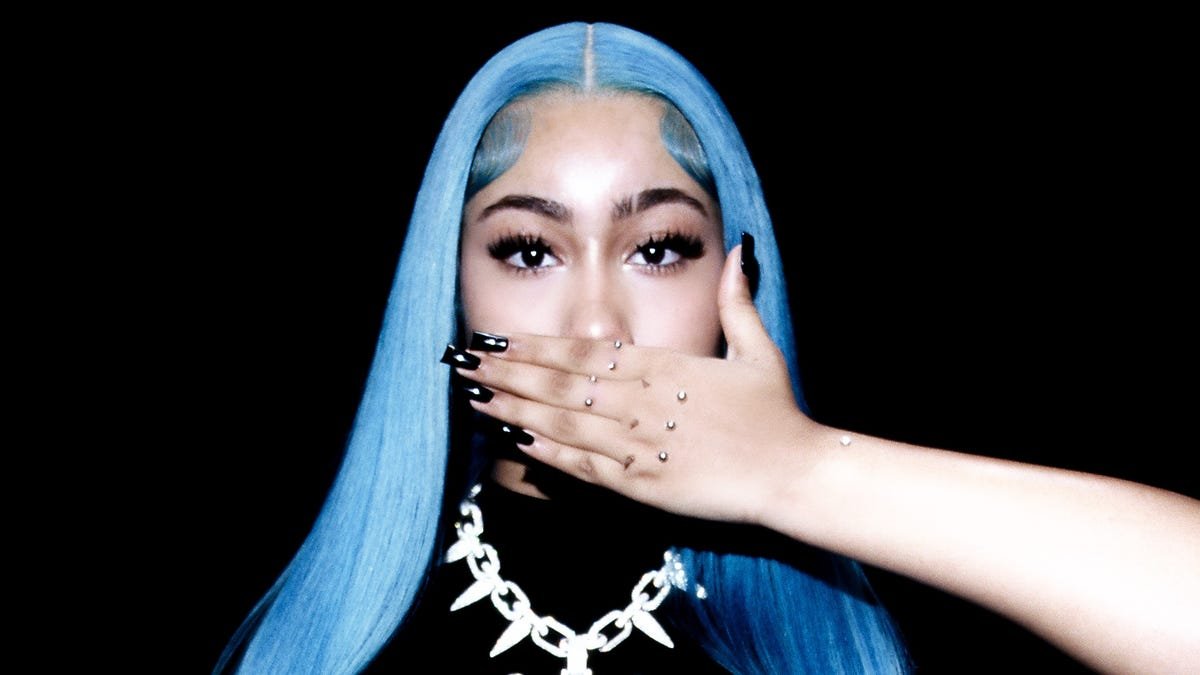
- Signature Style: Electric blue hair, piercings, and goth aesthetic inspired by Japanese virtual pop idol Hatsune Miku
- Career Advice: Called “start my career later” the worst advice she’s ever received
- Legal Context: Starbucks hires 14-year-olds in many states with proper work permits
- Brand Filing: Family filed trademark for “NOR11” fashion brand in July
The rising rapper and eldest child of the reality TV mogul and the Grammy-winning artist opened up about her aspirations in a cover story for the autumn 2026 issue of Dazed, published on Monday, Aug. 24. When asked what she would be doing if she weren’t a musician, North gave an unexpectedly grounded response.
“I still wanna work. I wanna work at, like, Starbucks next year,” she said in the interview. “I think I can next year ’cause I’m gonna be 14, so… I think I can. I want to have a regular job, I guess.”
Despite her unconventional upbringing as the child of two global icons and her already-established music career, North told the magazine she craves the normalcy that a typical part-time job might offer. Her statement comes just months after she released her debut six-track EP, “N0rth4evr,” in May and as she continues to make strides in the music industry. According to Dazed magazine’s official website, the autumn issue features North in an extensive profile that explores her creative journey and future aspirations beyond music.
North West’s Growing Music Career and Artistic Identity
While she may be eyeing a position at the coffee chain, North West is far from putting her music ambitions on hold. At just 13, she has already built an impressive resume in the entertainment industry. She released her debut solo single “Piercing On My Hand” in February, followed by her EP “N0rth4evr” in May.
The young artist has also performed alongside her father Ye at a concert in April, appeared at Rolling Loud in May with rapper Molly Santana, and delivered her first solo festival performance at Lyrical Lemonade’s Summer Smash Festival in Chicago in June. North has collaborated with several notable artists, including FKA Twigs on the 2025 track “Childlike Things” and Lil Novi, Wayne’s son, on the June track “Mula Tha Root of All Evil.”
Her signature look — electric blue hair, multiple piercings, and a goth aesthetic — has become a defining part of her artistic identity. The style is inspired by Japanese virtual pop idol Hatsune Miku, and North told Dazed she loves piercings because “they just make you your full self,” though she revealed her parents have placed some limits. “I really want to get my bridge pierced, but I’m not allowed,” she said. In the same interview, she discussed her expanding creative ambitions, including the recent trademark filing for “NOR11,” a fashion brand her family registered in July, signaling her interest in building a broader business empire beyond music.
In an interview with Billboard, industry experts have noted that North West career trajectory mirrors other young celebrities who leverage their platform to build sustainable careers, though her desire for a “regular job” sets her apart from typical celebrity kid narratives.
North West on Career Advice and Life Goals
North also spoke frankly about the pressures of being a teenager in the public eye and her priorities compared to her peers. “Everyone’s in love with boys, vaping and doing all kinds of bad stuff,” she said. “All I want is blue hair and piercings.”
When asked about the worst career advice she’s ever received, the young rapper didn’t hold back. She called the suggestion to “start my career later” the most misguided counsel she’s been given. “It’s like, nah, this is my hobby, this is what I like to do, this is what I wanna do with my life,” she explained. She added that she wishes she had started performing even earlier, saying, “I’ve been ready.”
North also revealed she no longer dreams of being a professional basketball player, a career aspiration she previously discussed in a 2023 i-D Magazine interview. Instead, her focus remains on music and creative expression. She described her “ideal day” as going to rehearsal, then heading to the studio, or performing at a big show. “I don’t like to rest a lot. I like to get stuff done,” she said.
Starbucks Hiring Age and the Appeal of a ‘Regular Job’
North’s desire for a Starbucks job at 14 highlights a contrast between her high-profile upbringing and her interest in everyday experiences. According to Starbucks’ official hiring policies, minimum age requirements vary by location. In most U.S. states, young workers can begin employment at 14 with proper work permits and restricted hours, though some states require employees to be at least 16. California, where North resides, generally allows 14-year-olds to work with a permit, though federal child labor laws limit hours during school sessions.
Child development experts suggest that North’s interest in a “regular job” reflects a healthy desire for independence and normalcy. Dr. Jennifer Hartstein, a child and adolescent psychologist who has worked with celebrity families, notes that part-time jobs can provide valuable life skills regardless of socioeconomic background. “Even for children of privilege, working in a service industry teaches responsibility, interpersonal skills, and the value of hard work,” she explained in a recent interview.
The teen’s comments have sparked widespread discussion online, with many social media users expressing amusement at the idea of a celebrity child seeking what she calls a “regular job” despite having access to immense wealth and opportunity. Some have praised her grounded perspective, while others view it through the lens of cultural discourse around privilege and the “nepo baby” phenomenon.
North’s interview with Dazed comes just weeks after her co-headlining tour with Molly Santana, The Kimokawaii Tour, was canceled without explanation. The tour was set to visit 14 cities across the country through August. Despite this setback, North released the haunting music video for her song “Aishite” (meaning “love me” in Japanese) from her EP shortly after, further cementing her commitment to her creative pursuits.
The Nepo Baby Conversation and Celebrity Kids in the Workforce
As the daughter of two of the world’s most famous celebrities, North West has grown up under an intense spotlight. Discussions around “nepotism babies” — children of famous parents who leverage family connections in their careers — have become a cultural touchstone in recent years. The term gained prominence in late 2022 and has since dominated conversations about privilege, merit, and opportunity in the entertainment industry.
North’s desire for a “regular job” stands in striking contrast to the typical narrative of celebrity offspring. While many children of stars pursue careers in entertainment, fashion, or business with significant family backing, North’s expressed interest in working behind a coffee counter represents an unusual departure from expected paths. This has prompted broader conversations about whether such statements reflect genuine desire or strategic image management in an era where relatability is increasingly valued among Gen Z and Gen Alpha public figures.
North has been candid about her ambitions from a young age. In a 2023 i-D Magazine interview at age 10, she listed her career goals: “A basketball player, a rapper… I’m going to do art on the side. Also, one day I want to own Yeezy and SKIMS, and I want to be a business owner.” Her latest revelation about working at Starbucks appears to reflect a desire for independence and a connection to ordinary life, even as she continues to pursue a high-profile career in music. When asked whether she still wants to be a basketball player, she replied, “Not anymore,” signaling a shift in her long-term aspirations.
The juxtaposition of North’s celebrity status with her desire for a “regular job” has fueled debate about whether such statements are performative or authentic. Some commentators note that even if she does work at Starbucks, her experience would differ dramatically from that of an average teenager due to security concerns, public recognition, and the inevitable media attention that would accompany her shifts. However, others argue that her expression of this desire reflects a refreshingly grounded perspective that many celebrity children lack.
The teen’s recent comments about wanting a regular job celebrity come as she continues to build a distinct public persona separate from her famous parents. With her debut EP, live performances, and distinctive aesthetic, North West is carving out a space in the entertainment world on her own terms — even if she also wants to make lattes along the way.
Whether North actually applies to Starbucks when she turns 14 remains to be seen, but her comments have already succeeded in capturing global attention and sparking conversations about privilege, career paths, and what it means to want a “regular job” in a world where your family’s net worth exceeds $2 billion. As the nepo baby discourse continues to evolve, North West’s unique positioning offers a fascinating case study in how the next generation of celebrity children is navigating public perception and personal aspiration.