Toyota’s V8: Powering More Than Just Supercars?
For a while now, whispers have circulated regarding Toyota’s development of a brand-new V8 engine. Initially, the hype centered on its potential use in ultra-high-performance supercars. But what if this powerhouse is destined for applications beyond just raw speed? What if it was meant for something a bit more…practical? The plot thickens, doesn’t it? Let’s dive in and take a closer look.
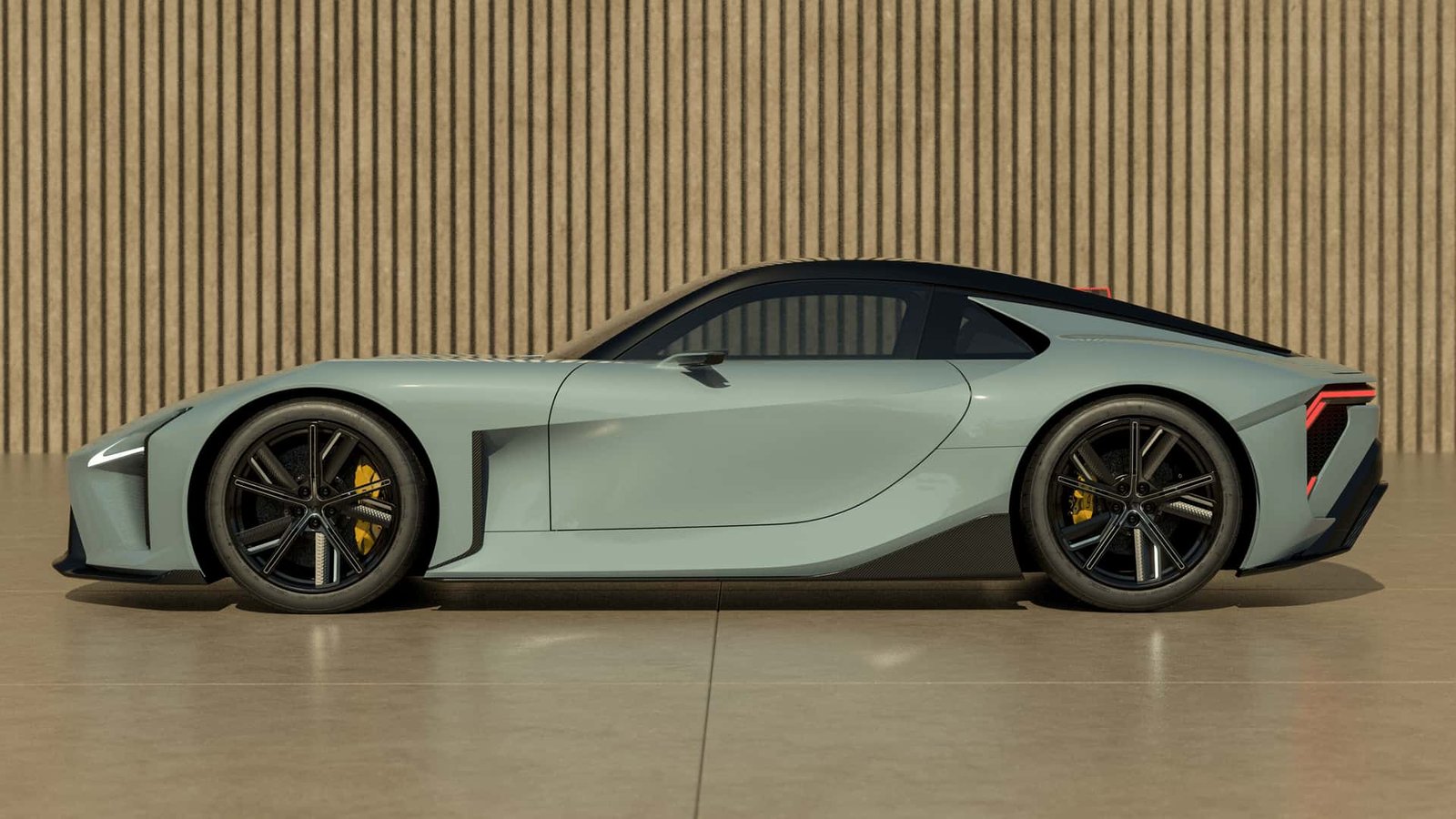
Understanding the V8 Buzz
Okay, so why all the excitement about a new engine? Well, for starters, V8 engines are iconic. They represent power, performance, and a certain…well, let’s be honest, a certain *coolness* that other engine configurations sometimes struggle to match. Plus, in an era where many manufacturers are downsizing engines or moving to electric powertrains, Toyota’s commitment to developing a new V8 is kind of refreshing. It feels like they’re doubling down on performance, which is exciting for car enthusiasts.
But it’s not just about nostalgia or the sound of eight cylinders thrumming. Modern V8s can be incredibly efficient and technologically advanced. They can incorporate features like direct injection, variable valve timing, and even hybrid systems to deliver both power and reasonable fuel economy. And that’s where the potential for broader applications really starts to emerge. Honestly, the possibilities feel endless. What’s more, Toyota’s dedication to exploring alternative fuel options like hydrogen could lead to some truly groundbreaking developments in engine technology. This could be a game-changer.
Key Benefits and Advantages
So, what would be the actual benefits of a new Toyota V8, beyond just bragging rights? Let’s break it down:
- Increased Power and Torque: This one’s obvious, right? A V8 generally provides significantly more power and torque than smaller engines, leading to improved acceleration, towing capacity, and overall driving experience.
- Enhanced Towing Capability: Imagine a Land Cruiser effortlessly hauling a boat or trailer up a steep grade. A V8 would make that a reality.
- Improved Off-Road Performance: Torque is king when you’re crawling over rocks or navigating challenging terrain. A V8 could provide the grunt needed to conquer even the toughest trails.
- A More Refined Driving Experience: A well-engineered V8 can offer a smoother, more responsive, and more luxurious driving experience compared to smaller, more stressed engines.
- Brand Halo: Let’s be honest, a V8 engine adds prestige and desirability to a vehicle. It can elevate the entire brand image.
These benefits aren’t just theoretical. They translate into real-world advantages for drivers. For example, think about the current Toyota Tundra pickup truck. While it offers a capable twin-turbo V6, a V8 option could attract buyers who prioritize raw power and towing capacity. I mean, who doesn’t want that?

Implementation Strategies
Step-by-Step Approach
Okay, so how could Toyota actually go about implementing this new V8 in different vehicles? Here’s what I think they might do:
- Start with a Flagship Vehicle: The most likely scenario is that the V8 would debut in a high-end model, like a next-generation Lexus sports car or a top-of-the-line Land Cruiser. This would allow Toyota to showcase the engine’s capabilities and justify its higher price point. If that sounds confusing, don’t worry, it’s a common strategy.
- Gradual Rollout: Once the engine is established, Toyota could gradually introduce it into other models, like the Tundra, Sequoia, or even future performance SUVs.
- Hybridization: To meet increasingly strict emissions regulations, Toyota could pair the V8 with a hybrid system. This would boost fuel economy and reduce emissions without sacrificing power.
- Explore Alternative Fuels: Toyota has been investing heavily in hydrogen technology. A hydrogen-powered V8 could be a game-changer, offering zero emissions without the range anxiety of electric vehicles.
Best Practices
To ensure a successful implementation, Toyota needs to follow a few key best practices:
- Focus on Reliability: Toyota is known for its reliability. The new V8 needs to uphold that reputation. Extensive testing and robust engineering are essential.
- Optimize for Efficiency: Even with a V8, fuel economy is important. Toyota needs to incorporate the latest technologies to maximize efficiency.
- Maintain the Toyota Driving Signature: The engine needs to feel like a Toyota engine. It should be smooth, responsive, and enjoyable to drive.
- Integrate Seamlessly: The engine needs to integrate seamlessly with the vehicle’s existing systems, including the transmission, suspension, and electronics.
Common Challenges and Solutions
Of course, developing and implementing a new V8 engine isn’t without its challenges. Here are a few potential obstacles and how Toyota might overcome them:
- Emissions Regulations: Meeting ever-tightening emissions standards is a major hurdle. Hybridization, alternative fuels, and advanced engine technologies are all potential solutions.
- Fuel Economy: V8 engines are often associated with poor fuel economy. Toyota needs to find ways to improve efficiency without sacrificing performance. Lighter materials and advanced combustion strategies could help.
- Cost: Developing and manufacturing a new V8 engine is expensive. Toyota needs to carefully manage costs to keep the engine affordable. Modular design and shared components could help.
- Competition: Toyota faces stiff competition from other automakers who are also developing advanced powertrains. They need to differentiate their V8 with unique features and technologies.
- Market Demand: The market for V8 engines is shrinking as more consumers switch to smaller engines or electric vehicles. Toyota needs to carefully assess market demand before investing heavily in a new V8.
Honestly, the biggest challenge might be convincing consumers that a V8 is still relevant in today’s world. But if Toyota can deliver a V8 that is both powerful and efficient, they might just be able to pull it off. What’s more, they could leverage their reputation for reliability to win over skeptical buyers.
Real-Life Applications and Examples
Okay, so where could we actually see this new Toyota V8 in action? Here are a few potential applications:
- Lexus LC F: A high-performance version of the Lexus LC coupe powered by the new V8 would be a direct competitor to the BMW M8 and Mercedes-AMG GT. It would be a true halo car for the Lexus brand.
- Toyota Land Cruiser: As mentioned earlier, a V8-powered Land Cruiser would be a beast off-road. It would also appeal to buyers who want a luxurious and capable SUV with serious towing capacity.
- Toyota Tundra: A V8 option for the Tundra pickup truck would make it more competitive with the Ford F-150, Chevrolet Silverado, and Ram 1500. It would give Toyota a stronger presence in the lucrative full-size truck market.
- Toyota Sequoia: The Sequoia SUV shares its platform with the Tundra. A V8 option for the Sequoia would offer similar benefits, making it a more appealing choice for families who need a spacious and powerful SUV.
- Future Performance SUVs: Toyota could develop new performance SUVs powered by the V8 to compete with models from BMW, Mercedes-Benz, and Audi. These SUVs could combine the practicality of an SUV with the performance of a sports car.
Let’s be honest, seeing a V8 Land Cruiser tearing through the desert would be pretty awesome. And a V8-powered Lexus LC F would be a serious threat to the established European sports car brands. These are exciting possibilities.
Speaking of Lexus, the future of Lexus performance is something to keep an eye on. Will the new V8 play a significant role in defining the brand’s direction? It certainly seems possible. What’s more, the potential for electric and hybrid technologies to enhance the V8’s performance could lead to some truly innovative powertrains.
Future Outlook and Trends
So, what does the future hold for Toyota’s new V8? Here’s what I think we can expect:
- Hybridization will become increasingly common: As emissions regulations tighten, Toyota will likely pair the V8 with a hybrid system to improve fuel economy and reduce emissions.
- Alternative fuels will be explored: Toyota is a leader in hydrogen technology. A hydrogen-powered V8 could be a game-changer, offering zero emissions without sacrificing performance.
- The engine will become more technologically advanced: Expect to see features like direct injection, variable valve timing, and cylinder deactivation to improve efficiency and performance.
- The engine will be used in a wider range of vehicles: Initially, the V8 will likely be limited to high-end models. But over time, it could be introduced into a wider range of vehicles, including pickup trucks and SUVs.
- The engine will evolve over time: Toyota will continue to refine and improve the V8, incorporating new technologies and features to keep it competitive.
The truth is, the future of the internal combustion engine is uncertain. But Toyota’s commitment to developing a new V8 suggests that they believe there is still a place for these engines in the years to come. And if they can deliver a V8 that is both powerful and efficient, they might just be right.
It seems that modularity is key. Uehara mentioned that the V8 engine block shares similarities with Toyota’s new 2.0-liter engine, the “G20E,” currently being tested in the GR Yaris M prototype. This modular design approach could streamline production and reduce costs. Here’s the thing: the GR Yaris M is a beast, and the four-cylinder unit is positioned behind the driver, resembling a miniature supercar!
While we’re on the topic of high-performance vehicles, it’s worth noting that Toyota’s GR division has been making waves with its exciting lineup of sports cars. The GR Supra and GR86 have both received rave reviews for their performance and driving dynamics. A V8-powered GR model would be a natural extension of this lineup, further solidifying Toyota’s commitment to performance. It’s exciting to see a manufacturer embracing both electric and combustion technologies.
The potential integration of this new V8 into the Land Cruiser lineup raises some interesting questions about the vehicle’s future. The Land Cruiser has a long and storied history as a rugged and reliable off-roader. But in recent years, it has also become a symbol of luxury and prestige. A V8 engine would certainly enhance the Land Cruiser’s luxury appeal, but it could also compromise its off-road capabilities if not properly engineered. It seems that Toyota will need to strike a delicate balance between performance and practicality.
Also, let’s not forget about the potential for this V8 to be used in racing applications. Toyota has a long and successful history in motorsports, and a V8-powered race car would be a natural extension of this legacy. Imagine a Toyota GR GT3 car powered by this new V8. It would be a formidable competitor on the world stage.
While the focus has been on supercars and off-road vehicles, there’s also the possibility that this new V8 could find its way into other unexpected applications. Perhaps a high-performance sedan or even a luxury van? The possibilities are truly endless. I couldn’t help but think, Toyota’s willingness to explore different possibilities is what makes them such an interesting company to watch.
The development of this new V8 also highlights Toyota’s commitment to innovation. In a world that is increasingly focused on electric vehicles, Toyota is still investing in internal combustion engine technology. This is a bold move, but it could pay off in the long run if Toyota can deliver a V8 that is both powerful and efficient. Trust me, that can save you a lot of time.
Toyota’s recent partnership with other automakers to develop sustainable fuels could also play a role in the future of this V8. By working together, these companies can accelerate the development of alternative fuels that could reduce emissions from internal combustion engines. This is a promising development that could help to keep V8 engines relevant for years to come.
The potential impact of this new V8 extends beyond just Toyota. It could also have a ripple effect on the entire automotive industry. If Toyota can successfully develop and market a V8 engine that is both powerful and efficient, it could inspire other automakers to do the same. This could lead to a resurgence in V8 engine technology, benefiting consumers and the environment alike. It’s kind of funny how one engine could have such a wide-ranging impact.
Ultimately, the success of Toyota’s new V8 will depend on a number of factors, including market demand, emissions regulations, and the company’s ability to innovate. But one thing is for sure: this engine has the potential to be a game-changer. It could redefine what it means to be a V8 engine in the 21st century. And that’s actually quite surprising.
The news surrounding Toyota’s potential entry into the world of electric vehicles is also worth mentioning. While the company is committed to developing internal combustion engines, it is also investing heavily in electric vehicle technology. This suggests that Toyota is hedging its bets, preparing for a future where both electric and combustion engines coexist. The interplay between these two technologies could lead to some truly innovative powertrains.
The speculation surrounding Toyota’s new V8 has also sparked a debate among car enthusiasts about the future of the internal combustion engine. Some believe that the V8 is a dying breed, destined to be replaced by electric motors. Others believe that the V8 still has a place in the automotive landscape, as long as it can be made more efficient and environmentally friendly. This debate is likely to continue for years to come, as the automotive industry undergoes a period of rapid transformation.
The recent surge in popularity of vintage cars has also contributed to the renewed interest in V8 engines. Many car enthusiasts are drawn to the raw power and sound of classic V8s. This nostalgia for the past could help to keep V8 engines relevant in the future, as long as automakers can find ways to modernize them. It’s amazing how the past can influence the future.
The modularity of the engine block, as highlighted by Uehara’s comments, suggests that Toyota is aiming for a versatile design that can be adapted to various applications. This approach could help to reduce development costs and streamline production. The fact that the V8 shares similarities with the 2.0-liter engine used in the GR Yaris M prototype is a testament to Toyota’s engineering prowess. It’s exciting to see how these different technologies can be combined to create something truly special.
While the initial focus has been on potential applications in supercars and off-road vehicles, there’s also the possibility that this new V8 could be used in commercial vehicles. Imagine a Toyota HiAce van powered by a V8 engine. It would be a formidable competitor in the commercial vehicle market, offering both power and reliability. This is just one example of the many unexpected applications that this new V8 could have.
The development of this new V8 also underscores Toyota’s commitment to its employees and the communities in which it operates. By investing in new engine technology, Toyota is creating jobs and supporting local economies. This is an important consideration in today’s world, where many companies are outsourcing jobs to other countries. It’s refreshing to see a company that is committed to its employees and its communities.
The potential for this new V8 to be used in racing applications is also worth exploring. Toyota has a long and successful history in motorsports, and a V8-powered race car would be a natural extension of this legacy. Imagine a Toyota GR Super GT car powered by this new V8. It would be a formidable competitor on the Japanese Super GT circuit. This is just one example of the many exciting possibilities that this new V8 could unlock.
The buzz surrounding Toyota’s new V8 has also created a sense of anticipation among car enthusiasts. Many are eagerly awaiting the opportunity to see this engine in action. This anticipation is a testament to Toyota’s reputation for quality and innovation. It’s exciting to be a part of this journey, as we wait to see what Toyota has in store for us.
So, while the initial rumors focused on supercars, it seems that Toyota’s new V8 could have a much broader impact on the automotive world. From enhancing the Land Cruiser’s off-road prowess to powering future Lexus performance models, the possibilities are truly exciting. We’ll just have to wait and see what Toyota decides to do with this powerhouse of an engine. But one thing is for sure: it’s going to be an interesting ride.
Conclusion: Key Takeaways and Next Steps
At the end of the day, Toyota’s new V8 represents more than just a powerful engine. It symbolizes the company’s commitment to innovation, performance, and a diverse range of applications. Whether it ends up in a supercar, a Land Cruiser, or something else entirely, this engine has the potential to shake up the automotive world. So, what are the key takeaways?
- Toyota is developing a new V8 engine.
- The engine could be used in a variety of vehicles, including supercars, SUVs, and pickup trucks.
- The engine could be paired with a hybrid system or run on alternative fuels.
- The engine represents Toyota’s commitment to innovation and performance.
What next steps should you take? Stay informed about Toyota’s future announcements. Follow automotive news outlets for updates on the V8’s development and potential applications. And most importantly, keep an open mind about the future of the internal combustion engine. Who knows? Maybe Toyota’s new V8 will surprise us all.
Now, with all this in mind, what vehicles do YOU think would benefit most from Toyota’s new V8? Let’s get the discussion started!