You know that feeling, right? That gut-wrenching moment when a character you adore on screen faces certain doom, and your heart leaps into your throat? It’s a signature move of shows like Stranger Things, keeping us on the edge of our seats, breath held, wondering who will make it out of Hawkins alive. But what if some of the most iconic, utterly essential faces of the show were almost… gone? Just imagine, for a moment, the vibrant world of the Upside Down, the heartfelt friendships, the thrilling chases, but without some of the very people who make it special. It’s almost unthinkable, isn’t it? Well, buckle up, because the creators themselves, the brilliant Duffer Brothers, recently dropped a bombshell that has fans reeling: two main characters they initially planned to kill off, drastically altering the fabric of the series as we know it. And yes, for many, the biggest shockwave came from the revelation that our beloved “babysitter” Steve Harrington was very nearly among the fallen. This isn’t just a minor plot point; it’s a testament to the organic, evolving nature of storytelling and the profound impact actors can have on their characters. It really makes you wonder about all the other near-misses in our favorite shows, doesn’t it? The sheer thought of losing them sends shivers down my spine, even knowing they ultimately survived.
The Revelation: A Creative Shift in Hawkins
The news, which surfaced during recent interviews and retrospective discussions about the show’s development, sent a genuine jolt through the devoted Stranger Things fandom. Ross and Matt Duffer, the masterminds behind the hit Netflix series, candidly admitted that early drafts and ideas for the show’s progression included the deaths of two significant characters. “We often go into a season with a lot of ideas, and then the story starts to tell us what it needs,” Matt Duffer explained during a podcast, his voice hinting at the fluid nature of their creative process. “Sometimes, characters just take on a life of their own.” This kind of organic development, where characters evolve beyond their initial conception, is truly fascinating. It underscores how much a writer’s room is a living, breathing entity, constantly adapting to the performances of its cast and the narrative beats that emerge. What started as simple outlines can morph into complex, beloved personalities, powerful enough to change the very course of the story. It’s a testament to the magic of collaboration, where the initial vision is merely a starting point.
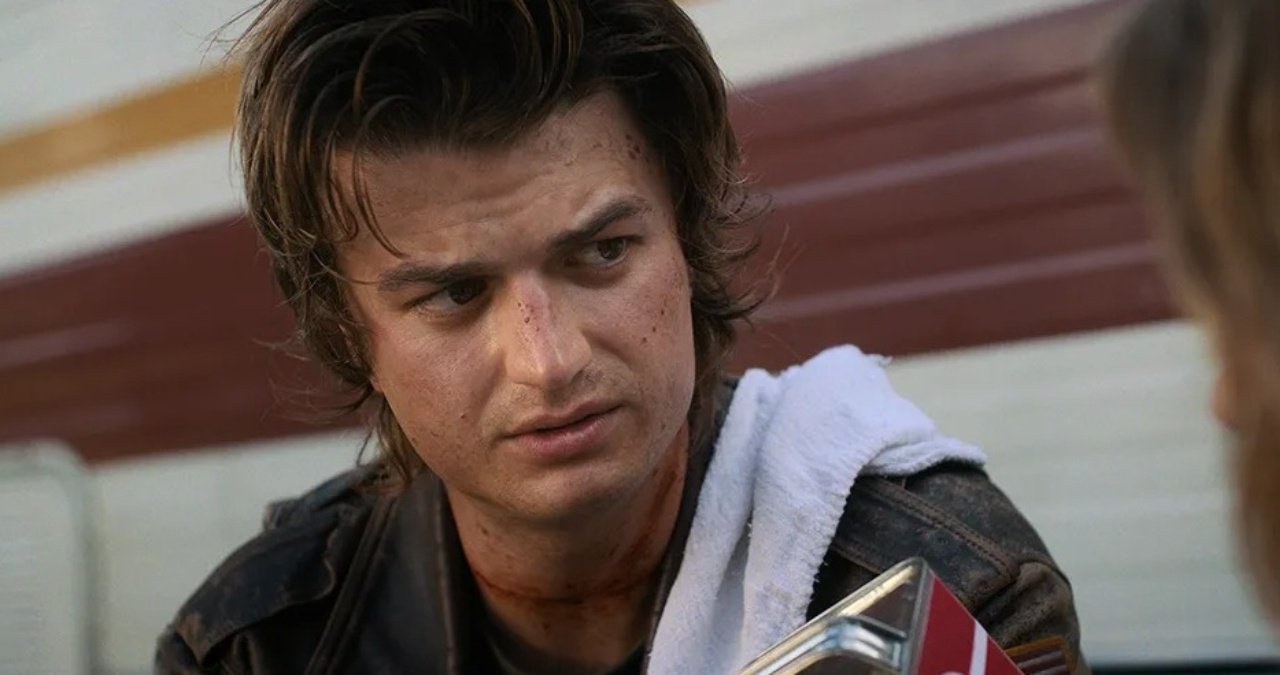
The brothers confirmed that one of these characters was, indeed, Steve Harrington. For anyone who has followed Steve’s incredible journey from arrogant jock to caring protector, this revelation is nothing short of astounding. I mean, could you imagine the show without him? His transformation is one of the most compelling arcs in modern television! But the bigger question, the one that immediately started buzzing through fan communities, was: who was the second character? The Duffers kept that a bit more under wraps initially, perhaps to maintain a shred of mystery or to avoid inadvertently spoiling potential future plot points, but hints soon emerged. This secrecy only fueled more speculation, with fans debating endlessly about who else was on the chopping block. It’s almost cruel, in a way, to give us this information and then make us guess, but it certainly keeps us engaged, doesn’t it? The air was thick with theories, with names like Nancy, Jonathan, Hopper, and even Joyce thrown into the mix. Each name brought a fresh wave of “what ifs” and “oh no, not them!”
Steve Harrington’s Improbable Survival and Iconic Transformation
When Stranger Things first premiered, Steve Harrington was introduced as the quintessential 80s high school bully – popular, a bit of a jerk, and seemingly destined to be an antagonist or, at best, a minor character who served as a hurdle for the protagonists. His initial role was to be Nancy Wheeler’s somewhat controlling boyfriend, a foil to Jonathan Byers, and a general nuisance to the younger kids. “He was written as a big jerk,” Ross Duffer admitted, laughing. “We were just going to kill him off.” The plan, apparently, was for Steve to meet his untimely end in the first season, perhaps during the climactic confrontation with the Demogorgon. It’s almost hard to picture now, isn’t it? His character was, in essence, disposable.
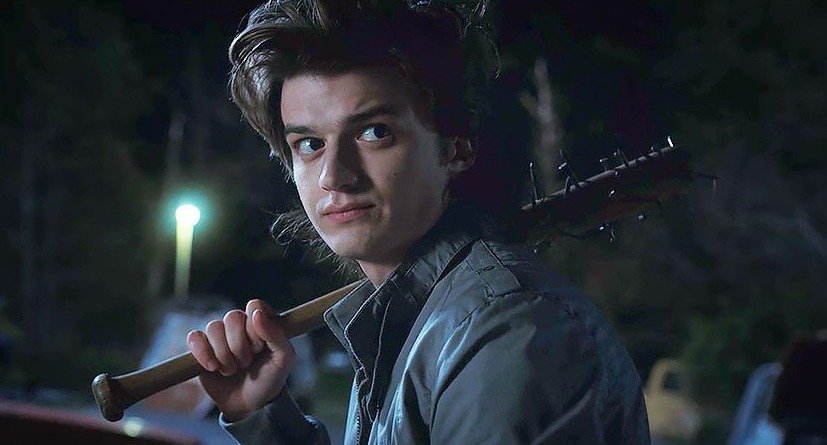
However, a remarkable thing happened. The actor portraying Steve, Joe Keery, infused the character with a charisma and depth that went far beyond the script. His performance hinted at vulnerabilities and complexities that the Duffer Brothers hadn’t initially envisioned. “Joe Keery is just so likable,” Matt Duffer elaborated. “Once we started seeing what he was doing with the character, we knew we couldn’t kill him.” Keery’s ability to inject genuine warmth and eventual selflessness into Steve transformed him from a one-dimensional antagonist into a multi-layered hero. By Season 2, he had fully embraced his role as the reluctant “babysitter” of the younger kids, forming an unforgettable bond with Dustin Henderson, providing some much-needed comic relief, and demonstrating incredible bravery. His character arc is arguably one of the most satisfying in the entire series, a true testament to how an actor can elevate a role and fundamentally alter the narrative trajectory of a show. Honestly, I can’t imagine anyone else in that role, or the series without his growth. It would have left a huge hole.
The Other Character: Max Mayfield’s Near Demise
While Steve’s near-death experience was a shock, the identity of the second character almost written off carries a different kind of weight, especially after the events of Season 4. The Duffer Brothers later clarified that the other character they considered killing off was none other than Max Mayfield. This reveal, though not as initially surprising to some given her harrowing experiences, still hits hard. Max, portrayed by the incredibly talented Sadie Sink, has become a pivotal figure, especially in the exploration of trauma, grief, and resilience. Her journey, particularly in Season 4, saw her directly targeted by Vecna, enduring unimaginable psychological torment and physical danger.

The initial consideration for Max’s death likely stemmed from the need to raise the stakes and demonstrate the true horror of the Upside Down. “We always knew we wanted to push the boundaries of what could happen to our characters,” Ross Duffer said in a follow-up interview. “Max’s storyline was inherently dangerous.” Had they followed through with her death, the emotional repercussions would have been devastating for Lucas, El, and the entire group. It would have undeniably added a profound sense of loss and despair, making the enemy feel even more insurmountable. Her arc, however, has become a powerful narrative engine, exploring themes of mental health and finding strength in vulnerability. Sadie Sink’s phenomenal performance, especially her “Running Up That Hill” scene, undoubtedly cemented Max’s indispensable role in the ongoing saga. She brought such a raw, visceral emotion to the character that it became impossible to imagine her story ending so abruptly. I, for one, was terrified throughout Season 4 that she wouldn’t make it.
The Art of Character Survival: Balancing Stakes and Audience Attachment
The decision to spare Steve Harrington and Max Mayfield offers a fascinating glimpse into the delicate balance showrunners must strike between maintaining narrative tension through high stakes and preserving characters that resonate deeply with the audience. On one hand, killing off beloved characters can shock viewers, proving that no one is truly safe and making every subsequent danger feel more real. It demonstrates a commitment to storytelling that prioritizes impact over comfort. Think of shows like “Game of Thrones,” where major character deaths were commonplace, keeping audiences constantly on edge.
However, there’s a fine line. Killing off too many fan favorites, or doing so without sufficient narrative justification, can alienate viewers, making them feel their emotional investment was for naught. It can erode goodwill and lead to a sense of nihilism where stakes feel meaningless because the writers might just “undo” everything. The Duffer Brothers’ choice suggests a deep understanding of their audience’s connection to the Hawkins crew. “Sometimes a character just becomes too important to the heart of the show,” Matt Duffer noted. It’s a pragmatic decision, but also an emotional one, acknowledging the living, breathing relationship between story and viewership. They understood that Steve had become the older brother figure everyone needed, and Max the embodiment of youthful resilience in the face of immense trauma. Their survival wasn’t just plot convenience; it was a recognition of their profound narrative and emotional value.
What If? Alternate Realities in Hawkins
It’s truly mind-boggling to imagine how different Stranger Things would be if the Duffer Brothers had stuck to their original plans. If Steve Harrington had died in Season 1, his entire redemption arc – his transformation from a shallow jock to a brave, loyal “babysitter” – would never have happened. We would have missed out on his hilarious and heartwarming dynamic with Dustin, a relationship that has become a cornerstone of the show’s emotional core. Who would have driven the kids around, offering life advice and fighting Demodogs with a nail-bat? His absence would have left a significant void, not just in the action sequences, but in the show’s emotional landscape and its unique brand of humor. The “Dad Steve” persona is an undeniable highlight, and without it, the series would feel less complete, less endearing.
Similarly, if Max Mayfield had died earlier, particularly given her critical role in Season 4, the narrative weight of Vecna’s threat would have been felt differently. Her near-fatal encounter and subsequent coma left El and Lucas with immense guilt and a desperate drive to save her. This lingering tragedy provides a powerful emotional engine for the final season. Without Max, the exploration of grief, friendship, and the power of memory in the face of overwhelming darkness would have been severely curtailed. Her struggle against Vecna, fueled by Kate Bush’s “Running Up That Hill,” became one of the most iconic and emotionally resonant sequences in the entire series. Her survival, even in a precarious state, gives hope and a clear goal for our heroes. The thought of losing her earlier would have robbed the audience of seeing Sadie Sink’s incredible range and the character’s profound impact. The show truly found its footing by allowing these characters to grow and challenge initial expectations.
The Enduring Impact of Creative Choices
The Duffer Brothers’ willingness to deviate from their initial outline, driven by the performances of their actors and the organic evolution of their characters, is a powerful lesson in storytelling. It highlights that even in a tightly plotted series like Stranger Things, there’s room for flexibility, for characters to surprise their creators just as much as they surprise the audience. This kind of adaptable creative process is what breathes life into fictional worlds, making them feel authentic and unpredictable. It’s not just about adhering to a rigid plan; it’s about listening to the story as it unfolds and recognizing when a character has become too vital to discard.
As we eagerly await the final season of Stranger Things, this revelation about Steve and Max’s near-deaths only amplifies the anticipation. It reminds us of the precariousness of their existence in Hawkins and the constant threat of the Upside Down. Knowing that these beloved figures were almost written out makes their presence feel even more precious, their triumphs more hard-won, and their continued survival something to truly cherish. We’re left wondering if the Duffer Brothers will be so merciful in the upcoming conclusion. Will our heroes finally face losses that stick, or will their powerful connection to the audience once again sway the creative hand? Only time will tell, but one thing is certain: the journey with these characters, nearly lost but ultimately saved, has been an unforgettable ride.
Frequently Asked Questions
| Which two main characters did the Stranger Things creators almost kill? | The Duffer Brothers, creators of Stranger Things, revealed they almost killed off two main characters: Steve Harrington and Max Mayfield. |
| How did Joe Keery’s performance influence Steve’s survival? | Joe Keery’s charismatic and nuanced portrayal of Steve Harrington, which injected unexpected depth and likability into the character, convinced the Duffer Brothers to change their initial plans and keep him alive, leading to his significant character arc. |
| Why do creators consider killing off beloved characters? | Creators often consider killing off beloved characters to raise the stakes, demonstrate the genuine danger faced by protagonists, and add significant emotional weight to the narrative. It can make the fictional world feel more real and unpredictable. |
| What would have been the narrative impact if Steve or Max had died? | If Steve had died, his iconic redemption arc and heartwarming friendships (especially with Dustin) would be lost, leaving a major void in the show’s humor and heart. If Max had died, particularly earlier, the show would lose a crucial character exploring themes of trauma and resilience, and the emotional impact on Lucas and El would be profoundly different, altering the motivations for facing Vecna. |
| How does this revelation affect anticipation for the final season of Stranger Things? | The revelation heightens anticipation for the final season by reminding viewers of the constant danger and the Duffer Brothers’ willingness to consider major character deaths. It makes every character’s fate feel more precarious, adding to the tension and emotional investment in the upcoming conclusion. |
Important Notice
This FAQ section addresses the most common inquiries regarding the topic.