The scene: Gate C23 at Denver International Airport. It’s 6:00 AM, the sky still holding onto the last vestiges of night. The air is thick with the aroma of lukewarm coffee and the low hum of rolling suitcases. And then, you see them. A family, clad head-to-toe in matching, brightly colored pajamas, shuffling towards the boarding line. Are they heading to a slumber party or catching a flight to Cancun? According to Transportation Secretary Sean Duffy, this increasingly common sight is a symptom of a larger problem: a decline in civility, particularly when it comes to air travel. He believes it’s time to draw a line, starting with the banishment of pajamas on airplanes. It sounds almost comical, doesn’t it? But Duffy insists it’s a serious matter, one that reflects a broader erosion of standards. (I have to admit, I’ve seen some questionable outfits on flights myself – a full-body Spiderman suit comes to mind.) The debate, as you might imagine, is heating up faster than the coffee they serve on those early morning flights. Some argue that comfort is king, especially on long-haul journeys, while others echo Duffy’s sentiments, claiming that wearing pajamas in public, especially on an airplane, is simply disrespectful. Where do you stand on this sartorial battlefield?
This isn’t just about comfort versus style; it’s about a perceived breakdown in social norms. Duffy’s stance, while perhaps controversial, taps into a growing unease about the casualization of society. Think about it: sweatpants at fancy restaurants, baseball caps at weddings, and now, pajamas on airplanes. Is this the future we want? Or is it time to reclaim a sense of formality, at least in certain settings? The Transportation Secretary, it seems, is drawing a line in the sand, or rather, in the aisle of a Boeing 737. His call for a return to civility has sparked a national conversation, forcing us to confront our own comfort levels (pun intended!) and consider the impact of our clothing choices on those around us. And it’s not just Duffy; airline staff are reportedly growing tired of the “anything goes” mentality. One anonymous flight attendant told us, “It’s not just the pajamas. It’s the bare feet, the offensive t-shirts, the general lack of awareness of other passengers. It’s exhausting.”
The question isn’t necessarily about the pajamas themselves, but what they represent. Are we becoming a society that prioritizes individual comfort above all else, even at the expense of common decency? Or is Duffy’s stance simply an outdated and elitist view of what constitutes appropriate attire? As airlines continue to pack passengers into ever-smaller spaces, tensions are bound to rise. And perhaps, the seemingly trivial issue of airplane pajamas is just the tip of the iceberg, a symptom of a deeper malaise in our increasingly polarized world. So, buckle up, because this debate is about to take off. (Sorry, I couldn’t resist!)

The Pajama Paradox: Comfort vs. Civility
The crux of the argument surrounding pajamas on airplanes lies in the delicate balance between personal comfort and public decorum. On one hand, air travel can be a grueling experience, especially on long-haul flights. Passengers often seek refuge in comfortable clothing to alleviate the discomfort of cramped seats, dry air, and unpredictable turbulence. Proponents of pajama-wearing argue that it’s a harmless way to enhance their journey and prioritize their well-being. They might say, “If I’m not bothering anyone, what’s the harm in wanting to be comfortable?”
On the other hand, critics, like Secretary Duffy, contend that wearing pajamas in public, particularly in a confined space like an airplane, undermines a sense of civility and respect for fellow passengers. They believe that maintaining a certain standard of dress is essential for fostering a positive and orderly environment. “Where does it end? Are we going to start seeing people in bathrobes and slippers next?” one disgruntled traveler questioned. This perspective emphasizes the importance of upholding social norms and presenting oneself in a presentable manner, even during travel.

Sean Duffy’s Stance: A Call for Decency?
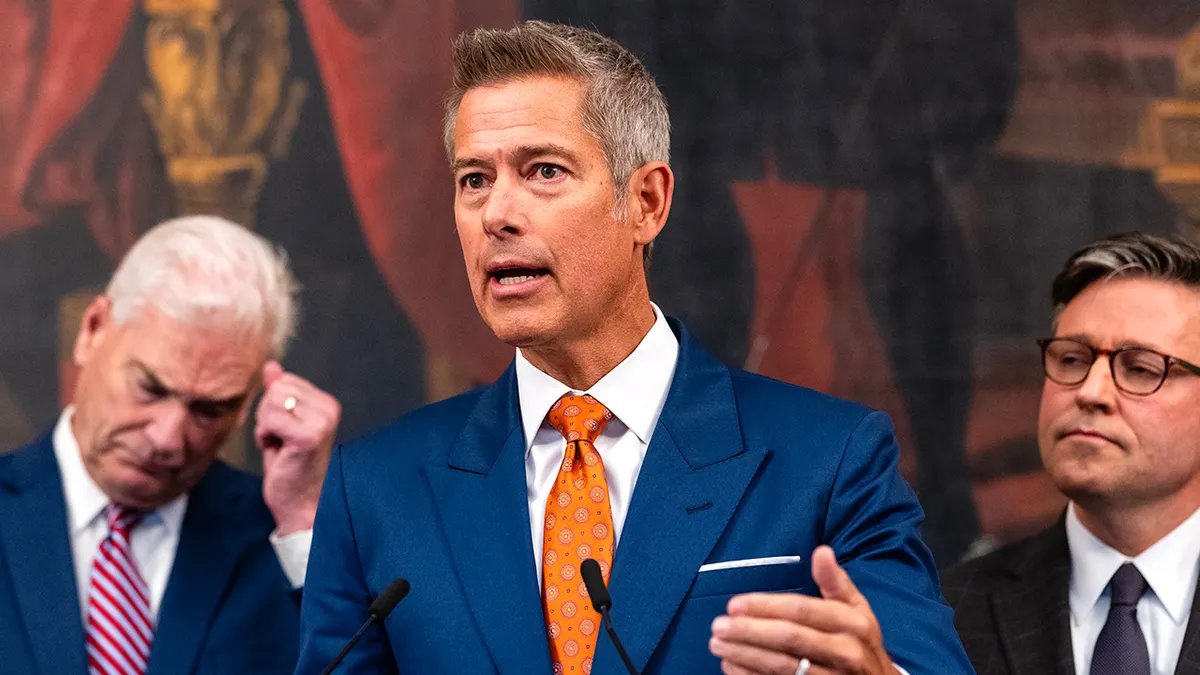
Transportation Secretary Sean Duffy has emerged as a vocal advocate for a return to what he perceives as traditional standards of civility. His comments about pajamas on airplanes were not made in isolation; they are part of a broader effort to address what he sees as a decline in public decorum. Duffy believes that the way we dress reflects our respect for ourselves and others, and that maintaining a certain level of formality is essential for a well-functioning society. “It’s not about being stuffy,” Duffy stated in a recent interview. “It’s about showing respect for the shared space and the people around you.”
Duffy’s stance has resonated with many who feel that standards have slipped in recent years. They applaud his willingness to address what they see as a legitimate concern, and they believe that his comments will spark a much-needed conversation about the importance of civility in public life. However, his views have also drawn criticism from those who accuse him of being out of touch and imposing his personal preferences on others. Is it really the role of the Transportation Secretary to dictate what people wear on airplanes? That’s the question many are asking.
The Comfort Revolution: Is There a Limit?
The rise of casual wear, including the increasing popularity of pajamas on airplanes, can be seen as part of a broader “comfort revolution.” In a world that is increasingly fast-paced and stressful, people are seeking ways to prioritize their comfort and well-being. This has led to a blurring of the lines between private and public attire, as people increasingly embrace clothing that is both comfortable and versatile. Athleisure wear, for example, has become a staple in many wardrobes, blurring the lines between workout clothes and everyday wear.
However, this comfort revolution has also sparked a debate about where to draw the line. Are there certain settings where a higher standard of dress is still required, even if it means sacrificing some level of comfort? Many argue that airplanes, as public spaces where people are in close proximity to one another, are one such setting. They believe that maintaining a certain level of formality is essential for creating a positive and respectful environment. But others argue that comfort should always be the top priority, especially when it comes to air travel. After all, they say, flying is stressful enough without having to worry about adhering to outdated dress codes.

Airline Dress Codes: A Thing of the Past?
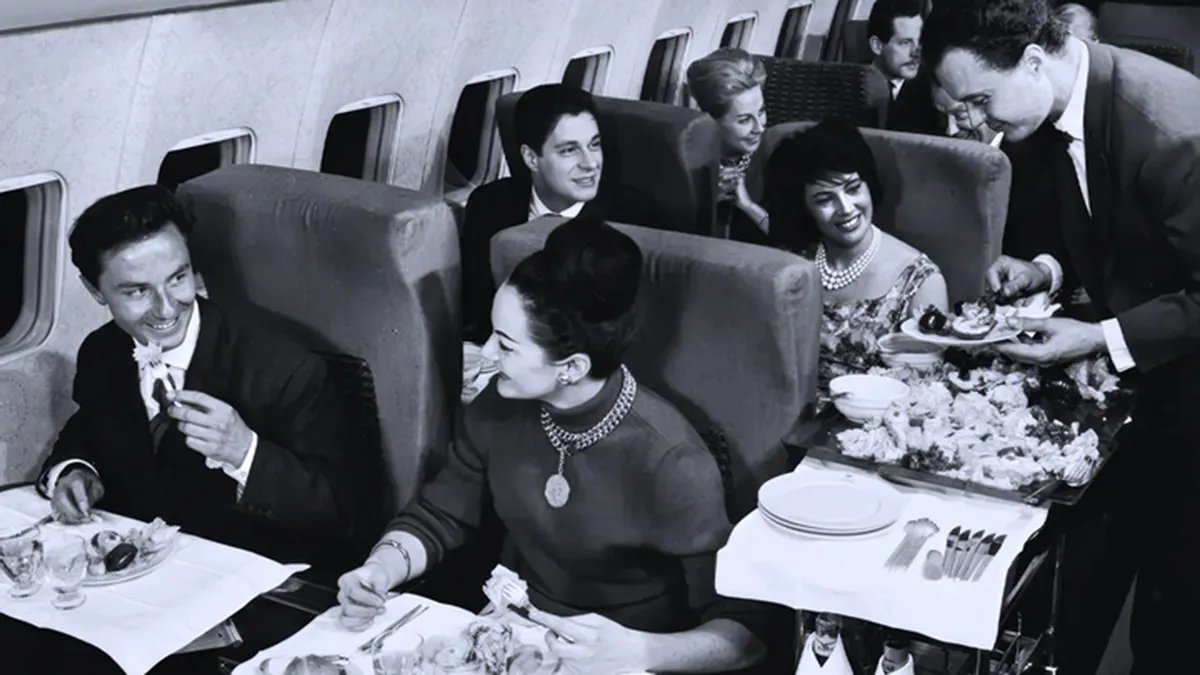
Historically, airlines had strict dress codes that dictated what passengers could and could not wear. These dress codes were often seen as a reflection of the glamour and exclusivity associated with air travel. However, as air travel became more accessible to the masses, these dress codes gradually faded away. Today, most airlines have relatively relaxed dress codes, focusing primarily on safety and hygiene. For example, airlines may prohibit clothing that is offensive, revealing, or that could pose a safety hazard.
However, the debate over pajamas on airplanes raises the question of whether airlines should consider reintroducing some form of dress code. While it’s unlikely that airlines will return to the strict standards of the past, some argue that there is a need for clearer guidelines about what is considered appropriate attire. This could help to address concerns about declining civility and ensure that all passengers feel comfortable and respected. Of course, any attempt to reintroduce dress codes would likely be met with resistance from those who value comfort and self-expression.

The Impact on Flight Attendants
Flight attendants are often on the front lines of the debate over pajamas on airplanes and other issues related to passenger behavior. They are tasked with enforcing airline policies and ensuring the safety and comfort of all passengers. This can be a challenging job, especially when dealing with passengers who are unwilling to comply with the rules or who are simply unaware of the impact of their behavior on others.
Many flight attendants have expressed frustration with the increasing casualization of air travel. They report that they are seeing more and more passengers who are dressed inappropriately, behaving rudely, and generally lacking in consideration for others. This can make their job more difficult and stressful, and it can also create a negative environment for other passengers. As one flight attendant confided, “We’re not the fashion police, but sometimes I wish we were. It’s just common courtesy, you know?” The added stress can even affect their well-being, contributing to burnout and decreased job satisfaction.
Social Media’s Take: A Divided Opinion
As expected, the debate surrounding pajamas on airplanes has exploded on social media. Twitter, Facebook, and Instagram are filled with opinions ranging from staunch support for Duffy’s stance to vehement opposition. The hashtag #PajamaGate has even emerged, encapsulating the controversy.
Some users are sharing photos of themselves wearing pajamas on airplanes, defiantly challenging Duffy’s call for civility. Others are posting memes and satirical comments mocking the idea of a dress code on flights. Meanwhile, a counter-movement is gaining momentum, with users sharing stories of uncomfortable or offensive experiences on airplanes caused by inappropriately dressed passengers. The debate highlights the deep divisions in society about issues of personal freedom, social norms, and the role of government in regulating individual behavior. It seems everyone has an opinion, and they are not afraid to share it.

Finding a Middle Ground: Is Compromise Possible?
Perhaps the solution to the pajamas on airplanes debate lies in finding a middle ground. Instead of imposing strict dress codes, airlines could focus on promoting a culture of respect and consideration among passengers. This could involve providing clearer guidelines about what is considered appropriate attire, encouraging passengers to be mindful of their fellow travelers, and empowering flight attendants to address issues of inappropriate behavior.
Ultimately, the goal should be to create a comfortable and enjoyable travel experience for everyone, without sacrificing civility or respect. This may require some compromise on both sides, but it is essential for fostering a positive and harmonious environment on airplanes. Maybe “smart casual” becomes the new normal? Or perhaps airlines could offer “pajama-friendly” flights with relaxed dress code policies. The possibilities are endless, as long as we’re willing to engage in open and respectful dialogue.
The discussion initiated by Transportation Secretary Duffy regarding the appropriateness of wearing pajamas on airplanes has unveiled deeper societal questions about the balance between personal expression and collective standards. While there’s no definitive answer, it’s clear that the conversation itself is valuable. It prompts each of us to reflect on our choices and their impact on the shared spaces we inhabit. Whether you’re a staunch supporter of in-flight comfort or a proponent of upholding traditional decorum, the key lies in considering the perspectives of others. It might be time to re-evaluate our travel wardrobes and ask ourselves: Am I prioritizing comfort at the expense of common courtesy? Perhaps the answer lies not in strict regulations, but in fostering a greater sense of awareness and empathy among travelers.
Frequently Asked Questions
| Why is wearing pajamas on airplanes controversial? | The controversy stems from differing views on personal comfort versus public decency. Some believe wearing pajamas is disrespectful to other passengers and undermines civility, while others argue that comfort should be prioritized, especially on long flights. |
| What are the benefits of a more formal dress code on airplanes? | A more formal dress code could promote a greater sense of respect, civility, and order on airplanes. It may also enhance the overall travel experience by creating a more positive and professional atmosphere. |
| How can airlines implement a more civil dress code? | Airlines could provide clearer guidelines about acceptable attire, encourage passengers to be mindful of their clothing choices, and empower flight attendants to address instances of inappropriate dress. Educational campaigns and social media outreach could also help. |
| What are the challenges of enforcing a dress code on airplanes? | Challenges include resistance from passengers who value comfort and self-expression, the difficulty of defining “appropriate” attire, and the potential for subjective or discriminatory enforcement. Balancing passenger comfort with the desire for a more civil environment is key. |
| What is the future of travel attire? | The future likely lies in a compromise that balances comfort with respect. Airlines may adopt more flexible guidelines, encouraging passengers to be mindful of their clothing choices without imposing strict dress codes. Ultimately, fostering a culture of consideration among travelers will be crucial. |
Important Notice
This FAQ section addresses the most common inquiries regarding the topic.