Diablo 4’s Gauntlet: Conquer Sanctuary in Solo Self-Found Mode
Are you ready for the ultimate Diablo 4 challenge? Forget relying on friends, trading for gear, or power-leveling through dungeons. Diablo 4 is gearing up to unleash a Solo Self-Found (SSF) mode, and trust me, it’s a game-changer. This isn’t just another difficulty setting; it’s a complete reimagining of how you experience Sanctuary, forcing you to rely solely on your own skill, knowledge, and the loot you find along the way. It feels like a true test of what you’ve learned.

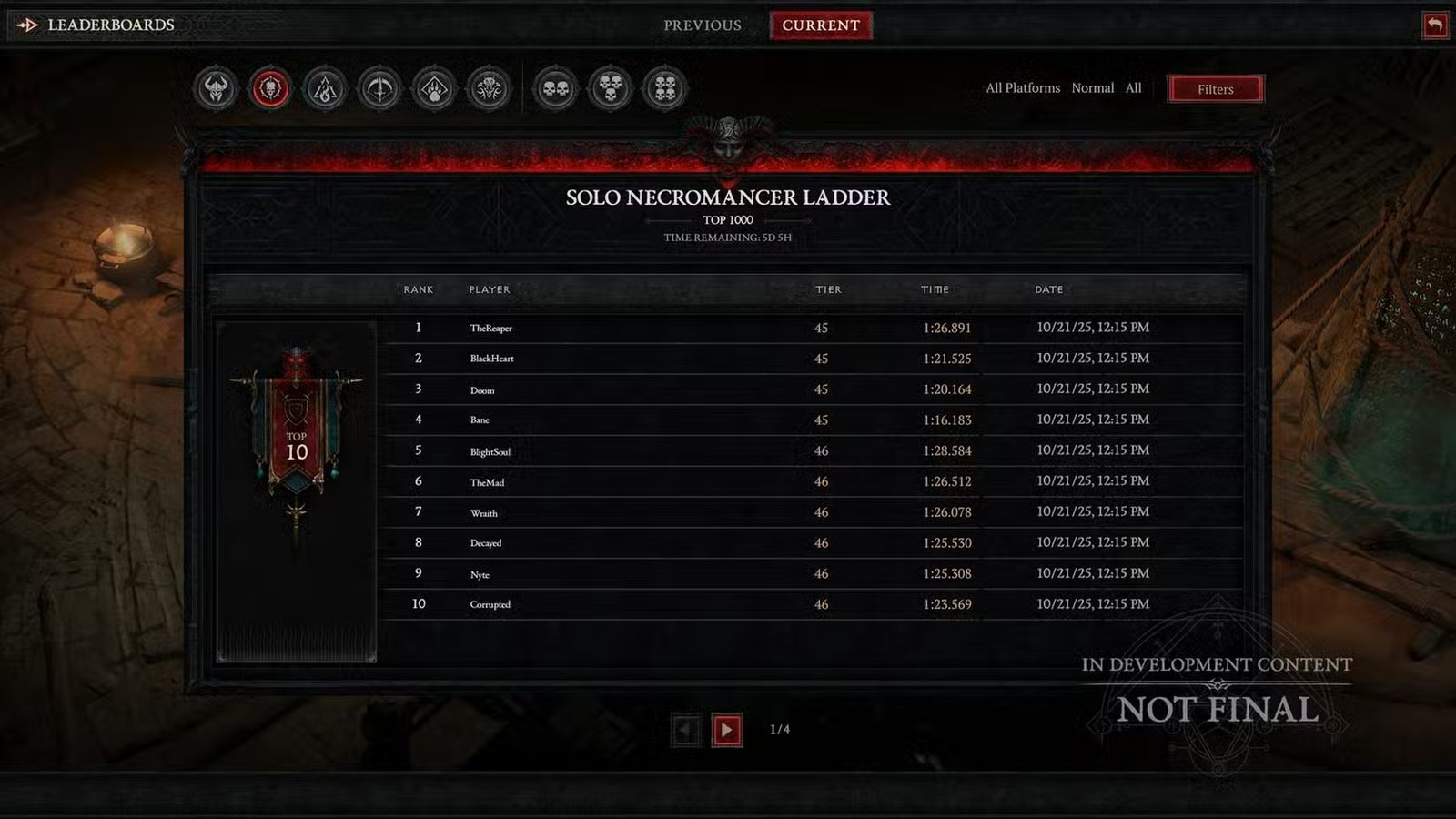
The official confirmation came from lead live systems and combat designer Colin Finer and associate game director Zaven Haroutunian during an interview, which is pretty exciting news. I mean, who *hasn’t* been waiting for this? While we don’t have a firm release date yet beyond the fact it won’t be in Season 11, the Diablo community is already buzzing with anticipation. It’s refreshing to see Blizzard acknowledging and catering to players who crave a more hardcore, individual experience. This announcement coincides with the upcoming launch of Season 11 on December 9, which will introduce Divine Gifts, encounters with the Lesser Evils, and the Tower, a new endgame activity with a leaderboard – so plenty to keep us busy in the meantime!
Understanding the Solo Self-Found Challenge
Okay, so what exactly *is* Solo Self-Found? If you’re like most people who haven’t dived deep into ARPGs, you’ve probably heard the term thrown around. Essentially, it’s a self-imposed rule set (now becoming an official game mode) where you play the game completely alone. No trading, no grouping for dungeons, no help from anyone else. Everything you achieve, you achieve on your own. Think of it as the ultimate test of your Diablo 4 prowess. If you’re familiar with the spirit of games like Escape from Tarkov, you’ll be right at home in this game mode.
Why does this matter? In a world of online multiplayer games where it’s easy to get carried or buy your way to the top, SSF offers a refreshing return to the roots of the genre. It’s about mastering the game mechanics, understanding itemization, and developing your own strategies. It’s about the thrill of finding that perfect piece of gear after hours of grinding, knowing you earned it all by yourself. Plus, it’s a fantastic way to really learn a class inside and out, since you can’t rely on others to cover your weaknesses.
Key Benefits and Advantages of SSF
So, what can you realistically expect from diving into Diablo 4’s SSF mode? Here’s what you should know:
- A Deeper Understanding of the Game: When you can’t rely on trading, you’re forced to learn which items are truly valuable and how to optimize your build with what you find. This leads to a much more comprehensive understanding of Diablo 4’s systems.
- A Greater Sense of Accomplishment: Let’s be honest, clearing a difficult dungeon with a well-geared group is satisfying, but it doesn’t compare to the feeling of downing a challenging boss solo, knowing you did it all on your own.
- A More Immersive Experience: Without the distraction of party chat or the temptation to trade, you’re free to fully immerse yourself in the world of Sanctuary and the story of Diablo 4.
- A Level Playing Field: In SSF, everyone starts from scratch and progresses at their own pace. There’s no pressure to keep up with the Joneses or spend money to get ahead.
From my experience, the sense of accomplishment is the biggest draw. It’s kind of funny how much more rewarding a game can feel when you know you’ve truly earned your progress. It’s like the difference between buying a pre-built Lego set and building one from scratch – the end result might be the same, but the journey is completely different.

Implementation Strategies for Solo Self-Found
Alright, so you’re intrigued. How do you actually approach Diablo 4’s SSF mode? Here’s a step-by-step approach, along with some best practices:
Step-by-Step Approach
- Choose Your Class Wisely: Some classes are inherently better suited for solo play than others. Consider classes with strong self-healing, survivability, and versatile damage options.
- Plan Your Build: Research different builds and identify one that aligns with your playstyle and the resources you expect to find. Don’t be afraid to experiment, but having a general direction is crucial.
- Master Crafting and Enchanting: Since you can’t trade for specific items, crafting and enchanting become essential for filling gaps in your gear and optimizing your build.
- Embrace the Grind: SSF requires patience and dedication. Be prepared to run the same dungeons and defeat the same bosses multiple times to find the gear you need.
- Learn Enemy Mechanics: Knowing how enemies attack and what their weaknesses are is even more important in solo play. Pay attention to patterns and learn how to avoid taking unnecessary damage.
Best Practices
- Prioritize Survivability: In SSF, dying can be costly, especially at higher levels. Focus on defensive stats like armor, resistances, and life regeneration to stay alive.
- Manage Your Resources Carefully: Gold, crafting materials, and potions are all valuable resources in SSF. Don’t waste them unnecessarily.
- Utilize All Available Tools: Don’t neglect aspects like the Codex of Power, the Occultist, and the Jeweler. These tools can significantly enhance your character’s power.
- Adapt to Your Loot: Be flexible with your build and willing to adjust your skills and gear based on the items you find. Sometimes, a lucky drop can completely change your strategy.
Honestly, the biggest tip I can give you is to be patient. SSF is a marathon, not a sprint. There will be times when you feel stuck or frustrated, but the feeling of overcoming those challenges is what makes the mode so rewarding. And trust me, that can save you a lot of time. It seems that planning your build is the most efficient way to save time.
Common Challenges and Solutions in Solo Self-Found
Okay, let’s be honest, SSF isn’t all sunshine and rainbows. You’re going to face some serious challenges. Here are a few common obstacles and how to overcome them:
- Challenge: Gear Drought: Going long stretches without finding upgrades can be incredibly frustrating.
- Solution: Focus on farming specific dungeons or events that have a higher chance of dropping the items you need. Also, don’t underestimate the power of crafting and enchanting to improve your existing gear.
- Challenge: Difficulty Spikes: Some areas or bosses can feel incredibly difficult to solo, especially with limited gear.
- Solution: Don’t be afraid to lower the difficulty level temporarily to progress. You can always come back and challenge the content at a higher difficulty later when you’re better equipped.
- Challenge: Inventory Management: With limited stash space and no trading, managing your inventory can become a constant headache.
- Solution: Be ruthless about what you keep. Only hold onto items that are directly useful to your build or that you plan to use for crafting or enchanting.
- Challenge: Feeling Isolated: Playing solo can sometimes feel lonely, especially if you’re used to playing with friends.
- Solution: Join online communities or forums to connect with other SSF players. Share your experiences, ask for advice, and celebrate your achievements together.
The truth is, overcoming these challenges is part of what makes SSF so rewarding. It’s about pushing yourself to your limits and finding creative solutions to difficult problems. Plus, sharing your struggles and triumphs with other SSF players can make the experience much more enjoyable.
Real-Life Applications and Examples of Solo Self-Found
While Diablo 4’s SSF mode is still on the horizon, the concept has been around in other games for years. Here are a few examples of how SSF has been implemented and the impact it has had on those communities:
- Path of Exile: Path of Exile is another ARPG that has a thriving SSF community. Many players enjoy the challenge of building a character from scratch without any outside assistance.
- Diablo 3: While not an officially supported mode, many Diablo 3 players have self-imposed SSF rules, creating a similar experience of self-reliance and accomplishment.
- MMORPGs: Even in massively multiplayer online role-playing games (MMORPGs), some players choose to play “ironman” challenges, where they restrict themselves from trading, grouping, or using certain items.
These examples demonstrate that there’s a real demand for challenging, self-reliant gameplay experiences. People are drawn to the sense of accomplishment and the deeper understanding of the game that SSF provides. It’s not just about beating the game; it’s about mastering it.

Future Outlook and Trends for Challenge Modes in Games
Where is this trend heading? I think we’re going to see more and more games incorporating official challenge modes like SSF. Developers are realizing that players want options for how they experience their games, and that not everyone is interested in the same kind of gameplay. Plus, challenge modes can extend a game’s lifespan by providing new and interesting ways to play. Who doesn’t want that?
Some people believe that we might even see more complex and customizable challenge modes in the future. Imagine being able to tweak the difficulty, restrict certain items, or impose other limitations to create your own unique gameplay experience. The possibilities are endless! It also feels like the push for accessibility in games is pushing this trend forward.
Beyond SSF, the industry is also exploring other ways to enhance player engagement and provide fresh experiences. For instance, the ongoing development of Toyota’s new V8 engine suggests a broader trend towards performance enhancements and innovation across different sectors. Similarly, within the gaming world, such advancements could translate to more dynamic and challenging gameplay scenarios, pushing players to adapt and strategize in novel ways. These parallels between different industries highlight a shared commitment to pushing boundaries and delivering exceptional experiences.
Conclusion: Key Takeaways and Next Steps for Diablo 4’s SSF Mode
Alright, let’s recap. Diablo 4’s upcoming Solo Self-Found mode is a significant addition that will offer a unique and challenging experience for players who crave self-reliance and a deeper understanding of the game. It’s about mastering the mechanics, optimizing your build, and overcoming obstacles on your own. While it won’t be a walk in the park, the sense of accomplishment and the immersive experience will be well worth the effort.
So, what should you do next? Start preparing! Research different classes and builds, familiarize yourself with crafting and enchanting, and start thinking about how you’ll approach the challenges of SSF. And most importantly, get ready to embrace the grind and the satisfaction of conquering Sanctuary on your own. What are you waiting for?