The wind howled off the North Sea, a fitting soundtrack to the stormy history of Spyker. It was a blustery day in Zeewolde, Netherlands, the former home of the Dutch sports car manufacturer. Rain lashed against the abandoned factory windows, mirroring the tears (or maybe just the sweat) shed by engineers and enthusiasts alike as the company lurched from one crisis to another. I remember standing there, a few years back, the air thick with the smell of damp metal and broken dreams. Everyone thought it was over. Finished. Kaput. The bankruptcy was messy, the accusations flying, and the once-proud name of Spyker seemed destined for the automotive graveyard. But… something remarkable is happening. Whispers are circulating, rumors are intensifying, and the faint scent of hope is returning to the air. Could it be? Is Spyker, against all odds, planning a resurrection? The latest news suggests that the Dutch marque, renowned for its exquisitely crafted, aviation-inspired designs and turbulent ownership history, is indeed plotting a comeback. This time, however, the vision is electric, promising a dramatic shift for a brand synonymous with roaring engines and bespoke luxury. (Seriously, who saw this coming?!) We’re not just talking about a rebrand, either. This is a complete reimagining of what Spyker could be, a phoenix rising from the ashes, powered by electrons rather than gasoline. The question is: can they actually pull it off?
And it’s not just about the cars. It’s about the people. The loyal fans, the skilled craftsmen, the dreamers who refused to let the flame die. “We never gave up hope,” confided a former Spyker engineer, speaking on condition of anonymity. “Victor Muller [the founder of Spyker] is a force of nature. He’s been through hell and back, but his passion for Spyker is unwavering.” (This guy seemed genuinely excited, despite the past hardships). But passion alone doesn’t pay the bills. A solid business plan, access to capital, and a compelling product are crucial for any automotive startup, especially one with such a checkered past.

The automotive landscape has changed dramatically since Spyker’s last attempt at a comeback. Electric vehicles are no longer a niche market; they are rapidly becoming the mainstream. This presents both a challenge and an opportunity for Spyker. Can they retain their distinctive brand identity while embracing electric technology? Or will they become just another EV startup, lost in the crowded marketplace? (That’s the million-dollar question, isn’t it?)
A History of Ups and Downs
The story of Spyker is a rollercoaster ride of ambition, innovation, and financial turmoil. Founded in 1880 as a coachbuilder, the company quickly transitioned to automobile manufacturing, producing some of the most advanced and luxurious cars of its time. The Spyker 60 HP, for example, was the world’s first car with four-wheel drive and a six-cylinder engine.

However, like many early automotive pioneers, Spyker struggled to survive in the face of mass production and intense competition. The company eventually faded into obscurity, only to be resurrected in 1999 by Victor Muller, a Dutch entrepreneur with a passion for rare and exotic cars. Muller’s vision was to create a new generation of Spyker automobiles, blending classic design with modern technology.
The Modern Era: C8 and Beyond
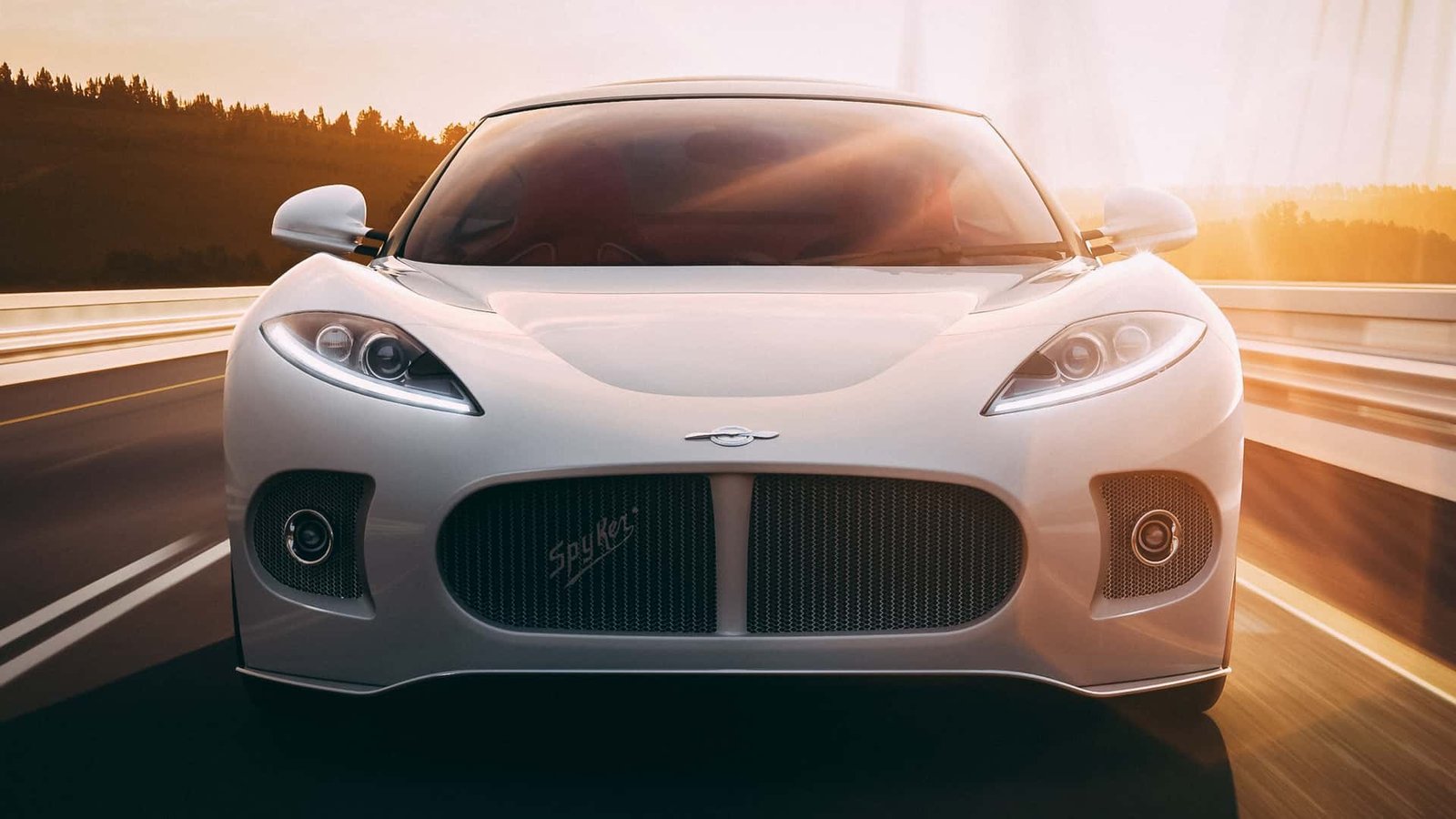
The Spyker C8 Laviolette, with its distinctive propeller-inspired interior and exposed gear linkage, became an instant icon. Powered by an Audi V8 engine, it offered a unique driving experience that combined performance with handcrafted luxury. Other models followed, including the C8 Spyder and the D8 Peking-to-Paris SUV, but financial difficulties continued to plague the company.

Spyker’s ambition even led them to Formula 1, acquiring the Midland F1 team in 2007. But this venture proved to be short-lived and ultimately contributed to the company’s financial woes.
Bankruptcy and Resurrectio(n?)
Spyker filed for bankruptcy in 2010, only to emerge a few months later with new investors. However, the company continued to struggle, and in 2014, it filed for bankruptcy again. This time, it seemed like the end of the road for Spyker. But Victor Muller refused to give up. He spent years fighting legal battles and searching for new investors, determined to revive his beloved brand.
“I’ve made mistakes, no doubt about it,” Muller admitted in a rare interview. “But I believe in Spyker. I believe in its potential. And I’m not going to let it die.”
The Electric Future
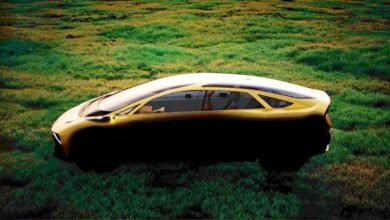
The latest plan for Spyker’s revival involves a partnership with a Russian investor and a shift to electric vehicles. The company plans to launch a new range of electric sports cars, combining Spyker’s distinctive design language with cutting-edge technology. Details are scarce, but the initial renderings suggest a sleek, modern aesthetic that retains the brand’s signature aviation-inspired elements.

The move to electric power is a bold one, but it could be the key to Spyker’s survival. The electric vehicle market is booming, and there is a growing demand for high-performance, luxury EVs. If Spyker can successfully position itself in this market, it could finally achieve the success that has eluded it for so long.
However, the challenges are significant. Spyker will need to raise substantial capital to develop its new electric vehicles, establish a manufacturing facility, and build a strong brand presence. It will also need to compete with established automakers and a host of new EV startups, all vying for a piece of the pie.
The Road Ahead: Challenges and Opportunities
Here’s a quick breakdown of the hurdles and potential wins for Spyker’s electric revival:
- Challenges:
- Securing funding
- Developing competitive EV technology
- Building a manufacturing facility
- Establishing brand recognition in a crowded market
- Overcoming its past reputation
- Opportunities:
- Growing demand for luxury EVs
- Unique brand identity
- Potential for strategic partnerships
- First-mover advantage in a niche market (aviation-inspired luxury EVs)
Will Spyker Fly Again?
The future of Spyker remains uncertain. The company has a long and difficult road ahead, but the potential rewards are significant. If Victor Muller and his team can overcome the challenges and deliver on their promise of a new generation of electric Spyker automobiles, the brand could finally achieve the success it deserves.
One thing is for sure: the story of Spyker is a testament to the power of passion and perseverance. Even in the face of seemingly insurmountable odds, the dream of building exquisite, high-performance automobiles has never died. And that, in itself, is a remarkable achievement. I, for one, am eager to see what the future holds for this iconic Dutch brand. (Fingers crossed they actually make it this time!) It would be a truly incredible comeback story.
Frequently Asked Questions
| Why has Spyker faced so many financial difficulties? | Spyker’s financial struggles stem from a combination of factors, including high production costs, limited sales volume, ambitious expansion plans (like entering Formula 1), and the global financial crisis. The company’s niche market position and reliance on bespoke manufacturing also contributed to its vulnerability. |
| What are the potential benefits of Spyker’s shift to electric vehicles? | The move to electric vehicles offers several potential benefits for Spyker. It allows the company to tap into the rapidly growing EV market, appeal to environmentally conscious consumers, reduce reliance on traditional combustion engines, and potentially lower production costs in the long run. An electric Spyker could also offer a unique driving experience, combining performance with sustainability. |
| How will Spyker implement its electric vehicle strategy? | Spyker’s electric vehicle strategy involves partnering with a Russian investor, developing a new range of electric sports cars, and potentially establishing a new manufacturing facility. The company will need to invest heavily in research and development, secure access to battery technology and charging infrastructure, and build a strong brand presence in the EV market. |
| What are the biggest challenges Spyker faces in its revival attempt? | Spyker faces several significant challenges in its revival attempt, including securing funding, developing competitive EV technology, building a manufacturing facility, establishing brand recognition in a crowded market, and overcoming its past reputation for financial instability. |
| What does the future hold for Spyker? | The future of Spyker is uncertain, but the company’s potential success hinges on its ability to execute its electric vehicle strategy effectively, secure necessary funding, and build a strong brand presence in the luxury EV market. If Spyker can overcome these challenges, it could potentially achieve long-term sustainability and become a significant player in the electric vehicle industry. |
Important Notice
This FAQ section addresses the most common inquiries regarding the topic.