Spotify’s Year-Round Listening Stats: Wrapped 2.0
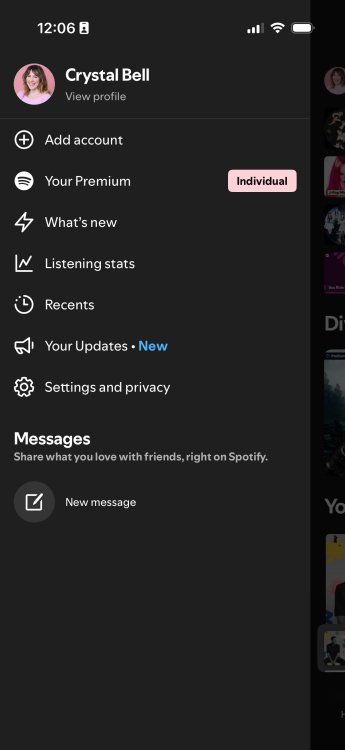
Spotify is doubling down on its strength: transforming your music listening habits into engaging, shareable data. The streaming platform recently unveiled its “Listening Stats,” a new feature providing users with weekly insights into their top artists, songs, and musical milestones. This addition arrives perfectly timed, as the excitement for Wrapped season builds. Listening Stats can be viewed as a miniature, ongoing version of Wrapped, designed to deliver the dopamine rush of personalized music insights throughout the year. This ensures that the engagement doesn’t just spike at the end of the year, but rather remains consistent, providing users with a more consistent and engaging experience.

Available to both Free and Premium users in over 60 markets, the Listening Stats feature analyzes your listening activity from the past four weeks. It then generates playlists based on your current musical obsessions. The feature also highlights unique aspects of your listening habits, such as discovering a new artist, reaching a fandom milestone (number of plays for a specific artist), or acknowledging that you’ve indeed listened to that one particular song an excessive number of times. This level of detail provides a more nuanced understanding of your listening behavior, offering insights that might not be immediately apparent. It also encourages users to explore new music based on their established preferences.
The Evolution of Personalized Music Experiences
Spotify has consistently led the way in personalizing the music experience through data. From algorithm-driven playlists like Discover Weekly and Release Radar to experimental formats like daylist, the platform has successfully blended technology with individual taste. These features excel because they transform raw listening data into something emotionally resonant and easily shared. The new Listening Stats feature is a natural extension of this strategy, further cementing Spotify’s position as a leader in personalized music experiences. This commitment to personalization not only enhances user engagement but also fosters a deeper connection between listeners and the platform.
The success of these features hinges on their ability to provide value beyond simply playing music. By offering insights into listening habits, Spotify encourages users to reflect on their musical preferences and discover new artists and genres. This creates a more dynamic and engaging experience, transforming the act of listening to music from a passive activity into an active exploration.
How Spotify’s Listening Stats Work
Spotify’s Listening Stats feature provides a detailed breakdown of your listening habits over the past four weeks. Here’s a closer look at how it works:
- Data Collection: Spotify tracks your listening activity, including the songs you play, the artists you listen to, and the frequency with which you listen to them. This data is then used to generate personalized insights.
- Analysis: The collected data is analyzed to identify your top artists, songs, and genres. The analysis also highlights unique aspects of your listening habits, such as new discoveries and fandom milestones.
- Playlist Generation: Based on the analysis, Spotify creates playlists tailored to your current musical obsessions. These playlists are designed to introduce you to new music that aligns with your established preferences.
- Shareable Insights: The feature allows you to share your listening stats directly from the app to various social media platforms, including Instagram and WhatsApp. This encourages users to engage with the feature and share their musical tastes with their friends and followers.

The combination of data collection, analysis, playlist generation, and shareable insights makes Spotify’s Listening Stats a powerful tool for enhancing the user experience. By providing personalized insights and encouraging social sharing, the feature fosters a deeper connection between listeners and the platform. Features like this are important, especially when considering why artists are leaving Spotify. It encourages more engagement and therefore more revenue.
The Impact on User Engagement
The introduction of Spotify’s Listening Stats is expected to have a significant impact on user engagement. By providing a continuous stream of personalized insights, the feature keeps users coming back to the platform. The ability to share these insights on social media also encourages users to promote Spotify to their friends and followers, further expanding the platform’s reach. This increased engagement can translate into higher subscription rates and increased revenue for Spotify.
Furthermore, the feature can help Spotify better understand its users’ preferences and tailor its offerings accordingly. By analyzing the data collected through Listening Stats, Spotify can identify emerging trends and personalize its playlists and recommendations. This can lead to a more satisfying and engaging experience for users, further solidifying Spotify’s position as a leader in the streaming music industry.
Comparing Listening Stats to Wrapped
While Listening Stats shares similarities with Wrapped, there are key differences that distinguish the two features. Wrapped is an annual event that provides a comprehensive overview of your listening habits over the past year. It’s a highly anticipated event that generates a lot of buzz on social media. Listening Stats, on the other hand, provides weekly insights into your listening habits. It’s a more frequent and ongoing feature that keeps users engaged throughout the year. In essence, it’s a “Wrapped 2.0,” offering a continuous stream of personalized insights instead of a single annual event.
Both features serve the purpose of personalizing the music experience and encouraging social sharing. However, Listening Stats offers a more granular and frequent view of your listening habits, while Wrapped provides a broader and more comprehensive overview. The combination of both features creates a more dynamic and engaging experience for users, solidifying Spotify’s position as a leader in personalized music experiences. This is similar to the kind of excitement that can be seen when discussing college football week 10 odds; it creates a buzz.
The Future of Personalized Music on Spotify
The introduction of Listening Stats signals Spotify’s commitment to further personalizing the music experience. As technology continues to evolve, we can expect to see even more innovative features that leverage data to provide personalized insights and recommendations. These features will likely incorporate artificial intelligence and machine learning to better understand user preferences and tailor the music experience accordingly. The future of personalized music on Spotify is bright, with endless possibilities for enhancing user engagement and satisfaction. Spotify continues to innovate, even when dealing with difficult topics, such as Lamar Jackson’s injury report.
One potential area of development is the integration of more social features into the Spotify platform. This could include the ability to create shared playlists with friends, collaborate on music discovery, and participate in online communities centered around specific artists and genres. By fostering a sense of community, Spotify can further enhance user engagement and create a more dynamic and interactive music experience. This is a good way to deal with situations that involve Jaxson Dart’s rumored romance.
Benefits of Spotify’s Year-Round Listening Stats
The new Listening Stats feature from Spotify offers several key benefits to users, solidifying its position as a valuable addition to the platform. These benefits contribute to a more engaging, personalized, and insightful music listening experience:
- Continuous Personalization: Unlike the annual Wrapped feature, Listening Stats provides weekly updates on your listening habits, ensuring a constant stream of personalized insights and recommendations.
- Enhanced Music Discovery: By analyzing your listening data, Spotify can identify new artists and songs that align with your preferences, expanding your musical horizons.
- Deeper Understanding of Musical Tastes: The feature helps you gain a better understanding of your own musical tastes and preferences, providing valuable insights into your listening habits.
- Social Sharing Opportunities: The ability to share your listening stats on social media encourages engagement and allows you to connect with friends and followers who share similar musical tastes.
- Improved Playlist Curation: Spotify uses your listening data to create personalized playlists that cater to your current musical obsessions, making it easier to discover and enjoy new music.
- Increased User Engagement: By providing a continuous stream of personalized insights and recommendations, Listening Stats keeps users coming back to the platform, fostering a deeper connection with Spotify.
These benefits collectively contribute to a more satisfying and engaging music listening experience, making Spotify’s Listening Stats a valuable tool for music lovers seeking to discover new music and gain a deeper understanding of their own musical tastes. It can also help when dealing with difficult personal situations, such as separate beds.
Potential Drawbacks and Considerations
While Spotify’s Listening Stats offers numerous benefits, it’s important to consider potential drawbacks and limitations. One concern is privacy. Users may be hesitant to share their listening data if they are not confident that it will be protected. Spotify needs to be transparent about how it collects, uses, and protects user data to maintain trust. Another consideration is the potential for algorithmic bias. If the algorithms used to generate personalized insights are biased, they could perpetuate stereotypes or exclude certain groups of users. Spotify needs to ensure that its algorithms are fair and equitable to all users. It’s important to stay balanced, just like when considering Jake Paul’s Tank Davis fight.
Furthermore, the feature’s reliance on data could lead to a homogenization of musical tastes. If users are constantly being recommended music that is similar to what they already listen to, they may be less likely to explore new genres and artists. Spotify needs to strike a balance between personalization and discovery to ensure that users are exposed to a diverse range of music. These are important considerations, especially when comparing it to World Series showdowns.
A Deeper Dive into Data Privacy
Data privacy is a paramount concern in today’s digital age, and Spotify’s collection and utilization of user listening data for features like Listening Stats raises important questions. It is crucial for Spotify to maintain transparency regarding its data handling practices, ensuring users are fully informed about how their data is collected, stored, and used. This includes providing clear and concise privacy policies that are easily accessible and understandable to all users. Furthermore, Spotify should offer users granular control over their data, allowing them to opt-out of data collection or customize the types of data they share. By prioritizing data privacy and empowering users with control over their information, Spotify can build trust and foster a more secure and responsible data ecosystem.
In addition to transparency and control, Spotify should implement robust security measures to protect user data from unauthorized access, breaches, and misuse. This includes utilizing encryption, multi-factor authentication, and other security protocols to safeguard user information. Regular security audits and assessments should be conducted to identify and address potential vulnerabilities. By investing in data security, Spotify can demonstrate its commitment to protecting user privacy and maintaining the integrity of its platform. It’s important to be aware of potential issues, even when discussing Cowboys Super Bowl dreams.
Addressing Algorithmic Bias
Algorithmic bias is a significant challenge in the field of artificial intelligence and machine learning, and it can have far-reaching consequences in applications like Spotify’s Listening Stats. Bias can creep into algorithms through various sources, including biased training data, flawed algorithm design, and unintentional human biases. If left unchecked, algorithmic bias can perpetuate stereotypes, discriminate against certain groups of users, and limit the diversity of music recommendations. To mitigate algorithmic bias, Spotify should prioritize fairness and equity in its algorithm design and training processes.
This includes carefully curating training data to ensure it is representative of diverse musical tastes and preferences. Algorithms should be regularly audited and assessed for bias, and adjustments should be made to address any identified issues. Furthermore, Spotify should consider incorporating fairness metrics into its algorithm evaluation process to quantify and minimize bias. By actively addressing algorithmic bias, Spotify can ensure that its Listening Stats feature provides fair and equitable recommendations to all users, promoting diversity and inclusivity in the music ecosystem. It’s important to have a balanced approach, even when dealing with men’s health issues.
The Importance of Musical Diversity
The increasing reliance on algorithms to curate music recommendations raises concerns about the potential for homogenization of musical tastes. If users are constantly being recommended music that is similar to what they already listen to, they may be less likely to explore new genres and artists. This can lead to a narrowing of musical horizons and a decline in the diversity of music consumption. To counteract this trend, Spotify should actively promote musical diversity in its Listening Stats feature. This can be achieved through various strategies, including incorporating randomness into recommendations, highlighting emerging artists and genres, and providing users with opportunities to explore music outside of their comfort zones.
Spotify should also consider collaborating with artists and music industry professionals to curate diverse playlists and recommendations. By actively promoting musical diversity, Spotify can ensure that its Listening Stats feature does not contribute to the homogenization of musical tastes and that users are exposed to a wide range of musical experiences. It’s important to promote diversity and inclusivity, even when dealing with serious topics.
Conclusion: Spotify’s Listening Stats as a Year-Round Engagement Tool
Spotify’s new Listening Stats feature represents a significant step forward in personalized music experiences. By providing weekly insights into listening habits, Spotify is effectively extending the “Wrapped” energy throughout the year, fostering continuous engagement and providing users with a deeper understanding of their musical preferences. While potential drawbacks such as data privacy and algorithmic bias need to be carefully addressed, the benefits of Listening Stats are undeniable. The feature enhances music discovery, improves playlist curation, and strengthens the connection between listeners and the platform. As Spotify continues to innovate in the realm of personalized music, Listening Stats is poised to play a crucial role in shaping the future of music consumption. By prioritizing transparency, fairness, and diversity, Spotify can ensure that its Listening Stats feature remains a valuable and engaging tool for music lovers around the world.
Frequently Asked Questions (FAQ)
Important Notice
This content is regularly updated to ensure accuracy and relevance for our readers. If you have any questions, feel free to contact us.
Content Quality: This article has been carefully researched and written to provide valuable insights and practical information. Our team works hard to maintain high standards.