### More Than Just a Role: The Allure of “Die My Love”
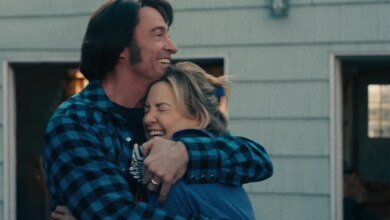
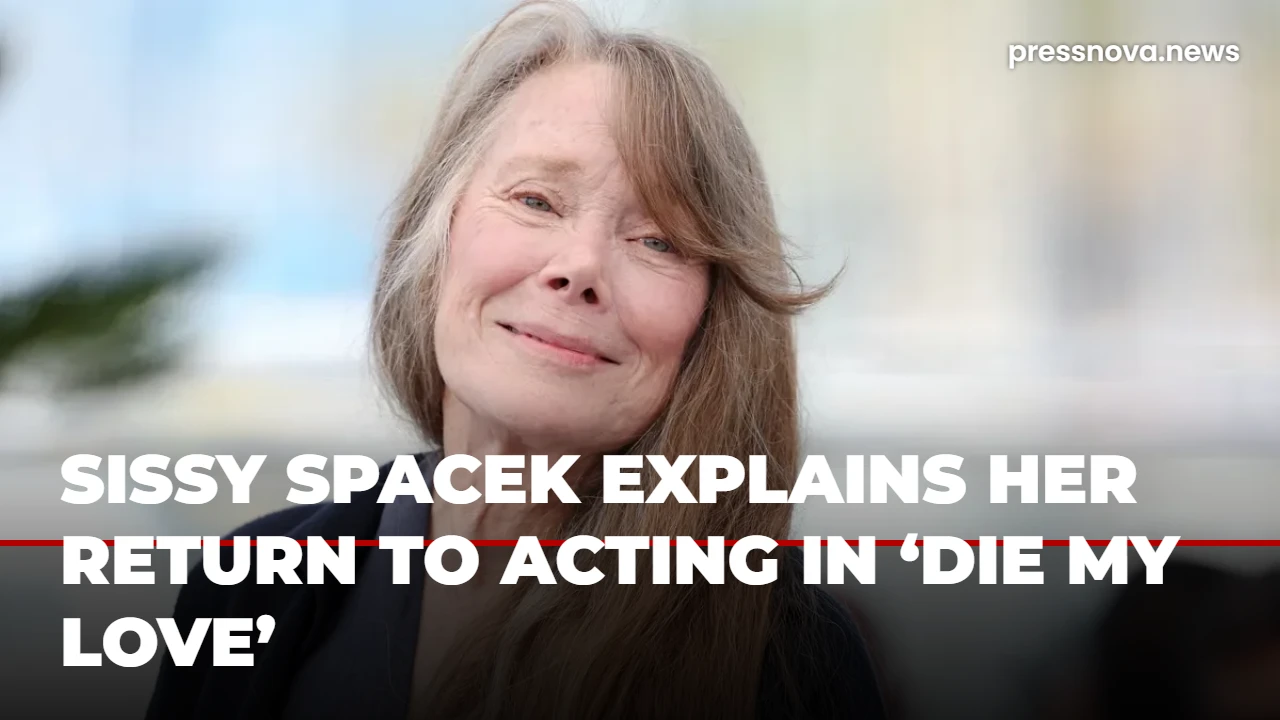
Spacek herself admitted she wasn’t actively seeking a new project. She was enjoying spending time with her grandchildren and recovering from a busy summer. So, what changed her mind? It was the opportunity to work with Lynne Ramsay, a filmmaker known for her visually stunning and emotionally resonant storytelling. Ramsay had a specific vision for Pam, a character deeply affected by loss and seeking connection amidst chaos.
Spacek explained that she and Ramsay had extensive conversations about Pam and her relationship with Grace, played by Jennifer Lawrence. The two women, both grappling with their own traumas, find solace and understanding in each other. “Everybody goes a little loopy the first year,” Pam assures Grace, offering a lifeline of empathy in a sea of despair. This connection, this shared experience of trauma, is at the heart of Spacek’s decision to return to acting. It’s a chance to explore the complexities of human relationships and the healing power of empathy.
### The Foundation: Understanding Postpartum Drama and Trauma
“Die My Love” isn’t just a drama; it’s a postpartum drama. But what does that really mean? Postpartum depression is a serious mental health condition that affects many new mothers. It’s more than just the “baby blues”; it’s a persistent feeling of sadness, hopelessness, and anxiety that can interfere with a woman’s ability to care for herself and her baby.
The film delves into the darker aspects of this condition, exploring how it can manifest as rage, erratic behavior, and a disconnect from reality. Jennifer Lawrence’s portrayal of Grace captures the raw intensity of these emotions, and Sissy Spacek’s Pam provides a counterpoint of understanding and support. The film also touches upon other forms of trauma that can impact individuals and families, such as the death of a loved one and suicide. Pam’s character is haunted by the loss of her husband to Alzheimer’s and the suicide of her brother, making her uniquely positioned to empathize with Grace’s struggles.
### The Real-World Impact: Shining a Light on Unspoken Struggles
Why is a film like “Die My Love” important? Because it sheds light on the often-unspoken struggles of motherhood and mental health. It challenges the idealized image of motherhood that is often portrayed in the media and offers a more realistic and nuanced perspective.
By exploring these difficult topics, the film can help to reduce stigma and encourage people to seek help when they need it. It can also provide comfort and validation to those who are struggling with postpartum depression or other mental health conditions. The film also highlights the importance of support systems. Pam’s attempts to connect with Grace, despite her own grief and trauma, demonstrate the power of empathy and the importance of having someone to lean on during difficult times. Consider the impact of films like “Ordinary People” in opening dialogue about grief, or “One Flew Over the Cuckoo’s Nest” in challenging perceptions of mental illness; “Die My Love” aims to contribute to this vital conversation.
### The “How-To”: Finding Connection and Offering Support
So, how can we apply the lessons of “Die My Love” to our own lives? How can we find connection and offer support to those who are struggling?
Here are a few actionable steps:
1. **Listen without judgment:** Sometimes, the best thing we can do is simply listen to someone who is struggling. Avoid offering unsolicited advice or trying to fix their problems. Just be there to listen and offer your support.
2. **Validate their feelings:** Let them know that their feelings are valid and that they are not alone. Acknowledge the difficulty of their situation and offer words of encouragement.
3. **Offer practical help:** Sometimes, people need more than just emotional support. Offer to help with practical tasks, such as running errands, cooking meals, or taking care of children.
4. **Encourage them to seek professional help:** If someone is struggling with a serious mental health condition, encourage them to seek professional help from a therapist or psychiatrist.
5. **Be patient:** Healing takes time. Be patient with yourself and with others. Don’t expect overnight miracles. Just keep showing up and offering your support.
### The Reality Check: Navigating Challenges and Finding Solutions
Of course, offering support to someone who is struggling can be challenging. It can be emotionally draining and time-consuming. It can also be difficult to know what to say or do.
Here are a few common challenges and potential solutions:
* **Challenge:** Feeling overwhelmed or burned out.
* **Solution:** Set boundaries. It’s important to take care of yourself so that you can continue to support others. Don’t be afraid to say no or to ask for help.
* **Challenge:** Not knowing what to say.
* **Solution:** Start with simple phrases like, “I’m here for you,” or “I’m sorry you’re going through this.” Sometimes, just being present is enough.
* **Challenge:** Feeling like you’re not making a difference.
* **Solution:** Remember that even small acts of kindness can have a big impact. Don’t underestimate the power of your support.
* **Challenge:** Dealing with resistance or denial.
* **Solution:** It’s important to respect someone’s boundaries. If they’re not ready to accept help, don’t push it. Just let them know that you’re there for them when they are ready.
It’s worth noting that the film’s exploration of complex family dynamics might resonate with viewers who have experienced similar challenges. Spacek’s character navigating the aftermath of her husband’s Alzheimer’s diagnosis could be seen as a metaphor for the long and arduous journey many families face when dealing with chronic illness. The film may also touch upon the importance of estate planning and long-term care, topics that are often difficult to discuss but are essential for ensuring the well-being of loved ones. Resources like those available through elder law attorneys can provide guidance and support in these areas.
### Looking Ahead: Future Trends in Mental Health Awareness
Where is this conversation headed? What are the future trends in mental health awareness and support?
* **Increased focus on prevention:** There is a growing emphasis on preventing mental health problems before they start. This includes promoting mental wellness through education, early intervention programs, and access to mental health services.
* **More integrated care:** Mental health care is becoming more integrated with other areas of healthcare, such as primary care and specialty care. This allows for a more holistic and coordinated approach to treatment.
* **Greater use of technology:** Technology is playing an increasingly important role in mental health care. Teletherapy, mobile apps, and online resources are making mental health services more accessible and convenient. Consider, for example, the increasing use of AI in mental health support, though ethical considerations are paramount.
* **Reduced stigma:** There is a growing effort to reduce the stigma associated with mental illness. This includes public awareness campaigns, educational programs, and advocacy efforts.
* **Personalized treatment:** The future of mental health care will likely involve more personalized treatment approaches. This means tailoring treatment plans to meet the unique needs of each individual, taking into account their genetics, lifestyle, and preferences.

These trends suggest a future where mental health is prioritized and accessible to everyone. Films like “Die My Love” play a crucial role in driving this change by sparking conversations and raising awareness.
### The Power of Reconnecting with the Familiar
Spacek’s return to acting in “Die My Love” also underscores the power of reconnecting with familiar themes and emotions. As Pam, she embodies the strength and resilience of women who have weathered their own storms. This resonates with Spacek’s career trajectory, marked by roles that explore the complexities of human nature. Just as driving enthusiasts find solace in the power of mechanical switches, actors like Spacek find renewed purpose in revisiting the raw, unfiltered emotions that define the human experience.
The film’s setting, a seemingly idyllic countryside, further enhances this sense of familiarity. However, beneath the surface lies a simmering tension, mirroring the internal struggles of the characters. This juxtaposition of beauty and darkness creates a compelling narrative that draws viewers into the heart of the story. The film may also prompt viewers to consider the importance of environmental factors in mental health, a topic that is gaining increasing attention in the scientific community.
### The Broader Cultural Context
“Die My Love” arrives at a time when conversations about mental health are becoming increasingly prevalent. The film’s exploration of postpartum depression and trauma aligns with a broader cultural shift towards greater openness and understanding of these issues. This shift is reflected in the growing number of resources available to individuals and families affected by mental illness, as well as the increasing visibility of mental health advocacy groups.
However, despite these advances, stigma remains a significant barrier to seeking help. Many individuals still fear judgment or discrimination if they disclose their mental health struggles. Films like “Die My Love” can help to break down these barriers by normalizing conversations about mental health and promoting empathy and understanding. The film’s depiction of Pam’s attempts to connect with Grace serves as a powerful reminder that even small acts of kindness can make a difference in someone’s life.
Furthermore, the film’s focus on the experiences of women aligns with a broader feminist movement that seeks to challenge traditional gender roles and empower women to speak out about their experiences. The film’s exploration of postpartum depression can be seen as a critique of societal expectations placed on mothers, which often contribute to feelings of isolation and inadequacy. By giving voice to these experiences, “Die My Love” contributes to a more nuanced and accurate portrayal of motherhood.

### The Role of Art in Healing
At the end of the day, “Die My Love” is a work of art. But it’s also a powerful tool for healing and understanding. By exploring difficult topics and challenging societal norms, the film can help us to connect with our own emotions and to empathize with others. It can also inspire us to take action and to create a more supportive and compassionate world.
Sissy Spacek’s decision to return to acting in this particular film speaks volumes about her commitment to using her platform to make a difference. Her portrayal of Pam is a testament to the power of empathy and the importance of human connection. As viewers, we can learn from Pam’s example and strive to offer support and understanding to those who are struggling.
### The Takeaway
Sissy Spacek’s return to acting in “Die My Love” is more than just a career move; it’s a statement. It’s a statement about the importance of exploring difficult topics, the power of human connection, and the need for greater empathy and understanding in our world. The film offers a raw and unflinching look at postpartum depression and trauma, challenging societal norms and encouraging open conversations about mental health. By shining a light on these often-unspoken struggles, “Die My Love” has the potential to make a real difference in the lives of those who are affected.
Will “Die My Love” spark a new wave of conversation about mental health and motherhood? Only time will tell, but one thing is certain: Sissy Spacek’s return to the screen is a welcome reminder of the power of art to heal, to connect, and to inspire.
Word Count: 1852