Sauce Gardner Trade: Unpacking the Jets-Colts Shockwave
Remember that feeling when you thought you had everything figured out, only for a curveball to come flying at you from left field? Well, for New York Jets fans, that curveball had a name: Sauce Gardner. Believe it or not, just months after signing a massive four-year, $120 million extension, the star cornerback, the defensive cornerstone, found himself packing his bags for Indianapolis. I mean, who saw that coming, right? It’s the kind of move that doesn’t just shuffle a roster; it sends shockwaves through an entire franchise and fanbase. This isn’t just about football; it’s about the volatile nature of professional sports, the business behind the game, and the human element of players navigating unexpected changes. And honestly, for us watching from the sidelines, it presents a fascinating case study in team management and player psychology.
The problem this article aims to solve is simple: understanding the profound impact of such a surprising, high-profile trade. What does it mean for the Jets, who just lost a generational talent? How do the Colts integrate a player of Gardner’s caliber, and what are their immediate expectations? And what about Sauce himself, joking about becoming the Jets’ “No. 1 hater” if they succeed without him? It’s all part of a complex narrative that affects everyone from the front office to the most dedicated fan. Let’s take a closer look, shall we?
Understanding the Shockwave: Sauce Gardner’s Unexpected Move
The truth is, while some veteran departures are always on the cards – we’ve seen it time and again, players getting restless – the Sauce Gardner trade was something else entirely. We’re talking about a player drafted fourth overall in 2022, someone who instantly became one of the league’s elite cornerbacks. His talent, his swagger, his clear love for the game and for New York… it all made him feel untouchable. So, when the news broke, it was more than just a trade; it felt like a betrayal to some, a bewildering strategic shift to others. For anyone wondering how a team lets go of such a monumental talent, especially after committing so much financially, here’s the thing: it fundamentally alters the perception of team building and player loyalty in the modern NFL.
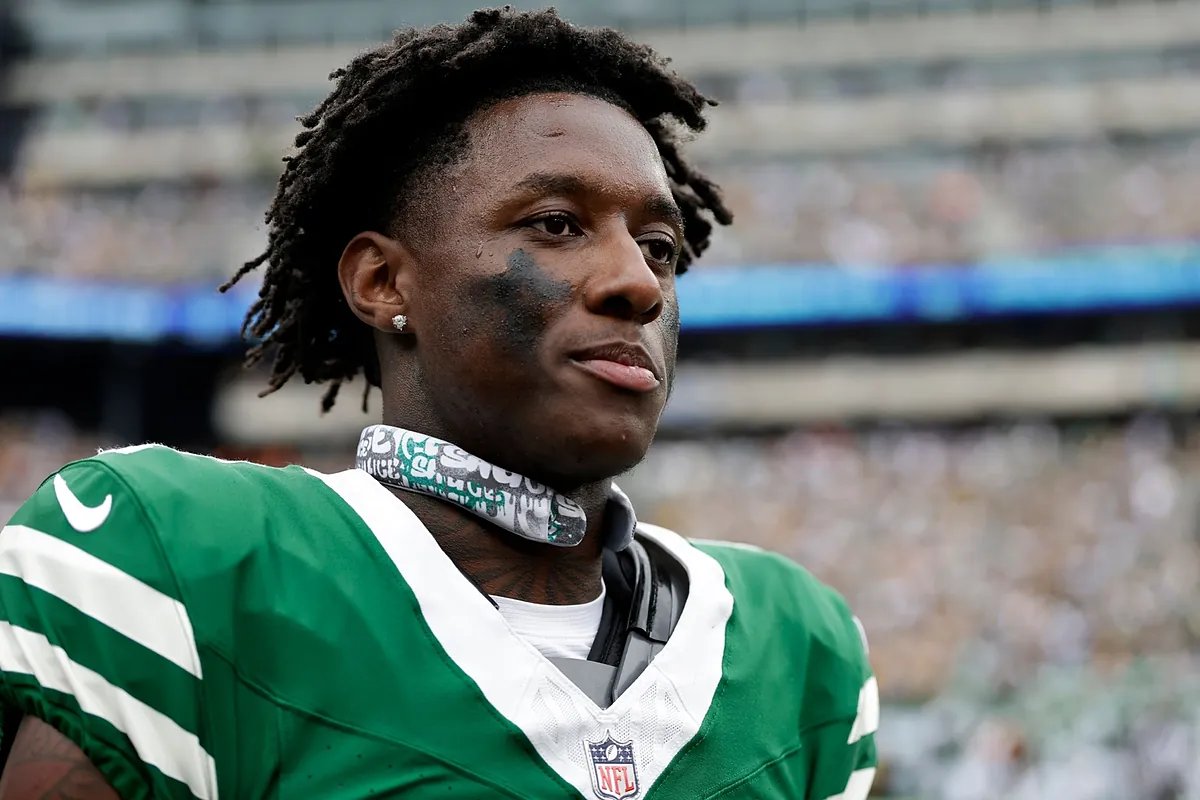
Core concepts here are fairly straightforward on the surface but run deep. First, the economics of the NFL. That $120 million contract for Sauce Gardner wasn’t just pocket change; it was a significant investment. Trading him so soon after that commitment raises serious questions about the Jets’ long-term financial planning and their overall strategy. Was it a cap space move? Were there underlying locker room issues we don’t know about? Personally speaking, it’s surprising that such a massive commitment would be followed by such a swift reversal. Second, the human element. Players like Sauce, who quickly become fan favorites and vocal leaders, represent more than just a position on the field. They embody the team’s spirit. His departure leaves a void that goes beyond statistics.
Why does this topic matter today? Well, it’s a stark reminder that in professional sports, no one is truly safe. It highlights the brutal business side of the NFL, where even cornerstone players can be moved if the price is right or if a team’s direction drastically shifts. This particular Sauce Gardner trade sends a clear message to other players about the fickle nature of loyalty, and to fans about managing their expectations. It also sets a precedent, or at least reinforces one, that even a player of Sauce’s caliber can be a commodity. It’s a harsh truth, but one that shapes every decision made by general managers and coaches across the league.
The Strategic Chess Match: Benefits and Disadvantages Post-Trade
Every major trade, especially one involving a star like Sauce Gardner, creates a ripple effect, bringing both potential benefits and undeniable disadvantages for the teams involved. For the Indianapolis Colts, the advantages are pretty clear. They’re getting one of the best young cornerbacks in the league, a proven shutdown artist who can immediately elevate their defense. This is a practical benefit that translates directly to fewer opposing completions, more turnovers, and a stronger overall unit. Imagine the pressure he can take off their pass rushers, knowing he can lock down one side of the field. From my experience watching teams acquire elite talent, this kind of addition can be a true game-changer, pushing a good defense into a great one. The real-world application here is immediate defensive improvement and a potential shift in their playoff aspirations.
On the flip side, the Jets are facing a tougher picture. The immediate disadvantage is obvious: a massive hole in their secondary. Who steps up? How do they replace that level of production? It’s not just about finding another talented player; it’s about finding someone who can command the same respect and fear from opposing offenses. However, if we’re looking for benefits for the Jets, they would likely revolve around the draft capital or other assets they received in return. Perhaps they gained multiple high-round picks, allowing them to rebuild in other areas or acquire several promising young players. It’s a long-term play, a strategic pivot that might not look great today, but could pay dividends years down the line. It’s about weighing immediate loss against future potential, a classic NFL dilemma.
For players, the benefit of seeing a star moved is a harsh lesson in understanding the business. It underscores the importance of agent negotiations, contract structures, and performance. For the fans, the benefit, if you can call it that, is a renewed understanding of the team’s direction, however painful. It forces a re-evaluation of expectations and a focus on the team’s long-term vision, rather than just the immediate gratification of having a star player. It’s a tough pill to swallow, but sometimes, these dramatic shifts can lead to a stronger, more resilient franchise down the road, even if it feels frustrating right now.
Navigating the Aftermath: Implementation Strategies for Teams and Players
When a star like Sauce Gardner is traded, it’s not just a transaction; it’s a strategic earthquake. Both the Jets and the Colts, along with Gardner himself, have to implement new strategies to navigate the aftermath. For the Jets, it’s about rapid adaptation and a clear vision for the future. For the Colts, it’s about seamless integration and maximizing their new asset. And for Sauce? It’s about adjusting to a new city, a new system, and new teammates.
Rebuilding the Roster: A Step-by-Step Approach for the Jets
The Jets now face the monumental task of reimagining their defensive strategy without their top corner. Here’s how they might approach it:
- Step 1: Assess Internal Talent. Who are the next men up? Do they have young players ready to step into larger roles? This often involves giving increased reps to backups or players who were previously seen as rotational.
- Step 2: Scour the Free Agent Market. While elite corners are rarely available mid-season, there might be veteran players who can offer stability and experience, even if it’s not a like-for-like replacement. This is a short-term fix, but sometimes, you need that immediate bandage.
- Step 3: Prioritize in the Draft. The assets acquired from the Sauce Gardner trade will be crucial here. The Jets will likely use those picks to target a high-caliber cornerback in the upcoming draft, focusing on talent that fits their scheme.
- Step 4: Adjust Defensive Scheme. Without a shutdown corner, defensive coordinators might need to get creative. This could mean more zone coverage, more blitzing to create pressure, or relying more heavily on safeties to provide help over the top.
Best practices for the Jets would include transparent communication with the remaining players and the fanbase. Explaining the long-term vision, even if it’s painful in the short term, can help manage expectations and maintain morale. Plus, showing confidence in the players who are stepping up is absolutely vital.
Integrating a Star: Best Practices for the Colts
For the Colts, the challenge is different: how do you integrate a player like Sauce Gardner without disrupting existing team chemistry?
- Step 1: Seamless System Integration. The coaching staff needs to quickly get Sauce up to speed on their defensive playbook, terminology, and specific coverages. This often involves extra film sessions and one-on-one coaching.
- Step 2: Foster Locker Room Chemistry. While a star player typically gets a warm welcome, it’s important for team leaders and coaches to ensure he feels part of the fabric, not just an outsider brought in to fix things. Believe it or not, even the best players need to feel like they belong.
- Step 3: Define Role and Expectations Clearly. Sauce Gardner is a top-tier talent, but every team has its nuances. Clearly outlining his responsibilities and how he fits into the overall defensive strategy will prevent any misunderstandings.
- Step 4: Leverage His Strengths. The Colts should tailor their defense, where appropriate, to maximize Sauce’s unique abilities, allowing him to play to his strengths and truly shine.
The best practice here is to make the transition as smooth as possible. From my experience, a happy, well-integrated star is a productive star. The Colts have a golden opportunity to elevate their defense significantly, but it requires careful management.
The Human Element: Common Challenges and Solutions in High-Stakes Trades
Trades like the Sauce Gardner deal aren’t just about moving pieces on a chessboard; they’re deeply human events. Both players and fans face a unique set of challenges. It’s easy to forget that these athletes are people with lives, families, and established routines. So, what are the common obstacles, and how can they be navigated?
One of the biggest challenges for a player like Sauce is the sheer disruption. Moving to a new city, learning a new playbook, building rapport with new teammates – it’s a lot. It’s not just about showing up; it’s about performing at an elite level while your entire personal and professional life is uprooted. The solution here often involves strong support systems from the new team, including helping with relocation, providing resources for family, and creating an environment where the player feels welcome and settled quickly. From my experience, a player who feels stable off the field is much more likely to excel on it.
For the team losing a star, like the Jets, the challenge is maintaining morale and fan engagement. Fan disillusionment can be a real problem. When a beloved player leaves, especially unexpectedly, it can feel like a punch to the gut for the fanbase. The solution involves clear, consistent communication from the front office and coaching staff. They need to articulate the long-term vision and explain the strategic rationale behind the move, even if it’s difficult. It’s also crucial to highlight the talent that remains and the potential of any new acquisitions. What’s more, showcasing the younger players who are now getting their chance can help redirect focus and build new excitement.
Another challenge is the psychological impact on the remaining players. They might wonder, “If Sauce can be traded, what about me?” This can lead to insecurity or a feeling of instability within the locker room. The solution lies in strong leadership from coaches and veteran players. Reaffirming the team’s goals, emphasizing collective effort, and ensuring that everyone feels valued can go a long way. It’s amazing how quickly uncertainty can spread, so addressing it head-on is vital. This is where leaders really earn their stripes, helping their teammates navigate persistent trade rumors and external pressures, much like Myles Garrett has had to do with his own trade speculation.
Echoes on the Field: Real-Life Applications and Examples
The Sauce Gardner trade isn’t an isolated incident; the NFL is full of high-stakes player movement that has shaped franchises. Looking at real-life applications and examples helps us understand the potential trajectory for both the Jets and the Colts, and for Gardner himself.
Consider the impact when the Seattle Seahawks traded Russell Wilson to the Denver Broncos. That was a seismic shift, much like the Sauce Gardner trade. For Seattle, it meant a complete rebuild, focusing on draft picks and developing new talent. They had to build a cohesive unit for collective success without their long-time franchise quarterback. For Denver, it was an all-in move for immediate contention. The outcome, as we know, was mixed for both sides in the short term, but it illustrates the long game involved in these decisions. The Jets are now in a similar position to Seattle post-Wilson, needing to identify new defensive cornerstones.
Another example could be the Khalil Mack trade from the Raiders to the Bears. Mack was an elite defensive player, much like Gardner. The Raiders got a haul of draft picks, which they aimed to use to build a more complete roster over time. The Bears immediately became a defensive juggernaut. This shows that sometimes, trading a top-tier player can indeed bring in the assets needed to strengthen multiple positions, rather than just one. It’s a calculated risk, a gamble on future potential versus proven immediate impact.
For Sauce Gardner, the transition will be critical. We’ve seen players move and thrive, like Tyreek Hill going to the Dolphins, where he seamlessly integrated and continued his dominant play. Then there are instances where players struggle to adapt to a new environment or scheme. Sauce’s “No. 1 hater” comment, while likely made in jest, speaks to the competitive fire and the personal investment players have in their former teams. It’s a natural human reaction, a mix of pride, competitive spirit, and perhaps a touch of “I’ll show them.” It’s exciting to see how he performs in a new uniform, and I couldn’t help but think about how much pressure he must feel to justify the Colts’ investment.
The Evolving Landscape: Future Outlook and Trends in NFL Player Movement
The Sauce Gardner trade, like many others, isn’t just a standalone event; it’s a symptom of the broader, evolving landscape of performance expectations and player movement in the NFL. Where is this field heading? Honestly, it feels like we’re moving towards an even more fluid player market, driven by several key trends.
First, the increasing value of draft picks. Teams are becoming more sophisticated in their analytics, understanding that a collection of high-value draft picks can be more beneficial than a single, highly paid veteran, especially if that veteran is traded for a substantial return. This means we might see more “star for picks” trades, especially for non-quarterbacks, as teams try to optimize their roster construction and manage the salary cap more effectively. It’s a long-term play, but one that many general managers are increasingly embracing.
Second, player empowerment continues to grow. While Sauce Gardner didn’t force his way out, players are increasingly aware of their leverage, whether through contract holdouts, trade demands, or simply choosing where they want to play in free agency. This shift puts more pressure on teams to create an environment where players want to stay, or risk losing them for less than optimal returns. On top of that, social media gives players a direct line to fans, allowing them to shape narratives and express their feelings, which can influence public perception of trades.
Third, the salary cap will always be a dominant factor. The continuous rise in player salaries means that teams must be incredibly shrewd with their spending. Sometimes, even an elite player on a large contract becomes a cap casualty, or a necessary trade piece to free up funds for other positions. This often leads to difficult decisions, like the Sauce Gardner trade, where a team has to choose between maintaining a single star or spreading resources across multiple positions. It’s a constant balancing act, and frankly, it’s frustrating for fans to watch their favorite players leave due to financial constraints.
Emerging opportunities for teams will be in identifying undervalued talent and developing players through their own systems. For smaller market teams, being able to draft well and retain talent at reasonable prices becomes even more critical. For rising stars, it’s about proving their worth early to secure those lucrative extensions, knowing that even those contracts don’t guarantee long-term stability with one franchise. The league is a dynamic ecosystem, and these trends suggest a future where adaptability and strategic foresight are more important than ever.
Conclusion: Beyond the Sidelines – Key Takeaways and Next Steps
So, what have we learned from the surprising Sauce Gardner trade? Long story short, it’s a powerful reminder that the NFL is a business first, a game second. Even the most talented, most beloved players can be moved if it aligns with a team’s strategic vision or financial realities. For the Jets, the key takeaway is the immediate challenge of rebuilding their elite defense and the need to effectively communicate their long-term plan to a somewhat bewildered fanbase. For the Colts, it’s about seamlessly integrating a superstar and maximizing his impact to push their team towards contention. And for Sauce Gardner, it’s a new chapter, a new challenge, and perhaps a newfound motivation to prove his worth in a new uniform.
The practical applications of understanding such a move extend beyond just rooting for your favorite team. It gives us insight into how multi-million dollar organizations make high-stakes decisions,