You know that familiar drilling sound, the distinct smell of a dental office, and the slightly metallic taste that lingers after a filling? It’s a universal experience for most of us, an unavoidable part of maintaining our oral health. For decades, the solution to a cavity, that tiny hole eroded by decay, has been a filling—a piece of composite resin or amalgam that plugs the gap, protecting the tooth from further damage. It works, certainly, but it’s a patch, not a repair, and often needs replacing over time. But what if I told you that researchers are on the verge of something truly revolutionary, something that could change how we approach dental repair forever? Imagine a future where your teeth don’t just get patched up, but actually heal themselves, strengthened by a surprising, incredibly common material. Prepare yourself, because the latest buzz in scientific circles is that human hair could soon be key to repairing teeth damaged by cavities. Yes, you read that right. Hair. It sounds like something out of a science fiction novel, a wild idea plucked from the realm of fantasy, but the science is very real, and it’s pointing towards a future where our own bodies might provide the materials for more natural, more effective cavity treatment. This isn’t just about a new type of filling; it’s about potentially ushering in an era of genuine tooth regeneration.
It was a brisk Tuesday morning, the kind where the crisp autumn air makes you pull your coat a little tighter, when I first heard whispers of this astounding development. A colleague, wide-eyed and buzzing with excitement after an early morning science seminar, rushed over, practically spilling his coffee. “You won’t believe this,” he exclaimed, his voice a low, urgent murmur, “They’re talking about using hair to fix teeth!” My initial reaction was probably much like yours: a mix of skepticism and utter bewilderment. Hair? The stuff we sweep off salon floors? The thought seemed absurd, almost comical. Yet, as he elaborated, detailing the rigorous scientific studies and the promising results coming out of leading research institutions, my skepticism began to morph into genuine awe. This isn’t some fringe theory; this is serious science exploring how components of human hair, particularly its incredibly strong and versatile protein, could be harnessed to not just fill cavities, but to encourage the tooth’s natural healing processes. The potential implications for oral health and the entire field of restorative dentistry are nothing short of monumental.
The Astonishing Discovery: Keratin’s Potential
The secret, it turns out, lies not in the entire strand of hair, but in its primary building block: keratin. This fibrous structural protein is what gives hair its strength, resilience, and protective qualities. It’s also found in nails, skin, and even animal horns and feathers. For years, scientists have understood keratin’s incredible biocompatibility and its ability to integrate with biological systems. What’s new, and truly exciting, is the revelation that specially processed keratin from human hair can be formulated into a biomaterial capable of promoting the repair of damaged dental tissues. This isn’t just a simple filler; it’s a material designed to actively participate in the healing process.
“When we first considered keratin, it was an outside-the-box idea, almost whimsical,” Dr. Alistair Finch, a lead researcher from a prominent university dental school, shared during a recent virtual conference. His voice, usually measured and academic, carried an undertone of profound excitement. “But the more we delved into its properties – its natural biocompatibility, its structural integrity, and critically, its potential to stimulate cellular activity – the more we realized we might be onto something truly revolutionary. We’re talking about a natural scaffolding that encourages the tooth to rebuild itself, rather than just being filled.” This approach represents a significant leap from traditional methods, aiming for a regenerative solution rather than merely a restorative one.

From Hair Salon to Dental Lab: The Journey of a Revolutionary Idea
How does one even begin to connect hair—something we often discard without a second thought—to sophisticated dental repair? It’s a fascinating story of interdisciplinary collaboration and serendipity. Researchers studying advanced biomaterials for tissue engineering began to re-examine existing biological compounds, looking for sustainable, abundant, and highly biocompatible sources. Hair, particularly human hair, stood out. It’s readily available, incredibly strong, and primarily composed of keratin, a protein that the human body is already very familiar with, reducing the risk of adverse reactions.
The initial experiments involved extracting keratin from donated human hair, purifying it rigorously, and then processing it into various forms: gels, films, and tiny fibers. The goal was to create a material that could mimic the natural scaffolding needed for new bone or, in this case, new tooth tissue to grow. Early tests in vitro, mimicking the harsh environment of the mouth, showed incredible promise. The keratin-based materials not only withstood the acidic conditions but also seemed to encourage the growth of odontoblasts, the cells responsible for forming dentin, the hard tissue beneath the enamel. It’s like planting a tiny seed for your tooth to regrow, a truly remarkable concept for advanced dental solutions.
The Science Behind the Smile: How Keratin Works
The mechanism by which hair-derived keratin aids in tooth regeneration is multifaceted and quite clever. When a cavity forms, it erodes the enamel and dentin. Traditional fillings simply replace the missing structure. However, the keratin-based biomaterial acts more like a biological patch that stimulates the tooth’s inherent healing capabilities. It’s theorized to provide a scaffold, a kind of structural framework, that guides the natural processes of mineralization and cellular repair.

Here’s a simplified breakdown:
- Biocompatible Scaffold: The keratin gel or fibers are applied to the prepared cavity. This forms a biocompatible matrix that integrates seamlessly with the existing tooth structure.
- Cellular Stimulation: Keratin is known to contain growth factors and signals that can stimulate local cells, including odontoblasts, which are crucial for dentin formation.
- Remineralization Promotion: The material creates an optimal environment for the deposition of minerals like calcium and phosphate, essential components of healthy tooth structure. This process, known as remineralization, effectively strengthens the weakened tooth.
- Anti-microbial Properties: Some studies suggest that processed keratin may also possess inherent anti-microbial properties, helping to protect the treated area from further bacterial invasion.
This combination of scaffolding, cellular signaling, and remineralization is what makes keratin so promising for true tooth repair, offering a path towards stronger, healthier teeth from the inside out.
Beyond Traditional Fillings: A Regenerative Future
Think about the fillings we currently use. Amalgam fillings, while durable, are noticeable and contain mercury. Composite resin fillings are tooth-colored and aesthetically pleasing, but they can wear down, chip, and often need replacing after several years. Neither option truly heals the tooth; they simply fill the hole. This new approach with hair-derived keratin promises a paradigm shift.

“My patients often ask me, ‘Isn’t there a way to truly fix my tooth, not just fill it?'” remarked Dr. Elena Petrova, a practicing dentist with over two decades of experience, when I spoke with her recently. She sounded genuinely hopeful. “And for years, I’ve had to say no. But this keratin research… it’s the closest we’ve ever come to a ‘yes.’ Imagine a filling that actually helps the tooth become stronger, more resistant to future decay. That’s not just treating a problem; it’s preventing future ones. It’s a game-changer for dentistry innovation.” The idea that a cavity, once filled, could actually become a site of ongoing repair rather than just a patched area is incredibly exciting for both dentists and patients alike. It means less invasive procedures, potentially fewer repeat visits, and ultimately, better long-term oral health.
Challenges and the Road Ahead for Hair-Based Dental Solutions
While the promise of human hair for dental repair is immense, the journey from laboratory discovery to widespread clinical use is often long and fraught with challenges. Researchers are meticulous, and rightfully so, ensuring that any new treatment is not only effective but also completely safe for patients.
The immediate hurdles include:
- Extensive Clinical Trials: Before any material can be used on humans, it must undergo rigorous testing in controlled clinical trials. These trials evaluate safety, efficacy, and long-term outcomes across diverse patient populations. This process can take several years.
- Scalability of Production: Developing a method to consistently extract and process high-quality keratin from hair on an industrial scale, ensuring purity and sterility, is a significant logistical challenge.
- Regulatory Approval: Obtaining approvals from health authorities like the FDA (in the US) or EMA (in Europe) is a complex and lengthy process, requiring comprehensive data submission and validation.
- Standardization and Quality Control: Ensuring that every batch of keratin biomaterial meets strict quality standards will be paramount for consistent results and patient safety.
- Public Perception and Acceptance: The “ick” factor cannot be ignored. While scientifically sound, the idea of using hair in dental work might initially face public apprehension. Education and transparent communication will be crucial.
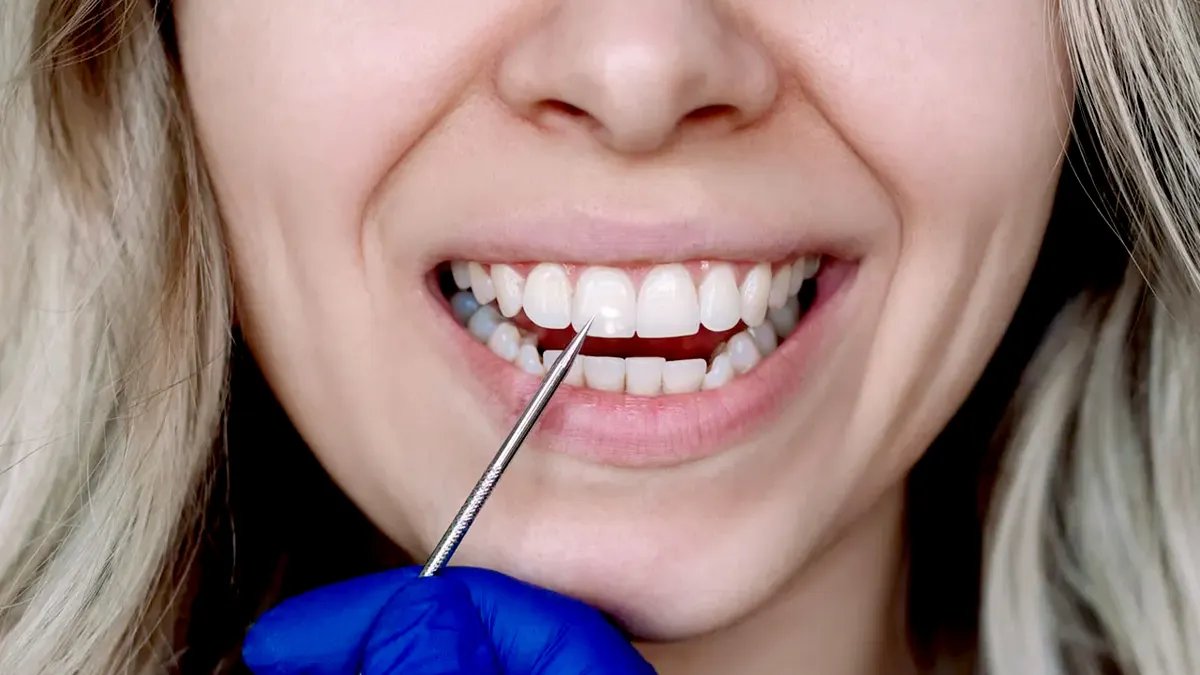
“We’re incredibly optimistic, but also realistic,” commented Dr. Lena Schmidt, a biomaterials engineer involved in the project. She was speaking from her lab, a brightly lit space humming with the quiet whir of machinery, overlooking a rain-swept campus. “The lab results are fantastic, truly, but translating that into a product that’s safe, affordable, and accessible for everyone requires immense effort. We’re talking about years of dedicated work, rigorous testing, and overcoming engineering puzzles. But the prize—a truly regenerative cavity treatment—is worth every single challenge.”
Ethical Considerations and Public Acceptance
The concept of using human hair for medical applications, while groundbreaking, naturally brings up questions of ethics and public perception. Where would the hair come from? Would it be sourced from donors? Would patients be comfortable with it? Researchers anticipate using hair collected from salons, which would undergo extensive purification and sterilization processes, rendering it completely safe and free from any identifying biological markers.
“Transparency will be key,” suggests Dr. Finch, emphasizing the need for clear communication with the public. “We need to educate people about what keratin is, how it’s processed, and why it’s such an incredible biomaterial. It’s not about putting someone else’s hair in your mouth; it’s about using a highly purified, biologically active protein that happens to be abundant in hair. It’s no different, in principle, from using other animal or plant-derived biomaterials that are already common in medicine.” This will be crucial in building trust and ensuring that this promising technology gains widespread acceptance, moving it from a surprising scientific headline to a routine, beneficial part of modern dentistry.
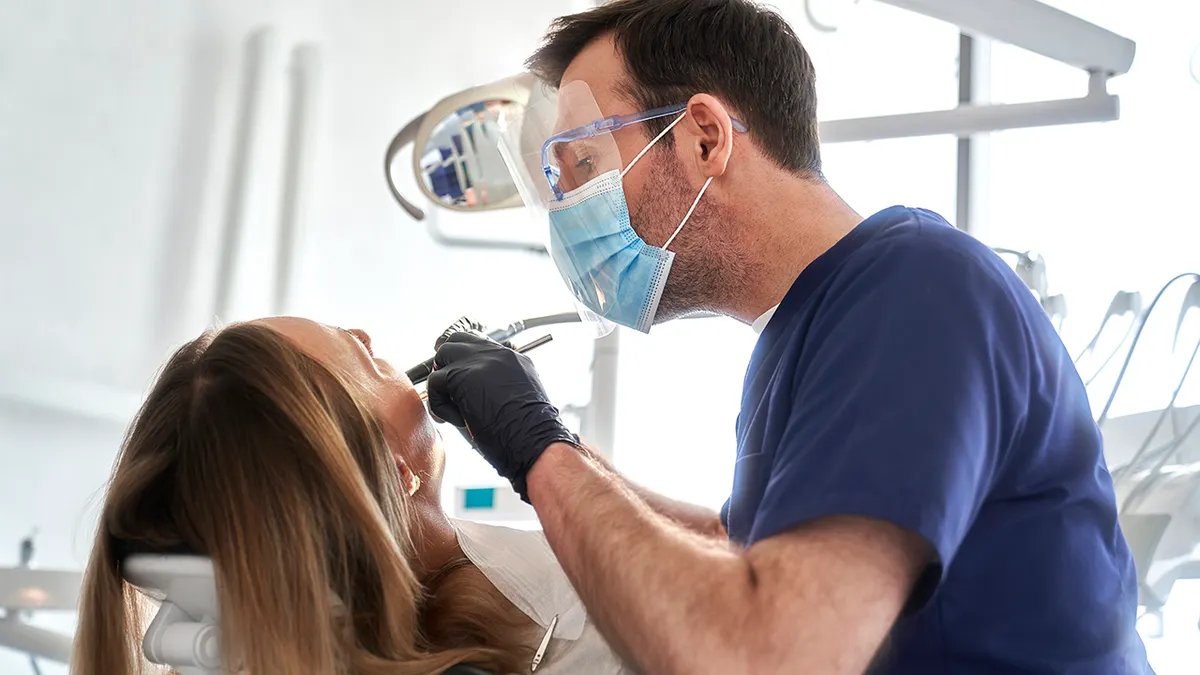
A Glimpse into Tomorrow’s Dental Chair
Imagine your next dental visit. Instead of the dentist preparing your tooth for a composite or amalgam filling, they might be applying a specialized keratin-based gel or scaffold. This material would not only fill the cavity but would actively work with your body to stimulate the natural regeneration of your tooth structure. You might leave the office not just with a patched tooth, but with a tooth actively rebuilding itself, becoming stronger and more resistant to future decay. That sounds pretty incredible, doesn’t it?

This isn’t just about fixing cavities; it’s about moving towards a future of truly preventative and regenerative medicine in dentistry. It’s about harnessing the body’s own materials and mechanisms to promote healing, a concept that aligns perfectly with the broader trend in healthcare towards natural and minimally invasive treatments. The potential for this research to transform how we think about, and manage, our oral health is profound. It’s a testament to human ingenuity, finding solutions in the most unexpected places.
The journey to widespread adoption will be long, but the initial findings are so compelling, so revolutionary, that they fill me with immense hope. The next decade could truly be a golden age for oral health, driven by innovations like these. The thought that something as simple and ubiquitous as human hair could hold the key to stronger, healthier smiles for generations to come is nothing short of breathtaking. It’s a fantastic example of science continuing to surprise and inspire us, always pushing the boundaries of what we thought was possible.
Frequently Asked Questions
| What is this research about, regarding human hair and teeth? | This groundbreaking research explores the potential of using keratin, the primary protein found in human hair, as a biomaterial to repair teeth damaged by cavities. Instead of merely filling a cavity, the keratin-based material aims to stimulate the tooth’s natural regenerative processes, encouraging it to heal and rebuild its structure. |
| What are the main benefits of using human hair for tooth repair? | The key benefits include a more natural and regenerative approach compared to traditional fillings. Keratin is biocompatible, can promote remineralization, strengthen the tooth from within, and potentially offer longer-lasting results by integrating with the tooth’s biology. It aims to actively heal, not just patch. |
| How would this hair-based treatment be applied in a dental setting? | While still in research, the vision is for dentists to apply a specially formulated keratin-based gel, paste, or scaffold to the prepared cavity. This material would then act as a biological framework, encouraging the tooth’s cells to deposit new minerals and form new dentin, effectively repairing the damage. |
| What challenges must be overcome before this becomes widely available? | Significant challenges remain, including extensive clinical trials to ensure safety and efficacy, scaling up the production of purified keratin, obtaining rigorous regulatory approvals, standardizing quality control, and addressing public perception and acceptance of using hair-derived materials in dentistry. |
| When can we expect to see this technology in dental clinics? | While extremely promising, this technology is still in the research and development phase. Comprehensive clinical trials and regulatory approvals typically take several years. It’s likely to be at least 5-10 years, if not more, before hair-based dental repair becomes a widely available treatment option in clinics. |
Important Notice
This FAQ section addresses the most common inquiries regarding the topic.