The hum of the servers, the frantic callouts in a clutch round, the sheer tension of a 1v1—that’s the familiar rhythm of Rainbow Six Siege for millions of us. For nearly a decade, this game has carved out an almost untouchable niche as the premier tactical multiplayer shooter, focusing relentlessly on its competitive PvP core. But lately, there’s been a whisper in the digital corridors, a faint echo of something many long-time fans thought was lost to time: the possibility of a return to single-player. Can you imagine? The idea alone sends shivers down my spine, a mix of excitement and cautious hope. We’re talking about a franchise that, for many of us, began with intricate, story-driven missions, meticulously planned breaches, and the quiet satisfaction of a perfectly executed solo operation. It wasn’t always about clutching a 5k; it was about the narrative, the operators, and the world. Now, key figures within Ubisoft are openly discussing the prospect of revisiting that heritage, hinting at a future where Rainbow Six Siege, or perhaps a new offshoot, could once again deliver a robust, engaging, offline experience. This isn’t just speculation from the community anymore; this is coming from the very architects of the game, leaving us all wondering if the tactical shooter landscape is about to shift dramatically. What would that even look like after all these years? It’s a fascinating thought, isn’t it?
It’s easy to forget, amidst the constant barrage of new operators and esports tournaments, that the Tom Clancy’s Rainbow Six franchise didn’t start its journey as a multiplayer-only behemoth. Far from it, actually. Back in the late 90s and early 2000s, games like Rainbow Six, Rogue Spear, and Raven Shield were groundbreaking for their incredibly detailed tactical single-player campaigns. You’d spend ages planning your entry points, choosing your team’s loadouts, and meticulously assigning waypoints, all before the first shot was even fired. It was less about twitch reflexes and more about strategic thinking, patience, and realistic engagement. Then came the Vegas sub-series, which blended that tactical depth with a more accessible, cover-based third-person perspective, still offering compelling single-player narratives. These games were pillars of their genre, celebrated for their realism and the genuine feeling of being part of an elite counter-terrorist unit.
Fast forward to 2015, and Rainbow Six Siege burst onto the scene with a radical departure. No traditional single-player campaign. Instead, it offered a tight, focused multiplayer experience built around destructible environments and unique operator abilities. It was a gamble, a big one, but it paid off handsomely, evolving into the global esports phenomenon we know today. The game thrives on its competitive nature, its constant updates, and the dynamic meta-game that keeps players hooked. (Honestly, who needs a story when you can spend hours perfecting your Sledge hammer entry?) But even with all its success, that longing for the old ways, for a dedicated narrative experience, has never truly gone away for a significant portion of the fanbase. It’s a sentiment I hear echoed in forums and online communities constantly: “Imagine a new Rainbow Six game with a proper story!”

The Seeds of Speculation: Directors Speak Out
The recent rumblings about a single-player return didn’t just appear out of thin air. They sprouted from recent interviews and Q&A sessions with key development figures at Ubisoft. Specifically, during a recent developer roundtable, Jean-Baptiste Halle, the Creative Director for Rainbow Six Siege, was quoted discussing the potential. “We’re always exploring new avenues for the franchise,” Halle reportedly stated. “While Siege remains our core focus for competitive multiplayer, the legacy of Rainbow Six includes rich, narrative experiences. We’ve heard the community, and we understand the desire for that tactical, story-driven gameplay.” This wasn’t a firm commitment, mind you, but it was far more than vague platitudes. It felt like a deliberate acknowledgement, a crack in the wall of multiplayer-only certainty.
Adding fuel to the fire, Anjali Nair, a Senior Game Designer on the project, expanded on this during a podcast appearance. “The sandbox of operators, their backstories, and the global threat they face—there’s so much untapped potential for storytelling there,” she remarked, her voice conveying a genuine enthusiasm. “Imagine taking a handful of your favorite operators, customizing their loadouts, and tackling a truly immersive mission arc that explores the lore we’ve built over the years. It’s a dream scenario for many of us on the team, not just the players.” This wasn’t just corporate-speak; it sounded like developers genuinely wanting to revisit something they themselves appreciate. It makes you think, if the creators are dreaming of it, how far away could it really be?

Community’s Mixed Emotions: Hope and Caution
The reaction from the Rainbow Six Siege community has been, predictably, a roller coaster of emotions. On one hand, there’s immense excitement. Veterans who fondly remember the days of Lone Wolf terrorist hunts and intricate single-player missions are absolutely thrilled. “Finally!” exclaimed one user, “I’ve been playing since the first game. Give me a campaign where I can actually *plan* without some random Ash main rushing in!” Another player, known as ‘TacticalGamer77’ on a popular forum, posted, “This is exactly what the franchise needs. The lore is so rich, but it’s buried in operator bios. A proper story mode would make it shine.”
However, there’s also a healthy dose of skepticism. Some players worry that diverting resources to a single-player campaign might compromise the ongoing development and support for Siege’s core multiplayer. “Look, I love the idea, but not if it means fewer new maps or slower bug fixes for multiplayer,” commented ‘R6ProPlayer_XYZ’. Others question whether Ubisoft could truly capture the essence of the older games while still appealing to a modern audience. After all, the landscape of tactical shooters has changed dramatically. A user named ‘SkepticSam’ put it plainly, “They had Outbreak and it was fun, but it wasn’t a true story mode. Can they really deliver on the original R6 tactical feel?” These are valid concerns, born from years of live-service game development cycles where focus is paramount.
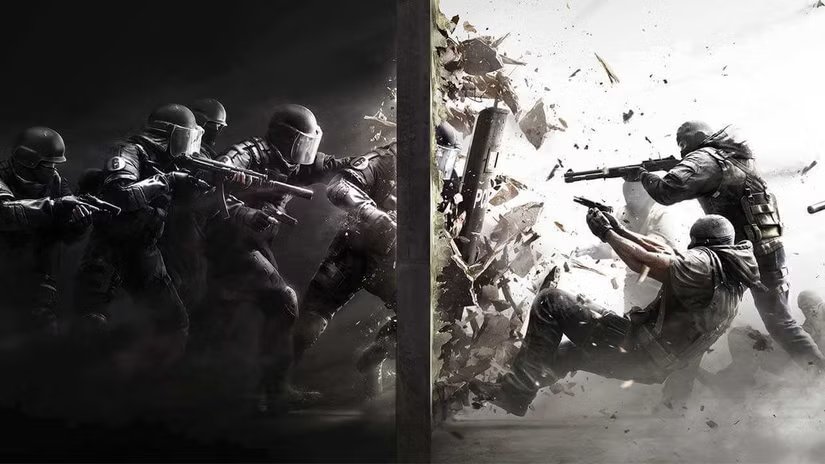
Defining “Single-Player” in a Modern Rainbow Six Context
When we talk about a single-player return, what exactly do we envision? It’s unlikely to be a full-fledged, standalone AAA title like the original games, at least not initially. The most probable scenario would be an expansion or a dedicated PVE mode within the existing Rainbow Six Siege ecosystem, similar to the limited-time Outbreak event from Operation Chimera, but far more fleshed out and permanent.
Beyond Outbreak: A Deeper Narrative
Outbreak was a fun, cooperative PVE experience, no doubt, but it was essentially a horde mode with a narrative wrapper. What players seem to crave is something with:
- Intricate Mission Design: Multi-stage objectives, hostage rescues, bomb defusals, intelligence gathering.
- Operator-Specific Stories: Missions tailored to certain operators’ unique gadgets and lore, allowing players to really dive into their backstories.
- Tactical Planning Phases: A return to the pre-mission planning board, complete with drone scouting and breaching point selection.
- Player Choice and Consequences: Perhaps branching narratives or different outcomes based on mission success or failure.
This would be a far cry from simply fighting AI bots on existing PvP maps. It would require a dedicated team and significant development resources to craft unique environments, AI behaviors, and compelling story arcs that feel genuinely tactical and rewarding.

Challenges and Opportunities for Ubisoft
Implementing a robust single-player experience within or alongside Siege presents both significant challenges and exciting opportunities for Ubisoft.
The Hurdles Ahead:
- Resource Allocation: The biggest concern is how to fund and staff such a project without detracting from Siege’s live-service demands. Creating quality single-player content is expensive and time-consuming.
- Engine Limitations: While the Anvil engine powering Siege is robust, it’s primarily optimized for competitive multiplayer. Building complex AI behaviors, large-scale environments, and intricate scripting for a narrative could require substantial modifications or even a separate engine fork.
- Maintaining Identity: How do you create a compelling single-player experience that feels like Rainbow Six without alienating the existing multiplayer fanbase, or compromising the core competitive identity? It’s a delicate balance.
- Player Expectations: After years of waiting, fan expectations will be incredibly high. A mediocre attempt could do more harm than good to the franchise’s reputation.
I mean, we’ve seen games stumble trying to do too much. It’s a tightrope walk.
The Golden Opportunities:
- Attracting New Players: A strong single-player offering could draw in players who are intimidated by Siege’s steep multiplayer learning curve or simply prefer a solo experience. This could be a significant growth vector.
- Expanding Lore: As Anjali Nair mentioned, the lore is rich. A campaign could finally flesh out the operator backstories, the Rainbow program’s global operations, and the overarching threats they face, creating a more cohesive universe.
- Franchise Longevity: Diversifying the offerings beyond competitive PvP could extend the overall lifespan of the Rainbow Six brand, making it more resilient to shifts in player trends.
- Innovation in Tactical Gameplay: A dedicated single-player mode allows for experimental gameplay mechanics that might not fit into the competitive arena, pushing the boundaries of tactical realism.

Ubisoft’s Broader Strategy and Market Trends
Ubisoft has a track record of experimenting with different approaches within its major franchises. Look at Assassin’s Creed, which has pivoted from stealth action to open-world RPGs. Or Far Cry, which consistently delivers robust single-player experiences alongside cooperative elements. The company isn’t afraid to adapt and evolve its flagship titles. Moreover, the industry itself has seen a resurgence in appreciation for well-crafted single-player narratives, even from developers known for multiplayer. Games like DOOM Eternal or even Call of Duty’s recent campaigns have proven that players still crave those epic solo journeys.
Consider the success of Ready or Not, a game that explicitly leans into ultra-realistic tactical PVE, drawing a clear line back to the roots of Rainbow Six. This demonstrates a clear market demand for a methodical, less arcade-y tactical experience. If Ubisoft can tap into that, combining the modern polish of Siege with the classic tactical depth, they could have a real winner on their hands. It wouldn’t just be an addition; it would be a statement.

What Would a New Rainbow Six Single-Player Look Like?
If Ubisoft truly commits to a meaningful single-player experience, what kind of form could it take? I’m picturing something that perhaps leverages Siege’s existing operator roster, giving us a reason to dive deep into their backstories and unique gadgets in a narrative context. Imagine a series of “operator dossiers” that unlock specific missions, each designed around the strengths of a particular operator or a small, curated team.
For instance, a mission focusing on Thatcher and Twitch, using their EMP and drone tech to disable advanced enemy electronics. Or a stealth infiltration with Caveira and Nokk, showcasing their unique abilities for silent takedowns and unseen movement. The narrative could tie into the overarching lore of the White Masks, or introduce entirely new threats that are too complex for a standard PvP encounter. It could even be a more open-ended “spec ops” style experience, where you select a team of three or four operators and embark on longer, more complex missions with multiple objectives and dynamic enemy patrols, much like the original games. The possibilities are truly exciting, and honestly, a little overwhelming to think about.
The key, I believe, would be to make it distinct enough from the multiplayer. It shouldn’t just feel like ‘training’ for PvP. It needs its own identity, its own challenges, and its own narrative rewards. A true celebration of the tactical depth the franchise is known for, perhaps even with a slower pace, more emphasis on reconnaissance, and severe penalties for rushing in guns blazing. That’s the dream, isn’t it? A return to the methodical, high-stakes planning that made us fall in love with Rainbow Six in the first place.
Conclusion: A Glimmer of Hope for Tactical Storytelling
The comments from the directors of Rainbow Six Siege about a potential return to single-player are more than just idle chatter; they represent a significant shift in thinking. For years, the narrative has been that multiplayer is king, especially for live-service titles. But there’s a growing understanding, both within developer studios and among the player base, that a well-crafted story mode offers a different, equally valuable kind of engagement. It’s about more than just numbers on a scoreboard; it’s about immersion, character, and world-building.
While we shouldn’t expect a full-blown, traditional campaign tomorrow, the fact that Ubisoft is openly discussing and acknowledging the community’s desire for tactical, story-driven content is incredibly promising. It signals a potential future where the Rainbow Six franchise can embrace both its competitive esports powerhouse identity and its deep, tactical single-player roots. For fans like me, who grew up meticulously planning breaches and appreciating the nuanced narratives of the earlier games, this feels like a glimmer of hope. The industry is always evolving, and perhaps, just perhaps, the time is right for Rainbow to truly come full circle. We can only wait, watch, and keep our fingers crossed for a tactical story unleashed.
Frequently Asked Questions
| What prompted the discussion about Rainbow Six Siege returning to single-player? | Recent interviews and Q&A sessions with key development figures at Ubisoft, including Creative Director Jean-Baptiste Halle and Senior Game Designer Anjali Nair, have openly acknowledged the community’s desire for story-driven content and the rich potential within the game’s lore and operators. |
| What are the potential benefits of adding a single-player mode to Rainbow Six Siege? | A single-player mode could attract new players intimidated by multiplayer, expand and deepen the existing lore, enhance the franchise’s overall longevity, and provide opportunities for innovative tactical gameplay that might not fit competitive PvP. |
| How might a new Rainbow Six single-player experience differ from earlier games or existing PVE modes? | It’s likely to go beyond simple horde modes like Outbreak, focusing on intricate mission designs, operator-specific story arcs, tactical planning phases, and potentially player choice and consequences. It would aim for a deeper narrative and more methodical gameplay than current PVE offerings. |
| What challenges would Ubisoft face in implementing a single-player mode for Rainbow Six Siege? | Key challenges include allocating sufficient development resources without impacting the core multiplayer experience, adapting the game engine for complex AI and environments, maintaining the franchise’s identity, and managing high player expectations for a quality narrative experience. |
| Is a full, standalone Rainbow Six single-player game likely, or something integrated into Siege? | While a standalone title isn’t impossible, a more probable initial scenario would be a robust expansion or a dedicated, permanent PVE mode integrated within the existing Rainbow Six Siege ecosystem. This would leverage existing assets and operator lore while testing the waters for further expansion. |
Important Notice
This FAQ section addresses the most common inquiries regarding the topic.