It was a sweltering day in Tapachula, Mexico. The air hung thick and heavy, buzzing with the murmur of thousands of voices. Families huddled together, their faces etched with a mix of hope and exhaustion. They were part of the latest migrant caravan, dreaming of a better life in the United States. Little did they know, the landscape had shifted dramatically beneath their feet. Recent policy changes implemented by both the US and Mexican governments had effectively created a wall of bureaucracy and legal hurdles, making their journey infinitely more challenging. (I remember seeing similar scenes years ago, but there was a different feeling in the air then – a sense of possibility, perhaps?) These changes, designed to deter mass migration, are impacting not just the number of people arriving at the US border but also the very nature of the migrant crisis itself.
The atmosphere is tense. You can feel the anxiety radiating from the crowd as whispers circulate about increased border patrol presence, stricter asylum requirements, and the growing likelihood of deportation. One woman, Maria, clutching her child tightly, confided, “We heard the news. It’s harder now. Much harder. But what choice do we have? We cannot go back.” Her words echo the desperation that fuels these journeys, even in the face of seemingly insurmountable obstacles. The reality on the ground is stark: the path to the US border, once a difficult trek, is now a gauntlet of legal and logistical challenges, largely due to the policy changes enacted. This impacts the availability of humanitarian aid, too.
The new policies target migrant caravans directly, implementing measures to slow their progress, process asylum claims in countries of origin or transit, and increase enforcement at the border. While proponents argue these measures are necessary for national security and border control, critics contend they violate international law and exacerbate the humanitarian crisis. It’s a complex issue, and the human cost is undeniable. It’s not just about numbers; it’s about real people with real stories, caught in the crossfire of political maneuvering. The effectiveness of these policy changes and their long-term consequences remain hotly debated, as the situation evolves daily at the US border.
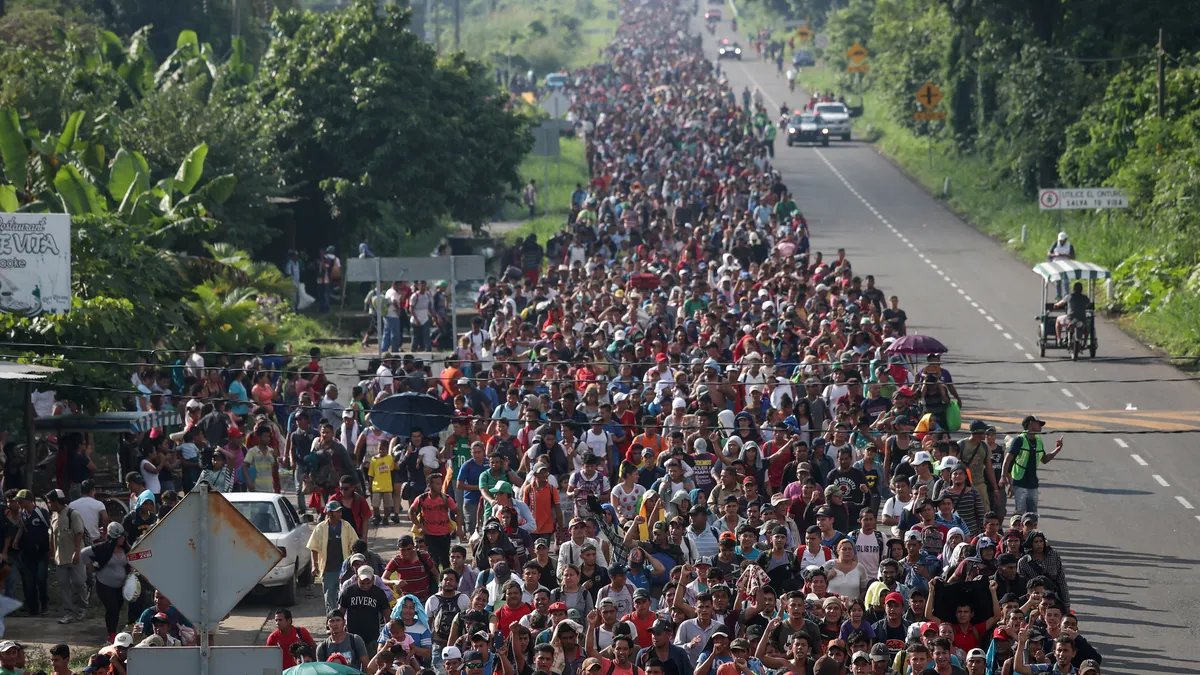
Consider the story of Miguel, a Honduran farmer who joined the caravan seeking refuge from gang violence. He explained, “They took everything. My land, my family’s peace. I had to leave.” He initially felt a surge of hope amidst the group, however, he wasn’t quite prepared for the sheer number of obstacles he and others now faced. The policy changes felt like a deliberate move, designed to make his life even harder. The recent changes in immigration law, including stricter asylum eligibility requirements and the “Remain in Mexico” policy, have significantly impacted those like Miguel.
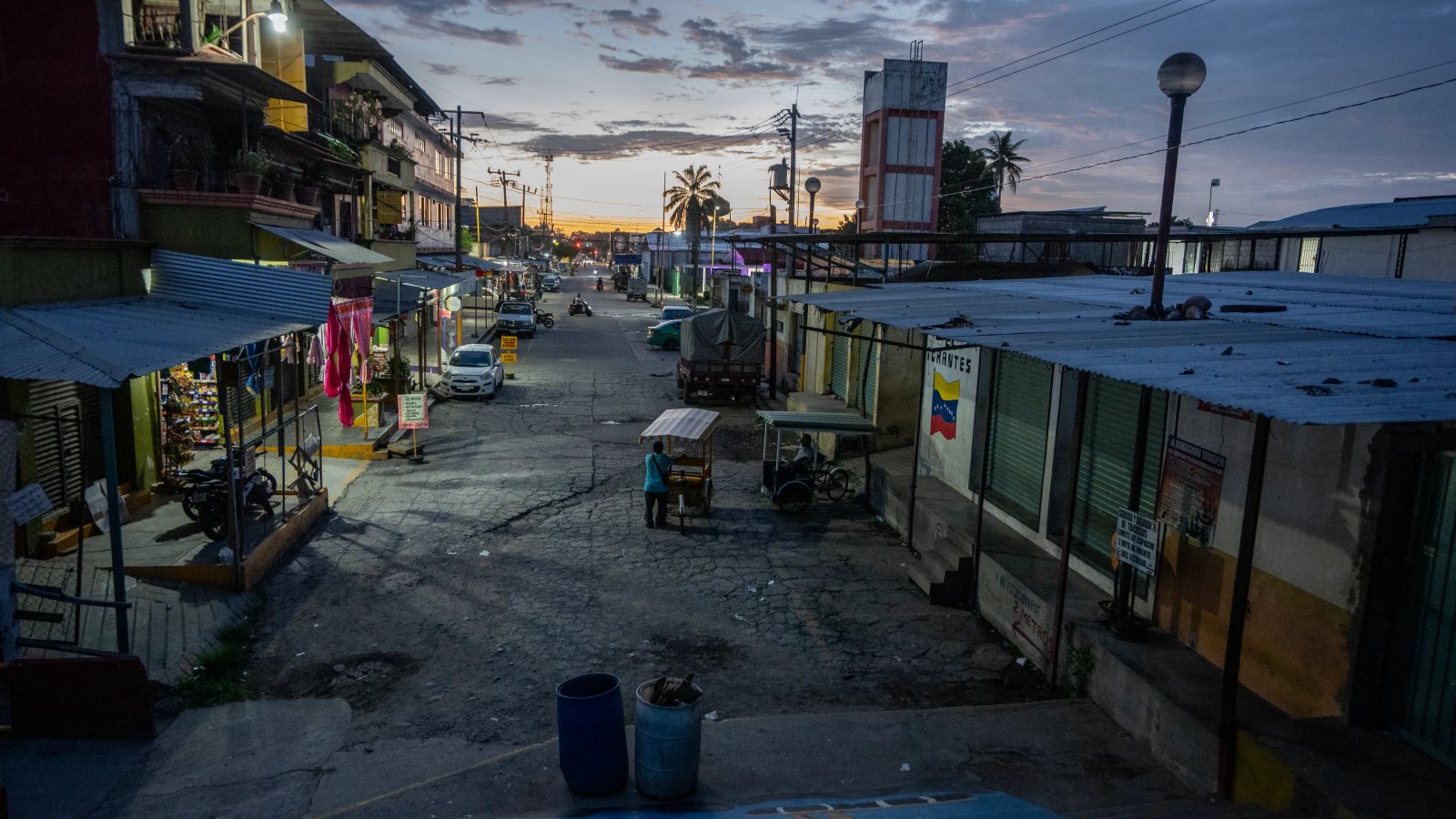
One of the biggest shifts has been the tightening of asylum procedures. The US government has made it more difficult for asylum seekers to prove credible fear of persecution in their home countries. This is compounded by the limited resources available to migrants to navigate these complicated legal processes. Legal aid organizations are stretched thin, trying to assist as many individuals as possible, but the demand far outstrips the supply. (It’s a David and Goliath situation, really.) The impact of these policy changes on the asylum seekers is devastating. Some have been forced to return to dangerous situations, while others languish in overcrowded shelters, uncertain of their fate. The role of border patrol has expanded to include more stringent screening and processing procedures.
The Impact of Policy Changes on Migrant Flows
The effect of these policies is undeniable. The number of large migrant caravans reaching the US border has decreased substantially. However, this doesn’t necessarily mean that fewer people are attempting to migrate. Instead, it suggests that people are finding alternative, and often more dangerous, routes. The increased scrutiny at official ports of entry is pushing migrants to cross in more remote and perilous areas, increasing the risk of exploitation and death.
Key Policy Changes and Their Effects
Here’s a breakdown of some of the key policy changes and their observed effects:
- “Remain in Mexico” Policy (MPP): This policy requires asylum seekers to wait in Mexico while their US immigration cases are processed. This has led to a backlog of cases, overcrowded shelters in Mexican border towns, and increased vulnerability for asylum seekers.
- Stricter Asylum Eligibility: The US government has narrowed the criteria for asylum eligibility, making it more difficult for individuals fleeing violence and persecution to qualify for protection.
- Increased Border Security: The deployment of additional border patrol agents, the construction of physical barriers, and the use of advanced surveillance technology have made it more difficult to cross the border undetected.
- Agreements with Other Countries: The US has entered into agreements with countries like Guatemala, Honduras, and El Salvador, requiring asylum seekers to first seek protection in those countries before applying for asylum in the US.
“It’s a pressure cooker,” said a volunteer working with migrants in Tijuana. “People are desperate, frustrated, and running out of options. The policies are creating a humanitarian crisis on both sides of the border.” This highlights the interconnectedness of the issue. The United States’ border security policies have a direct impact on Mexico and other Central American countries.
The Role of Smugglers and Organized Crime
The crackdown on migrant caravans has inadvertently strengthened the hands of smugglers and organized crime groups. Desperate migrants are increasingly turning to these criminal networks to help them cross the border, making them vulnerable to exploitation, extortion, and human trafficking. It’s a sad irony: the very policies designed to deter illegal immigration are actually fueling it.
The Humanitarian Impact
Beyond the legal and logistical challenges, the policy changes have had a profound humanitarian impact. Migrants are facing increased risks of violence, exploitation, and illness. Shelters are overcrowded and under-resourced. The mental health of asylum seekers is deteriorating as they face prolonged uncertainty and separation from their families.
Challenges in Providing Humanitarian Aid
Organizations providing humanitarian aid are struggling to keep up with the demand. Funding is limited, and access to migrants is often restricted. The political climate surrounding immigration makes it difficult to garner public support for humanitarian efforts. It’s a constant battle against apathy and misinformation.
* Limited funding for shelters and support services
* Restrictions on access to migrants
* Increased hostility towards aid workers
* Overcrowding in shelters
* Lack of adequate medical care
These factors combine to create a perfect storm of suffering and despair for the most vulnerable migrants.
Alternative Approaches to Immigration Management
The current approach to immigration management, focused primarily on enforcement and deterrence, has proven to be ineffective and inhumane. There is a growing consensus that alternative approaches are needed, ones that prioritize human rights, address the root causes of migration, and promote safe and orderly migration pathways.
Addressing Root Causes of Migration
One of the most effective ways to reduce irregular migration is to address the root causes that drive people to leave their homes in the first place. This includes investing in economic development, promoting good governance, combating corruption, and addressing violence and insecurity in countries of origin. It’s about creating a world where people don’t feel forced to migrate in order to survive.
Expanding Legal Pathways for Migration
Expanding legal pathways for migration, such as temporary work visas, family reunification programs, and resettlement opportunities, can provide safe and orderly alternatives to irregular migration. This would allow people to migrate through legal channels, reducing their reliance on smugglers and protecting them from exploitation. Immigration reform is badly needed.
Strengthening International Cooperation
Immigration is a global issue that requires international cooperation. Countries need to work together to share responsibility for managing migration flows, protecting refugees and asylum seekers, and combating human trafficking and smuggling. This includes providing financial and technical assistance to countries of origin and transit to help them manage migration effectively.
Conclusion
The policy changes impacting migrant caravans attempting to reach the US border represent a complex and evolving situation. While these changes may have temporarily reduced the number of large caravans, they have also led to unintended consequences, including increased reliance on smugglers, more dangerous migration routes, and a worsening humanitarian crisis. A more comprehensive and humane approach to immigration management is needed, one that addresses the root causes of migration, expands legal pathways for migration, and prioritizes the rights and dignity of all migrants. What I think is going to happen? The issue will keep escalating until there is a paradigm shift from all parties.
Frequently Asked Questions
| How have policy changes affected migrant caravans reaching the US border? | Recent policy changes, including stricter asylum requirements and increased border enforcement, have made it significantly more difficult for migrant caravans to reach the US border, leading to decreased numbers but potentially more dangerous routes. |
| What are the benefits of these policy changes from a security perspective? | Proponents argue these policies enhance national security by deterring illegal immigration, controlling the flow of migrants, and reducing the strain on border resources. It also allows for a more orderly processing of asylum claims. |
| How are these policies implemented on the ground? | The policies are implemented through increased border patrol presence, enhanced screening processes, agreements with other countries to manage asylum claims, and the use of technology to monitor and secure the border. |
| What are the main challenges associated with these policy changes? | Challenges include increased risks for migrants forced to take more dangerous routes, strain on humanitarian resources, ethical concerns related to asylum rights, and the potential for fueling organized crime and human trafficking. |
| What is the future outlook for migrant caravans and US border policy? | The future likely involves continued policy adjustments, increased international cooperation to address root causes of migration, and ongoing debates about the balance between border security and humanitarian concerns. The situation remains dynamic and subject to political and social factors. |
Important Notice
This FAQ section addresses the most common inquiries regarding the topic.