The air in the Ubisoft Montreal office was thick with anticipation, or maybe it was just the late-night pizza fumes hanging around. It was supposed to be the triumphant return of Sam Fisher, the king of stealth, in a brand new Splinter Cell adventure. Years had passed since his last proper outing, and fans were clamoring for more. The development team, fueled by coffee and a burning desire to do justice to the legacy, were knee-deep in mocap sessions, level design, and storyboarding. But something wasn’t quite clicking. The initial vision of a gritty, realistic espionage thriller, a hallmark of the Splinter Cell franchise, was slowly morphing into something… different.
Whispers started circulating: “More action,” some said. “Less shadows,” others murmured, fiddling nervously with their headsets. The pressure from above was mounting. The gaming landscape had shifted. Players were demanding faster-paced experiences, bombastic gunplay, and, crucially, games-as-a-service models that could generate revenue long after launch. The original Splinter Cell formula, while beloved by its core fanbase, felt increasingly out of sync with the market’s appetite. (I remember a similar shift happening with a project I worked on years ago. The ‘suits’ always seem to want to chase the latest trend, don’t they?)
Then came the fateful decision. The new Splinter Cell game, in its current form, was scrapped. But the assets, the technology, and, perhaps most importantly, the creative energy poured into it wouldn’t go to waste. From the ashes of this cancelled project rose a new contender: XDefiant, a fast-paced, free-to-play first-person shooter that would incorporate elements of various Tom Clancy universes, including, yes, Splinter Cell. The internet exploded. Fans were outraged. “How could they do this to Sam Fisher?” they cried. “This is a disgrace to the Splinter Cell legacy!” But Ubisoft had made their choice. Let’s delve into the details of what happened behind closed doors, and how a stealth icon inadvertently paved the way for a very different kind of game.
The Unfulfilled Promise: A New Splinter Cell That Never Was
For years, Splinter Cell fans have been yearning for a proper sequel. The last mainline entry, Splinter Cell: Blacklist, was released in 2013. While it was a decent game, it deviated from the series’ core tenets, leaning more towards action than stealth. The hopes for a return to the classic, methodical gameplay of Chaos Theory and Conviction were high. Early rumors and leaks pointed to a new Splinter Cell title being in development at Ubisoft Montreal, the studio responsible for some of the franchise’s most beloved installments.
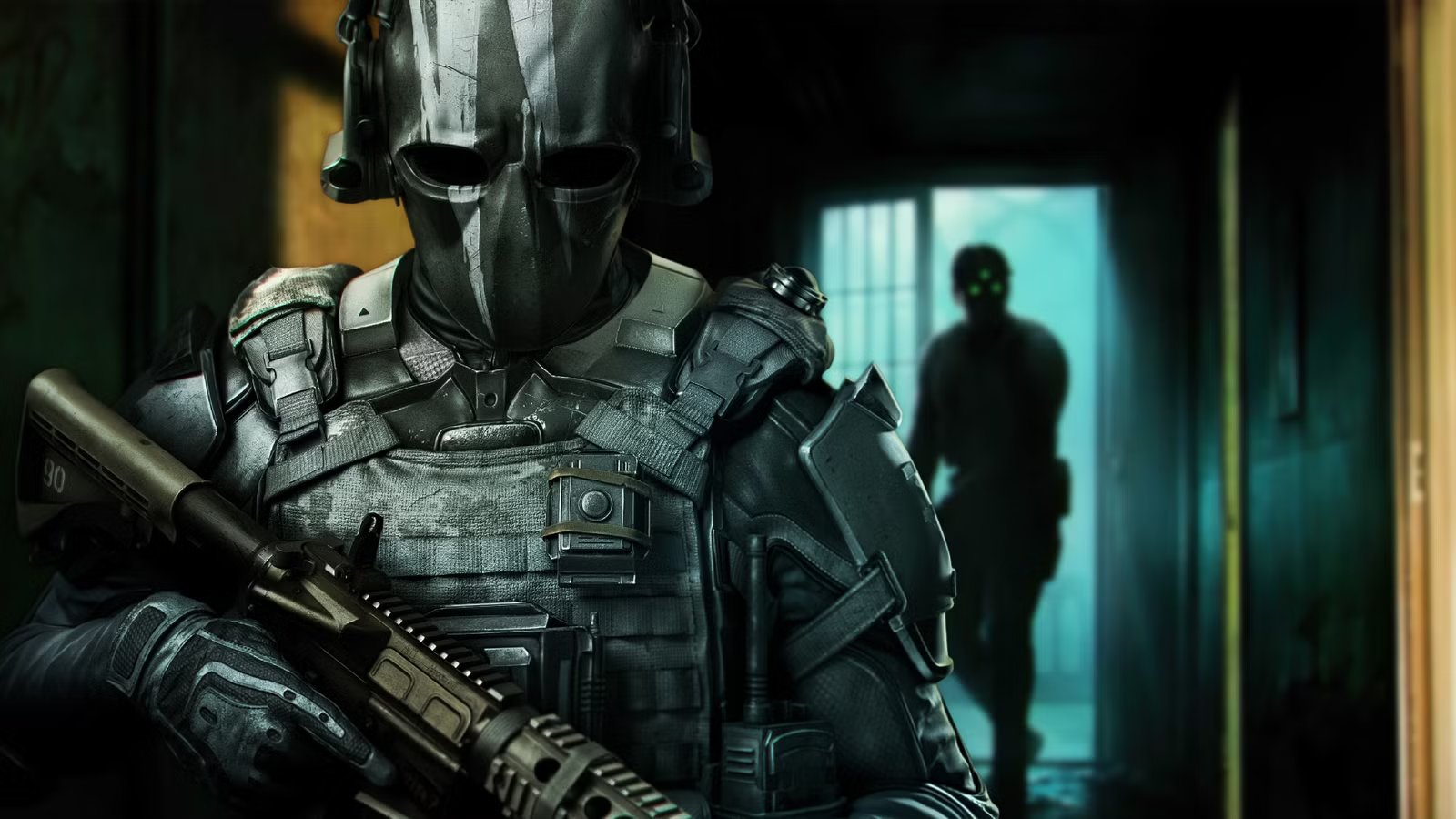
The initial reports suggested a reboot, a complete reimagining of the Splinter Cell universe for a new generation. Some sources even claimed that Michael Ironside, the iconic voice of Sam Fisher, would be returning to reprise his role. The excitement was palpable. Fans envisioned meticulously crafted levels, intricate gadgets, and a compelling narrative that would delve into the complexities of modern espionage. However, as time went on, the rumors began to paint a different picture. Internal struggles, creative differences, and shifting priorities within Ubisoft allegedly hampered the project’s progress.
The Pivot: From Stealth to Shooter
According to multiple sources within Ubisoft, the development of the new Splinter Cell game faced numerous challenges. The core issue seemed to be a lack of a clear vision for the game’s direction. “We had several teams working on different prototypes,” an anonymous Ubisoft employee told us. “One team was focusing on a more traditional stealth experience, while another was experimenting with more action-oriented gameplay. There was a lot of internal debate about which direction to take the franchise.” (This sounds like a recipe for disaster. You need a strong, unified vision from the start!)
The rise of games-as-a-service models, popularized by titles like Fortnite and Call of Duty: Warzone, also played a significant role. Ubisoft, like many other publishers, was keen to capitalize on this trend. The idea of a single-player, story-driven Splinter Cell game, while appealing to hardcore fans, didn’t align with the company’s long-term financial goals. A live service game, on the other hand, could generate revenue through cosmetic items, battle passes, and other microtransactions. The pressure to incorporate these elements into the new Splinter Cell game reportedly led to further complications.
Eventually, a decision was made: the Splinter Cell project, as it existed, was no longer viable. However, rather than scrapping everything entirely, Ubisoft opted to repurpose some of the assets and technology into a new game. This game would become XDefiant, a free-to-play arena shooter that brings together factions from various Tom Clancy universes, including Splinter Cell, Ghost Recon, and The Division.
XDefiant: A Tom Clancy Mashup
XDefiant is a first-person arena shooter that features fast-paced gameplay, customizable loadouts, and a focus on team-based combat. Players choose from different factions, each with unique abilities and playstyles. The Splinter Cell faction, known as the Echelon, utilizes stealth-based gadgets and tactics, a nod to the franchise’s roots.
The game’s initial reveal was met with mixed reactions. While some players were intrigued by the concept of a Tom Clancy crossover shooter, others expressed disappointment that it came at the expense of a new Splinter Cell game. Many fans felt that XDefiant was a betrayal of the franchise’s legacy, a blatant attempt to capitalize on the Tom Clancy brand without respecting its core values.
Here’s a breakdown of some of the key features of XDefiant:
- Factions: Choose from different factions inspired by Tom Clancy games, each with unique abilities and playstyles.
- Customization: Customize your loadout with a variety of weapons, attachments, and gadgets.
- Arenas: Engage in fast-paced combat in a variety of maps inspired by Tom Clancy settings.
- Free-to-Play: XDefiant is a free-to-play game, with optional cosmetic items and battle passes available for purchase.
The Echelon faction in XDefiant, representing Splinter Cell, is a class focused on stealth and information gathering. Their abilities include:
- Sonar Goggles: Briefly reveal enemies through walls.
- Digital Ghillie Suit: Provides temporary invisibility.
- Intel Suit (Ultimate Ability): Reveals the location of all enemies on the map for a short duration.
While these abilities are inspired by Splinter Cell’s stealth mechanics, they are implemented in a drastically different context. Instead of navigating shadows and silently eliminating enemies, players use these abilities to gain an advantage in fast-paced firefights.
The Fan Reaction: Outrage and Disappointment
The announcement that the new Splinter Cell game had been scrapped and repurposed into XDefiant was met with widespread criticism from fans. Social media platforms were flooded with angry comments and petitions demanding that Ubisoft revive the Splinter Cell project. Many fans felt that Ubisoft was prioritizing profit over artistic integrity, sacrificing a beloved franchise for the sake of a trendy free-to-play shooter.
“I’m absolutely gutted,” wrote one user on the Splinter Cell subreddit. “I’ve been waiting for a new Splinter Cell game for years, and to find out that it was scrapped and turned into this generic shooter is just heartbreaking. Ubisoft has completely lost touch with what made Splinter Cell special.”
Another fan commented, “This is a slap in the face to all the Splinter Cell fans who have been patiently waiting for a new game. XDefiant looks like a generic Call of Duty clone. It has nothing to do with Splinter Cell.”
The criticism wasn’t limited to online forums. Several gaming publications also expressed their disappointment with Ubisoft’s decision. “The cancellation of the new Splinter Cell game is a tragedy,” wrote a reviewer for IGN. “Splinter Cell is a unique franchise with a rich history, and it deserves better than to be relegated to a minor role in a generic crossover shooter.”
What Does the Future Hold for Splinter Cell?
Despite the cancellation of the new Splinter Cell game and the release of XDefiant, hope for a revival of the franchise remains. In December 2021, Ubisoft announced that a Splinter Cell remake is in development at Ubisoft Toronto. This remake aims to rebuild the original 2002 Splinter Cell game from the ground up, using Ubisoft’s Snowdrop engine. The developers have stated that they are committed to staying true to the spirit of the original game while modernizing its gameplay and visuals.
“We’re going back to the roots of the franchise,” said Chris Auty, creative director of the Splinter Cell remake. “We’re taking the original game and rebuilding it from the ground up, with modern graphics, gameplay, and technology. But we’re also staying true to the spirit of the original. We want to create a game that feels like a true Splinter Cell experience.” (That’s what we want to hear! Let’s hope they deliver.)
The Splinter Cell remake is currently in early development, and a release date has not yet been announced. However, the announcement has been met with cautious optimism from fans. Many are hopeful that this remake will finally deliver the Splinter Cell game they have been waiting for.
The saga of the new Splinter Cell game and its transformation into XDefiant serves as a cautionary tale about the challenges of game development in the modern era. It highlights the tension between artistic vision and commercial pressures, and the difficult decisions that developers often face when trying to balance the needs of their fans with the demands of the market. Whether the Splinter Cell remake will succeed in reviving the franchise remains to be seen. But one thing is clear: the legacy of Sam Fisher and his stealthy adventures continues to resonate with gamers around the world.
Conclusion
The story of the scrapped Splinter Cell project and its subsequent rebirth as XDefiant is a complex one. It’s a story of shifting priorities, creative compromises, and the ever-present tension between artistic vision and commercial viability. While the cancellation of the new Splinter Cell game was undoubtedly a disappointment for many fans, the upcoming remake offers a glimmer of hope for the future of the franchise. Will the remake capture the magic of the original games? Only time will tell. But one thing is certain: the demand for a true Splinter Cell experience remains strong, and Ubisoft would be wise to listen to the voices of its passionate fanbase. As for XDefiant, it exists as a testament to the evolving landscape of gaming and the repurposing of ideas within the industry. Perhaps, within its DNA, a small spark of Sam Fisher still flickers.
Frequently Asked Questions
| Why was the new Splinter Cell game cancelled? | Several factors contributed to the cancellation, including creative differences, internal struggles, and a shift in Ubisoft’s focus towards games-as-a-service models. The project reportedly lacked a clear vision and struggled to balance traditional stealth gameplay with the demands of a modern, live-service title. |
| What are the benefits of XDefiant? | XDefiant offers a fast-paced, free-to-play arena shooter experience with customizable loadouts and a variety of factions inspired by Tom Clancy games. It provides a different take on the Tom Clancy universe, appealing to players who enjoy competitive multiplayer gameplay. |
| How was Splinter Cell’s content implemented into XDefiant? | XDefiant features a Splinter Cell-inspired faction called Echelon. This faction utilizes stealth-based gadgets and tactics, such as sonar goggles and a digital ghillie suit, providing a nod to the Splinter Cell franchise’s roots within the broader context of an arena shooter. |
| What challenges did the Splinter Cell development team face? | The development team faced challenges in defining a clear vision for the new Splinter Cell game, balancing stealth gameplay with action elements, and incorporating games-as-a-service mechanics. These challenges ultimately led to the project being scrapped and repurposed into XDefiant. |
| What is the future of the Splinter Cell franchise? | Despite the cancellation of the new Splinter Cell game, a Splinter Cell remake is currently in development at Ubisoft Toronto. This remake aims to rebuild the original 2002 Splinter Cell game from the ground up, offering fans a modern take on the classic stealth experience. |
Important Notice
This FAQ section addresses the most common inquiries regarding the topic.