The news hit like a sudden, unexpected gust of wind, rustling through the political landscape and catching everyone a little off guard. Can you believe it? Cameron Kasky, a name etched into the national consciousness as one of the most visible and vocal Parkland survivors, has officially launched his bid for Congress. It’s a moment that feels both inevitable and astonishing, a powerful testament to the enduring impact of tragedy and the fierce resolve of youth. I remember seeing him on TV, barely out of high school, articulating grief and anger with a clarity that belied his age, standing shoulder-to-shoulder with fellow students demanding change after the horrific shooting at Marjory Stoneman Douglas High School.
That dreadful day in February 2018 transformed a typical high school student into an accidental activist, pushing him onto a national stage he never sought. Now, years later, that stage has broadened significantly. This isn’t just about another young candidate; this is about a Parkland survivor, a co-founder of the globally recognized March For Our Lives movement, deciding that advocacy from the streets and social media isn’t enough. He’s aiming for a seat at the table where laws are made, where the very policies he’s fought against, and for, are debated and decided. It makes you wonder, doesn’t it, what kind of fire must still burn within someone to take on such an immense challenge?
His decision sends a clear message: the generation shaped by school shootings, climate anxiety, and economic uncertainty isn’t waiting for others to fix things. They’re stepping up, ready to lead. For many, especially young voters who feel disenfranchised or unheard, Kasky’s candidacy represents a surge of hope and a tangible embodiment of their frustrations and aspirations. There’s a palpable excitement in the air, a sense that perhaps, just perhaps, this could be the start of a genuine shift in political representation, where lived experience trumps traditional political résumés. It’s a bold move, a deeply personal one, and frankly, I’m captivated by what it could mean for the future of American politics.
The Echo of a Tragedy: From Activism to Ambition
I still vividly recall the chilling reports from that sunny Florida afternoon in 2018, the sound of sirens cutting through the air, the terrified faces of students running from their school. The Marjory Stoneman Douglas High School shooting was a moment of profound national trauma, and from its ashes rose a generation of activists. Among them was Cameron Kasky, then just 17 years old, whose initial interviews showed a raw, unfiltered anguish that resonated deeply with millions. He wasn’t just another talking head; he was a kid who had just survived hell, and he refused to be silent.
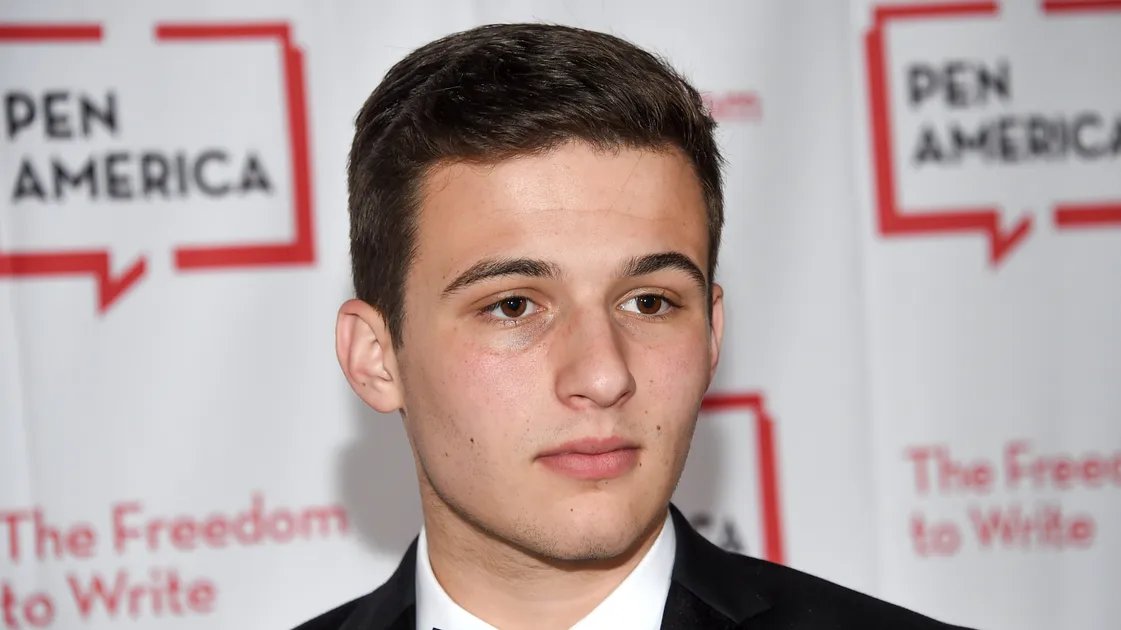
Almost immediately, Kasky, alongside classmates like David Hogg and Emma González, co-founded March For Our Lives. This movement didn’t just organize rallies; it ignited a national conversation about gun violence prevention that felt different. It was impassioned, articulate, and fiercely youth-driven. They organized the largest single-day protest against gun violence in history, bringing hundreds of thousands to Washington D.C., a sea of young faces demanding action. “We were just kids, scared and angry, but we knew we couldn’t just sit there,” Kasky once told a journalist, his voice still carrying the weight of those early days. “The adults weren’t fixing it, so we felt we had to.” Their movement pressured lawmakers, registered voters, and challenged the very notion of what a high school student could achieve. This period forged Kasky into a formidable public speaker and an undeniable force in the national dialogue.
Why Now? The Path to a Congressional Run
So, after years of activism, countless speeches, and a book detailing his experiences, why has Cameron Kasky chosen this specific moment to jump into the political fray? It’s a question many are asking, and the answer seems to lie in a growing conviction that direct legislative power is the next logical step for true, systemic change. “You can march all you want, you can protest and demand, but ultimately, the decisions are made in those halls of power,” Kasky stated in a recent announcement video, his gaze firm and resolute. “I realized that if I really want to protect kids, if I really want to build a better future, I need to be inside, not just outside, advocating.”
His decision to run for Congress is not solely about gun control anymore, though that remains a core issue. Kasky’s platform is broadening, reflecting the complex anxieties of his generation. He’s reportedly focusing on a range of progressive issues, including robust action on climate change, expanding access to affordable healthcare, addressing systemic inequities, and crucially, improving mental health services—an issue deeply personal to many survivors and young people today. One anonymous campaign staffer mentioned, “Cameron sees the interconnectedness of these problems. It’s not just about stopping bullets; it’s about building a society where young people can thrive without constant fear and uncertainty.” This holistic approach suggests a maturity in his political thinking that goes beyond the immediate, visceral reaction to tragedy.
The district he’s eyeing, while not yet definitively announced, is expected to be one that aligns with his progressive values, likely in Florida. This move from pure activism to electoral politics represents a significant pivot. While his activist background provides him with a powerful narrative and a built-in network of supporters, it also presents challenges. Traditional politicians might try to paint him as inexperienced or a single-issue candidate. However, many believe his direct, unvarnished approach and deep connection to a defining moment in recent American history could be his greatest assets. As one long-time Florida political observer, Dr. Evelyn Reed, commented, “Kasky doesn’t have to convince people of his passion or his sincerity. That’s already been proven in the crucible of tragedy. His challenge will be demonstrating legislative acumen.”
A New Generation’s Voice: Kasky’s Platform and Vision
When you consider Cameron Kasky‘s journey, his emerging platform makes a lot of sense. He’s not just running on a single issue; he’s articulating a vision for a country that prioritizes its youngest citizens. His proposed policies are likely to include:
- Comprehensive Gun Safety Legislation: Building on his foundational work with March For Our Lives, this will undoubtedly remain a cornerstone, pushing for universal background checks, bans on assault weapons, and red flag laws.
- Aggressive Climate Action: A core concern for Generation Z, Kasky is expected to advocate for renewable energy investments, stricter environmental regulations, and policies that address climate justice.
- Mental Health Support: Drawing from his own experiences and those of his peers, he aims to expand access to affordable mental healthcare, particularly for young people and those affected by trauma.
- Healthcare Accessibility: Supporting policies that ensure everyone has access to quality, affordable healthcare, possibly advocating for universal healthcare options.
- Economic Justice: Addressing issues like student debt, affordable housing, and equitable economic opportunities for young workers.
This platform isn’t just a list of talking points; it’s a reflection of the anxieties and hopes of a generation that has come of age in a turbulent world. Kasky’s unique perspective as a Generation Z candidate means he speaks the language of social media, understands the power of digital organizing, and intuitively connects with voters who prioritize authenticity over polished rhetoric. He isn’t afraid to be candid, to show emotion, or to challenge established norms. “The old ways aren’t working,” Kasky said during a recent online Q&A. “We need fresh ideas, bold action, and people who aren’t afraid to disrupt the status quo for the common good.”
The challenges he faces are considerable. Ageism is a real factor in politics, and some voters may question his experience. Fundraising will be a significant hurdle against potentially well-funded incumbents. However, Kasky’s supporters believe his youth is his superpower. “He’s not just a candidate; he’s a symbol,” offered Sarah Chen, a 20-year-old college student and volunteer. “He represents our collective anger and our collective hope. We finally have someone who truly understands what we’re going through, not just someone who’s read about it in a briefing.” This sentiment highlights a growing desire among younger voters for representatives who reflect their demographics and lived experiences, rather than just speaking to them.
The Road Ahead: Campaign Dynamics and Public Reaction
The initial public reaction to Cameron Kasky‘s announcement has been a mixed, but largely enthusiastic, bag. Within progressive circles and among youth advocacy groups, there’s a surge of excitement. Social media channels are buzzing with messages of support, pledges to volunteer, and calls for donations. “This is exactly what we need,” tweeted one prominent youth organizer. “A direct pipeline from activism to legislation. Kasky isn’t just talking the talk; he’s walking the walk straight into Congress.”
However, not everyone is convinced. Conservative commentators have already begun to critique his lack of traditional political experience and his progressive stances, casting him as too radical or too young for federal office. “He’s an activist, not a legislator,” remarked one pundit on a cable news show, implying a perceived gap in skill sets. This kind of skepticism is to be expected, but it underestimates the political savvy Kasky and his fellow activists have developed over years of intense public engagement. They’ve gone toe-to-toe with powerful lobbies, organized massive demonstrations, and navigated complex media landscapes. That’s a different kind of experience, but experience nonetheless.
Kasky’s campaign strategy is likely to lean heavily on grassroots organizing, leveraging his existing network of student activists and youth volunteers. Expect a robust digital presence, with creative social media campaigns, online town halls, and direct appeals to younger voters who are often overlooked in traditional political outreach. He’ll also need to build coalitions with established community leaders and demonstrate a grasp of local issues beyond national headlines. The primary election will be his first major test, where he’ll face off against potentially seasoned politicians with established donor bases. How he articulates his broader platform and connects with a diverse electorate will determine his success. “It’s not going to be easy, but nothing worth fighting for ever is,” Kasky concluded in a recent interview, a quiet determination in his voice. “We’ve faced down bigger challenges than this.” His journey from a bewildered high school student to a hopeful congressional candidate is truly a remarkable one, and it’s going to be fascinating to watch unfold.
Cameron Kasky’s decision to run for Congress is more than just another political campaign; it’s a profound statement about the legacy of tragedy, the power of youth, and the evolving landscape of American politics. He embodies the spirit of a generation that refuses to be ignored, that has witnessed firsthand the consequences of inaction, and that is now demanding a seat at the table. Whether he ultimately wins or not, his candidacy will undoubtedly spark further conversations about who we elect, what experiences truly qualify someone for office, and how we empower the voices of tomorrow. It’s a bold leap, fueled by conviction and hope, and I believe it will leave an indelible mark on the political consciousness of the nation, pushing us all to think more deeply about the kind of leadership we truly need.
Frequently Asked Questions
| Who is Cameron Kasky and why is his congressional bid significant? | Cameron Kasky is a prominent survivor of the 2018 Marjory Stoneman Douglas High School shooting in Parkland, Florida, and a co-founder of the March For Our Lives movement. His bid for Congress is significant because it represents a direct transition from youth activism to formal politics, bringing a survivor’s perspective and a powerful youth voice to the legislative arena. |
| What unique perspective does Kasky bring to Congress as a Parkland survivor? | As a Parkland survivor, Kasky brings a deeply personal and urgent understanding of gun violence and its societal impacts. This firsthand experience allows him to advocate for stronger gun safety legislation with unparalleled authenticity and passion, alongside other issues he cares about like climate change and mental health, from a Gen Z perspective. |
| How might Kasky’s activist background influence his campaign strategy? | Kasky’s background with March For Our Lives suggests a campaign rooted in grassroots organizing, powerful storytelling, and leveraging social media effectively to mobilize young voters. He will likely emphasize direct engagement, community building, and a platform that speaks to the concerns of a younger generation. |
| What challenges might Cameron Kasky face in his bid for Congress? | Kasky may face challenges such as overcoming his relative lack of traditional political experience, fundraising against established politicians, navigating the complexities of party politics, and convincing older demographics of his readiness for federal office. Ageism and skepticism about activist-turned-politicians are also potential hurdles. |
| What could Cameron Kasky’s entry into politics mean for youth engagement in the future? | Kasky’s congressional bid could significantly inspire and empower other young activists and survivors to seek political office. It might signal a growing trend of Generation Z directly challenging the status quo, injecting new energy and perspectives into American politics, and making youth voices an undeniable force in policymaking. |
Important Notice
This FAQ section addresses the most common inquiries regarding the topic.