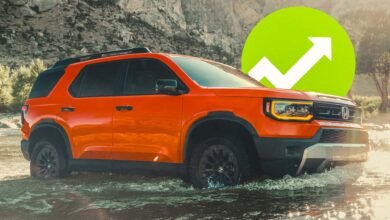
The desert sun beat down, baking the sand to an almost unbearable temperature. Dust devils danced across the horizon, mimicking the swirling thoughts in my head as I watched a convoy of meticulously outfitted vehicles rumble past. They weren’t just going off-road; they were overlanding. But something was different. These weren’t the rugged, bare-bones rigs of years past. This was a new breed. Sophisticated technology, eco-friendly setups, and a palpable sense of community filled the air. It hit me then: Overlanding isn’t just growing—it’s evolving. (And at a rapid pace, I might add!). It’s morphing into something far more intricate and accessible than ever before.
The scene was a stark contrast to my first overlanding experience. Back then, it was just me, a beat-up Jeep, and a hand-drawn map, relying purely on grit and a whole lot of luck. Now, advanced GPS systems guide adventurers through treacherous terrains, solar panels power entire campsites, and satellite communication keeps travelers connected even in the most remote corners of the globe. The shift is undeniable. Overlanding is no longer the exclusive domain of hardcore survivalists. It’s opening its arms to a broader audience – families, tech enthusiasts, and environmentally conscious explorers.
And the gear! Oh, the gear. From rooftop tents that deploy in seconds to portable water purification systems that defy belief, the overlanding industry is booming with innovation. It’s not just about surviving out there; it’s about thriving, experiencing, and connecting with the world in a meaningful way. This evolution goes beyond just equipment, though. It’s about a shift in mindset, a growing emphasis on responsible travel, and a deep respect for the environments we traverse. “We’re seeing a real change in attitude,” says Sarah Miller, owner of an overlanding outfitter in Moab, Utah. “People are more aware of their impact and are actively seeking ways to minimize it.”
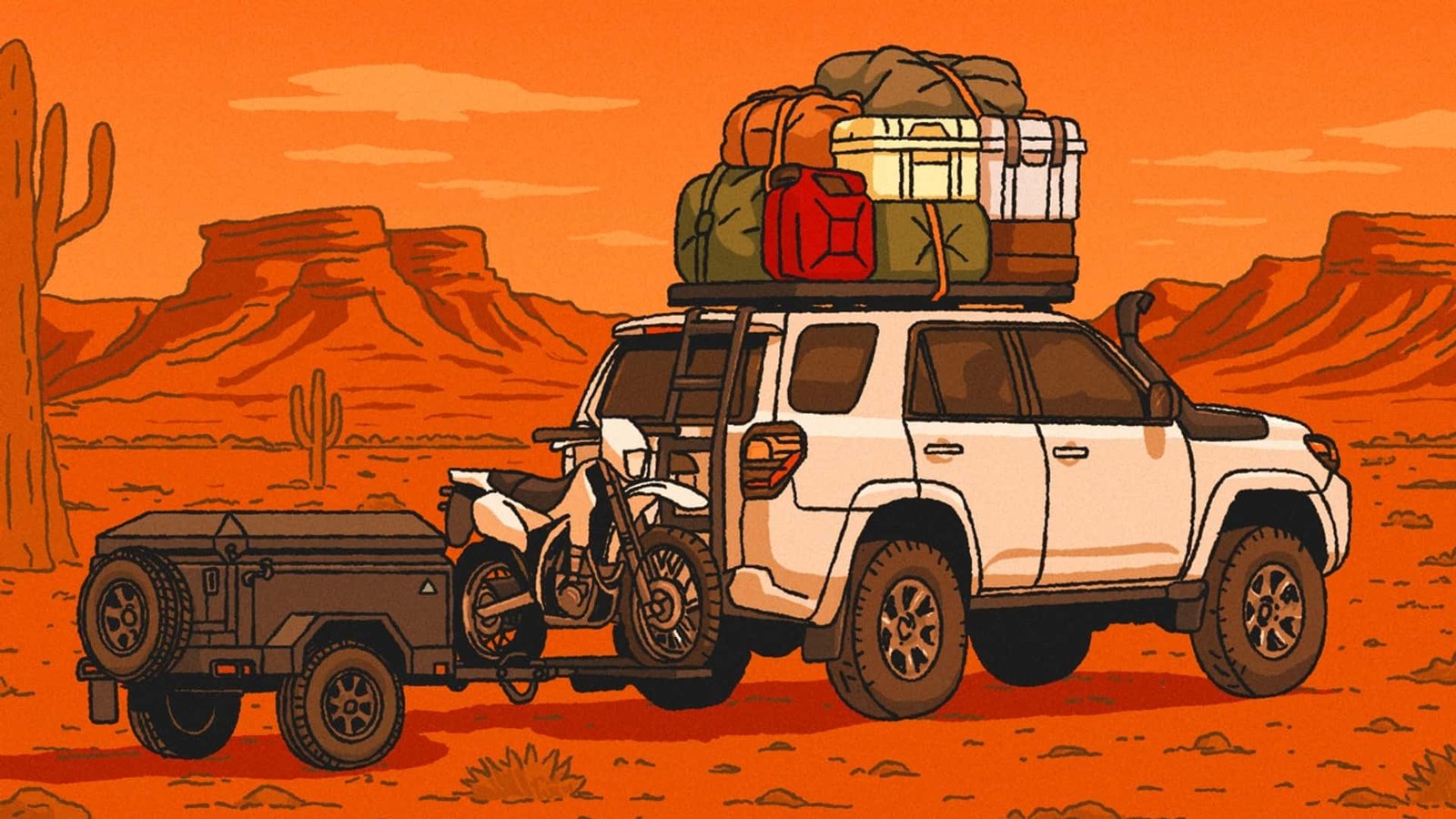
The Technological Revolution in Overlanding
The integration of technology is arguably the most significant driver of the overlanding evolution. Gone are the days of relying solely on paper maps and compasses. Today, sophisticated GPS navigation systems, often integrated with satellite imagery and topographical data, guide overlanders through even the most challenging terrains. These systems often feature real-time weather updates, trail difficulty ratings, and points of interest, enhancing both safety and the overall experience.
Beyond navigation, technology plays a crucial role in communication. Satellite phones and personal locator beacons (PLBs) ensure that overlanders can stay connected and summon help in emergencies, even in areas with no cellular service. Portable power solutions, such as solar panels and power banks, have also become essential, allowing travelers to power electronic devices, charge batteries, and run essential appliances. “I used to worry constantly about running out of power,” says avid overlander, Mark Johnson. “Now, with my solar setup, I can stay off-grid for weeks without any concerns.”

Essential Tech for the Modern Overlander:
- GPS Navigation Systems: Pre-loaded with maps, trail data, and points of interest.
- Satellite Communication Devices: Satellite phones and PLBs for emergency communication.
- Solar Power Solutions: Portable solar panels and power banks for off-grid power.
- Dash Cams: To record and document your journey.
- Drone Technology: Capture stunning aerial footage and scout ahead.
The Rise of Sustainable Overlanding
As the overlanding community grows, so too does the awareness of its environmental impact. A new generation of overlanders is prioritizing sustainability, seeking to minimize their footprint and protect the natural environments they explore. This shift is evident in the growing demand for eco-friendly gear, responsible travel practices, and a commitment to conservation. It’s a huge change, and honestly, it’s about time.
Sustainable overlanding encompasses a range of practices, from choosing fuel-efficient vehicles and using biodegradable products to minimizing waste and respecting wildlife. Many overlanders are also actively involved in conservation efforts, volunteering their time and resources to protect the environments they cherish. “We believe that it’s our responsibility to leave these places better than we found them,” says David Lee, founder of a sustainable overlanding advocacy group. “We encourage everyone to adopt responsible travel practices and to support conservation initiatives.”
Practices for Sustainable Overlanding:
- Choose Fuel-Efficient Vehicles: Opt for vehicles with good fuel economy and consider hybrid or electric options.
- Use Biodegradable Products: Use biodegradable soaps, detergents, and toilet paper to minimize environmental impact.
- Minimize Waste: Pack out all trash and recycle whenever possible.
- Respect Wildlife: Observe wildlife from a distance and avoid disturbing their habitats.
- Support Conservation Efforts: Volunteer your time and resources to conservation organizations.
The Evolving Overlanding Community
The overlanding community is more than just a group of travelers; it’s a vibrant and supportive network of like-minded individuals who share a passion for adventure and exploration. This community has evolved significantly in recent years, becoming more inclusive, diverse, and globally connected. What was once a niche hobby has blossomed into a global phenomenon, with overlanders from all walks of life coming together to share their experiences, knowledge, and support.
Online forums, social media groups, and overlanding events provide platforms for community members to connect, share tips, and plan trips together. These platforms foster a sense of camaraderie and encourage collaboration, making overlanding more accessible and enjoyable for everyone. “The overlanding community is one of the most welcoming and supportive groups I’ve ever been a part of,” says Emily Carter, a solo female overlander. “I’ve met so many amazing people and learned so much from their experiences.” I think it’s the shared love for adventure that really binds everyone together.

The Overlanding Community: A Hub of Knowledge and Support
* Online Forums and Social Media Groups
* Overlanding Events and Rallies
* Mentorship Programs for New Overlanders
* Global Network of Travelers
The Future of Overlanding
Looking ahead, the future of overlanding promises to be even more exciting and transformative. As technology continues to advance and sustainability becomes increasingly important, overlanding will likely become more accessible, eco-friendly, and integrated with the digital world. We can expect to see more electric overlanding vehicles, advanced navigation systems with augmented reality features, and a greater emphasis on responsible travel practices.
Furthermore, the overlanding community will likely continue to grow and diversify, becoming a more inclusive and globally connected network of adventurers. As more people seek authentic and meaningful travel experiences, overlanding will undoubtedly play a significant role in shaping the future of adventure travel. It’s a thrilling prospect, really. Imagine overlanding across continents in a silent, electric vehicle, guided by AI, and sharing your journey with the world in real-time. That’s the direction we’re heading.
Overlanding Destinations on the Rise
While classic routes retain their allure, new and exciting overlanding destinations are emerging worldwide. Here’s a quick look at some up-and-coming spots:
* Albania: Rugged mountains, stunning coastlines, and a rich history make Albania a European gem for overlanding.
* Namibia: Beyond the iconic dunes of Sossusvlei, Namibia offers vast landscapes and unique wildlife encounters.
* Bolivia: From the Uyuni Salt Flats to the Andes Mountains, Bolivia presents challenging but rewarding overlanding experiences.
* Mongolia: Explore vast steppes, nomadic cultures, and remote wilderness in the heart of Asia.
* Philippines: Discover hidden beaches, lush jungles, and diverse cultures across thousands of islands.
Conclusion
Overlanding has undergone a remarkable transformation, evolving from a niche activity into a mainstream adventure travel phenomenon. Driven by technological advancements, a growing emphasis on sustainability, and a vibrant community, overlanding is becoming more accessible, responsible, and connected than ever before. As we look to the future, it’s clear that overlanding will continue to evolve, shaping the way we explore and experience the world. So, pack your bags, charge your devices, and get ready for the next chapter in the overlanding revolution. The world awaits! It’s not just a trend; it’s a lifestyle, a philosophy, and a commitment to adventure. And it’s only getting better.
Frequently Asked Questions
| What exactly is overlanding? | Overlanding is self-reliant adventure travel, typically involving vehicle-based exploration to remote destinations where the journey is the primary goal. It often combines off-roading with camping and a deep appreciation for nature. |
| What are the benefits of overlanding? | Overlanding offers numerous benefits, including the opportunity to explore remote and beautiful landscapes, challenge oneself physically and mentally, disconnect from the digital world, connect with nature, and build a strong sense of community with fellow travelers. |
| How do I get started with overlanding? | Start by researching different overlanding destinations and vehicle options. Invest in essential gear, such as a reliable GPS, communication devices, and camping equipment. Join an overlanding community to learn from experienced travelers and plan your first trip with a group or mentor. |
| What are the challenges of overlanding? | Overlanding presents several challenges, including vehicle maintenance and repairs, navigating difficult terrains, managing resources such as water and fuel, dealing with unexpected weather conditions, and ensuring personal safety and security in remote areas. |
| What is the future of overlanding? | The future of overlanding is likely to be shaped by advancements in technology, a growing emphasis on sustainability, and an increasingly diverse and globally connected community. We can expect to see more electric overlanding vehicles, advanced navigation systems, and a greater focus on responsible travel practices. |
Important Notice
This FAQ section addresses the most common inquiries regarding the topic.