Browns QB Conundrum: The Shedeur Sanders Injury Debate
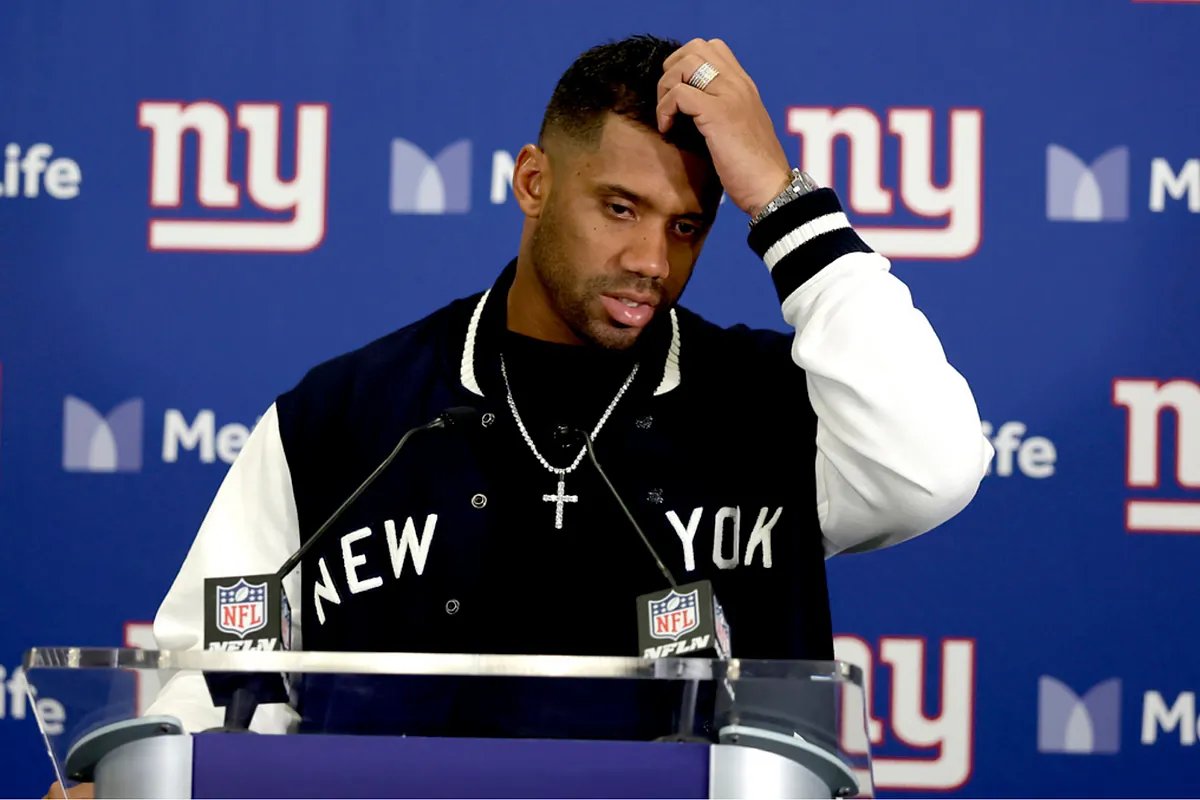
The Cleveland Browns find themselves in a familiar, precarious position: chasing answers at quarterback amidst a season that has spiraled into uncertainty. While veteran Joe Flacco has been traded and fellow rookie Dillon Gabriel has struggled in his four starts, the most intriguing—and perhaps most perplexing—option remains rooted firmly on the bench. Rookie Shedeur Sanders, selected in the fifth round of the 2025 NFL Draft, has yet to take meaningful snaps in a regular-season game, sparking a significant Shedeur Sanders injury debate that extends beyond mere medical reports. This situation has left fans, analysts, and even team insiders puzzled over head coach Kevin Stefanski’s decision-making and the true nature of Sanders’ prolonged absence.
With the Browns currently languishing at the bottom of the AFC North with a 2-6 record entering Week 10, the team’s offensive struggles have been pronounced. The quarterback position, once again, is a primary concern, casting a long shadow over the team’s playoff aspirations. The initial strategy, which saw Joe Flacco begin the season as the Browns’ starter, quickly dissolved as he was traded to the Cincinnati Bengals last month following inconsistent performances. Dillon Gabriel, the other rookie, then assumed the starting role, but the results have been underwhelming, to say the least. Gabriel is 1-3 as a starter, averaging a meager 117 passing yards per game, contributing to Cleveland ranking among the lowest-scoring teams in the league. PFSN’s QB Impact rankings place Gabriel near the bottom with a 52.3 grade, second only to one other qualified passer.
Given Gabriel’s undeniable struggles and the team’s desperate need for a spark, Shedeur Sanders represents a potential alternative. However, his continued absence from regular-season action has fueled intense speculation. Sanders has reportedly been dealing with multiple injuries—arm soreness, a shoulder issue, and a back problem—which have severely limited his participation in practice. It is this unusual accumulation of ailments without any on-field contact that has ignited the controversy, prompting Browns insider Tony Grossi to publicly question the legitimacy of these injuries and whether there’s a deeper, unspoken strategy at play.

The Cleveland Browns’ Quarterback Carousel and Early Season Woes
The 2025 season was supposed to bring stability to the Cleveland Browns’ quarterback position, a luxury the franchise has rarely enjoyed. Instead, it has delivered more questions than answers, creating a vortex of uncertainty that threatens to derail their entire campaign. The initial plan centered around veteran Joe Flacco, a stopgap measure intended to provide experience and leadership. However, his tenure was brief and largely ineffective, culminating in a trade that signaled a complete pivot for the team’s immediate future. This abrupt shift left the Browns with two rookie quarterbacks, Dillon Gabriel and Shedeur Sanders, neither of whom appeared fully prepared for the immense pressure of an NFL starting role.
Flacco’s Departure and Gabriel’s Unconvincing Stint
Joe Flacco’s signing was met with cautious optimism, given his Super Bowl winning pedigree. Yet, his performances were inconsistent, marked by flashes of his former self interspersed with critical errors. The decision to trade him to the Bengals, a division rival, underscored the Browns’ desperation and their acknowledgment that the Flacco experiment had failed. This move thrust Dillon Gabriel into the spotlight, a position he has struggled to hold. Gabriel’s 1-3 record as a starter is not the only concern; his average of just 117 passing yards per game highlights an offense that lacks potency and explosiveness under his command. The Browns’ scoring output has plummeted, making them one of the league’s lowest-scoring teams. His PFSN QB Impact grade of 52.3 further illustrates his difficulties, positioning him near the bottom of all qualified passers in the NFL. This dismal performance has only intensified the calls for an alternative, pushing the Shedeur Sanders injury debate to the forefront.
The AFC North Landscape and Playoff Hopes Dwindling
The AFC North is a notoriously competitive division, and the Browns’ 2-6 record places them squarely at the bottom, far behind contenders like the Ravens and Bengals. Each loss further diminishes their playoff hopes, turning every remaining game into a must-win scenario. The offensive struggles, particularly at quarterback, are the primary culprits. Without a consistent and effective signal-caller, the Browns’ talented defense is constantly put in difficult positions, leading to a vicious cycle of turnovers and missed opportunities. The team’s inability to move the ball and score points has frustrated a passionate fan base, who yearn for a winning culture and a stable quarterback. The mounting pressure on head coach Kevin Stefanski is palpable, as his decisions regarding the quarterback rotation, especially the handling of Shedeur Sanders, are under intense scrutiny. The need for a competent quarterback is not just about this season, but about the long-term trajectory of the franchise. The situation echoes past struggles where the Browns have repeatedly failed to identify and develop a franchise quarterback, a recurring nightmare that fans hoped was finally behind them.
Shedeur Sanders: A Fifth-Round Hope on the Sidelines
When the Cleveland Browns selected Shedeur Sanders in the fifth round of the 2025 NFL Draft, there was a quiet buzz of excitement. Son of NFL legend Deion Sanders, Shedeur brought a unique blend of athleticism, poise, and football IQ to the table. While not expected to be an immediate starter, he was seen as a developmental prospect with significant upside, a potential future leader for the franchise. However, months into his rookie season, that potential remains untapped, obscured by a series of reported injuries that have kept him firmly on the inactive list, fueling the growing Shedeur Sanders injury debate.
Expectations vs. Reality for the Rookie Quarterback
Rookie quarterbacks often face a steep learning curve in the NFL, adapting to the speed of the professional game, complex playbooks, and the physical demands of the position. For Sanders, the expectation was that he would spend his rookie year learning, developing, and perhaps seeing some limited action late in the season if the opportunity arose. The reality, however, has been starkly different. He hasn’t seen a single snap in a regular-season game, even as the team’s primary starter, Dillon Gabriel, struggles immensely. This absence is particularly jarring given the team’s dire situation and the clear need for a change. Fans are left wondering if Sanders is truly too injured to play, or if there are other factors at play preventing him from showcasing his abilities. The lack of clarity only intensifies the speculation surrounding his readiness and the Browns’ overall strategy for their young quarterback.
The Nature of Sanders’ Reported Injuries: Arm, Shoulder, and Back
The official reports from the Browns state that Shedeur Sanders has been dealing with a trifecta of injuries: arm soreness, a shoulder issue, and a back problem. Individually, any one of these could sideline a player, especially a quarterback whose livelihood depends on the health of his throwing arm and core. The unusual aspect, as pointed out by insider Tony Grossi, is the simultaneous occurrence of three distinct injuries without Sanders having taken any meaningful hits in a regular-season game. This raises legitimate questions: How did these injuries manifest? Are they lingering issues from college, or did they occur during practice? The lack of transparency surrounding the specifics of these ailments has only fueled the skepticism. For instance, a debate around athlete health and recovery often highlights the importance of proper nutrition and training, but even with the best protocols, multiple injuries without contact are uncommon. The ambiguity leaves room for various interpretations, from genuine medical concerns to strategic maneuvering by the coaching staff to protect or hide something.
The Insider’s Perspective: Tony Grossi’s Skepticism
In the high-stakes world of professional football, insider perspectives often cut through the official narratives, offering a glimpse into the true dynamics within a team. Tony Grossi, a respected Browns insider, has done just that, injecting a significant dose of skepticism into the ongoing Shedeur Sanders injury debate. His public questioning of how Sanders could sustain three separate injuries—arm soreness, a shoulder issue, and a back problem—without taking meaningful snaps has resonated deeply with a frustrated fan base and ignited further discussion within sports media circles. Grossi’s insights suggest that there might be more to Sanders’ prolonged absence than meets the eye, challenging the conventional explanation of simple injury recovery.
Questioning the Accumulation of Injuries Without Contact
Grossi’s primary point of contention revolves around the unusual nature of Sanders’ reported injuries. It is not uncommon for players to suffer injuries in practice, but three distinct issues affecting key areas for a quarterback (arm, shoulder, back) without any game-day contact raises eyebrows. He implicitly questions the mechanism of these injuries. Were they sustained during non-contact drills? Are they pre-existing conditions that have flared up? Or is there a different reason altogether for his continued sideline presence? The lack of detailed information from the Browns organization has only intensified these questions. This situation contrasts sharply with typical NFL injury reports, which often provide more specifics, even if vague, about how and when injuries occurred. The ambiguity surrounding Sanders’ health creates an environment ripe for speculation, making it difficult for observers to accept the official narrative at face value. This kind of situation can lead to concerns about player availability and commitment, similar to how disciplinary reasons for benching a player might be obscured for team integrity.
Implications for Sanders’ Readiness and Commitment
Beyond the physical aspect, Grossi’s skepticism subtly touches upon Sanders’ overall readiness and commitment to the team. A rookie quarterback dealing with multiple, non-contact injuries could be perceived in various ways: a player who is genuinely unlucky, one who might be physically fragile, or one who is not fully engaged in the demanding process of becoming an NFL starter. The NFL demands not only physical toughness but also mental resilience and an unwavering commitment to the grind. If Sanders is struggling to stay healthy even in practice, it raises concerns about his ability to withstand the rigors of a full NFL season. Furthermore, if the injuries are not as severe as portrayed, then his continued absence could imply a lack of readiness in other areas – perhaps a struggle with the playbook, a slower-than-expected adaptation to the professional game, or even a strategic decision by the coaching staff to “redshirt” him. This uncertainty surrounding Sanders’ commitment and availability adds another layer of complexity to the Browns’ already turbulent quarterback situation, making the Shedeur Sanders injury debate a critical point of discussion for the team’s future.
Potential Agendas and Strategic Considerations
The persistent questions surrounding Shedeur Sanders’ injuries and his lack of playing time naturally lead to speculation about underlying agendas and strategic considerations within the Cleveland Browns organization. In the cutthroat world of the NFL, teams often operate with calculated motives, and the handling of a promising rookie quarterback, especially one with a famous surname, can be a complex affair. The Shedeur Sanders injury debate, therefore, is not just about medical reports; it’s about the broader strategic landscape and the delicate balance between player development, team performance, and public perception.
Protecting the Rookie vs. Hiding Performance Issues
One prevalent theory suggests the Browns might be “protecting” Sanders. This could mean shielding him from the physical toll of NFL play while he develops, or, more critically, protecting him from the mental and emotional strain of being thrown into a struggling offense too soon. A rookie quarterback’s confidence can be shattered by early struggles, potentially stunting their long-term growth. By keeping him sidelined, the team might be aiming to preserve his potential and allow him to learn without the immediate pressure of game-day scrutiny. This is a common strategy for many teams with high-potential, but raw, rookie QBs. Consider how some teams might handle a developing talent, even if it means benching them for a period, akin to managing a player’s career outlook to maximize their long-term success.
However, another, more cynical interpretation suggests the injuries might be a convenient cover for deeper performance issues. If Sanders is struggling significantly in practice, perhaps with accuracy, decision-making, or understanding the playbook, the team might be using the injury reports to avoid publicly acknowledging these deficiencies. Admitting a high-profile rookie is underperforming could damage his trade value, create internal team strife, or further fuel fan discontent. This approach allows the team to maintain an image of a promising prospect who is merely “injured,” rather than one who is not ready or capable. The blurred lines between genuine injury and strategic benching are a recurring theme in the NFL, often leaving fans and media grappling for the truth.
The Browns’ Long-Term Quarterback Strategy
The Browns’ long-term quarterback strategy is undoubtedly in flux. With Gabriel struggling and Sanders sidelined, the franchise is facing a critical juncture. Is the plan to develop Sanders as the future starter, or is he merely a trade asset for a future move? His draft position (fifth round) suggests he wasn’t viewed as a Day 1 starter, but his potential is undeniable. If the Browns genuinely believe in Sanders’ long-term ceiling, then a cautious approach to his development, including managing minor injuries, makes sense. They might be prioritizing his health and mental well-being over immediate, potentially detrimental, playing time. This strategic patience could be a calculated gamble, hoping that a fully healthy and prepared Sanders emerges as a dominant force in the coming seasons. The team’s overall roster construction and salary cap situation also play a role, as they need to consider how their quarterback situation impacts their ability to attract and retain other key players.
Historical Precedents of Rookie Quarterback Management
The NFL is replete with examples of various approaches to rookie quarterback management. Some, like Patrick Mahomes, sat for a year, learning behind a veteran before taking the reins and achieving immense success. Others, like Andrew Luck, were immediately thrust into starting roles, experiencing both triumphs and tribulations early on. There are also cases where teams have “redshirted” a rookie due to injury or developmental needs, only for that player to emerge stronger later. For example, some teams might acquire a Pro Bowl talent to bolster their roster while a rookie develops, a strategy that could involve trading for key players to keep the team competitive. The Browns could be drawing from these historical precedents, choosing a path that they believe best serves Sanders’ long-term development and, by extension, the franchise’s future. The challenge lies in communicating this strategy effectively to a skeptical fan base and media, especially when the current on-field product is failing to deliver. The Shedeur Sanders injury debate is thus a microcosm of the larger strategic dilemmas facing the Cleveland Browns.
Browns Quarterback Performance Overview (2025 Season – Week 10)
*Statistics are approximate as of Week 10 of the 2025 NFL season.
The Impact on Team Morale and the Fan Base
The Cleveland Browns’ quarterback situation, particularly the prolonged absence of Shedeur Sanders amid the struggles of Dillon Gabriel, extends far beyond the coaching staff’s strategic huddles. It has a tangible and profound impact on team morale and, perhaps more significantly, on the loyal and long-suffering fan base. The constant churn at the most critical position breeds uncertainty, erodes confidence, and fuels a sense of frustration that can permeate every aspect of the organization. The ongoing Shedeur Sanders injury debate has become a symbol of this larger malaise, creating a disconnect between the team’s official statements and the hopes of its supporters.
Frustration in Cleveland: A Loyal Fan Base’s Plea
Browns fans are renowned for their unwavering loyalty, enduring decades of disappointment with a passionate, often stoic, resilience. However, even the most steadfast fan base has its limits. The current quarterback conundrum, compounded by a losing record, is testing that loyalty severely. The sight of a highly touted rookie like Sanders sitting on the sidelines with vague injury reports while the team struggles offensively is a source of immense frustration. Fans invest emotionally and financially in their team, and they crave transparency and a clear path forward. The lack of clarity around Sanders’ situation, coupled with Gabriel’s underwhelming performances, feels like a betrayal of that trust. Social media is rife with debates, theories, and pleas for answers, showcasing the collective anxiety gripping the fan base. They want to know if Sanders is truly injured to the extent that he cannot play, or if they are being misled. This sentiment is not dissimilar to the scrutiny faced by other QBs under fire, such as when Tua Tagovailoa refused to take blame, further highlighting the importance of leadership and accountability at the quarterback position.
The Ripple Effect on Offensive Playcalling and Team Dynamics
A stable and confident quarterback is the cornerstone of any successful NFL offense. When that position is in flux, or when the starter is struggling, it creates a ripple effect throughout the entire unit. Offensive coordinator Alex Van Pelt is likely constrained in his playcalling, forced to simplify schemes and rely heavily on the run game or short, safe passes to mitigate Gabriel’s limitations. This predictability makes the offense easier for opposing defenses to dissect, further exacerbating the scoring woes. Furthermore, the uncertainty at quarterback can impact the confidence of other offensive players—wide receivers might struggle to find a rhythm, offensive linemen might feel increased pressure to protect, and even running backs might find fewer open lanes if defenses aren’t respecting the pass. The constant questioning of the quarterback situation, fueled by the Shedeur Sanders injury debate, can also create an underlying tension within the locker room, impacting overall team morale and cohesion. A team thrives on belief and shared purpose, and a revolving door at quarterback can chip away at that foundation, making it harder to rally and perform at a high level.