Rondale Moore dies at 25, leaving the football world in mourning as authorities in New Albany, Indiana investigate the circumstances surrounding the former Purdue standout and NFL wide receiver’s untimely passing. The Floyd County Coroner’s Office confirmed that Moore, 25, was found dead on February 21 in a garage in his hometown, with an autopsy scheduled to determine the official cause of death.
- Rondale Moore’s Passing: Found deceased on February 21 in New Albany, Indiana at age 25
- Investigation Status: Autopsy scheduled; cause of death under investigation by Floyd County Coroner’s Office
- Purdue Legacy: Consensus All-American and Paul Warfield Trophy winner in 2018
- NFL Career: Second-round pick in 2021; played for Cardinals, Falcons, and Vikings
- College Production: 1,258 receiving yards, 213 rushing yards, 14 touchdowns as a freshman
- Official Team Statements: Cardinals, Falcons, and Vikings have all released tributes
- Mental Health Resources: NFL Lifeline 1-800-506-0078 | Crisis Text Line: Text HOME to 741741
New Albany Police Chief Todd Bailey confirmed that Moore was discovered in a garage with what is believed to be a self-inflicted gunshot wound, though officials emphasized that official confirmation remains pending the results of the autopsy. The Floyd County Coroner’s Office has not released further details pending the completion of their investigation. Moore, who had recently turned 25, was found at a residence in his hometown of New Albany, Indiana, where he had returned after his professional football career.
The news has sent shockwaves through the football community, with teammates, coaches, and fans expressing their grief across social media platforms. Moore’s sudden passing at such a young age has prompted an outpouring of tributes from the NFL, college football programs, and those who followed his remarkable journey from Purdue standout to professional athlete.
For the latest official updates on the investigation, follow the Floyd County Coroner’s Office official website and the New Albany Police Department’s official page for authoritative information as the case develops.
🕊️ IN MEMORY OF RONNIE
This article is part of our ongoing coverage honoring Rondale Moore’s life and legacy. We will continue to update this story as more information becomes available from official sources.
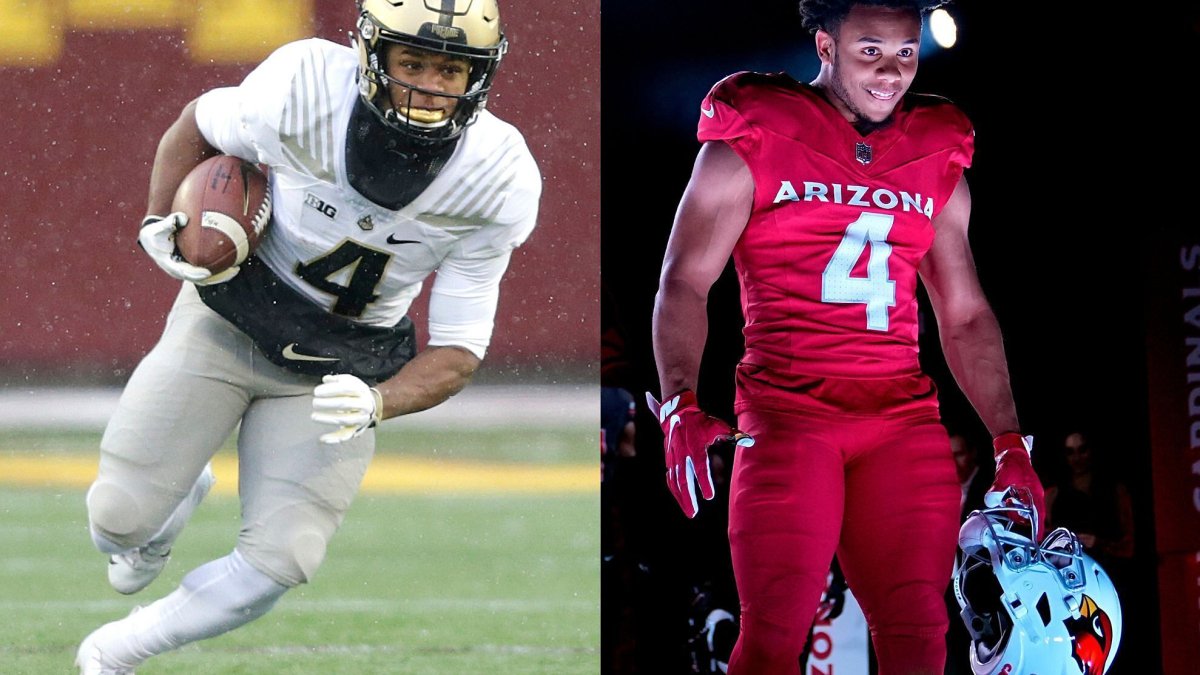
Official Team and University Statements on Rondale Moore’s Passing
The Arizona Cardinals, who drafted Moore in the second round of the 2021 NFL Draft, released an emotional statement expressing their devastation. “The Arizona Cardinals are heartbroken by the tragic passing of Rondale Moore,” the statement read. “Rondale was an incredible teammate, a dynamic player, and a beloved member of our Cardinals family. His energy, work ethic, and infectious smile touched everyone in our building. We extend our deepest condolences to his family, friends, and all who knew and loved him.”
The Atlanta Falcons, where Moore spent part of the 2024 season, also issued a statement: “We are deeply saddened to learn of the passing of Rondale Moore. Rondale brought tremendous energy to our locker room and was a respected teammate who approached every day with professionalism and enthusiasm. Our thoughts and prayers are with his family during this difficult time.”
The Minnesota Vikings, Moore’s most recent team, expressed their grief: “The Minnesota Vikings are saddened to hear of the passing of Rondale Moore. Rondale was a talented young man who made an impact on and off the field. We join the football community in mourning his loss and send our heartfelt condolences to his family.”
Purdue University released a statement from head coach Jeff Brohm, who coached Moore during his breakout freshman season. “Rondale Moore was one of the most special players I’ve ever coached,” Brohm said. “His talent was undeniable, but what made him truly remarkable was his character, his work ethic, and the joy he brought to the game. He was a leader in our locker room and an inspiration to his teammates. Our entire Purdue Football family is heartbroken by this loss, and our thoughts are with his family and loved ones.”
Former teammates, including Purdue and NFL players, have taken to social media to share their memories. Cardinals teammate Kyler Murray posted: “Rest in peace, 4. You were a brother to me. This hurts more than words can say.” Vikings teammate Justin Jefferson wrote: “Can’t believe this. Praying for your family, Rondale. You’ll be missed, brother.”
Rondale Moore’s Rise to Stardom at Purdue
Rondale Moore first captured the nation’s attention in 2018 during his freshman season at Purdue University. Almost instantly, he became one of the most electrifying players in college football, showcasing a combination of speed, agility, and explosive playmaking that made him virtually unstoppable on the field. That year, Moore earned consensus All-American honors, becoming one of the few freshmen in college football history to achieve such recognition.
His production during that historic season was staggering: 1,258 receiving yards, 213 rushing yards, and 14 total touchdowns. Moore also won the prestigious Paul Warfield Trophy as the nation’s best wide receiver and was named CBS Sports Freshman of the Year. His performance against ranked opponents, including a breakout game against Ohio State where he recorded 12 receptions for 170 yards and two touchdowns, announced his arrival on the national stage and cemented his status as one of college football’s most dangerous offensive weapons.
Beyond the statistics, Moore’s playing style captivated audiences. Standing at 5-foot-7, he defied conventional size expectations with his ability to break tackles, outrun defenders, and make spectacular catches in traffic. His low center of gravity, combined with elite burst and change-of-direction ability, made him a nightmare matchup for defensive backs and a fan favorite in West Lafayette. His 2018 season remains one of the greatest freshman campaigns in Big Ten Conference history.
From High School Star to Purdue Legend
Before his collegiate stardom, Rondale Moore was a standout athlete at New Albany High School in Indiana, where he first demonstrated the exceptional talent that would define his football career. A three-star recruit coming out of high school, Moore was ranked as the No. 43 wide receiver in the nation and the No. 5 player in Indiana in the 2018 recruiting class. Despite his modest ranking, Moore’s high school film showcased the explosive playmaking ability that would later make him a household name.
At New Albany High School, Moore was a multi-sport athlete who excelled in both football and track, demonstrating the elite athleticism and competitive spirit that would carry him to the highest levels of college and professional football. His decision to attend Purdue University, where he chose the Boilermakers over offers from several major programs, proved to be the perfect fit for his talents.
The local community in New Albany has been deeply affected by Moore’s passing, with tributes pouring in from his hometown. New Albany High School alumni and residents have gathered at the school’s football field to leave flowers and messages of remembrance. The city has announced plans for a community memorial to honor his legacy and contributions to the town that nurtured his early development as an athlete and as a person.
From Purdue Star to NFL Draft Selection
Following his breakout freshman season, expectations for Moore’s NFL future were sky-high. However, injuries began to take their toll during his sophomore and junior seasons at Purdue. A hamstring injury limited him to just four games in 2019, and the shortened 2020 season saw him appear in only three games due to a soft tissue injury. Despite these setbacks, Moore’s talent and potential remained undeniable, and he declared for the 2021 NFL Draft after three seasons at Purdue.
Over his collegiate career, Moore accumulated 2,048 receiving yards, 426 rushing yards, and 16 total touchdowns across 20 games. His yards-per-reception average of 12.7 and his ability to generate yards after the catch were among the best in college football. His 35 career receptions of 20+ yards highlighted his big-play ability, while his 12 rushing touchdowns demonstrated his versatility as an offensive weapon.
In the 2021 NFL Draft, Moore was selected in the second round by the Arizona Cardinals with the 49th overall pick. His selection validated his college production and the promise he had shown from the moment he stepped onto the Purdue campus. Moore was one of the highest-drafted wide receivers from the Big Ten Conference in that class, joining a Cardinals roster that featured established playmakers like DeAndre Hopkins and Christian Kirk.
The transition to the NFL came with high expectations, as analysts projected Moore’s unique skill set to translate well to the professional level. His ability to create yards after the catch, combined with his speed and agility, made him an intriguing prospect for offensive coordinators looking to add a dynamic element to their passing attacks.
Rondale Moore’s Professional Football Journey
Moore’s NFL career began with the Arizona Cardinals, where he quickly made an impact as a versatile offensive weapon. In his rookie season of 2021, he appeared in 14 games, recording 54 receptions for 435 yards and one touchdown while also contributing as a return specialist. His speed and elusiveness were on display throughout his time with the Cardinals, though injuries began to affect his availability and consistency as his career progressed.
In 2022, Moore played in 17 games, recording 41 receptions for 414 yards and one touchdown. His versatility continued to be a strength, with 18 carries for 84 yards and one rushing touchdown. A hamstring injury in 2023 limited him to just three games, during which he recorded 15 receptions for 121 yards. The injury history that had plagued him in college continued to impact his professional trajectory, limiting his ability to build momentum and secure a consistent role in the Cardinals’ offense.
After his stint in Arizona, Moore later played for the Atlanta Falcons in 2024, appearing in eight games before joining the Minnesota Vikings. With the Vikings, he contributed in a depth role, showcasing the same flashes of brilliance that had made him a college sensation. In total, Moore appeared in 42 NFL games over four seasons, recording 118 receptions for 1,034 yards and three touchdowns, along with 21 carries for 105 yards and one rushing touchdown.
Despite the challenges of adapting to the NFL and battling through injuries, Moore remained dedicated to his craft. His approach to the game and the talent that made him a collegiate sensation never fully disappeared. Teammates and coaches from his time with the Cardinals, Falcons, and Vikings have spoken of his work ethic and the positive energy he brought to locker rooms, underscoring the impact he had beyond his on-field contributions.
Moore’s Place Among Purdue Football Greats
Rondale Moore’s legacy at Purdue places him among the most accomplished wide receivers in Boilermakers history. His 1,258 receiving yards in 2018 rank as the second-most in a single season in program history, trailing only the 1,345 yards recorded by John Standeford in 2002. Moore’s 14 total touchdowns in 2018 rank tied for the fifth-most in program history, placing him alongside Purdue legends such as Drew Brees (who had 13 total touchdowns in 1998) and Otis Armstrong.
Moore’s 2,048 career receiving yards rank 10th in Purdue history, an impressive achievement given that he played in only 20 games due to injuries. His career receiving yards per game average of 102.4 is the highest in Purdue history among players with at least 1,000 career receiving yards, surpassing even the legendary Taylor Stubblefield.
Comparisons have been drawn between Moore and other Purdue greats, including Stubblefield (Purdue’s all-time leading receiver with 3,629 yards) and Dorien Bryant (3,341 yards). While injuries prevented Moore from challenging these career records, his impact on the program during his time in West Lafayette is undeniable. He represented a new era of Purdue football and helped elevate the program’s profile on the national stage.
Tributes Pour In: Football Community Mourns Moore’s Passing
News of Rondale Moore’s death has sparked an outpouring of grief across the football community. Former teammates, coaches, and opponents have taken to social media to express their condolences and share memories of the young wide receiver. Purdue University, where Moore made his name as a college football icon, released a statement expressing deep sorrow and extending condolences to his family.
Fans and former teammates remembered Moore not only for his extraordinary talent on the field but also for his character off it. Many described him as a humble, hardworking individual who remained grounded despite his success. His journey from New Albany to Purdue to the NFL was an inspiration to countless young athletes, particularly those from his home state of Indiana.
Notable NFL figures have also expressed their grief. Former NFL wide receiver and current ESPN analyst Randy Moss posted: “RIP Rondale Moore. Gone too young, too soon. A talent we didn’t get to fully see. Prayers up for his family.” NFL Commissioner Roger Goodell issued a statement: “The NFL family is devastated by the loss of Rondale Moore. He was a talented player and an even better person who represented the best of our sport. Our hearts go out to his family, teammates, and all who knew him.”
Social media platforms have been flooded with tributes under #RondaleMoore, #RIPRondale, and #PurdueLegends. NFL players across the league, including Justin Jefferson, Ja’Marr Chase, and CeeDee Lamb, have posted tributes, highlighting the profound impact Moore had on his peers and the broader football community.
Remembering Rondale Moore’s Legacy
Rondale Moore’s legacy extends far beyond the statistics he accumulated on the football field. His record-breaking freshman season at Purdue will be remembered as one of the greatest individual seasons in college football history. The Paul Warfield Trophy, the consensus All-American honor, and his selection in the second round of the NFL Draft validate a career that, while far too short, was undeniably impactful.
Moore represented hope and resilience, embodying the belief that determination and talent can overcome any obstacle, including the physical limitations that skeptics pointed to throughout his career. His ability to excel despite doubts about his size remains an inspiration to athletes everywhere who face similar challenges. His journey from a three-star high school recruit to a collegiate sensation and professional athlete is a testament to his dedication and love for the game.
As the investigation into his death continues, the football community remains united in honoring his memory. Tributes continue to flow as fans and peers reflect on a life and career that, despite its brevity, left an indelible mark on those who had the privilege of watching him play. The Purdue community has announced plans for a moment of silence at upcoming athletic events, and the university is exploring ways to honor Moore’s contributions both on and off the field.
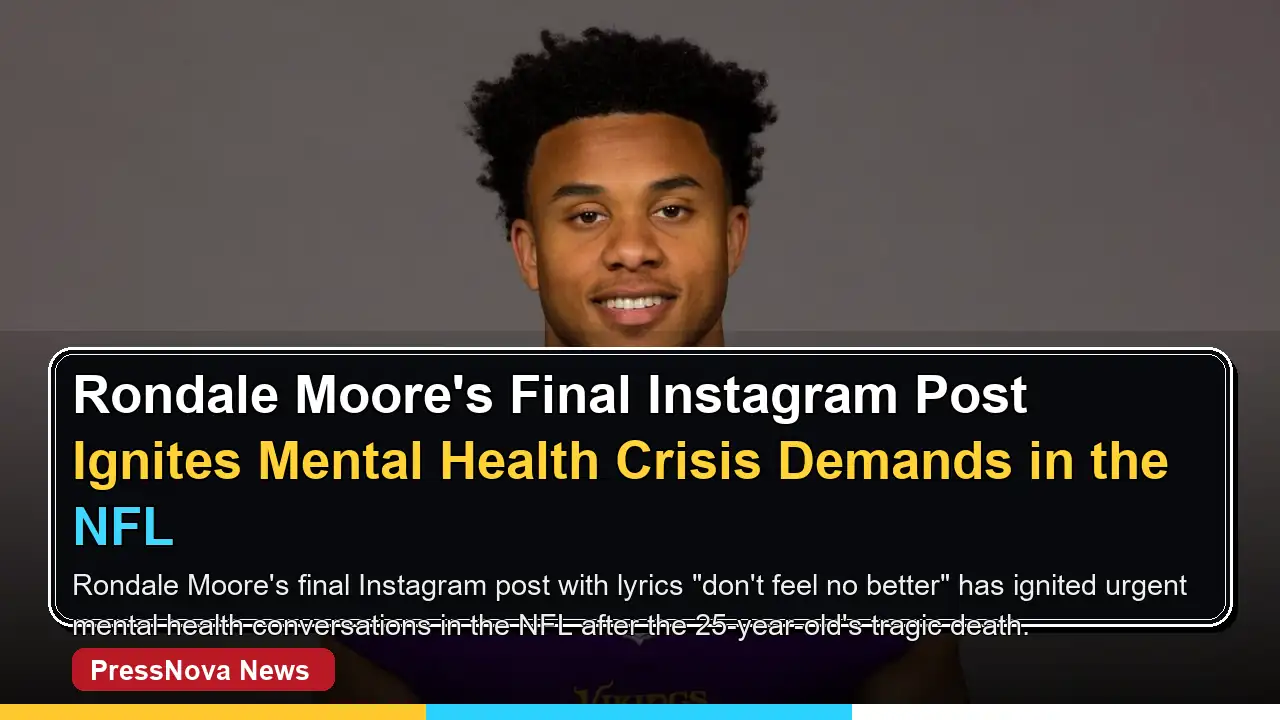
Memorial Services and Community Remembrance
The New Albany community has rallied together to honor Rondale Moore’s memory. A public memorial service is being planned at New Albany High School’s football stadium, where Moore first showcased his talents. Local officials have confirmed that the service will take place in the coming days, with details to be announced by the family.
Fans have created a makeshift memorial at the high school’s football field, leaving flowers, jerseys, photographs, and heartfelt messages. The New Albany community, which has been deeply affected by Moore’s passing, has shown overwhelming support for his family, raising funds through GoFundMe to assist with funeral expenses and to support mental health initiatives in his name.
Purdue University has also announced plans to honor Moore during the upcoming football season. Ross-Ade Stadium will hold a moment of silence during the home opener, and the team will wear a commemorative decal on their helmets bearing Moore’s number 4 for the duration of the season. The university is also exploring the establishment of a scholarship in Moore’s name to support student-athletes who face similar challenges.
Mental Health Resources and Support
In light of the circumstances surrounding Rondale Moore’s death, we encourage anyone struggling with mental health challenges to seek help. The NFL has made mental health resources available to all current and former players through the NFL Lifeline. If you or someone you know is experiencing emotional distress, support is available 24/7:
- NFL Lifeline: 1-800-506-0078 (confidential crisis support for current and former players, coaches, and their families)
- Crisis Text Line: Text HOME to 741741 (available 24/7 for anyone in crisis)
- National Suicide Prevention Lifeline: 1-800-273-8255 (available 24/7)
- Purdue University Mental Health Services: (765) 494-6995 (available to students, alumni, and the community)
These resources are available to everyone, not just athletes. If you’re struggling, you are not alone, and help is available.
Official Investigation and Next Steps
Authorities have confirmed that Rondale Moore’s death is under investigation, and an autopsy will determine the official cause. New Albany Police Chief Todd Bailey reported that Moore was discovered with what is believed to be a self-inflicted gunshot wound, but stressed that official confirmation is pending autopsy results. The Floyd County Coroner’s Office has not released a timeline for when their findings will be made public, stating only that a thorough investigation is underway.
Moore’s family has requested privacy during this difficult time, and no further details have been released by authorities at this time. The football world continues to mourn the loss of a young athlete whose life and career were cut tragically short. Former NFL player Breiden Fehoko has spoken out about the league’s mental health indifference following Moore’s passing, adding to the growing calls for improved support systems. This article will be updated as more information becomes available from official sources.
We will continue to provide updates on the investigation, memorial services, and tributes as they develop. For the most current information, please follow the official sources linked above and check back with PressNova News for ongoing coverage.