The iPhone Air’s Future: Redesign Delays and Market Realities
The tech world is abuzz with speculation surrounding the future of Apple’s iPhone Air. Originally slated for a Fall 2026 release, the second generation of this ultra-thin iPhone is now facing potential delays. A recent report from The Information, highlighted by The Verge, suggests that underwhelming sales figures for the current iPhone Air model are the primary culprit behind this shift in timeline. This article delves into the reasons behind the potential delay, explores the features expected in the next iteration of the iPhone Air, and analyzes the broader implications for Apple’s product strategy.
Understanding the iPhone Air’s Market Performance
The initial launch of the iPhone Air was met with considerable fanfare. Marketed as the “thinnest iPhone ever,” it boasted a sleek design and cutting-edge technology. However, the sales figures haven’t quite lived up to Apple’s expectations. Several factors could be contributing to this. Firstly, the price point of the iPhone Air may be a barrier for some consumers. Positioned as a premium device, it sits in a competitive segment of the market where consumers may be weighing the value proposition against other high-end smartphones, including Apple’s own iPhone Pro models. Secondly, while the thinness of the iPhone Air is a unique selling point, it might not be a top priority for all users. Some consumers prioritize battery life, camera capabilities, or processing power over a slim form factor. Apple’s iPhone might soon be able to send photos via satellite connection, a feature that may sway some customers.
Another potential factor is the overall market landscape. The smartphone market is becoming increasingly saturated, with numerous manufacturers offering compelling devices at various price points. Consumers have more choices than ever before, and Apple needs to continuously innovate and differentiate its products to maintain its competitive edge. The delay in the iPhone Air’s next iteration could be an opportunity for Apple to reassess its strategy and develop a product that truly resonates with consumers.
Potential Release Timeline: Spring 2027 and the iPhone 18
According to the report, the second-generation iPhone Air is now likely to debut in Spring 2027, coinciding with the anticipated release of the iPhone 18 and 18E. This suggests that Apple is aligning the launch of the new iPhone Air with its flagship iPhone lineup, potentially to maximize marketing impact and streamline its product releases. The iPhone 18 is expected to bring significant advancements in technology, potentially including a new generation of processors, improved camera systems, and enhanced display technology. By launching the new iPhone Air alongside these flagship devices, Apple can ensure that it benefits from the overall excitement and attention surrounding the iPhone 18 launch. This strategy could also allow Apple to incorporate some of the cutting-edge features of the iPhone 18 into the new iPhone Air, further enhancing its appeal to consumers.
Expected Features of the Second-Generation iPhone Air
While details about the second-generation iPhone Air are still scarce, the report suggests that it will be even thinner than its predecessor. Apple is known for its relentless pursuit of miniaturization, and it’s likely that the company’s engineers are working on innovative ways to further reduce the thickness of the iPhone Air without compromising performance or functionality. In addition to being thinner, the new iPhone Air is also expected to feature a stronger battery. Battery life is a crucial factor for smartphone users, and Apple will likely aim to address any concerns about battery performance in the current iPhone Air model. One possible solution is to incorporate a more energy-efficient processor or to optimize the device’s software to reduce power consumption.
Another rumored feature is the inclusion of a vapor chamber. Vapor chambers are advanced cooling systems that are designed to dissipate heat more effectively than traditional heat pipes. This could be particularly important for the iPhone Air, as its thin design may make it more susceptible to overheating. A vapor chamber would help to keep the device cool during intensive tasks such as gaming or video editing, ensuring optimal performance and preventing thermal throttling. Given the A19 Pro chip already featured in the current model, thermal management is key to sustaining performance.
The A19 Pro Chip and Performance Expectations
The current iPhone Air is powered by the A19 Pro chip, which delivers exceptional performance and efficiency. It’s highly likely that the second-generation iPhone Air will feature an even more advanced processor, possibly the A20 Pro or a variant thereof. This new chip would offer significant improvements in processing power, graphics performance, and machine learning capabilities. This would allow the new iPhone Air to handle even the most demanding tasks with ease and to deliver a smoother, more responsive user experience. The improved processing power would also enable new features and capabilities, such as enhanced augmented reality experiences and more sophisticated AI-powered applications.
Titanium Frame and Design Innovations
The current iPhone Air features a titanium frame, which provides exceptional durability and a premium feel. It’s possible that Apple will continue to use titanium in the second-generation iPhone Air, or it may explore other materials such as carbon fiber or ceramic. The choice of materials will depend on a variety of factors, including cost, weight, strength, and aesthetic appeal. Apple is known for its attention to detail when it comes to design, and it’s likely that the company will carefully consider all of these factors when selecting the materials for the new iPhone Air.
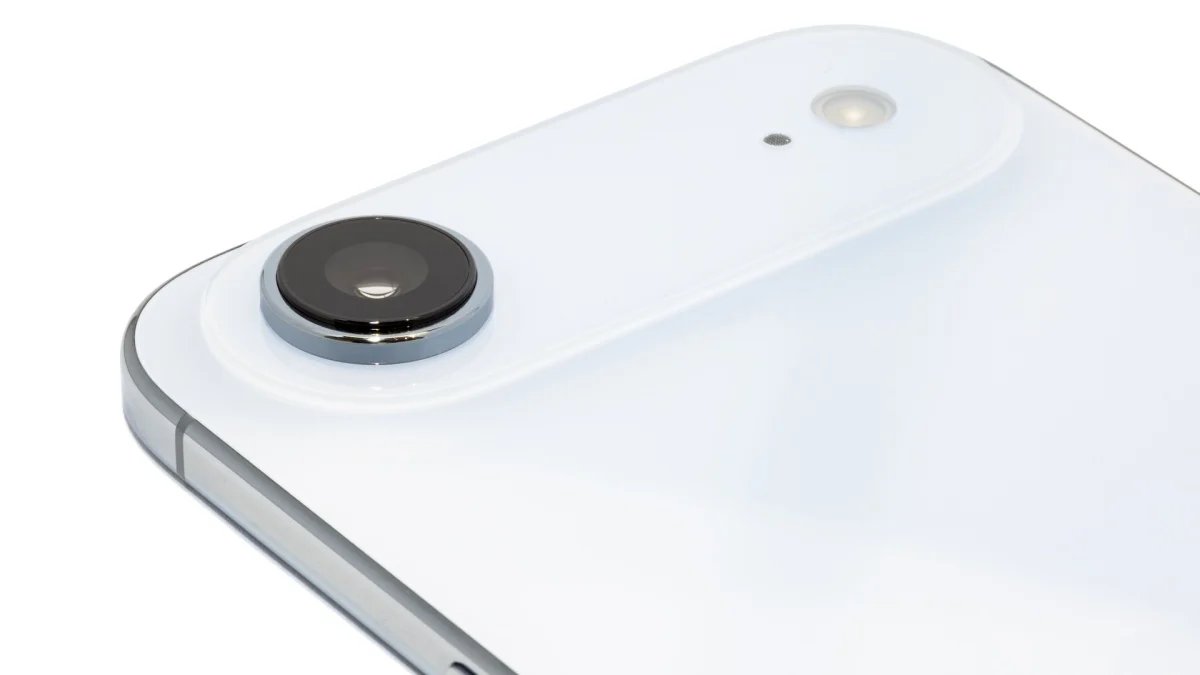
Beyond materials, Apple could also introduce other design innovations in the second-generation iPhone Air. This could include a redesigned camera module, a new button layout, or a different approach to the display. Apple is constantly experimenting with new design ideas, and it’s possible that some of these ideas will make their way into the new iPhone Air.
The Impact on Apple’s Product Strategy
The delay in the launch of the second-generation iPhone Air could have a significant impact on Apple’s product strategy. It may force the company to reassess its approach to the iPhone Air lineup and to consider whether it needs to make changes to its marketing or pricing strategy. It could also lead Apple to focus more on its other iPhone models, such as the iPhone Pro and iPhone Pro Max. Apple needs to ensure the iPhone satellite features are well-integrated and marketed effectively.

The delay could also provide an opportunity for Apple to develop new technologies and features that could be incorporated into future iPhone models. Apple is constantly investing in research and development, and it’s possible that the company will use this extra time to develop groundbreaking new technologies that could give it a competitive edge. For example, Apple could be working on new display technologies, advanced camera systems, or innovative battery technologies.
The Broader Smartphone Market and Competition
The smartphone market is fiercely competitive, with numerous manufacturers vying for market share. Apple faces competition from companies such as Samsung, Google, and Huawei, all of which offer compelling smartphones with advanced features and competitive pricing. The delay in the launch of the second-generation iPhone Air could give these competitors an opportunity to gain ground. Samsung’s Galaxy S series and Google’s Pixel phones are particularly strong contenders, offering comparable features and performance to the iPhone. As Nissan eyes sports car revival, the smartphone market also sees constant innovation and shifting landscapes.
To maintain its competitive edge, Apple needs to continue to innovate and differentiate its products. This means developing new technologies, improving existing features, and offering compelling value to consumers. Apple also needs to be mindful of its pricing strategy, ensuring that its products are priced competitively while still maintaining its profit margins. The 2026 Toyota Hilux release also underscores the need to stay competitive in product development and timing.
Consumer Expectations and the Future of the iPhone Air
Consumers have high expectations for Apple products, and the company needs to meet those expectations to maintain its loyal customer base. The delay in the launch of the second-generation iPhone Air could disappoint some consumers, but it could also create anticipation for the new device. Apple needs to manage these expectations carefully, ensuring that the new iPhone Air delivers on its promises and offers a compelling set of features and capabilities. The company needs to communicate clearly with consumers about the reasons for the delay and to provide regular updates on the development of the new device. The Cleveland collapse in sales shows how crucial managing expectations can be for maintaining customer trust.
Analyzing the Market Dynamics and iPhone Air Positioning
The initial launch of the iPhone Air aimed to capture a segment of the market seeking a balance between performance and portability. Its sleek design and powerful internals were intended to appeal to users who valued aesthetics and functionality. However, the market has evolved since its release. The emergence of foldable phones and devices with enhanced camera capabilities has shifted consumer priorities. Apple must carefully analyze these dynamics to reposition the iPhone Air effectively. This could involve focusing on specific use cases, such as content creation or mobile gaming, to highlight the device’s strengths.
Smart Internal Linking Integration
Understanding the market landscape is crucial. The delay presents an opportunity to redefine the iPhone Air’s target audience. Perhaps focusing on users who prioritize design and portability above all else. Apple could also explore partnerships with fashion brands or design houses to enhance the iPhone Air’s appeal to this demographic. The company needs to address the question: Is there sufficient demand for an ultra-thin iPhone to justify its continued existence? In this respect, Apple’s strategy should be reviewed in relation to luxury markets, such as those seeking a 2026 Grand Wagoneer. The Feds to investigate protest outside Turning Point USA event at UC Berkeley, complete guide might not be directly relevant, but understanding public sentiment and market trends is crucial for strategic decisions. The sin of the Bills and Josh Allen is unforgivable after their shocking loss to the Dolphins complete guide, while unrelated to smartphones, highlights the importance of understanding market trends.
The success of the iPhone Air hinges on understanding consumer needs and preferences. By gathering data through surveys, focus groups, and market research, Apple can gain valuable insights into what features and design elements resonate with potential buyers. This information can then be used to refine the iPhone Air’s product roadmap and marketing strategy. For example, if research reveals that battery life is a major concern, Apple can prioritize improving battery performance in the next iteration of the device. Also, by looking at the Outlander Season 8 the epic conclusion arrives everything you need to know, it is important to always consider the long-term plan. If the customer knows the product is coming to an end, they may be more or less likely to buy the product.
The Path Forward
The future of the iPhone Air remains uncertain, but the potential delay in the launch of the second-generation model presents both challenges and opportunities for Apple. By carefully analyzing the market, understanding consumer expectations, and developing innovative technologies, Apple can ensure that the iPhone Air continues to be a compelling and competitive product. The iPhone Air needs to be more than just a “thin” iPhone; it needs to offer a unique and compelling value proposition that resonates with consumers.