The crisp autumn air is starting to bite, the leaves are putting on their annual fiery show, and the scent of pumpkin spice is practically inescapable. But for millions of Americans, the arrival of November also signals the start of something else: the annual Thanksgiving travel season. This year, experts are predicting a surge in holiday travel unlike anything we’ve seen in recent memory. Buckle up, because forecasts suggest that a staggering 81.8 million Americans will be hitting the roads and skies, eager to reunite with loved ones and partake in the time-honored tradition of feasting and familial bonding (or, let’s be honest, a little bit of arguing too).
That’s right, 81.8 million! It’s enough to make you want to stay home and hide under the covers, isn’t it? But the lure of grandma’s famous stuffing and that perfectly roasted turkey is just too strong for most. So, what does this massive migration mean for you, the intrepid traveler? Well, expect crowded airports, congested highways, and potentially a whole lot of patience-testing delays. Think standing in security lines that snake around the terminal, enduring bumper-to-bumper traffic that seems to stretch on for eternity, and praying that your luggage actually makes it to your destination. (I’m already feeling stressed just thinking about it).
The surge in holiday travel can be attributed to several factors. The economy, while still presenting challenges for some, has shown signs of resilience, giving more families the confidence to splurge on travel. Plus, after several years of pandemic-related restrictions and scaled-back celebrations, there’s a palpable desire to reconnect and make up for lost time. People are simply ready to be together again, no matter the potential travel hassles. And honestly, who can blame them? A Thanksgiving gathering just doesn’t feel quite right over Zoom.

So, if you’re one of the millions planning to travel this Thanksgiving, preparation is key. Knowing what to expect – and having a few tricks up your sleeve – can make all the difference between a smooth, enjoyable journey and a holiday travel nightmare. Pack your patience, double-check your flight times, and get ready for what is shaping up to be one of the busiest Thanksgiving travel seasons in recent memory. Now, let’s dive into the details and see what you can do to navigate this holiday travel frenzy.
Air Travel: Navigating the Crowded Skies
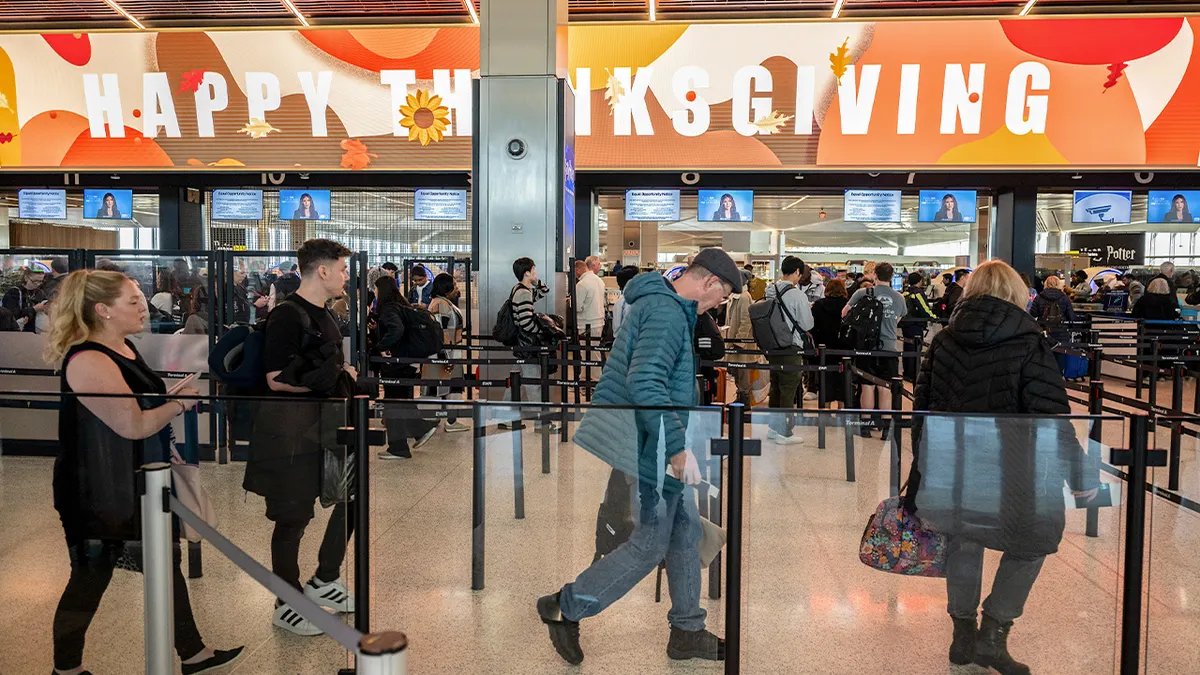
The skies are going to be busy, very busy. Airports are anticipating a significant increase in passenger volume, potentially leading to longer security lines, flight delays, and overall travel chaos. According to a recent report from the Transportation Security Administration (TSA), they are gearing up to screen millions of passengers each day during the peak travel period. “We are prepared to handle the increased volume,” assures TSA spokesperson Lisa Farbstein. “But travelers also need to do their part by arriving early and knowing the security regulations.”
What does “arriving early” really mean? Experts recommend arriving at least three hours before your scheduled departure for domestic flights and even earlier for international travel. Trust me, you’d rather be sitting at your gate with a coffee than sprinting through the terminal, desperately trying to make your flight. And don’t forget to check the TSA website for a list of prohibited items – you don’t want to be the person holding up the line because you forgot to take that oversized bottle of shampoo out of your carry-on.

Tips for Surviving the Airport Rush
Here are a few practical tips to help you navigate the airport madness:
* Enroll in TSA PreCheck or Global Entry: This can significantly expedite your security screening process. (It’s seriously worth the investment if you travel even a few times a year.)
* Download your airline’s app: Stay updated on flight status, gate changes, and potential delays.
* Pack smart: Avoid bringing wrapped gifts, as they may need to be unwrapped for inspection. Consider shipping gifts ahead of time.
* Wear comfortable shoes: You’ll be doing a lot of walking (and possibly running).
* Bring snacks and entertainment: Delays are inevitable. Having something to eat and something to keep you occupied can make the wait more bearable.
* Charge your devices: Nothing’s worse than a dead phone when you’re stuck at the airport.
* Be patient and polite: Airport staff are dealing with a lot of stress during the holidays. A little kindness can go a long way.
“I remember one Thanksgiving where my flight was delayed for six hours,” recalls Sarah Miller, a frequent traveler. “I was so stressed out and frustrated. But then I saw a little kid running around, playing with his dad, and it reminded me that it’s all about being with family. It helped me keep things in perspective.” That’s a good reminder for all of us.
Hitting the Road: Expect Congestion and Plan Accordingly
If you’re opting for a road trip this Thanksgiving, be prepared for heavy traffic and potential delays. According to transportation analysts, the busiest travel days will be the Wednesday before Thanksgiving and the Sunday after. Major metropolitan areas are expected to experience the worst congestion, with some routes seeing travel times double or even triple during peak hours.
“We anticipate significant delays on major highways,” warns transportation engineer David Chen. “Drivers should plan their routes carefully, avoid peak travel times if possible, and allow for plenty of extra time to reach their destinations.”
Consider leaving early in the morning or late at night to avoid the worst of the traffic. Also, be sure to check traffic conditions before you leave and monitor them throughout your journey. Several apps and websites provide real-time traffic updates and can help you find alternative routes if necessary.

Road Trip Survival Guide
Here’s how to make your Thanksgiving road trip as smooth as possible:
* Service your vehicle: Before you hit the road, make sure your car is in good working condition. Check your tires, fluids, and brakes.
* Pack an emergency kit: Include jumper cables, a flashlight, a first-aid kit, blankets, and snacks.
* Plan your route: Use a GPS app or a map to plan your route and identify potential rest stops.
* Take breaks: Stop every few hours to stretch your legs and avoid fatigue.
* Share the driving: If possible, share the driving duties with another licensed driver.
* Stay connected: Let someone know your route and estimated arrival time.
* Be prepared for delays: Pack snacks, drinks, and entertainment for the road.
* Drive safely: Obey traffic laws, avoid distractions, and drive defensively.
My aunt, who drives every year from Chicago to rural Missouri for Thanksgiving, swears by audiobooks. “Those long stretches of highway can be so boring,” she says. “But a good audiobook makes the time fly by.” I completely agree! Plus, its a great way to keep the driver awake and alert.
The Cost of Thanksgiving Travel
With demand soaring, the cost of Thanksgiving travel is also expected to rise. Airfares and hotel rates are typically higher during the holiday season, and rental car prices can also increase significantly. To save money, consider booking your travel arrangements as early as possible. You might also want to explore alternative travel dates, such as traveling on Thanksgiving Day itself, which tends to be less busy and more affordable.
Another way to save money is to be flexible with your travel plans. Consider flying into a smaller airport or driving a slightly longer route to avoid the most congested areas. You can also look for deals on hotels and rental cars by using online travel agencies and comparing prices.
Here’s a quick look at estimated average costs:
* Airfare: Expect to pay anywhere from $300 to $800 for a round-trip domestic flight, depending on your destination and travel dates.
* Gas: Gas prices are always fluctuating, but anticipate spending more than usual due to increased demand.
* Hotels: Hotel rates can range from $100 to $300 per night, depending on the location and quality of the hotel.
* Rental Cars: Rental car prices can be highly variable, but expect to pay at least $50 to $100 per day.
Budget-Friendly Travel Tips
* Book in advance: Secure your flights and accommodations early to get the best prices.
* Be flexible with travel dates: Consider traveling on off-peak days to save money.
* Compare prices: Use online travel agencies to compare prices on flights, hotels, and rental cars.
* Look for deals and discounts: Sign up for email alerts from airlines and hotels to receive special offers.
* Consider alternative accommodations: Explore options like Airbnb or VRBO to save money on lodging.
* Pack your own food and drinks: Avoid expensive airport and roadside snacks by packing your own.
* Take advantage of free activities: Look for free attractions and activities in your destination.
“We used to spend a fortune on Thanksgiving travel,” says Mark Johnson, a father of three. “But then we started using travel reward points and credit card miles. It’s made a huge difference in our travel budget.” That’s a great idea. I need to start accumulating more of those!
Staying Safe During Thanksgiving Travel
Beyond the crowds and potential delays, safety should always be a top priority when traveling. Whether you’re flying or driving, there are several precautions you can take to protect yourself and your loved ones.
If you’re flying, be aware of your surroundings and report any suspicious activity to airport security. Keep your luggage with you at all times and avoid leaving it unattended. When driving, be sure to buckle up, avoid distractions, and drive defensively. Be extra cautious in bad weather and be aware of other drivers who may be fatigued or stressed.

Safety Tips for Travelers
* Be aware of your surroundings: Pay attention to your surroundings and report any suspicious activity.
* Keep your valuables secure: Keep your valuables in a safe place and avoid displaying them unnecessarily.
* Don’t leave your luggage unattended: Keep your luggage with you at all times.
* Buckle up: Always wear your seatbelt when driving.
* Avoid distractions: Put away your phone and avoid other distractions while driving.
* Drive defensively: Be aware of other drivers and drive defensively.
* Be cautious in bad weather: Slow down and be extra cautious in bad weather conditions.
* Stay hydrated: Drink plenty of water to stay hydrated, especially during long trips.
* Get enough rest: Avoid driving when you’re tired.
* Let someone know your plans: Tell someone your travel plans and check in with them regularly.
I once saw someone leave their bag unattended at an airport gate. Security was all over it within seconds. Seriously, don’t do that. It’s just not worth the risk.
In conclusion, the US braces for one of the busiest Thanksgiving travel seasons in years. The key to surviving this year’s potentially chaotic holiday travel lies in planning, preparation, and a healthy dose of patience. By following these tips and staying informed, you can navigate the crowds, delays, and potential travel frustrations and make the journey as smooth and enjoyable as possible. Remember, the ultimate goal is to reunite with loved ones and celebrate the spirit of Thanksgiving. So, pack your bags, buckle up, and get ready for a memorable holiday season. Even if it means spending a few extra hours in the airport or on the road, the reward of being with family and friends is well worth the effort. Just remember to breathe – and maybe bring a good book. Happy travels!
Frequently Asked Questions
| Why is Thanksgiving travel expected to be so busy this year? | Several factors contribute to the anticipated surge in Thanksgiving travel. A stronger economy gives families more financial confidence to travel. After several years of pandemic-related restrictions, there’s a pent-up demand for reunions and celebrations. Plus, Thanksgiving is a deeply ingrained tradition for many, making it a priority regardless of potential travel hassles. |
| What are the benefits of planning ahead for Thanksgiving travel? | Planning ahead offers numerous benefits, including securing better prices on flights, hotels, and rental cars. It also allows you to choose more convenient travel times and routes, potentially avoiding the worst of the congestion. Early planning also reduces stress and gives you more time to prepare for unexpected delays or challenges. |
| How can I implement cost-saving strategies for Thanksgiving travel? | Consider booking flights and accommodations well in advance. Be flexible with travel dates and times, opting for less popular days like Thanksgiving Day itself. Compare prices across different airlines, hotels, and rental car companies. Look for deals and discounts, and consider alternative accommodations like Airbnb or VRBO. Pack your own food and drinks to avoid expensive airport and roadside purchases. |
| What are the biggest challenges travelers face during Thanksgiving? | The primary challenges include long security lines at airports, heavy traffic congestion on highways, potential flight delays or cancellations, and increased travel costs. Weather conditions can also play a significant role, potentially disrupting travel plans. Managing stress and maintaining patience are crucial during this demanding travel period. |
| What future trends might impact Thanksgiving travel in the coming years? | Continued advancements in technology, such as more efficient airport security systems and real-time traffic monitoring, could help alleviate some travel hassles. The growing popularity of remote work might allow for more flexible travel schedules, spreading out the peak travel period. However, economic fluctuations and unforeseen events, like pandemics, could still significantly impact travel patterns. |
Important Notice
This FAQ section addresses the most common inquiries regarding the topic.