Picture this: You’re rushing through the airport, late for your flight to that long-awaited vacation. You reach the TSA checkpoint, fumble for your wallet, and…horror strikes! You realize your driver’s license expired last month. A cold sweat breaks out. But what if, instead of just the usual stern talking-to and extra screening, the TSA agent informs you that you’ll also be facing a hefty fine – nearly $50? That scenario might soon become a reality for unprepared travelers across the nation. (Can you imagine the chaos?)
A potentially game-changing new TSA policy is currently under consideration, one that could significantly impact air travelers who arrive at airport security checkpoints without acceptable identification. The proposal suggests implementing a fee of approximately $50 for passengers who fail to present a valid, government-issued ID. This isn’t just about being a little inconvenienced; it’s about a potentially significant financial hit for a simple oversight. And let’s be honest, we’ve all been there, haven’t we? That moment of panic when you can’t find your boarding pass or your ID.
The stated rationale behind this new policy is to enhance security and streamline the screening process. The Transportation Security Administration argues that verifying the identity of every passenger is crucial for maintaining a safe and secure air travel environment. By incentivizing passengers to present valid identification, the TSA hopes to reduce delays and improve the overall efficiency of security checkpoints. But is a fine the best way to achieve this? Some critics argue that it’s simply a money grab, unfairly penalizing travelers for honest mistakes. (I tend to agree. Seems a bit harsh, doesn’t it?)
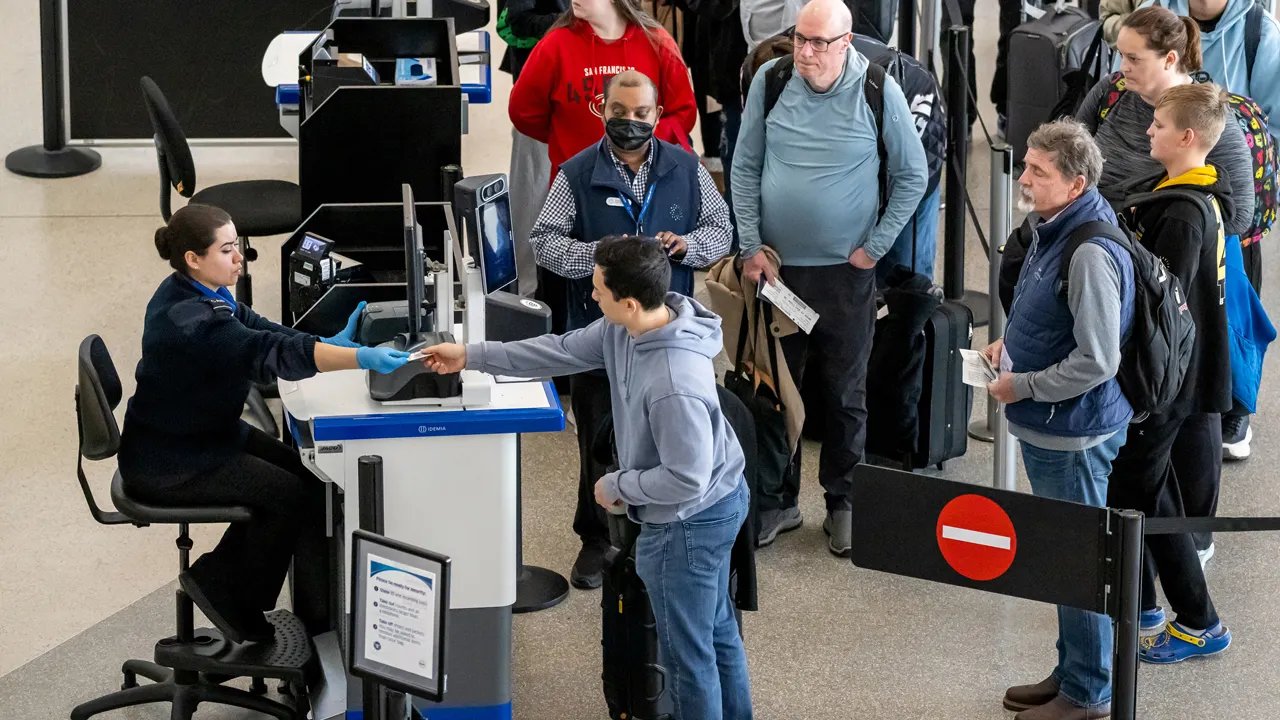
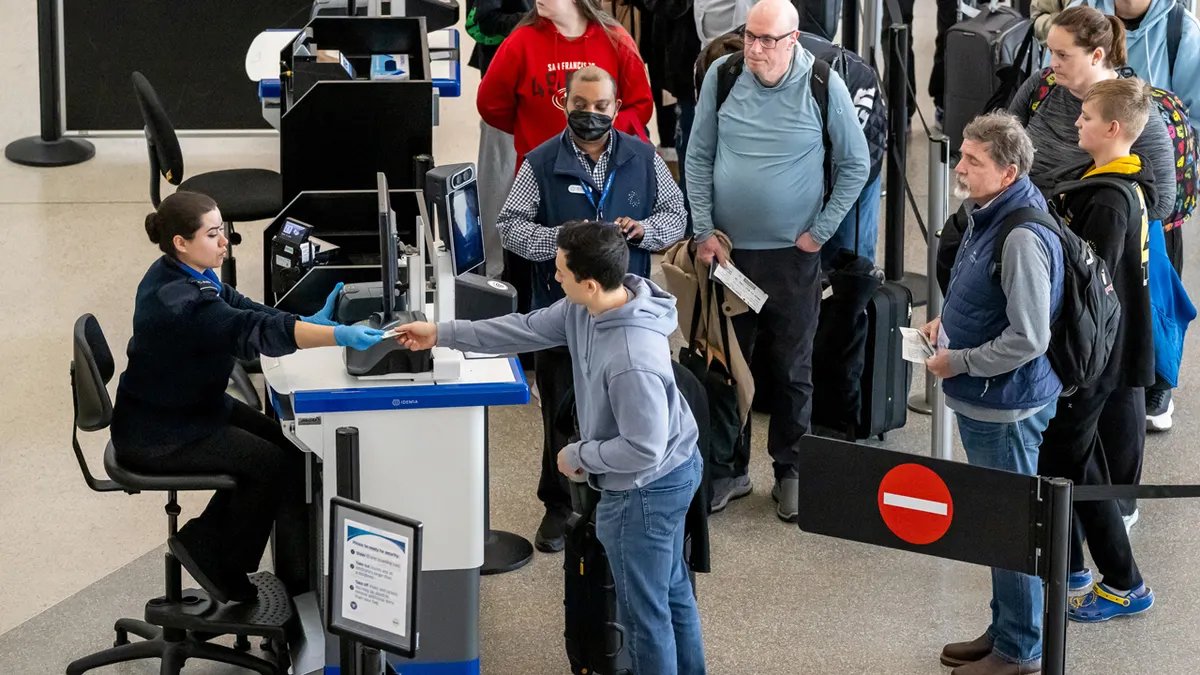
Currently, if a passenger arrives at a TSA checkpoint without acceptable ID, they are typically subjected to additional screening procedures. This might involve answering questions to verify their identity, undergoing a pat-down, and having their carry-on luggage thoroughly inspected. While this process can be time-consuming and inconvenient, it doesn’t typically involve a financial penalty. The proposed new TSA policy would change that, adding a significant financial consequence for those who forget or lose their identification. This change has sparked considerable debate among travelers, industry experts, and privacy advocates alike.
The Rationale Behind the New Policy
The TSA claims the policy aims to improve security efficiency. They argue that the current system of secondary screening for those without ID is time-consuming and resource-intensive. By implementing a fee, they hope to encourage more passengers to remember their identification, thereby reducing the number of secondary screenings needed and speeding up the overall security process. “We’re not trying to punish people,” said a TSA spokesperson (who wished to remain anonymous). “We’re trying to incentivize responsible travel and ensure the safety of everyone in the air.”
However, some critics argue that the TSA is exaggerating the problem. They point out that the vast majority of passengers already present valid ID at security checkpoints. A recent study by the Airline Passenger Experience Association (APEX) found that over 98% of passengers successfully present acceptable identification. This raises the question of whether a fee is truly necessary to address the remaining 2%.

Acceptable Forms of Identification
So, what exactly constitutes “acceptable ID” under TSA regulations? The most common forms of identification include:
* A valid U.S. driver’s license
* A valid U.S. passport
* A U.S. military ID
* A permanent resident card (Green Card)
* A Trusted Traveler card (e.g., Global Entry, TSA PreCheck)
The TSA website provides a comprehensive list of acceptable identification documents. It’s important to note that expired IDs are generally not accepted, so it’s crucial to ensure your identification is current before heading to the airport.
Potential Impact on Travelers
The implementation of this new TSA policy could have a significant impact on air travelers, particularly those who are prone to forgetfulness or who may be traveling with limited resources. Imagine a family of four, rushing to catch their flight, only to discover that one parent’s driver’s license has expired. Under the proposed policy, that family could face an unexpected $50 fee, adding to the already considerable cost of air travel.
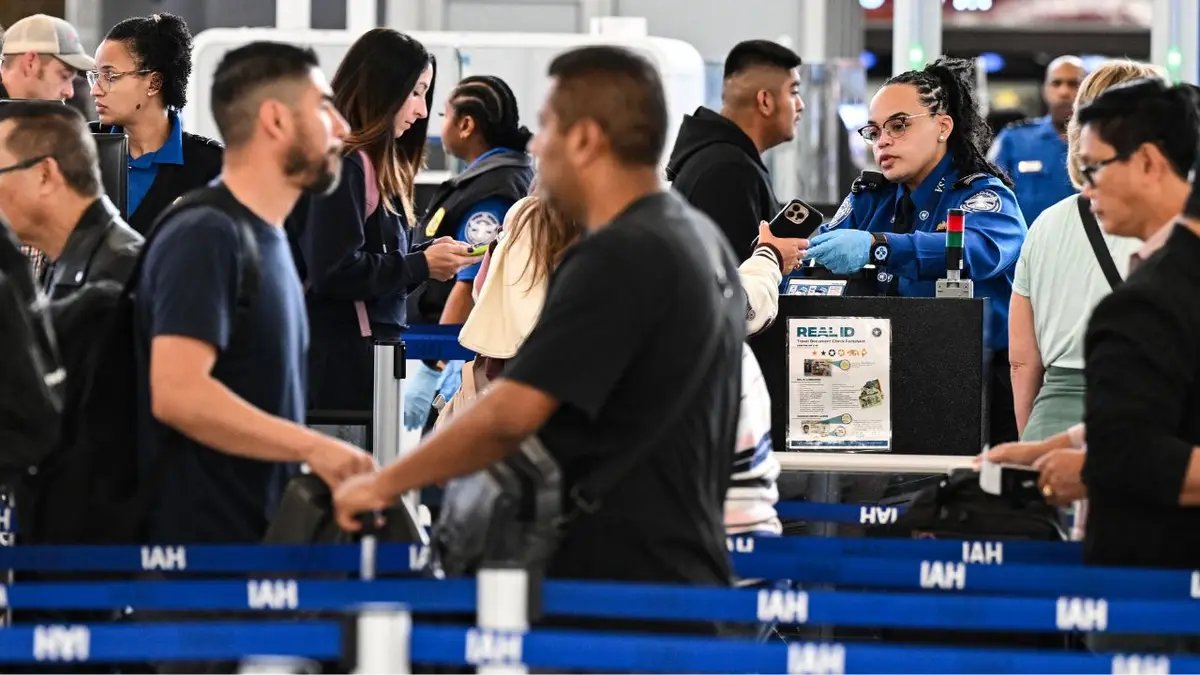
Furthermore, the policy could disproportionately affect low-income travelers who may not have access to readily available forms of identification. Obtaining a passport, for example, can be a costly and time-consuming process, potentially creating a barrier to air travel for some individuals. “This is just another way for the government to squeeze money out of ordinary people,” said Maria Rodriguez, a frequent traveler who opposes the new policy. “It’s unfair and discriminatory.”
Arguments Against the Fee
Opponents of the new TSA policy raise several concerns. One major argument is that the fee is essentially a tax on forgetfulness. They argue that forgetting your ID is an honest mistake, not a criminal offense, and that imposing a financial penalty is excessive.
Another concern is that the fee could lead to increased confrontations between passengers and TSA agents. Travelers who are already stressed and anxious about missing their flights may become even more agitated if they are suddenly faced with a $50 fine. This could create a more hostile and confrontational environment at airport security checkpoints.
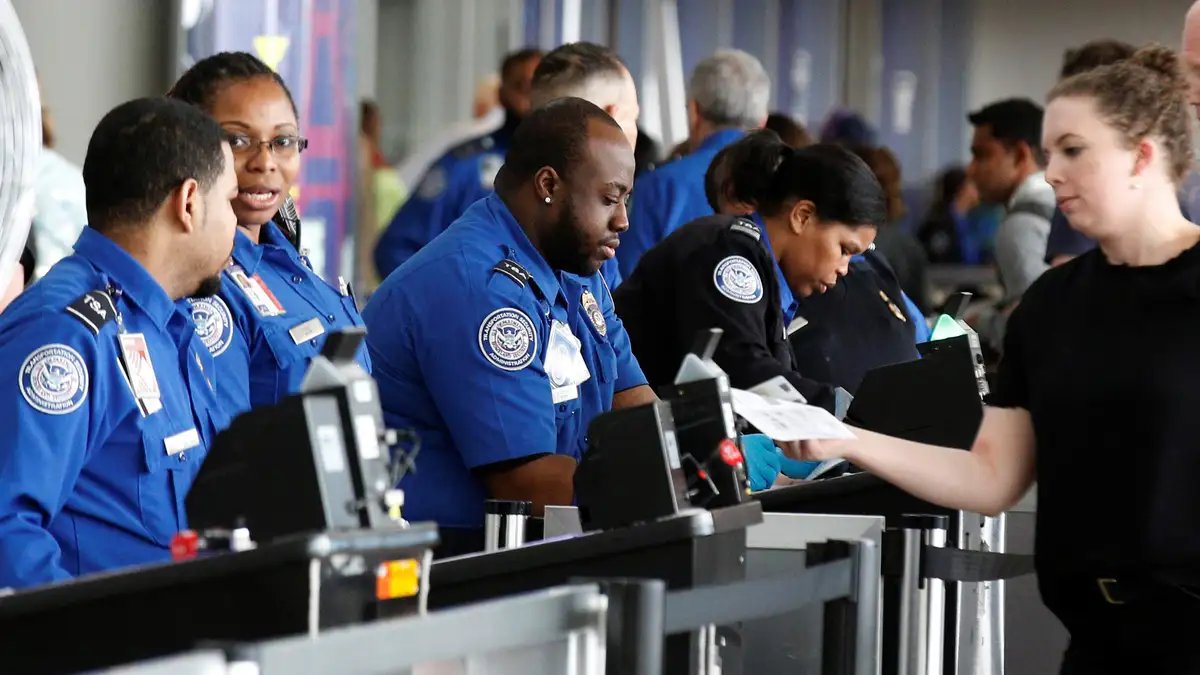
Finally, some critics question the effectiveness of the fee in actually improving security. They argue that passengers who are determined to bypass security measures will likely find ways to do so, regardless of whether they have to pay a $50 fine. A more effective approach, they suggest, would be to focus on improving training and technology for TSA agents.
Alternative Solutions
If a fee is not the answer, what are some alternative solutions for addressing the issue of passengers arriving without acceptable ID? One option would be to increase public awareness about the importance of bringing valid identification to the airport. The TSA could launch a public awareness campaign, using social media, advertising, and other channels to educate travelers about the requirements for acceptable identification.
Another approach would be to streamline the secondary screening process for those without ID. The TSA could invest in new technologies and training programs to help agents quickly and efficiently verify the identity of passengers who do not have acceptable identification. This could reduce the delays associated with secondary screening and minimize the inconvenience for travelers.
The Current Status of the Policy
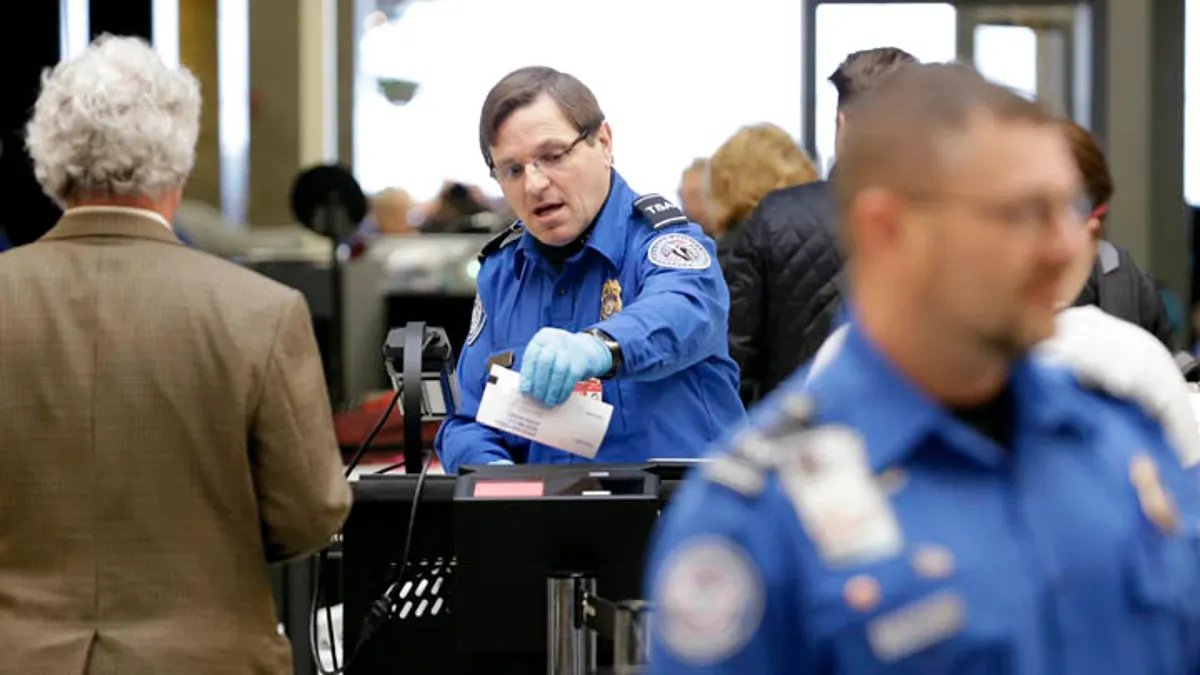
As of today, the new TSA policy is still under consideration. The TSA is currently reviewing public comments and feedback on the proposal. It is unclear when, or if, the policy will be implemented. However, the fact that the TSA is even considering such a policy suggests that they are serious about addressing the issue of passengers arriving without acceptable ID. Whether or not this particular policy is the right solution remains to be seen.
How to Prepare for Air Travel Now
Regardless of whether the new TSA policy is implemented, it’s always a good idea to be prepared for air travel. Here are a few tips to help you avoid potential problems at the airport:
* Always double-check that you have your ID before leaving for the airport.
* Make sure your ID is valid and not expired.
* Keep your ID in an easily accessible location.
* Consider enrolling in a Trusted Traveler program like TSA PreCheck or Global Entry. This can expedite the security screening process and reduce the likelihood of delays.
* Familiarize yourself with the TSA‘s rules and regulations regarding acceptable identification.
By following these simple tips, you can help ensure a smooth and stress-free travel experience. And who knows, maybe you’ll even avoid that $50 fine!
Ultimately, the debate over the new TSA policy highlights the ongoing tension between security and convenience in air travel. While everyone agrees that security is paramount, there is disagreement about the best way to achieve it. Whether a financial penalty is the answer remains to be seen. What’s clear is that staying informed and prepared is the best way to navigate the ever-changing landscape of airport security. It’s a good idea to regularly check the TSA website for updates.
Frequently Asked Questions
| What is the new TSA policy regarding ID? | The proposed new TSA policy involves charging passengers nearly $50 if they do not have acceptable identification when going through airport security checkpoints. This fee would be in addition to undergoing secondary screening procedures. |
| What are the benefits of this new policy? | The TSA argues that the policy will incentivize passengers to bring valid identification, thereby streamlining the security process, reducing delays, and improving overall security efficiency. They believe it will reduce the number of time-consuming secondary screenings. |
| When will this policy be implemented? | As of now, the policy is still under consideration by the TSA. They are reviewing public comments and feedback, and the implementation date is currently unclear. Keep an eye on official TSA announcements for updates. |
| What are the potential challenges of this policy? | Potential challenges include the financial burden on travelers who forget their ID, especially low-income individuals; increased confrontations between passengers and TSA agents; and questions about the policy’s actual effectiveness in improving security. |
| What is the future of airport security and ID verification? | The future likely involves a combination of increased public awareness campaigns about ID requirements, improved training and technology for TSA agents, and possibly the exploration of alternative ID verification methods that are more efficient and less burdensome for travelers. Biometric scanning could play a larger role. |
Important Notice
This FAQ section addresses the most common inquiries regarding the topic.