The morning commute. Rain streaking across the windshield, the rhythmic thump-thump of the wipers. And now… an ad for premium floor mats flashing on the Tesla’s center screen. Yep, you read that right. Rumors are swirling, and frankly, they’re gaining traction faster than a Model S on Ludicrous Mode: Teslas might be getting ads. The very idea feels… wrong. Like finding out your favorite artisanal coffee shop is now serving instant. Isn’t the minimalist, tech-forward experience supposed to be the appeal? Now, are we looking at advertising creeping into every corner of our lives, even the dashboards of our electric vehicles?
The whispers started on a Tesla enthusiast forum, a blurry screenshot of what looked suspiciously like an advertisement embedded within the infotainment system. At first, many dismissed it as a hoax, a clever bit of Photoshopping. But more reports trickled in, and suddenly, the prospect of Tesla ads became a very real, and very unsettling, possibility. “I saw something similar on my screen last week,” one user posted, “a little banner promoting a new charging station. Thought it was a glitch!” (A glitch that wants you to spend more money? Suspicious.) The immediate question is: why? Tesla already dominates the electric vehicle market. They’re practically printing money. What’s the motivation behind potentially alienating their customer base with something as universally disliked as ads? Is Elon looking for new revenue streams, pushing for wider profit margins with new software implementation that might change the Tesla experience forever?
It feels like a betrayal, doesn’t it? You shell out a significant chunk of change for a premium vehicle, expecting a certain level of sophistication and a curated user experience. Instead, you might be greeted with pop-up ads for local dealerships or the latest energy drink. It’s a far cry from the sleek, futuristic vision that Tesla has cultivated. And while some argue that subscription services are the future of the automotive industry, the introduction of in-car ads feels like a step too far. It’s the kind of move that could drive potential buyers towards competitors offering ad-free driving experiences. The question is: what will it mean for the Tesla brand?
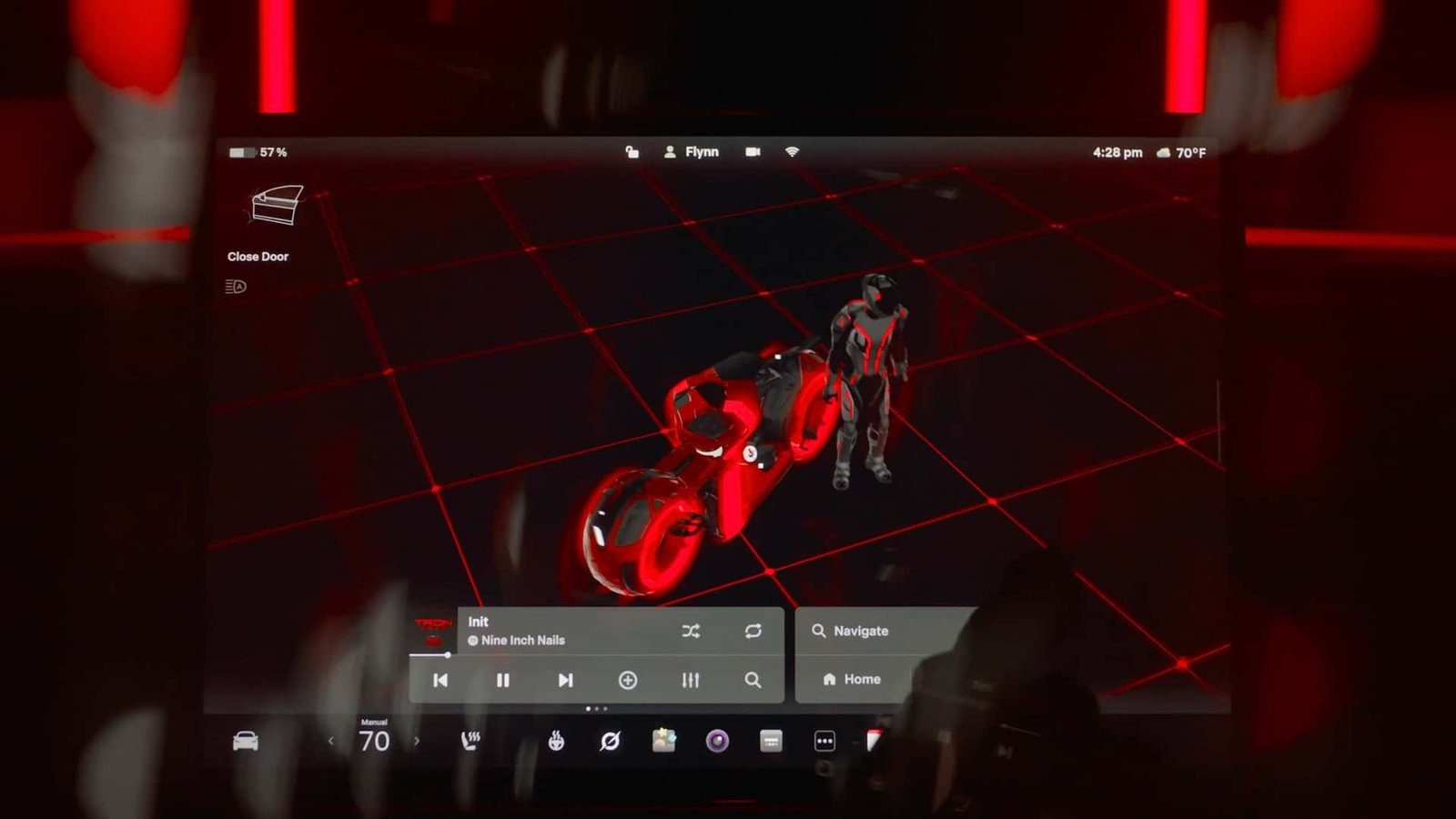
The Rationale Behind the Rumors
So, why might Tesla be considering this controversial move? The most obvious answer, of course, is money. Digital advertising is a multi-billion dollar industry, and with millions of Teslas on the road, the potential revenue stream is enormous. Tesla could partner with local businesses, national brands, or even other EV companies to display targeted ads to drivers based on their location, driving habits, and preferences. Think about it: an ad for a coffee shop popping up as you drive past, or a promotion for a nearby charging station when your battery is running low. The possibilities (and the potential annoyances) are endless.
One anonymous source, claiming to be close to Tesla’s software development team, suggested that the company is exploring various monetization strategies to offset the costs of its ambitious expansion plans. “Look,” they said, speaking on the condition of anonymity, “building Gigafactories and developing new technologies isn’t cheap. Ads could be a significant source of revenue, allowing Tesla to invest in innovation and further reduce the cost of its vehicles.”
Another possibility is that Tesla is looking to use ads to promote its own products and services. Imagine ads for Tesla insurance, solar panels, or even upcoming vehicle models appearing on the infotainment screen. This would allow Tesla to directly market to its existing customer base, increasing brand loyalty and driving sales.
The Potential Backlash
While the financial benefits of in-car ads might be appealing to Tesla, the potential backlash from customers could be significant. Many Tesla owners pride themselves on the vehicle’s minimalist design and ad-free user experience. Introducing ads could alienate these loyal customers and damage the Tesla brand.
“I bought a Tesla because it was different,” said one frustrated owner on Twitter. “I didn’t want a car that felt like a giant billboard. If Tesla starts showing ads, I’m selling my car and switching to a different EV brand.”
The introduction of ads could also raise safety concerns. Distracted driving is a serious issue, and having advertisements flashing on the infotainment screen could divert the driver’s attention from the road, increasing the risk of accidents.

How Could Tesla Implement Ads?
If Tesla does decide to move forward with in-car ads, there are several ways they could implement them. One option would be to display ads on the main infotainment screen, either as pop-up banners or integrated into the existing user interface. Another option would be to offer a subscription service that removes ads, allowing customers to pay for an ad-free driving experience. This is akin to the ad-free tiers offered by many streaming services.
Here’s a possible breakdown of how the ads might be implemented:
- Location-Based Ads: Ads for nearby businesses or services that appear based on the car’s location.
- Contextual Ads: Ads that are relevant to the driver’s current activity, such as ads for charging stations when the battery is low.
- Behavioral Ads: Ads that are targeted based on the driver’s past driving habits and preferences.
- Sponsored Content: Integration of branded content into the infotainment system, such as sponsored playlists or navigation routes.
It’s also conceivable that the ads could be tied to specific Tesla software updates. Maybe Tesla offers a “basic” update that is free but includes ads, and a “premium” update that costs extra but removes them. This creates a tiered experience, allowing users to choose the level of intrusiveness they’re comfortable with.
The Broader Implications for the EV Industry
The potential introduction of ads in Teslas raises broader questions about the future of the electric vehicle industry. As EVs become more mainstream, automakers are looking for new ways to generate revenue and differentiate themselves from the competition. Subscription services are already becoming increasingly common, with many automakers offering subscription-based access to features like advanced driver-assistance systems and over-the-air software updates.

But the introduction of ads could be a slippery slope. Once automakers start displaying ads in their vehicles, it’s hard to imagine them stopping. Before long, we could be living in a world where every car on the road is a mobile billboard, bombarding drivers with advertisements at every turn. Where do we draw the line? Is there a point where the pursuit of profit outweighs the need for a safe and enjoyable driving experience?
Here’s what other manufacturers could do:
- Follow Tesla’s lead: Other EV manufacturers could see Tesla’s move as a validation of the in-car advertising model and implement similar strategies.
- Offer an ad-free alternative: Some manufacturers might choose to differentiate themselves by offering vehicles with a guaranteed ad-free experience, appealing to customers who are willing to pay a premium for it.
- Focus on non-intrusive monetization: Automakers could explore alternative monetization strategies, such as partnerships with charging networks or data-driven services, that are less intrusive than traditional advertising.
Will Tesla Actually Do It?
The big question, of course, is whether Tesla will actually follow through with the introduction of in-car ads. The company has a history of testing new features and ideas, some of which never make it to the final product. It’s possible that the reports of ads in Teslas are simply part of a test program, and that Tesla will ultimately decide to scrap the idea.
However, given Tesla’s track record of pushing boundaries and exploring new revenue streams, it’s also possible that ads are here to stay. Only time will tell whether Tesla owners will be forced to accept advertisements alongside their electric vehicles. One thing is certain: the future of the automotive industry is changing rapidly, and advertising is likely to play a bigger role than ever before.
This could also be a strategic move to increase the perceived value of existing features or subscription services. By introducing ads, Tesla could make its ad-free options more appealing, driving more customers to subscribe to premium services. It’s a classic “good cop, bad cop” scenario, where the “bad cop” (ads) makes the “good cop” (subscriptions) look even better.
Conclusion
The prospect of ads in Teslas is a divisive one. While it could provide Tesla with a significant new revenue stream, it also risks alienating loyal customers and damaging the brand. Whether Tesla ultimately decides to move forward with in-car ads remains to be seen. But one thing is clear: the automotive industry is changing, and the future of driving may include a lot more than just the road ahead. It might include a barrage of targeted advertisements vying for our attention. I, for one, am not thrilled by the prospect. It feels like yet another encroachment of commercialism into our personal spaces. But maybe, just maybe, there’s a way for Tesla to implement ads in a way that’s not completely intrusive or annoying. Maybe they could offer highly targeted, relevant ads that actually provide value to the driver. But let’s be honest, that’s probably wishful thinking.
Frequently Asked Questions
| Why is Tesla considering adding ads to its vehicles? | Tesla is likely considering adding ads as a way to generate additional revenue and offset the costs associated with developing new technologies and expanding its manufacturing capabilities. Ads could also be used to promote Tesla’s own products and services. |
| What are the potential benefits of Tesla adding ads? | The potential benefits for Tesla include increased revenue, the ability to directly market to its customer base, and the potential to lower vehicle costs in the long run. For consumers, theoretically, the increased revenue could translate to more affordable vehicles or improved features, though this is not guaranteed. |
| How might Tesla implement ads in its vehicles? | Tesla could implement ads through the infotainment system, either as pop-up banners, integrated into the user interface, or as sponsored content. They could also offer a subscription service to remove ads, or tie the presence of ads to specific software update tiers. |
| What are the potential challenges and risks of Tesla adding ads? | The potential challenges include alienating existing customers who value the ad-free experience, damaging the Tesla brand image, raising safety concerns related to distracted driving, and facing negative publicity and backlash from consumers. |
| What is the likely future of advertising in electric vehicles? | The future of advertising in electric vehicles is uncertain, but it’s likely that automakers will continue to explore new ways to monetize their vehicles and services. This could include more sophisticated and targeted advertising, as well as alternative monetization strategies like data-driven services and partnerships with charging networks. The key will be finding a balance between generating revenue and providing a positive user experience. |
Important Notice
This FAQ section addresses the most common inquiries regarding the topic.