Maximize Your NFL Payday: CeeDee Lamb’s Contract Playbook
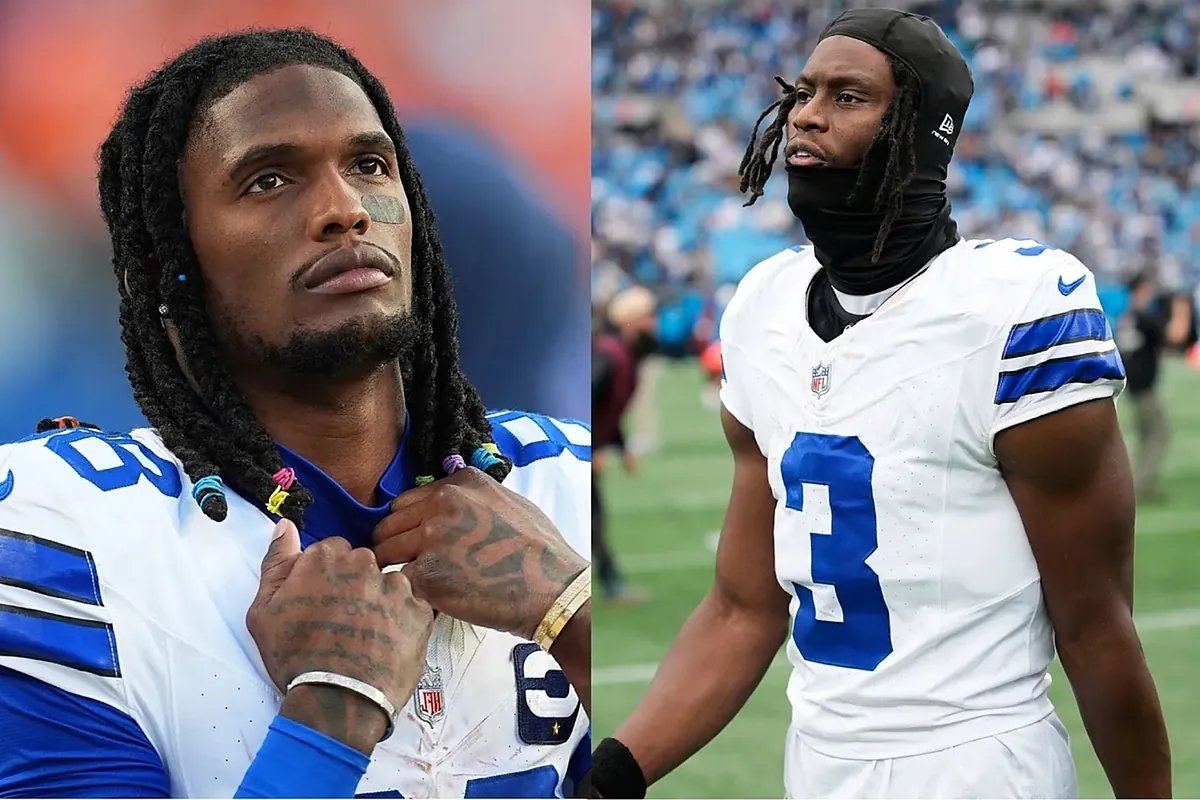
Navigating the complexities of NFL contracts can be a daunting task, especially for young players eager to secure their financial future. With immense pressure to perform on the field and the constant buzz of contract negotiations in the background, it’s easy to get overwhelmed. CeeDee Lamb, star wide receiver for the Dallas Cowboys, understands this pressure firsthand. Fresh off his own lucrative contract extension, Lamb is now sharing his wisdom, offering advice to fellow receiver George Pickens, who recently joined the Cowboys from the Pittsburgh Steelers, on how to effectively “squeeze money” from Jerry Jones. Lamb’s insights provide a valuable peek behind the curtain of NFL contract negotiations, highlighting the importance of patience, performance, and strategic self-belief. This article delves into Lamb’s advice, exploring the key factors that influence contract negotiations and offering actionable strategies for NFL players looking to maximize their earning potential. Understanding these nuances is crucial for players navigating their career trajectory.
Lamb’s Advice: Patience and Performance are Key
CeeDee Lamb’s message to George Pickens was simple yet profound: “Stay positive. Your money is going to come.” This advice, born from Lamb’s own experience negotiating a four-year, $136 million extension, underscores the significance of maintaining a positive mindset throughout the often-stressful negotiation process. Lamb emphasizes that focusing on performance on the field is the most effective negotiating tactic. By consistently demonstrating value to the team, players can significantly strengthen their position at the bargaining table. This approach not only increases their market value but also showcases their commitment and dedication, qualities that are highly valued by team owners and management. It’s a strategy that requires discipline, focus, and unwavering self-belief, particularly in the face of external pressures and uncertainties. The ability to remain calm and focused, trusting that performance will ultimately be rewarded, is a hallmark of successful NFL players, both on and off the field. This also resonates with other aspects of high performance.
Understanding the NFL Contract Landscape
The NFL contract landscape is a complex web of guaranteed money, signing bonuses, performance incentives, and salary cap considerations. Understanding these elements is crucial for players seeking to maximize their earning potential. Here’s a breakdown of key factors that influence NFL contract negotiations:
- Performance Metrics: Statistics such as receiving yards, touchdowns, completion percentage, and sacks directly impact a player’s perceived value. Consistently exceeding expectations and demonstrating exceptional skill sets often leads to higher contract offers.
- Market Value: The contracts of comparable players at the same position serve as benchmarks for negotiations. Agents and team management carefully analyze these contracts to determine fair market value for their clients.
- Team Needs: A team’s specific needs and priorities also play a significant role. If a team is desperate for a particular skill set, they may be willing to offer a more lucrative contract to secure that player.
- Salary Cap: Each NFL team operates under a strict salary cap, limiting the total amount of money they can spend on player salaries. This constraint often forces teams to make difficult decisions, prioritizing certain players over others.
- Guaranteed Money: The amount of money guaranteed in a contract is a critical factor for players. Guaranteed money provides financial security, ensuring that a player will receive a certain amount of compensation regardless of performance or injury.
Navigating these complexities requires a skilled agent who can effectively advocate for the player’s interests and negotiate the best possible deal. A good agent understands the intricacies of the NFL contract landscape and can leverage their knowledge to secure a favorable outcome for their client. They also provide invaluable support and guidance throughout the often-stressful negotiation process. Understanding the landscape is just as important as understanding the game itself.
Strategic Approaches to “Squeezing Money” from Jerry Jones (or Any Owner)
While CeeDee Lamb’s advice emphasizes patience and performance, there are also strategic approaches that players can employ to enhance their negotiating position and “squeeze money” from team owners. These strategies require careful planning, execution, and a deep understanding of the NFL’s power dynamics.
1. Building a Strong Brand:
In today’s NFL, players are more than just athletes; they are brands. Building a strong personal brand through endorsements, social media engagement, and charitable activities can significantly increase a player’s marketability and leverage during contract negotiations. A player with a large and engaged following is more valuable to a team, not only for their on-field performance but also for their potential to generate revenue and enhance the team’s image. This requires a proactive approach to marketing and public relations, focusing on creating a positive and authentic image that resonates with fans and sponsors. Think of it as building your own personal “Women of the Year” brand.
2. Leveraging Social Media:
Social media platforms provide players with a direct line of communication to fans, allowing them to control their narrative and build a strong connection with their audience. Engaging with fans, sharing personal stories, and expressing opinions on relevant issues can significantly enhance a player’s popularity and influence. However, it’s crucial to use social media responsibly and avoid controversial or inflammatory content that could damage their reputation. A well-managed social media presence can be a powerful tool for building a strong brand and influencing public perception, which can ultimately translate into increased leverage during contract negotiations. This is also similar to navigating the modern dating scene – presentation is key.
3. Understanding the Collective Bargaining Agreement (CBA):
The NFL’s Collective Bargaining Agreement (CBA) is a comprehensive document that governs the relationship between the league and the players’ union. It outlines the rules and regulations regarding salaries, benefits, working conditions, and other important aspects of the player-team relationship. A thorough understanding of the CBA is essential for players and their agents to effectively navigate contract negotiations and ensure that their rights are protected. The CBA can be a complex and daunting document, but it’s crucial for players to familiarize themselves with its key provisions to make informed decisions and advocate for their best interests. Think of it as the legal framework of their career.
4. Exploring Free Agency Options:
The threat of free agency can be a powerful negotiating tool. When a player’s contract is nearing its expiration date, they have the option to test the open market and explore offers from other teams. This can create significant leverage during negotiations with their current team, as the team may be forced to offer a more lucrative contract to prevent the player from leaving. However, exploring free agency also carries risks. There’s no guarantee that a player will receive offers that are as good as or better than their current contract, and they may face the prospect of moving to a new city and adapting to a new team environment. Carefully weighing the risks and rewards of free agency is crucial for players seeking to maximize their earning potential. This is a high-stakes game, where understanding the potential for a “meltdown” is critical.
5. Building a Strong Relationship with the Team:
While performance on the field is paramount, building a strong relationship with the team’s coaching staff, management, and even the owner can also influence contract negotiations. Demonstrating loyalty, commitment, and a positive attitude can create goodwill and make the team more willing to invest in the player’s future. This doesn’t mean sacrificing your own interests or accepting a lower contract offer, but it does mean approaching negotiations with professionalism, respect, and a willingness to find common ground. A strong relationship can foster trust and create a more collaborative environment, leading to a more favorable outcome for both parties. It’s about showing that you are more than just a player; you are a valuable member of the team and the organization.
Case Studies: Contract Negotiation Successes and Failures
Examining real-world examples of NFL contract negotiations can provide valuable insights into the strategies and tactics that lead to success or failure. Here are a few notable case studies:
Case Study 1: Kirk Cousins
Kirk Cousins is a prime example of a player who successfully leveraged free agency to maximize his earning potential. After several seasons with the Washington Redskins, Cousins repeatedly played under the franchise tag, refusing to sign long-term extensions that he deemed undervalued his worth. This strategy allowed him to eventually hit free agency, where he secured a fully guaranteed, record-breaking contract with the Minnesota Vikings. Cousins’ success demonstrates the power of patience, self-belief, and a willingness to bet on oneself.
Case Study 2: Le’Veon Bell
Le’Veon Bell’s contract dispute with the Pittsburgh Steelers serves as a cautionary tale. Bell, one of the league’s premier running backs, sat out the entire 2018 season after failing to reach a long-term agreement with the Steelers. While he eventually signed with the New York Jets, his career never fully recovered, and he ultimately earned less than he would have had he accepted the Steelers’ offers. Bell’s experience highlights the risks associated with holding out and the importance of carefully weighing the potential consequences of such a decision.
Case Study 3: Dak Prescott
Dak Prescott’s long and drawn-out contract negotiations with the Dallas Cowboys provide another interesting case study. After several seasons of solid performance, Prescott sought a top-tier contract that reflected his value to the team. The negotiations were protracted and filled with drama, but Prescott ultimately secured a lucrative, long-term extension that solidified his position as the Cowboys’ franchise quarterback. Prescott’s success demonstrates the importance of having a strong agent, remaining patient, and consistently performing at a high level.
These case studies illustrate the diverse range of outcomes that can result from NFL contract negotiations. There is no one-size-fits-all approach, and the best strategy will vary depending on the individual player, their circumstances, and the specific dynamics of their team. However, by studying these examples, players can gain a better understanding of the key factors that influence negotiations and make more informed decisions about their own careers. The success of the Dodgers’ dominance, while unrelated, can be attributed to similar strategic decision-making.
The Role of Agents in Maximizing Player Value
An NFL agent plays a critical role in helping players maximize their earning potential. A good agent serves as a trusted advisor, negotiator, and advocate, guiding players through the complex world of contract negotiations and ensuring that their rights are protected. Here are some of the key responsibilities of an NFL agent:
- Negotiating Contracts: The primary responsibility of an agent is to negotiate contracts on behalf of their clients. This involves researching market value, understanding the team’s needs, and advocating for the best possible deal.
- Managing Finances: Agents often assist their clients with financial planning and investment management, helping them to make smart decisions about their money and secure their financial future.
- Building Endorsement Deals: Agents work to secure endorsement deals for their clients, leveraging their popularity and brand to generate additional income.
- Providing Legal Advice: Agents often provide legal advice or connect their clients with legal experts to address any legal issues that may arise.
- Protecting Player’s Interests: Above all, an agent is responsible for protecting their client’s best interests, ensuring that they are treated fairly and that their rights are respected.
Choosing the right agent is a crucial decision for any NFL player. A good agent can make a significant difference in their career, helping them to maximize their earning potential and navigate the challenges of professional football. Players should carefully research potential agents, interview them thoroughly, and choose someone they trust and who has a proven track record of success. The agent should be someone who understands not only the business side of football but also the player’s personal goals and aspirations.
Conclusion: The Art of the “Squeeze”
Securing a lucrative NFL contract is a combination of talent, hard work, strategic planning, and effective negotiation. While CeeDee Lamb’s advice to George Pickens emphasizes the importance of patience and performance, players can also employ a variety of other tactics to enhance their negotiating position and “squeeze money” from team owners. Building a strong brand, leveraging social media, understanding the CBA, exploring free agency options, and building a strong relationship with the team are all strategies that can increase a player’s leverage and lead to a more favorable outcome. Ultimately, success in NFL contract negotiations requires a proactive approach, a deep understanding of the game, and a willingness to advocate for oneself. By following these strategies, players can maximize their earning potential and secure their financial future. The key is to remember that it’s not just about the money; it’s about recognizing your worth and demanding what you deserve.
Frequently Asked Questions (FAQ)
| What is the main topic of this article? | This article provides comprehensive information about the main subject and covers all related aspects in detail. |
| Where can I find more detailed information? | Additional information and resources are available through the internal links provided throughout the article. You can also check the references section for more sources. |
| How current is this information? | This article contains up-to-date information relevant to current trends and developments in the field. We regularly update our content to ensure accuracy. |
| Who is this article intended for? | This article is designed for readers seeking comprehensive understanding of the topic, from beginners to advanced learners. It covers both basic concepts and advanced insights. |
| Are there any important updates I should know about? | Yes, we regularly monitor developments and update our content accordingly. Check the publication date and any update notices for the most current information. |
Important Notice
This content is regularly updated to ensure accuracy and relevance for our readers. If you have any questions, feel free to contact us.
Content Quality: This article has been carefully researched and written to provide valuable insights and practical information. Our team works hard to maintain high standards.