The crisp morning air at Teterboro Airport, usually humming with the distant whine of private jet engines spooling up for another cross-country dash, felt strangely subdued. You could almost taste the tension, a thick, palpable quiet hanging over the hangars where sleek, multi-million dollar aircraft sat grounded, their usual bustling activity replaced by an uneasy stillness. Just yesterday, this vibrant hub for private jets, nestled right across the Hudson from Manhattan, was a gateway to quick trips and high-stakes meetings. Today? It’s a different story entirely, one that’s sending ripples of concern through the entire business aviation sector and, frankly, affecting anyone who relies on efficient air travel. The news dropped like a lead balloon: the Federal Aviation Administration, or FAA, has imposed significant flight cuts at some of the nation’s most critical major airports, effectively making them off-limits to general aviation, including those swanky private jets. (Can you believe it? It’s a real shake-up!) This isn’t just about the super-rich having to alter their travel plans; it’s a stark indicator of deeper systemic issues within our national air traffic control system, struggling under the weight of staffing shortages and increasing demand. These restrictions, though primarily aimed at easing congestion in the New York metropolitan area’s notoriously busy airspace, particularly affecting hubs like Newark Liberty International (EWR), LaGuardia (LGA), and John F. Kennedy International (JFK) airports, are a clear signal that the skies above us are getting more crowded, and something had to give. The repercussions, my friend, are far-reaching, hinting at a potential paradigm shift in how we think about luxury, convenience, and the fundamental infrastructure supporting our fast-paced world.
The immediate reason for this drastic measure is pretty straightforward, yet complex in its roots: a dire shortage of air traffic controllers. Imagine trying to direct a symphony orchestra with half your musicians missing – that’s essentially the challenge the FAA is facing. Decades of understaffing, combined with a wave of retirements, have left the agency scrambling to maintain adequate staffing levels, especially in high-volume regions. The New York Terminal Radar Approach Control (TRACON), which manages the incredibly complex airspace around New York City, is particularly strained. This critical facility, often described as the busiest and most challenging airspace in the world, simply doesn’t have enough experienced controllers to safely handle the volume of traffic it once did. “It’s a ticking time bomb we’ve all known about,” explained Sarah Chen, a former air traffic controller now consulting on aviation safety, her voice tinged with a weary familiarity. “When you’re short-staffed, you can’t just push more planes through. You slow down, you create bigger gaps for safety, and eventually, you have to cut capacity. It’s not optional; it’s a necessity for preventing catastrophic incidents.” This isn’t just a slight inconvenience; it’s a fundamental issue of public safety, forcing the FAA’s hand to implement these sweeping flight restrictions.
The impact has been immediate and, for many, quite shocking. Consider the typical executive who might fly into Teterboro, a stone’s throw from Manhattan, for a crucial meeting. Now, that direct access is severely curtailed. They might have to divert to a smaller, less convenient airport much further away, adding hours to their journey, or even switch to commercial airlines, which ironically are also facing their own set of delays and cancellations due to the same underlying systemic issues. It creates a domino effect across the entire travel industry. “I had a client scheduled to fly into EWR this morning, a critical investor meeting,” shared Michael Vance, a charter broker with two decades in the general aviation sector, sounding exasperated over the phone. “We got the notice late last night. Had to scramble to reroute them to a regional airport in upstate New York, then arrange a four-hour car service. It cost them thousands more and nearly jeopardized the deal. This isn’t just luxury; for many, it’s how business gets done.” The economic implications are not to be underestimated; time, as they say, is money, and these delays are costing businesses significant sums.
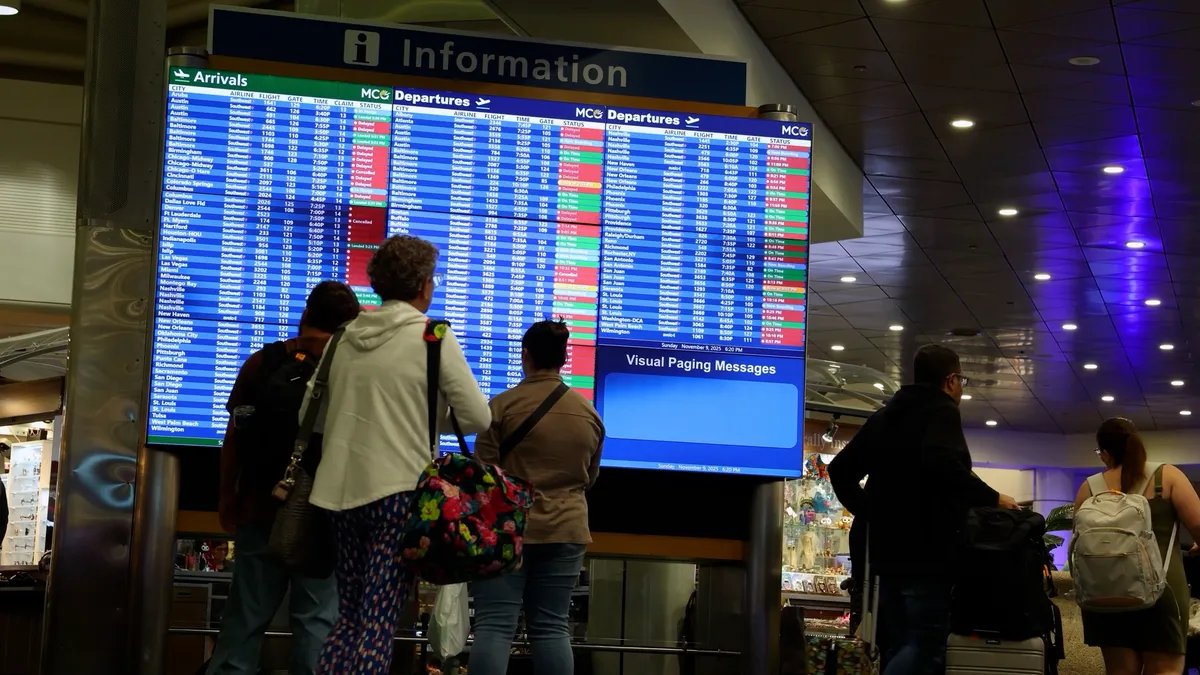
Why the Focus on Private Jets? Understanding the FAA’s Dilemma
You might be wondering, why target private jets specifically? It’s a fair question, and it boils down to optimizing capacity during a crisis. Commercial airlines operate on strict schedules, carrying hundreds of passengers per flight, and their impact on the overall transportation system is massive. A single commercial flight cancellation can affect hundreds of people and ripple through connecting flights. Private jets, while incredibly important for specific business needs and high-net-worth individuals, typically carry fewer passengers and often have more flexibility in their scheduling. When the FAA needs to cut down on total movements – takeoffs and landings – to ensure safety with fewer controllers, it makes operational sense to prioritize the higher-capacity commercial flights. It’s a pragmatic, albeit unpopular, decision.
“It’s about throughput,” explained an anonymous FAA source, clearly choosing his words carefully. “Every slot is precious. When we’re running at 70% staffing, we can’t maintain 100% capacity. We have to make tough calls. Commercial flights move the most people. It’s not a slight against general aviation; it’s an operational reality when safety is paramount.” This prioritization ensures that the maximum number of people can still reach their destinations, even if it means altering the travel plans of a smaller, albeit influential, segment of the flying public. The decision highlights the intense pressure on the airspace management system and the difficult trade-offs required to keep the skies safe amidst persistent challenges.
The Broader Picture: Congestion and Delays Beyond New York
While the initial focus of these restrictions is heavily concentrated on the New York airspace, it’s crucial to understand that this isn’t an isolated incident. The issues plaguing New York TRACON are symptomatic of broader challenges within the national air traffic control system. Other major hubs, from Atlanta to Chicago to Los Angeles, are also experiencing staffing shortfalls, though perhaps not yet to the critical level seen in the Northeast. This situation raises serious concerns about future air travel disruptions across the country.
Consider the ripple effect: if a private jet is diverted from Newark to Philadelphia, that puts additional pressure on Philadelphia’s airspace and ground operations. If enough diversions happen, smaller airports, not accustomed to such high volumes of larger aircraft, could quickly become overwhelmed. This isn’t just about moving the problem; it’s about trying to contain a systemic issue. The public, already frustrated by frequent delays and cancellations, will likely see these new restrictions as further evidence of a struggling system. It affects everyone, from the vacationer hoping for a smooth flight to the business traveler trying to close a deal.
The FAA’s Long-Term Strategy: Addressing Staffing and Infrastructure
So, what’s the long-term solution? The FAA isn’t oblivious to these problems, of course. They’ve launched aggressive recruitment campaigns and are trying to fast-track controller training, but it’s a marathon, not a sprint. Becoming a fully certified air traffic controller is an incredibly rigorous process, requiring years of specialized training, simulation, and on-the-job experience. You can’t just churn them out overnight.
The agency has detailed plans to increase controller hiring and training, aiming to bring staffing levels up significantly over the next few years. However, these initiatives often face funding challenges and bureaucratic hurdles. Furthermore, the existing infrastructure, much of it decades old, also needs substantial upgrades. This isn’t just about the human element; it’s about the technology controllers use, the radar systems, and the communication networks that underpin the entire operation. Modernizing these systems is a massive undertaking, requiring billions of dollars and years of complex implementation.
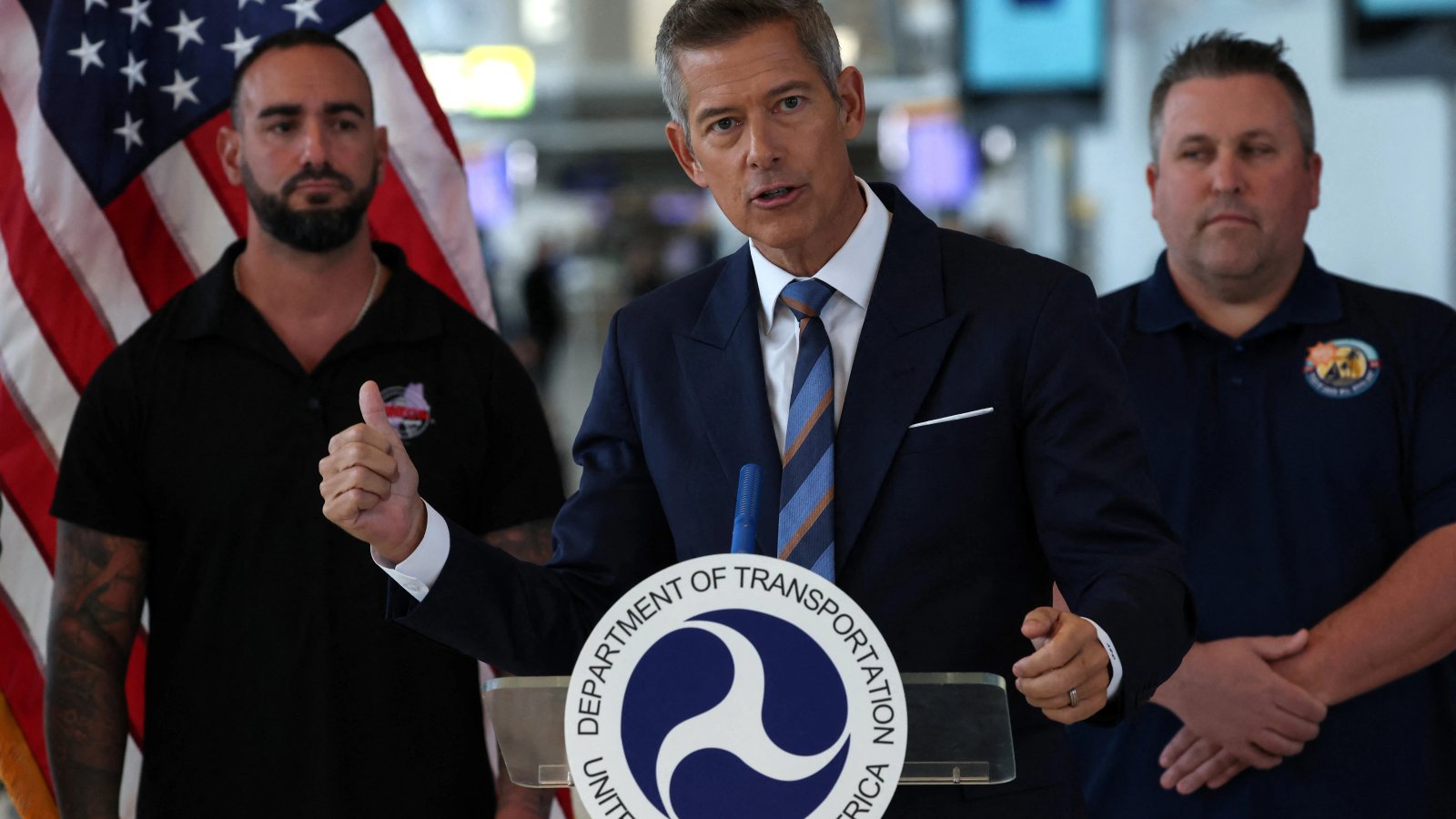
“The solutions are known, but they require sustained political will and significant investment,” stated Dr. Lena Patel, an aviation policy analyst, during a recent virtual conference. “We need a multi-pronged approach: aggressive recruitment, streamlined training, retention incentives, and a massive overhaul of our antiquated technological infrastructure. Anything less is just patching a leak in a dam.” It’s clear that these FAA flight cuts are not just a temporary fix but a symptom of much deeper, unresolved issues that have been building for years.
The Economic and Social Impact on Luxury Travel and Beyond
For those in the world of luxury travel and high-stakes business, these restrictions are more than an inconvenience; they’re a disruption to an established way of operating. Many companies rely on the speed and flexibility of business aviation to manage complex logistics, reach remote locations, or transport sensitive cargo. The ability to fly directly into a major city’s closest airport, bypassing commercial terminals and long security lines, is a key component of their operational efficiency.
The restrictions could force businesses to reconsider their travel strategies, potentially leading to increased reliance on video conferencing, longer travel times, or even a shift in where companies decide to locate their operations if direct air access becomes too unreliable. Think about the impact on specific industries, like finance, entertainment, or specialized manufacturing, where executives and critical personnel frequently move between key locations on tight schedules.
Moreover, the entire ecosystem supporting private jet travel – from FBOs (Fixed-Base Operators) that handle ground services, to charter companies, maintenance crews, and catering services – will feel the pinch. Reduced traffic means reduced revenue, potentially leading to job losses or consolidation within these sectors. It’s a complex web, and tugging one thread inevitably affects the whole tapestry. The ripple effect of these flight restrictions can be quite profound, echoing through local economies that benefit from private aviation activity.
Alternative Solutions and the Future of General Aviation Access
So, if major airports are off-limits, what are the alternatives for private jet users?
1. Secondary Airports: Utilizing smaller, regional airports further away from major metropolitan centers. This often means longer ground transportation times, but it keeps the air travel component private.
2. Commercial Travel: For some, this might mean a temporary return to first-class commercial flights, though this negates many of the advantages of private travel like privacy and schedule flexibility.
3. Helicopter Transfers: For very short distances, or once a private jet lands at a peripheral airport, helicopter transfers might become more prevalent for the final leg into a city.
4. Fractional Ownership & Charter Optimization: Private jet companies will likely get smarter about optimizing their fleet and flight paths, potentially pooling resources or coordinating to minimize impact.
The future of general aviation access to major hubs will depend heavily on the FAA’s success in addressing its staffing crisis. Until then, we might see more innovative solutions emerge from the private sector to bridge the gap, or perhaps a more permanent re-evaluation of airspace allocation policies. It’s an evolving situation, and anyone involved in air travel, whether as a passenger or an industry professional, needs to stay vigilant and adaptable.
The decision to make major airports off limits to private jets amid FAA flight cuts isn’t just a headline; it’s a stark reflection of the pressures facing our nation’s skies. It forces us to confront the reality that even in an era of advanced technology, fundamental human resources and infrastructure remain the backbone of safe and efficient air travel. While this change is undoubtedly a headache for some, it underscores the FAA’s unwavering commitment to safety above all else. The skies above us are a complex, dynamic environment, and maintaining their order requires constant vigilance, significant investment, and, critically, enough skilled hands to guide every single flight safely to its destination. It leaves us wondering, how long will these restrictions last, and what permanent changes will they usher in for the world of air travel? Only time, and decisive action, will tell.
Frequently Asked Questions
| Why are major airports restricting private jet access? | Major airports are restricting private jet access primarily due to significant FAA flight cuts, which are a direct consequence of severe air traffic controller shortages, particularly in high-volume airspaces like New York. The FAA prioritizes commercial flights that carry more passengers to maintain safety and maximize overall system capacity with reduced staffing. |
| Which airports are most affected by these new restrictions? | The most significantly affected airports are typically those in congested metropolitan areas, with initial restrictions heavily impacting the New York metropolitan area. This includes major hubs like Newark Liberty International (EWR), LaGuardia (LGA), and John F. Kennedy International (JFK) airports, as well as key general aviation reliever airports like Teterboro (TEB). |
| What are the alternatives for private jet travelers? | Private jet travelers now face several alternatives. They may need to utilize smaller, regional airports further from their final destinations, requiring additional ground transportation. Some might opt for commercial flights, or for shorter distances, helicopter transfers could become more common as a final leg from a peripheral airport. Charter companies are also optimizing routes and resources to adapt. |
| How do these flight cuts impact the broader travel industry and economy? | These flight cuts cause significant disruptions to business travel, potentially leading to increased costs, longer travel times, and even jeopardizing important meetings or deals. The ripple effect extends to the entire travel industry, impacting FBOs, charter brokers, maintenance crews, and other service providers dependent on private aviation activity, potentially leading to revenue loss and job insecurity. |
| What is the FAA doing to address the underlying issues? | The FAA is actively working to address the underlying issues by implementing aggressive recruitment campaigns and fast-tracking air traffic controller training programs. They are also advocating for sustained investment to modernize antiquated air traffic control infrastructure and technology. However, these are long-term solutions, and the current restrictions are a necessary measure to maintain safety in the interim. |
Important Notice
This FAQ section addresses the most common inquiries regarding the topic.