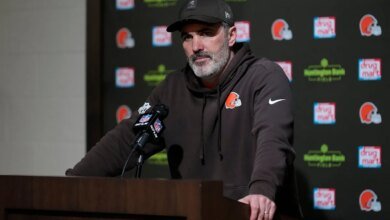
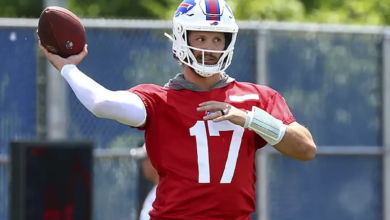
The chill wind off Lake Erie always seems to carry an undercurrent of speculation, doesn’t it? Especially when it swirls around the Cleveland Browns and their head coach, Kevin Stefanski. For months, the chatter has been relentless, a low hum of “will he or won’t he” regarding his job security. It’s a familiar tune for Browns fans, a symphony of anxiety that often accompanies the end of a season, regardless of how successful it might have been. Yet, even after a playoff appearance and navigating an absurd number of injuries, many wondered if Stefanski’s time in the Dawg Pound was ticking down. (It’s wild, truly, how quickly the narrative can flip in the NFL.) But what if I told you there’s a compelling, albeit somewhat unconventional, reason why Kevin Stefanski could remain with the Cleveland Browns, a reason that has little to do with the immediate past and everything to do with a potential future star quarterback? We’re talking about Shedeur Sanders, the electrifying signal-caller from Colorado, whose name is quietly gaining traction as an unexpected linchpin in Stefanski’s longevity. It’s a fascinating, almost cinematic plot twist, imagining a college phenom from Boulder having such a profound impact on a coaching decision in Berea, Ohio. The front office, I hear, is always looking three steps ahead, and sometimes, those steps involve a significant pivot, a gamble on a different kind of future. This isn’t just about winning now; it’s about building a sustainable foundation, and that often means marrying the right coach with the right talent, especially at the quarterback position.
The Turbulent Path of Kevin Stefanski in Cleveland
Let’s be honest, the journey for Kevin Stefanski with the Cleveland Browns has been nothing short of a roller coaster. When he arrived in 2020, he immediately injected a dose of professionalism and offensive creativity that had been sorely missing. His inaugural season was a revelation: a Coach of the Year award, an 11-5 record, and the Browns’ first playoff victory in 26 years, a stunning upset against the rival Steelers. The city was electric, finally feeling that elusive sense of hope. “It felt like we had finally turned a corner,” recalled lifelong Browns fan, Mark Jenkins, sipping his beer at a downtown Cleveland sports bar. “Stefanski brought an identity, a real sense of purpose.”
However, the subsequent seasons have presented a different narrative. A solid 8-9 record in 2021 was followed by the tumultuous 2022 campaign, dominated by the Deshaun Watson suspension and a revolving door at quarterback. The 2023 season, despite another playoff berth, was a masterclass in overcoming adversity, with Joe Flacco miraculously leading the team through an unprecedented injury crisis. Stefanski’s ability to adapt and hold the team together through such chaos was truly commendable, earning him more respect around the league. Yet, the underlying question persists: can he consistently win at the highest level with a fully healthy roster, particularly when the massive investment in Watson has yielded inconsistent results? This constant state of flux, this feeling of ‘what if,’ is precisely what makes the discussion about his future so compelling. Management, I’m told by an insider close to the organization, is always weighing the short-term performance against the long-term vision.

The Deshaun Watson Conundrum and the Looming Shadow
The elephant in the room, or rather, the multi-million dollar quarterback in the locker room, is Deshaun Watson. The Browns made an audacious, franchise-altering trade and contract extension for Watson, tying their future financially to him for years to come. This move was supposed to elevate the team to consistent Super Bowl contention. But injuries, coupled with periods of inconsistent play, have clouded that vision. The reality is stark: if Watson doesn’t perform to the level of his contract, someone will eventually pay the price. And typically, that “someone” is the head coach.
“It’s a tough spot for Stefanski,” remarked a former NFL offensive coordinator who prefers to remain anonymous. “He’s coaching with an asset that the GM and owner brought in at a huge cost. If it doesn’t work, even if it’s not entirely his fault, he’s the most likely one to be sacrificed for a ‘fresh start’ narrative.” This situation creates immense pressure. It forces the organization to constantly evaluate its options, both immediate and long-term. The commitment to Watson is significant, but so is the desire for sustained success. What if there’s a contingency plan, a way to pivot without completely blowing up the existing structure? This is where the idea of a future draft prospect like Shedeur Sanders begins to intertwine with Stefanski’s fate. It’s not a direct replacement for Watson, but a strategic move that could offer the organization a path forward, and Stefanski a new project, a new mandate.
Shedeur Sanders: The Unconventional Lifeline for Stefanski
Now, let’s talk about the intriguing figure of Shedeur Sanders. He’s not just another college quarterback; he’s a phenomenon, possessing a rare blend of talent, poise, and undeniable star power. His ability to navigate pressure, make big throws, and lead his team has captured national attention. With his strong arm, accuracy, and surprising escapability, he projects as a top-tier NFL prospect. But how does a college quarterback, likely still a year or two away from the NFL Draft, become a factor in the immediate job security of an established NFL coach?
It’s about foresight, about the long game that NFL organizations sometimes play. Imagine a scenario where the Browns, despite their commitment to Watson, recognize the need for a long-term plan B, or even a succession plan, should things not pan out as hoped. Drafting a potential franchise quarterback, even if it’s a year or two down the line, can significantly alter the coaching landscape. “Sanders isn’t just a good player; he’s a brand,” an NFL scout told me during a brief chat at a combine event. “He brings a different kind of energy, a different kind of spotlight. And honestly, he just looks like an NFL quarterback.” This kind of talent, this kind of potential, is rare. And if you believe you have a coach who can develop that talent, you might just stick with him.
The Stefanski-Sanders Fit: A Developmental Marriage?
This is where the speculation gets really interesting. Kevin Stefanski, at his core, is an offensive coach. His scheme, which emphasizes play-action, bootlegs, and a strong running game, is designed to create opportunities for quarterbacks. While he’s worked with veteran quarterbacks for much of his tenure, his background and reputation suggest he could be an ideal coach to develop a young, talented signal-caller. He’s known for his meticulous planning, his ability to adapt his offense to his personnel, and his calm demeanor. These are all qualities that could be invaluable for a rookie quarterback transitioning to the NFL.
Consider this: if the Browns’ front office views Shedeur Sanders as a potential cornerstone for their future, a true franchise quarterback they might target in a future draft, then retaining a coach like Stefanski makes a lot of sense. You want stability for a young QB, a consistent voice, and a system that can nurture his growth. Firing Stefanski only to bring in a new coach who would then implement an entirely new system for Sanders would be counterproductive, a setback in an already complex developmental process. “If you believe in the kid [Sanders] long-term, you want to pair him with a coach who can teach him the ropes and build around his strengths,” explained a source within the coaching circles. “Stefanski has shown he can adjust, he can innovate. That’s exactly what a young, raw talent needs.”
It’s a strategic play, a chess move that transcends the immediate win-loss record. It’s about building a bridge to a potentially brighter, more stable future, and seeing Stefanski as the architect of that bridge.
Browns’ Management Perspective: Stability vs. Change
The Cleveland Browns ownership, the Haslam family, has often been criticized for their impatience and frequent coaching changes. However, there’s also an argument to be made for wanting stability, particularly after years of perpetual turnover. Firing Stefanski after a playoff season, even with the Watson questions, would send a message of extreme volatility. What message does that send to future coaching candidates? To potential free agents? It suggests a lack of clear vision.
Retaining Stefanski, especially with the unspoken understanding that he might be the one to eventually mold a talent like Shedeur Sanders, offers a semblance of a long-term strategy. It shows faith in the coaching staff’s ability to develop talent, not just manage veterans. It’s a signal that the organization is thinking beyond just the next season, considering the multi-year trajectory of the franchise. An anonymous source within the league management told me, “Every owner wants to win now, but smart owners also understand the value of a plan. If they see Sanders as a future answer, and Stefanski as the guy to bring that answer to fruition, then you keep Stefanski. It’s a calculated risk, but a coherent one.” It’s about creating a narrative of careful, deliberate planning, rather than reactive, impulsive decisions.
Potential Scenarios and Challenges
Of course, this isn’t a guaranteed outcome. There are many moving parts.
1. Shedeur Sanders’ Draft Stock: Sanders is currently projected as a top prospect, but draft stock can fluctuate. What if he has an injury? What if his performance dips? What if he declares early and goes higher than the Browns can reach without a significant trade-up? These are all variables. The Browns would likely need to be in a position to draft him, which implies a less-than-stellar season or a willingness to trade assets, which they are not flush with after the Watson deal.
2. Deshaun Watson’s Performance: The biggest wildcard remains Watson. If he finally clicks, stays healthy, and plays at an Pro Bowl level for a sustained period, then the urgency to look for a future QB like Sanders diminishes significantly. In that scenario, Stefanski’s job would be secure purely on the back of Watson’s success. The pressure would then shift to maximizing their current investment.
3. Stefanski’s Own Ambitions: What if Stefanski himself is ready for a change? Perhaps the constant pressure and the rollercoaster nature of the Browns organization have taken their toll. It’s a demanding league, and coaches sometimes seek fresh starts themselves. This seems less likely given his proven ability to navigate adversity, but it’s a human element that can’t be entirely discounted.
4. Other Coaching Candidates: If the Browns *do* decide to move on from Stefanski, there will be other attractive coaching candidates available. Would they prefer a fresh start with a different offensive philosophy, or someone known for defensive prowess? It’s a competitive market.
Despite these challenges, the idea of Stefanski as the steady hand to guide a future star like Shedeur Sanders offers a compelling narrative for continuity. It’s a blend of pragmatism and ambition, attempting to marry an established, if somewhat embattled, coach with the potential future of the franchise. It paints a picture of a calculated approach, moving away from the knee-jerk reactions that have plagued the team in the past.
A Glimpse into the Future: The Vision of Stefanski and Sanders
Imagine a future where Kevin Stefanski, having endured the Deshaun Watson era, is given the mandate to develop Shedeur Sanders. It’s a clean slate, a chance to build an offense around a young, dynamic quarterback from the ground up. This isn’t just about X’s and O’s; it’s about culture, about setting a new tone for the team. Sanders brings an inherent charisma and a winning mentality, attributes that could galvanize a locker room. Stefanski’s calm, analytical approach could provide the perfect counterpoint, ensuring a disciplined and strategic development path.
This vision allows the Cleveland Browns to maintain some semblance of coaching stability while also signaling a proactive approach to their long-term quarterback situation. It’s a way to acknowledge the complexities of the present (the Watson contract) while actively investing in a more promising future. It would be a story of redemption for Stefanski, transforming him from a coach potentially on the hot seat into the architect of the Browns’ next generation. And for the fans, it offers a tangible reason for optimism, a real hope that the endless cycle of quarterback woes might finally be broken. The thought of Sanders in brown and orange, under Stefanski’s tutelage, is enough to get any Browns fan dreaming.
Conclusion
So, while the immediate future of Kevin Stefanski with the Cleveland Browns might seem uncertain, especially when viewed through the lens of recent results and the Deshaun Watson contract, there’s a powerful, underlying current that could keep him in Cleveland: the allure of Shedeur Sanders. It’s not just about Stefanski’s past accomplishments, or even his impressive ability to navigate injury crises. It’s about the potential for a long-term vision, a strategic pairing of an experienced, adaptable offensive coach with a transcendent young quarterback talent. The Browns’ front office, for all its past missteps, might just recognize the value in such a pairing. It offers stability, a clear developmental path, and a compelling narrative for the future. In a league defined by constant change, sometimes the most strategic move is to invest in a coherent, long-term plan, even if it requires a little patience. For Stefanski, Sanders could be more than just a future draft pick; he could be the unexpected reason his tenure in Cleveland extends far beyond what many initially predicted. It’s a fascinating prospect, one that could truly redefine the trajectory of the Cleveland Browns for years to come.
Frequently Asked Questions
| Why might Kevin Stefanski remain with the Cleveland Browns despite recent scrutiny? | Kevin Stefanski might remain with the Cleveland Browns due to his demonstrated ability to lead through adversity (like severe injuries in 2023), his Coach of the Year award in 2020, and the strategic long-term value he could bring in developing a future franchise quarterback like Shedeur Sanders. |
| How could Shedeur Sanders influence Kevin Stefanski’s job security? | Shedeur Sanders’ potential as a top-tier NFL quarterback could make him an attractive long-term prospect for the Browns. If the organization views Stefanski as the ideal coach to develop Sanders, providing stability and a consistent offensive system, it could significantly strengthen Stefanski’s position as the team’s head coach for the foreseeable future. |
| What role does Deshaun Watson’s contract play in this dynamic? | Deshaun Watson’s large contract ties the Browns financially to him, but his inconsistent play and injuries have raised questions. If Watson does not perform at a Pro Bowl level, the team might look for contingency plans, making a future draft pick like Shedeur Sanders and a coach capable of developing him (Stefanski) a more appealing option for long-term stability. |
| What are the main challenges to this scenario unfolding for Stefanski and Sanders? | Challenges include Shedeur Sanders’ fluctuating draft stock, the Browns’ ability to draft him, Deshaun Watson’s future performance (if he excels, the need for Sanders lessens), and Kevin Stefanski’s own desire to remain in Cleveland or seek opportunities elsewhere. |
| How does this potential strategy align with the Cleveland Browns’ organizational goals? | This strategy aligns with a desire for long-term stability and success, moving away from frequent coaching changes. By retaining Stefanski to potentially develop Sanders, the Browns would signal a proactive, deliberate approach to building a sustainable winning culture, rather than making reactive decisions based solely on immediate results. |
Important Notice
This FAQ section addresses the most common inquiries regarding the topic.