It was an evening unlike any other at Mar-a-Lago. The air hung thick with the scent of orange blossoms and the faint murmur of polite conversation, a typical setting for the opulent Palm Beach estate. But last night, the atmosphere crackled with a different kind of energy, a buzz of anticipation mixed with a palpable undercurrent of surprise. You see, Keith Urban, the country music superstar, was taking the stage. Not exactly unexpected, right? Celebrities frequent the property. But the setlist… that’s where things took a turn. Sources inside the event confirm that Urban, known for his mainstream country hits, decided to throw a curveball.
He launched into a cover of Chappell Roan, the rising pop sensation known for her unapologetically queer anthems and strikingly bold performances. (Can you imagine the double takes? I can!) The choice was, shall we say, unexpected for the Mar-a-Lago crowd. Now, Chappell Roan‘s music often explores themes of sexuality and identity that might not typically align with the perceived values of the venue’s regular clientele. It was bold, it was daring, and it certainly got people talking. I heard from one attendee, who asked to remain anonymous, “I nearly choked on my shrimp cocktail! Keith Urban? Chappell Roan? At Mar-a-Lago? It was…surreal.” And that’s putting it mildly. The performance sparked immediate reaction on social media.
The scene, as described by several guests, was something out of a movie. Picture this: the immaculately manicured lawns, the glittering chandeliers, the well-heeled attendees… and then, the unmistakable opening chords of a Chappell Roan hit. The juxtaposition was, to say the least, striking. One guest, a long-time Mar-a-Lago member, whispered to me, “You could feel the tension in the air. Some people looked thrilled, others looked absolutely mortified. It was quite the spectacle!” The Mar-a-Lago party suddenly became the most talked about event of the week, leaving everyone wondering: what was Keith Urban thinking?
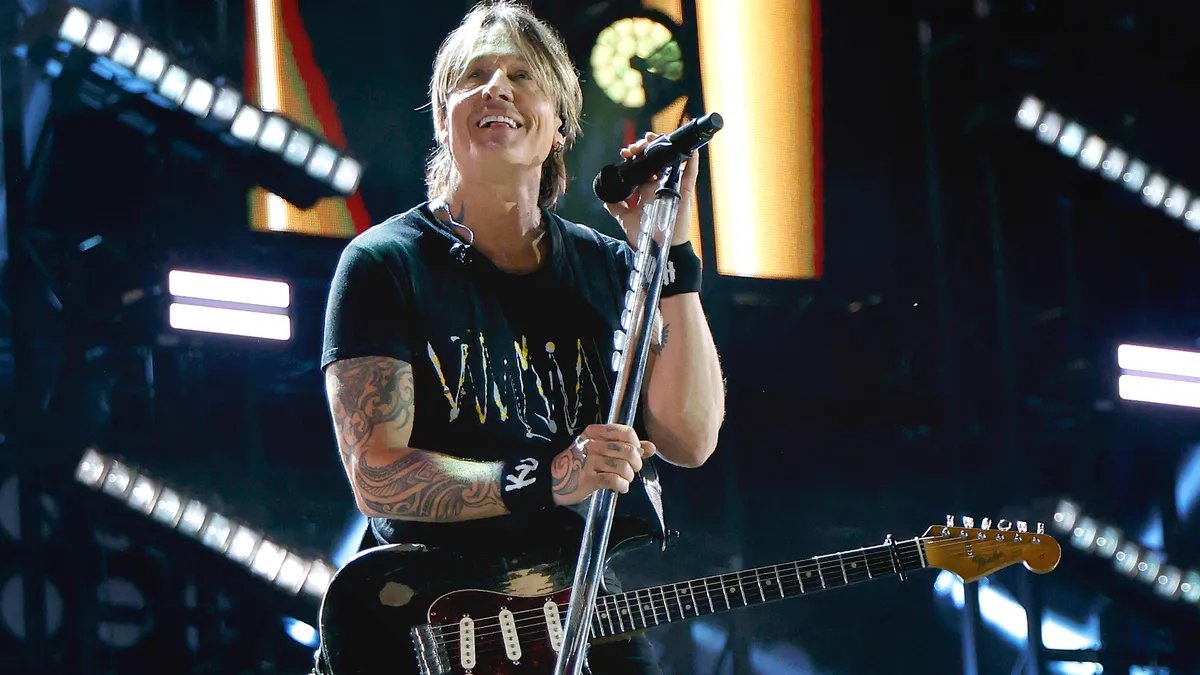
The Performance: A Breakdown
So, what exactly went down? Reports indicate that Urban performed a rendition of Roan’s “Good Luck, Babe!”, a song known for its powerful vocals and emotional depth. While Urban stayed true to the song’s melody, he infused it with his signature country twang, creating a truly unique and, some might say, jarring interpretation. One insider noted, “He definitely made it his own. It was…interesting. Imagine Keith Urban singing those lyrics with a slight banjo flourish. It was definitely a choice!”
The choice of “Good Luck, Babe!” is particularly noteworthy. The song, while musically accessible, delves into themes of female empowerment and self-discovery – themes that, while universal, might resonate differently with a Mar-a-Lago audience. I think it’s safe to say that most of them weren’t expecting a feminist anthem that night.
Reactions from the Crowd
The reactions were, predictably, mixed. Some attendees appeared genuinely enthusiastic, clapping and cheering along. Others, however, looked visibly uncomfortable, exchanging confused glances with their companions. Social media exploded with commentary, ranging from praise for Urban’s audacity to criticism of his perceived disrespect for the venue and its patrons.
One Twitter user wrote, “Keith Urban covering Chappell Roan at Mar-a-Lago? Is this real life? I’m living for the chaos!” Conversely, another user commented, “Completely inappropriate. Mar-a-Lago is a place for tradition and elegance, not…that.” It seems like the Keith Urban cover divided the audience.
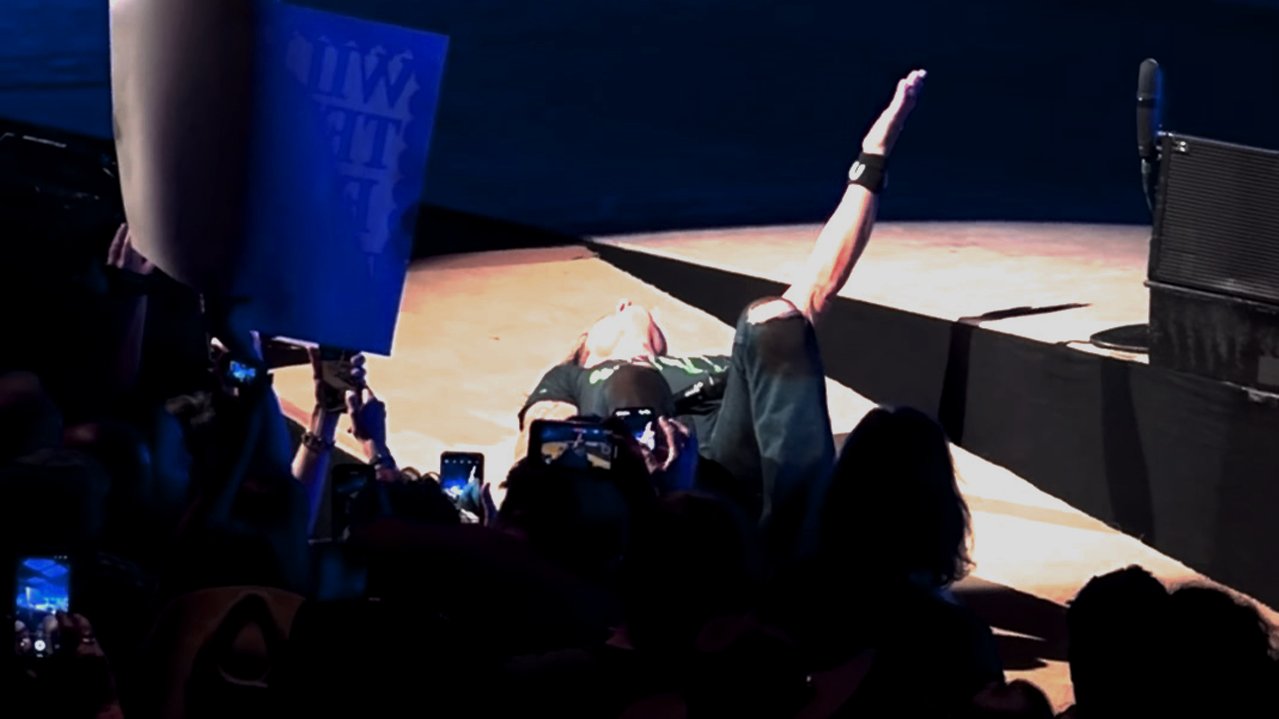
The Political Undertones
Beyond the musical aspect, the performance inevitably sparked political debate. Mar-a-Lago is, of course, famously associated with former President Donald Trump, and the venue has become a symbol of conservative politics. For Urban to perform a song by an openly queer artist known for her progressive views at such a location was seen by some as a deliberate act of defiance, while others dismissed it as a simple musical choice.
“It was a statement, whether he intended it or not,” one political commentator argued on MSNBC. “By choosing to perform that song in that venue, Urban sent a clear message, regardless of his personal beliefs.” Others disagreed, suggesting that the performance was simply a way for Urban to broaden his musical horizons and connect with a new audience. However, ignoring the political implications seems naive, given the context.
Urban’s Motivation: What Was He Thinking?
So, what motivated Urban to make such a bold choice? Was it a conscious political statement? A genuine appreciation for Roan’s music? Or simply a desire to shake things up and surprise his audience? As of yet, Urban himself has remained tight-lipped about the performance, offering no official explanation for his song selection.
His silence has only fueled further speculation. Some believe he was trying to challenge the perceived norms of Mar-a-Lago, while others suggest he was simply trying to introduce his fans to new music. Whatever his reasons, the performance has undoubtedly cemented its place in music history as one of the most unexpected and controversial moments of the year. I personally think he knew exactly what he was doing. You don’t just randomly pick a Chappell Roan song for that crowd!
The Wider Context: Shifting Musical Landscapes
The incident also highlights the evolving landscape of music and its increasing intersection with politics and social issues. Artists are becoming more vocal about their beliefs, and audiences are increasingly demanding that they take a stand on important issues. In this context, Urban’s performance can be seen as part of a larger trend of musicians using their platform to challenge the status quo and promote inclusivity.
The lines between entertainment and activism are becoming increasingly blurred, and artists are navigating this complex terrain in a variety of ways. Some are using their music to directly address political issues, while others are simply using their platform to promote awareness and understanding. Keith Urban and the cover song controversy fits into this framework.
The Future: What Does This Mean for Mar-a-Lago?
The long-term impact of Urban’s performance on Mar-a-Lago remains to be seen. Will it lead to a more diverse range of performers and events at the venue? Or will it be seen as an isolated incident, a momentary blip in the otherwise predictable world of Palm Beach society? Only time will tell.
One thing is certain: the performance has sparked a conversation, and it has forced people to confront their own assumptions and biases. Whether you agree with Urban’s choice or not, it’s hard to deny that he succeeded in making people think. And in a world increasingly divided by political and social divides, that’s perhaps the most important thing of all.
Conclusion
The Keith Urban Chappell Roan cover at Mar-a-Lago was more than just a musical performance; it was a cultural moment. It was a collision of worlds, a clash of ideologies, and a reminder that music has the power to challenge, provoke, and unite. Whether it was a calculated move or a spur-of-the-moment decision, Urban’s performance has left an indelible mark on the world of music and politics. What do you think will be the next unexpected pairing we see on stage? I, for one, am eager to find out. I’m also looking forward to hearing Urban’s official explanation. Maybe he’ll release a statement… or maybe he’ll just let the music do the talking.
Frequently Asked Questions
| Why did Keith Urban perform a Chappell Roan cover at Mar-a-Lago? | Keith Urban’s motivation is unclear, but possibilities include making a political statement, expressing appreciation for Chappell Roan’s music, or simply surprising his audience. He has not yet publicly commented on the reason for his song choice. |
| What are the potential benefits of such a performance? | Benefits could include sparking conversations about social issues, challenging perceived norms, broadening Urban’s musical appeal, and promoting inclusivity and diversity in unexpected spaces. |
| How was the performance implemented? | Urban reportedly performed a rendition of Chappell Roan’s “Good Luck, Babe!”, infusing it with his signature country style. The performance took place during a private event at Mar-a-Lago, surprising many attendees. |
| What challenges did Keith Urban potentially face by performing this song at Mar-a-Lago? | Challenges could include alienating some of his fans, facing criticism from conservative media outlets, and potentially damaging his reputation among certain segments of the population. |
| What could this performance mean for the future of Mar-a-Lago and musical performances there? | It’s uncertain. It might lead to more diverse performances and events at Mar-a-Lago, or it could be an isolated incident. It has, however, generated significant discussion and forced people to confront their assumptions. |
Important Notice
This FAQ section addresses the most common inquiries regarding the topic.