Jets Rebuild: The Aaron Rodgers Conundrum and Franchise Future
Picture this: It’s a crisp autumn Sunday, the roar of the crowd is deafening, and every single New York Jets fan is on the edge of their seat, believing this year, finally, is *the* year. For decades, this has been a familiar, often heartbreaking, cycle. But then, Aaron Rodgers arrived. A future Hall of Famer, a Super Bowl champion, a quarterback who, frankly, makes magic happen. His arrival wasn’t just a trade; it was a seismic shift, a promise whispered on the wind that the long-suffering Jets faithful would finally see their team compete for glory. Yet, here we are, not long after that initial euphoria, and the narrative has taken a sharp turn. Instead of Super Bowl talks, we’re hearing whispers of a “rebuild,” and suddenly, the finger-pointing has begun. Is Aaron Rodgers, the supposed savior, inadvertently to blame for the New York Jets rebuild?
Honestly, it’s a question many of us in the sports world, and certainly legions of Jets fans, have been grappling with. The problem isn’t just about winning games; it’s about understanding the complex dynamics of an NFL franchise, the immense pressure of fan expectations, and how one high-profile acquisition can ripple through an entire organization, reshaping its identity and future. This article aims to peel back the layers, to look beyond the headlines and really dig into whether Rodgers’ presence accelerated a necessary rebuild or simply complicated an already challenging situation. We’ll explore the real-world impact of these decisions, helping you understand not just what happened, but why it matters, and what it means for the future of the New York Jets and, perhaps, team building in general.
Understanding the Fundamentals of an NFL Rebuild
So, what exactly *is* an NFL rebuild? If you’re like most people, you’ve probably heard the term thrown around a lot, often with a mix of dread and cautious optimism. At its core, a rebuild is when a team consciously decides to deconstruct its current roster, often by trading away expensive veteran players for younger talent and future draft picks, with the goal of creating a sustainable, long-term competitive window. It’s not just about getting rid of players; it’s about resetting the salary cap, infusing youth, and developing a new core identity. Think of it like renovating an old house. You might love the vintage charm, but sometimes, to fix the foundational issues and bring it up to modern standards, you have to tear down walls, replace plumbing, and completely re-imagine the space. It’s a painstaking process, often ugly in the short term, but theoretically leads to a stronger, more resilient structure in the long run.
Why does this topic matter so much today, especially with the Jets? Well, for one, the NFL is a business, but it’s also a deeply emotional sport for its fans. Your average fan invests time, money, and a significant chunk of their emotional well-being into their team. When a team embarks on a rebuild, it asks for immense patience and trust, commodities that are increasingly scarce in our instant-gratification world. What’s more, the Jets’ situation is unique because it involves a legendary quarterback, Aaron Rodgers. Typically, rebuilds happen with young, unproven QBs, giving them time to grow with the new roster. Bringing in a 40-year-old superstar signals “win now,” which directly contradicts the idea of a long-term rebuild. This tension is precisely why the question of Rodgers’ blame, or at least his influence, is so compelling. It’s a clash of philosophies, a high-stakes gamble that has everyone wondering if the Jets are truly building for the future, or simply trying to squeeze one last magical run out of a rapidly closing window.
The Rodgers Effect: High Hopes vs. Harsh Realities
When Aaron Rodgers first landed in New York, the practical benefits were clear as day. He wasn’t just a quarterback; he was a brand, a leader, and a tactical genius. We expected immediate on-field improvements: better decision-making, pinpoint accuracy, and a mastery of the offense that would elevate everyone around him. For a franchise starved of consistent quarterback play, this was like finding a rare gem. The hope was that Rodgers would transform the Jets into a playoff contender overnight, maybe even a Super Bowl dark horse. His presence alone was supposed to attract other veteran players, create a winning culture, and instill confidence throughout the locker room. In real-world applications, this meant the Jets shifted their entire strategic approach. Draft picks became less about future projects and more about immediate contributors. Free agency targets were selected to complement Rodgers’ style and maximize the “win now” window. It was a complete pivot, from a patient build to an aggressive push for immediate contention.
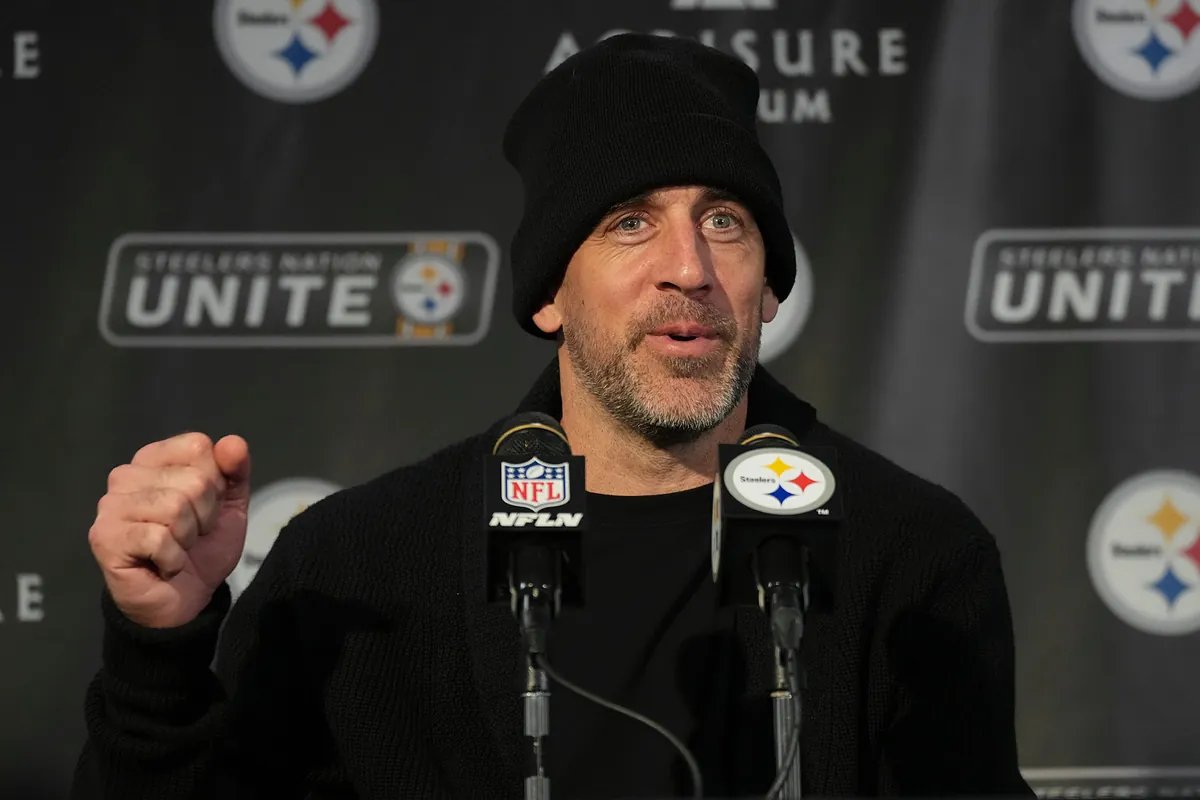
However, the harsh reality is that football is a team sport, and even a generational talent like Rodgers can’t do it all alone, especially when injuries strike. His season-ending Achilles injury in the very first game was, let’s be honest, devastating. It immediately pulled the rug out from under the “win now” strategy. Suddenly, the Jets were left with a roster built for a veteran superstar, but without that superstar. This is where the narrative around the Jets rebuild and Aaron Rodgers really gets complicated. The trades that followed, moving key defensive pieces like Quinnen Williams and Sauce Gardner, were justified by the organization as acquiring “high-value draft picks.” But for fans, it felt like a betrayal of the immediate vision Rodgers represented. It’s kind of funny, but also incredibly frustrating, how quickly expectations can swing from Super Bowl dreams to a full-blown rebuild. It seems that Rodgers’ arrival, by forcing a “win now” mentality, inadvertently exposed the team’s lack of depth and long-term planning when that “now” was tragically cut short. The team, in essence, had to decide if they were going to double down on a short-term gamble or reset for the future, and they chose the latter, creating this current dynamic.
Navigating the Rebuild: Strategies and Decisions
So, how do teams typically approach a rebuild, and where did the Jets’ path diverge? Let’s take a closer look.
Step-by-Step Approach to a Classic Rebuild
Generally, a successful rebuild follows a few predictable steps. First, there’s the acknowledgment phase: the team admits they aren’t competitive and need a fundamental change. Then comes the asset acquisition phase, which involves trading away expensive veterans for draft capital and shedding salary cap space. This is where you might see high-profile player trade rumors start to swirl. Next is the draft-and-develop phase, focusing heavily on young talent, often using those newly acquired draft picks. Finally, once a young core is established, the team enters the free agency and targeted veteran acquisition phase, bringing in complementary pieces to push them over the top. It’s a long, often painful process, usually spanning three to five years.
The Jets, however, went about it a little differently. They were already in a perpetual state of “rebuilding” for years, but the Rodgers trade was supposed to *end* that. It was an attempt to skip steps, to inject instant success without the arduous journey. But when Rodgers went down, they were forced back into a rebuild, only now with an aging, expensive quarterback on the books and a roster that had already been tweaked for a “win now” approach. This created a kind of hybrid situation, an awkward dance between past ambitions and future necessities. It’s like trying to reimagine classic foundations with modern engineering – a fantastic idea, but incredibly complex when you’re doing it under pressure and with high stakes.
Best Practices for a Sustainable Rebuild
From my experience covering the league, the best practices for a rebuild often revolve around patience, shrewd drafting, and unwavering commitment to a long-term vision. Teams that succeed typically:
- **Identify a Franchise Quarterback Early:** This is paramount. A young, talented QB on a rookie contract provides immense flexibility.
- **Prioritize Offensive and Defensive Lines:** Championships are built in the trenches.
- **Cultivate a Strong Scouting Department:** Finding hidden gems in later rounds is crucial.
- **Maintain Financial Discipline:** Don’t overspend in free agency until the core is set.
- **Foster a Positive Locker Room Culture:** This helps young players develop and withstand losing seasons.
The Jets, with Rodgers, seemed to deviate from some of these. The focus shifted from a gradual build to maximizing a short window. While Rodgers’ leadership is undeniable, his age and contract created a different kind of pressure. The subsequent trades, while bringing in draft capital, also stripped away proven talent that could have been part of a younger core. It’s a tough spot, because when you bring in a player of Rodgers’ caliber, you inherently change your best practices to align with his immediate impact. You’re no longer just building a team; you’re building a team *around him*, which is a very different proposition.
Common Challenges in a High-Profile Rebuild
Let’s be honest, rebuilds are never easy. But a high-profile rebuild, especially one involving a superstar like Aaron Rodgers, introduces a whole new layer of potential obstacles. One of the biggest challenges is managing fan expectations. When you trade for a four-time MVP, the fan base expects immediate results, not a multi-year project. This creates immense pressure on the coaching staff and front office, often leading to short-sighted decisions. Another significant obstacle is the financial commitment to an aging superstar. Rodgers’ contract, while structured creatively, still represents a massive chunk of salary cap space, limiting flexibility to sign other key players or retain young talent. This is a common issue when teams chase veteran QBs, as we’ve seen with other franchises trying to maintain an elite performance identity.
Then there’s the draft capital conundrum. While the Jets did acquire picks by trading away defensive stars, the initial trade for Rodgers cost them significant draft capital, including a first-round pick. This impacts the ability to restock the roster with cheap, young talent, which is the lifeblood of any successful rebuild. Plus, there’s the locker room dynamic. Integrating a dominant personality like Rodgers, while beneficial for leadership, can also be challenging for younger players trying to find their voice. It’s a delicate balance. What’s more, the injury itself created a crisis, forcing a sudden pivot back to a rebuild mentality while still being tethered to a “win now” financial structure.
Practical Solutions for Each Challenge
So, how can teams navigate these choppy waters?
- **Transparent Communication:** The front office needs to be brutally honest with the fan base about the timeline and strategy. It might not be popular, but it builds long-term trust.
- **Smart Contract Management:** Even with big names, contracts need to have built-in flexibility. Restructuring can help, but it often just defers the problem.
- **Prioritizing Value Over Name Recognition:** In the draft and free agency, focus on players who fit the scheme and offer value, rather than just chasing big names.
- **Empowering Young Leaders:** Encourage emerging talent to step up and take ownership, even if a veteran star is present.
For the Jets, navigating this means making tough calls about Rodgers’ future, regardless of his status. If the rebuild is truly the priority, then every decision, from personnel to play-calling, needs to align with that long-term vision, even if it means some uncomfortable conversations or difficult roster moves. It’s about ensuring fair play and system integrity, not just for a game, but for the entire franchise’s future.
Real-Life Implications: Beyond the Gridiron
The Jets’ situation isn’t just about football; it’s a fascinating case study in organizational strategy, risk assessment, and managing high-stakes expectations. Think about it: how often do we see organizations, in any field, make a bold move for a “game-changer,” only for unforeseen circumstances to force a complete pivot? It happens all the time in business, in technology, even in entertainment, like the careful planning that goes into a major film release only to face unexpected challenges, reminding me of the discussions around a Tarantino epic’s return, where expectations are astronomical.
Consider the concrete examples from other sports. The Los Angeles Lakers traded away significant draft capital and young talent for Anthony Davis to pair him with LeBron James. It paid off with a championship, but they also faced years of roster instability afterward, struggling to fill out the team with limited assets. On the flip side, teams like the Kansas City Chiefs built their dynasty by drafting Patrick Mahomes, surrounding him with talent, and then making strategic veteran acquisitions. They prioritized a long-term vision, even when it meant being patient with early struggles.
The Jets’ scenario is a blend of these. They tried the “Lakers approach” with Rodgers, aiming for immediate glory. But when the star went down, they were left with the consequences of that gamble. The decision to trade defensive stalwarts like Quinnen Williams and Sauce Gardner, while bringing in valuable draft picks, signals a return to a more traditional rebuild. This wasn’t just a simple trade; it was a philosophical shift. It tells us that even with the most talented players, the foundational strategy of a team remains paramount. A single player, no matter how great, cannot entirely dictate a franchise’s destiny, especially when fate throws a curveball. It underscores the importance of a robust, adaptable plan, rather than one solely reliant on a single individual. From my experience, betting everything on one player, especially an aging one, often leaves you vulnerable when that player is no longer available.
The Road Ahead: Future Outlook for the Jets
So, where is this field of NFL team building heading, especially concerning the Jets? The trend I’ve noticed these days is a growing emphasis on analytics, sports science, and a holistic approach to player development. Teams are becoming more sophisticated in how they evaluate talent, manage player health, and build sustainable cultures. The “old school” approach of simply acquiring the biggest names is slowly giving way to a more nuanced strategy focused on fit, youth, and long-term value. For the Jets, the future outlook depends heavily on how they leverage the draft capital acquired in their recent trades. They’ve got a chance to inject a significant amount of young talent into the roster, which is crucial for any successful rebuild. The challenge, of course, will be hitting on those picks – something they haven’t always done consistently.
Emerging opportunities for the Jets lie in their ability to finally solidify their offensive line, find a young quarterback to develop behind (or eventually replace) Rodgers, and build a cohesive offensive scheme that isn’t solely reliant on one player’s brilliance. Plus, if Rodgers can return healthy and play at a high level for a year or two, he could still provide an invaluable bridge for a younger QB, giving them time to learn without the immediate pressure of being “the guy.” It’s a tricky tightrope walk, to be fair. They have to balance the immediate desire to win with the long-term need to build a stable foundation. It’s a bit like engineering a new era of performance for a car manufacturer – it requires massive investment, patience, and a clear vision for what the final product will be, not just what it can do right now. The Jets’ success hinges on their ability to make smart, forward-thinking decisions that prioritize the franchise’s health over quick fixes, even if that means more short-term pain for the fans.
Conclusion: Key Takeaways and What’s Next
At the end of the day, the New York Jets’ rebuild is a complex tapestry woven with threads of hope, injury, strategic pivots, and the immense influence of a single player, Aaron Rodgers. While it’s probably too simplistic to say Rodgers is “to blame,” his arrival undoubtedly acted as a catalyst, forcing the franchise into a “win now” mentality that, when derailed by injury, exposed underlying issues and necessitated a strategic reset. The key takeaways here are clear: even generational talent cannot guarantee success without a robust, adaptable team-building strategy. High-stakes gambles can pay off handsomely, but the downside risk is equally significant, often leading to painful rebuilds. And for fans, it’s a stark reminder that patience is a virtue, even when it feels like the team is actively breaking your heart.
So, what are the next steps for the Jets? They need to commit fully to their chosen path, whether that’s a genuine youth movement or another attempt at a veteran-led charge. They must maximize their draft picks, develop their young talent, and find a sustainable philosophy that isn’t dependent on one player’s health or tenure. For us, the fans, the next step is to observe, to hold the organization accountable, and to try, however difficult it may be, to manage our expectations. It’s an exciting, albeit nerve-wracking, time to be a Jets fan. The question now isn’t just “Is Aaron Rodgers to blame?” but rather, “What lessons have the Jets learned, and how will they apply them to finally build a consistent winner?” Only time will tell, but believe me, we’ll all be watching.