The Curious History and Unceremonious Decline of Gelatin’s Golden Age
To truly appreciate this surprising comeback, we need to understand where gelatin dishes came from. Gelatin itself has a long, illustrious history, dating back centuries, primarily as a labor-intensive ingredient for clear consommés and delicate aspics in haute cuisine. Think grand European banquets, not your Aunt Mildred’s potluck. However, the advent of powdered, flavored gelatin – specifically Jell-O – in the late 19th and early 20th centuries democratized this once-exclusive ingredient. It exploded in popularity, especially in post-WWII America. The 1950s and 60s were the golden age of Jell-O salads, where convenience and novelty reigned supreme. Recipes were ubiquitous, printed on Jell-O boxes, in women’s magazines, and community cookbooks.
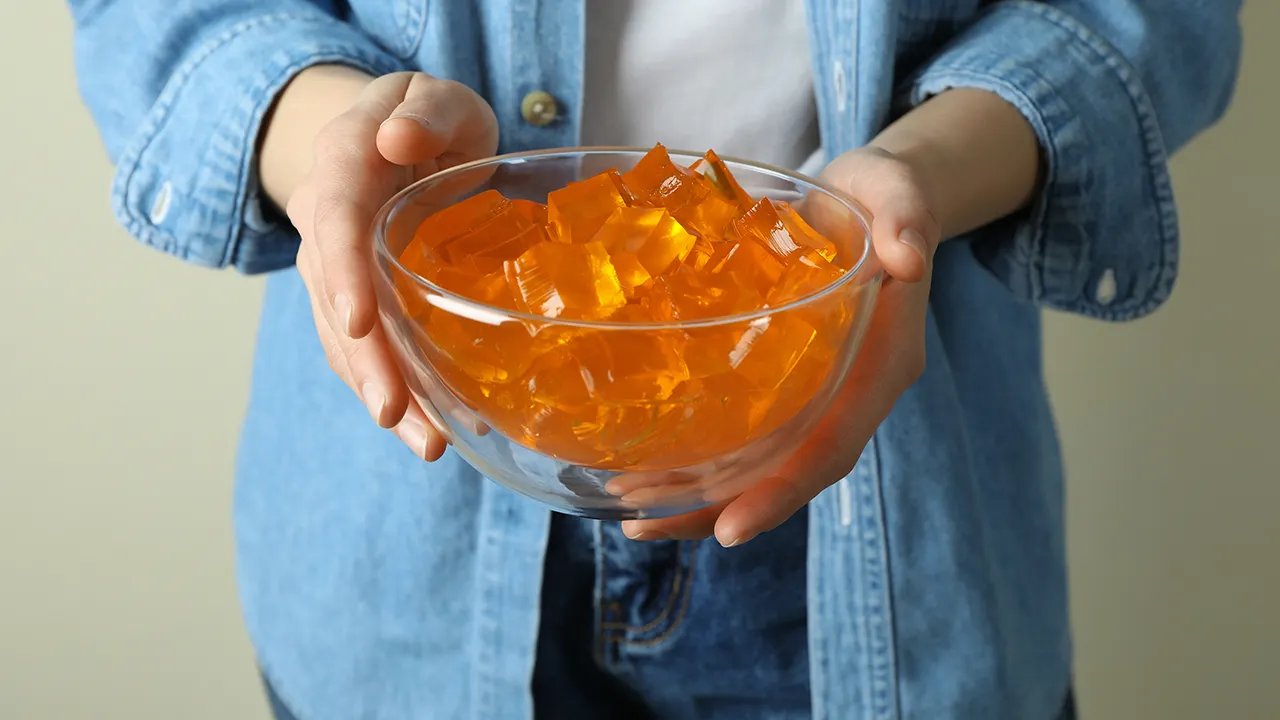
Why were they so beloved? They were economical, easy to make, visually appealing (or at least, attention-grabbing), and offered a novel texture. They were perceived as sophisticated, a way to elevate simple ingredients into something “special” for guests. “My mother always made a lemon-lime Jell-O mold with shredded carrots and walnuts for Thanksgiving,” recalls Martha Rodriguez, a retired homemaker from Ohio. “We thought it was the height of elegance back then. Looking back, it was definitely…unique.” But as culinary tastes evolved and the convenience food craze waned, these wobbly wonders began to feel dated, even a bit bizarre. The mixture of sweet gelatin with savory vegetables, meats, or cheeses became a symbol of culinary kitsch, and by the late 20th century, the Jell-O salad was largely relegated to ironic consumption or nostalgic jokes. The vibrant colors and unusual ingredient combinations that once charmed now raised eyebrows, and the era of the gelatin mold seemed definitively over. Or so we thought.
The Modern Palate: Re-evaluating Texture and Form
The current renaissance of gelatin dishes isn’t just a wave of ironic nostalgia; it’s a genuine re-evaluation of texture and form in gastronomy. Modern chefs, particularly those focused on molecular gastronomy or those deeply rooted in classical techniques, are rediscovering gelatin’s incredible versatility. “It’s not about making a Jell-O mold like your grandma’s anymore,” explains Chef Anya Sharma, owner of a trendy farm-to-table restaurant in Brooklyn. “It’s about the delicate mouthfeel, the subtle shimmer, the way it can encapsulate and present flavors in a completely new way. We’re thinking beyond dessert.”

The shift is from artificial flavors and lurid colors to natural ingredients, clear broths, and sophisticated flavor profiles. We’re talking about savory aspics made with clarified beef consommé, infused with herbs like tarragon and thyme, perhaps suspending tiny, perfectly diced vegetables or even delicate seafood. Imagine a tomato aspic that actually tastes like peak-season tomatoes, set with just enough gelatin to hold its shimmering form, served alongside fresh mozzarella and basil. This isn’t the rubbery, sweet-and-sour monstrosity from yesteryear. This is elevated, thoughtful, and absolutely delicious. The texture, too, is key. In a world saturated with crispy, crunchy, and chewy, the gentle give and melt-in-your-mouth quality of a perfectly set gelatin offers a refreshing contrast. It’s a sensory experience that chefs are keenly exploring.
From Kitsch to Culinary Art: The Savory Revolution
The true revolution lies in the embrace of savory gelatin. While sweet Jell-O will always have its place, it’s the savory applications that are truly pushing boundaries. Historically, aspics were a marker of refined dining. Now, they’re being reinvented. Chefs are creating intricate terrines where layers of delicately flavored gelatin alternate with vegetables, pâtés, or even foie gras. “We’ve seen a huge interest in what we call ‘clean’ gelatin dishes,” says food historian Dr. Eleanor Vance, who specializes in 20th-century American cuisine. “It’s less about disguising ingredients and more about showcasing them through the medium of gelatin. It’s an honest, almost architectural approach to food.”
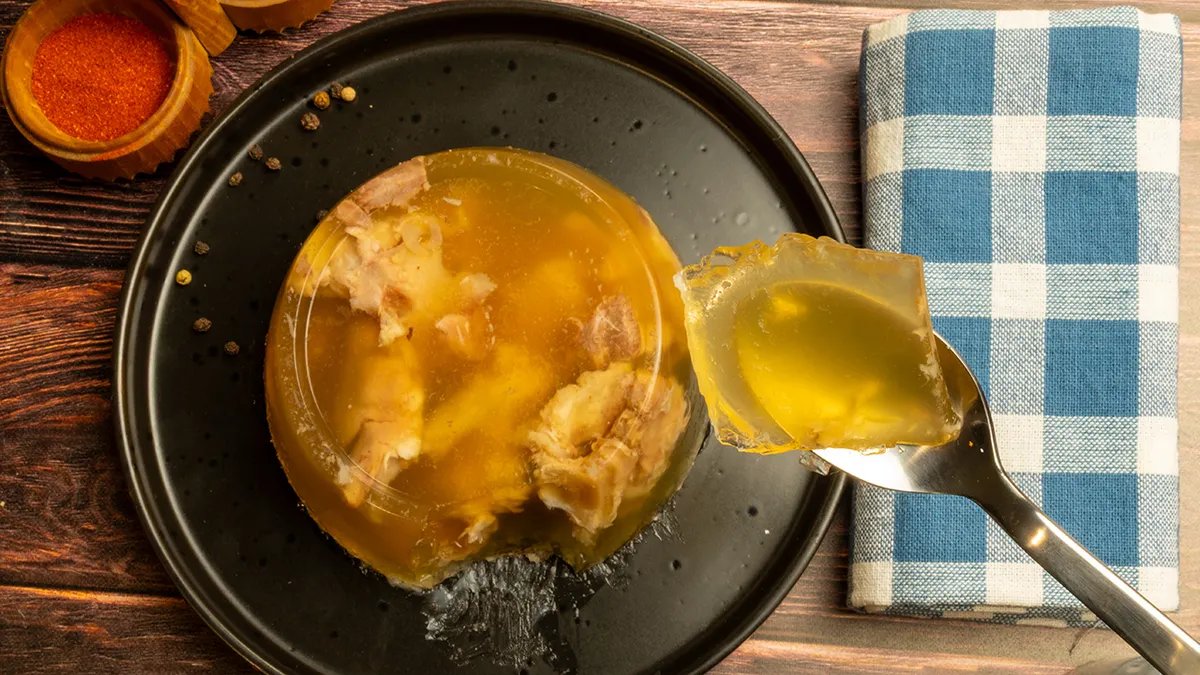
Consider the rise of bone broth, too. As health trends emphasize the benefits of collagen, gelatin, which is essentially cooked collagen, becomes a star ingredient. Clear, flavorful bone broths can be set into delicate gels, served chilled as an amuse-bouche, or used as a component in more complex dishes. It’s an ingredient that speaks to both health-conscious diners and those seeking novel culinary experiences. These gourmet gelatin creations are often served as starters, alongside charcuterie, or as part of a tasting menu, prompting gasps of surprise and delight from diners who perhaps expected something entirely different. The presentation is usually minimalist, letting the shimmering transparency and embedded ingredients speak for themselves.
The Social Media Effect and Nostalgia’s Pull
It’s impossible to ignore the role of social media in this revival. Platforms like Instagram and TikTok thrive on visual novelty and a touch of the unexpected. A beautifully crafted, shimmering gelatin mold, especially one that plays with transparency and color, is inherently shareable. It stops the scroll. Food bloggers and home cooks, inspired by high-end restaurants, are experimenting in their own kitchens. They’re sharing their successes (and sometimes hilarious failures), creating a community around this rediscovered ingredient.
But beyond the aesthetics, there’s a powerful undercurrent of nostalgia. In uncertain times, people often gravitate towards comforting, familiar elements from the past. For many, Jell-O salad evokes childhood memories, family gatherings, and a simpler time. The modern interpretation allows them to revisit those feelings without having to endure the more questionable flavor combinations of their youth. It’s a way to connect with culinary history while simultaneously moving it forward. “I saw a recipe for a clear chicken consommé aspic with tiny herbs online, and it just instantly reminded me of my great-aunt’s cooking, but in a way that actually made my mouth water,” shared David Chen, a software engineer who recently started experimenting with gelatin at home. “It feels like a respectful nod to the past, not a parody.”
The Art of the Jiggle: Techniques for Elevated Gelatin
So, what separates the refined from the retro kitsch? It’s all in the technique and the ingredients.
- Quality Gelatin: Forget the artificially flavored packets for savory dishes. Use unflavored gelatin (sheet or granulated) and control your flavors entirely. Agar-agar is also a popular vegetarian alternative, offering a firmer set.
- Clarification: For truly elegant aspics, clarification is key. This involves carefully removing impurities from broths or juices to achieve crystal-clear results, often using egg whites. This process elevates the visual appeal immensely, making the dish shimmer and glow.
- Balanced Flavors: The magic is in the balance. Instead of haphazardly mixing ingredients, think about complementary flavors. A light cucumber gel with dill, a robust tomato aspic with basil and balsamic, or a subtle mushroom consommé gel with chives.
- Thoughtful Inclusions: If you’re embedding ingredients, choose them carefully. Small, vibrant herbs, finely diced vegetables (blanched for color and texture), or delicate seafood. Arrange them artfully to create visual interest.
- Temperature Control: Setting gelatin correctly requires patience. Chilling it gradually and ensuring the mold is perfectly still allows for an even set and prevents cloudiness.

One fascinating example is the renewed interest in traditional Japanese dishes like yokan, a thick, jellied dessert made from red bean paste, agar-agar, and sugar, or even savory dishes where gelatin is used to bind ingredients or add a unique texture element. It’s not just a Western phenomenon; the appreciation for the unique properties of gelatin is global and diverse. The precision required, the patience involved, and the exquisite results make these dishes a true test of culinary skill.
The Future of Jiggle: Beyond the Mold
What does the future hold for gelatin dishes? It seems this isn’t just a fleeting trend. The underlying principles – the exploration of texture, the desire for natural ingredients, and a respectful nod to culinary history – suggest a more enduring presence. We’re likely to see further innovation in forms beyond the traditional mold. Think gelatin spheres, transparent sheets used as edible wrappers, or even gelatinized sauces that add a unique mouthfeel to plated dishes.
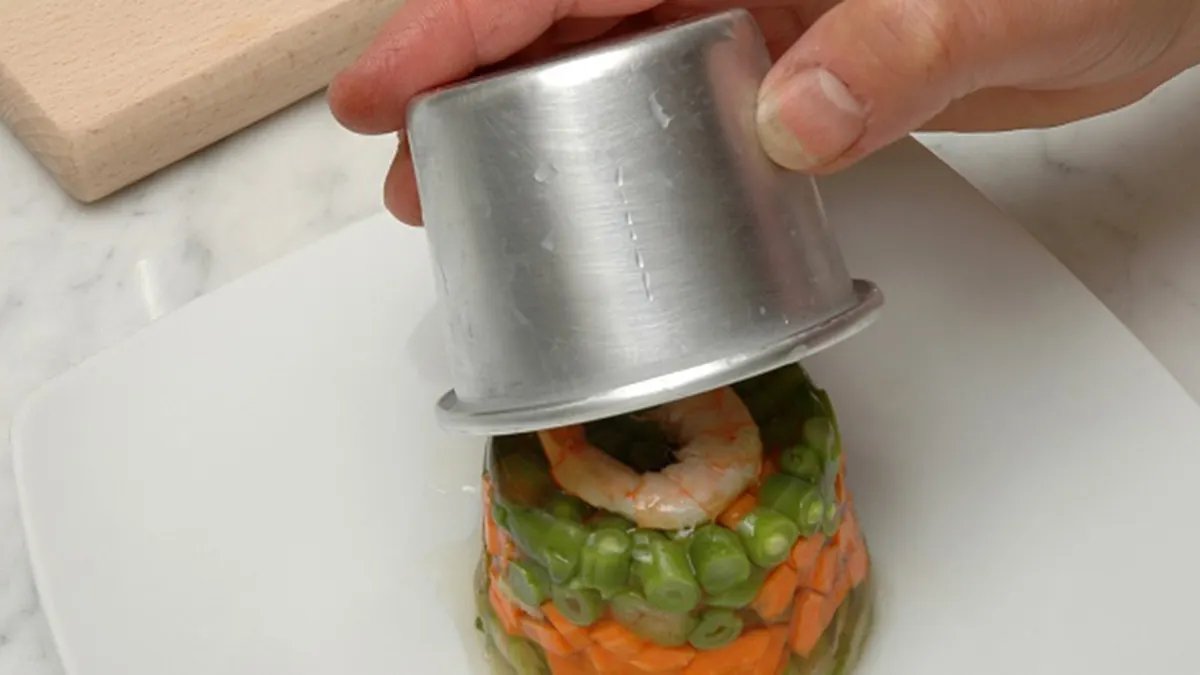
The movement away from ultra-processed foods doesn’t mean shunning all prepared ingredients. Instead, it encourages a more thoughtful use. Unflavored gelatin is a natural, protein-rich ingredient that offers incredible creative potential. As diners become more adventurous and appreciative of diverse textures and innovative presentations, the shimmering, quivering beauty of a perfectly executed gelatin dish will continue to find its place on menus, from high-end restaurants to experimental home kitchens. It’s a testament to how culinary trends ebb and flow, constantly rediscovering and reinventing forgotten treasures.
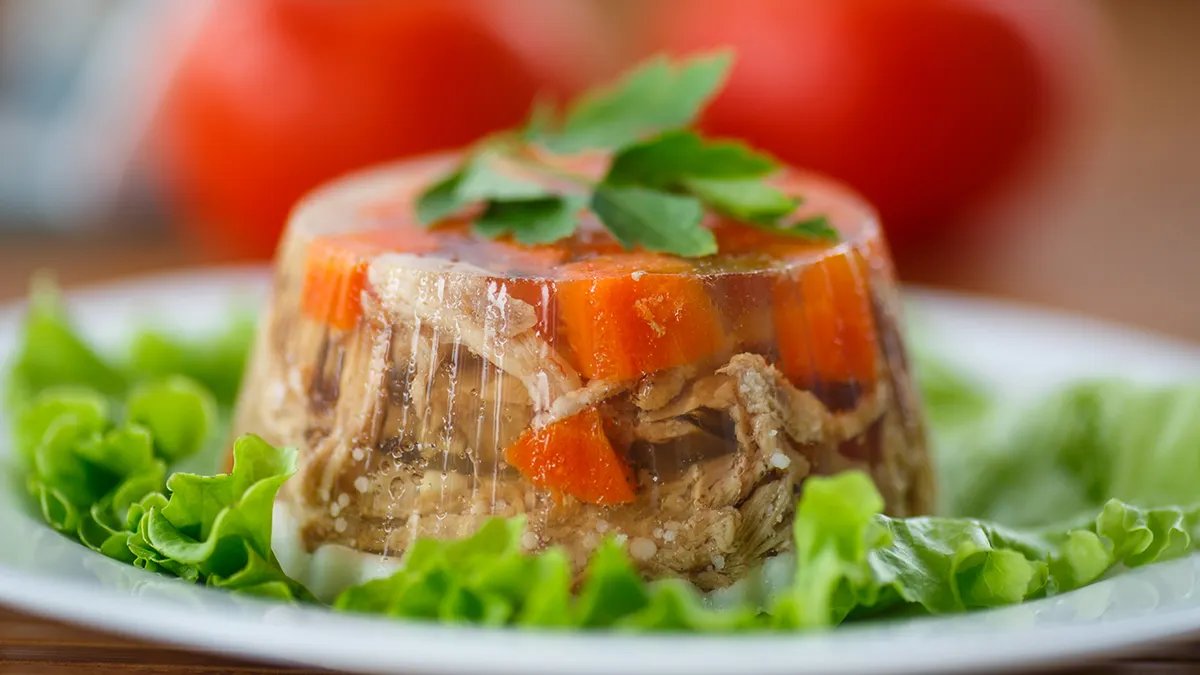
Walking into a modern restaurant and seeing a delicate, shimmering terrine on the menu, or discovering a sophisticated tomato aspic as an appetizer, truly makes you pause. It’s a delightful surprise, isn’t it? It forces us to reconsider our preconceived notions about what food can be. The journey of Jell-O salad and savory gelatin dishes from quaint, often mocked retro items to truly refined culinary creations is a vibrant illustration of gastronomy’s cyclical nature. It shows us that with a bit of imagination, quality ingredients, and a dash of daring, even the most kitschy elements of our food past can be transformed into something genuinely exciting and delicious. So, next time you see that package of gelatin, don’t just think of fruit cocktail molds; think of the endless possibilities for delicate, shimmering elegance that await. It’s not just a jiggle; it’s an experience.

Frequently Asked Questions
| What is driving the unexpected return of Jell-O salads and savory gelatin dishes? | The return is fueled by a blend of culinary curiosity, a re-evaluation of texture in modern gastronomy, and a touch of nostalgia. Chefs are rediscovering gelatin’s versatility for sophisticated flavor encapsulation, while social media highlights visually appealing and innovative takes on these classic dishes, moving beyond their kitschy past. |
| What are the benefits of using gelatin in modern, refined cuisine? | Gelatin offers a unique mouthfeel and texture contrast in dishes, allowing for delicate flavor presentation and encapsulation. It’s also a natural, protein-rich ingredient (collagen) that aligns with health trends, especially when derived from clarified broths. Its transparency and setting properties also enable stunning visual artistry in plating. |
| How are chefs transforming retro Jell-O salads into gourmet savory gelatin dishes? | Chefs are transforming these dishes by using unflavored, high-quality gelatin with natural ingredients, focusing on clarification for crystal-clear aspics, and balancing sophisticated savory flavor profiles (e.g., infused broths, fresh herbs, delicate vegetables). The emphasis is on refined technique and elegant presentation, rather than artificial colors or haphazard ingredient combinations. |
| What challenges do home cooks face when attempting elevated gelatin dishes? | Common challenges include achieving perfect clarity in broths, balancing gelatin-to-liquid ratios for the desired set, and preventing ingredients from sinking or clumping unevenly. Patience with chilling and careful temperature control are also crucial. However, with practice and attention to detail, these challenges are surmountable. |
| Will this trend for refined gelatin dishes last, or is it just a passing fad? | While specific iterations may evolve, the underlying interest in diverse textures, natural ingredients, and culinary innovation suggests that the refined use of gelatin is more than a passing fad. Its versatility, health benefits, and visual appeal provide a strong foundation for continued exploration in both professional kitchens and enthusiastic home cooking. |
Important Notice
This FAQ section addresses the most common inquiries regarding the topic.