Donna Kelce has spoken out on Travis Kelce’s retirement decision with the Kansas City Chiefs, offering a grounded maternal perspective on the uncertainty surrounding the 36-year-old tight end’s playing future. The mother of the future Hall of Famer made it clear she won’t pressure her son, emphasizing that the choice belongs entirely to him as speculation intensifies across the NFL.
- Donna’s Perspective: “I just want him to do what he feels comfortable doing” – mother offers no pressure on Travis’s decision
- 2025 Performance: Kelce led Chiefs in targets, receptions, and receiving yards with 851 yards and five touchdowns
- 11th Pro Bowl: Earned consecutive Pro Bowl nod despite team’s 6-11 finish
- Coach Reid’s View: “There is communication… I think that’s where Travis is” – optimism about return
- Key Factors: Age 37 in October 2026, new OC Eric Bieniemy, Mahomes knee injury recovery, roster implications
- Decision Timeline: Expected before 2027 league year begins March 11, 2027
As the NFL offseason unfolds in early 2026, Travis Kelce finds himself at a personal and professional crossroads that has captivated the football world. The Kansas City Chiefs’ future Hall of Famer has left his playing future unsettled, generating significant speculation about whether the 36-year-old tight end will suit up again or step away after an illustrious 13-season career.
Kelce’s situation marks a dramatic shift for a player who has been among the most consistent performers in the NFL. During the 2025 season, which concluded in January 2026, he led the Chiefs in targets, receptions, and receiving yards with 851 yards and five touchdowns while earning his 11th consecutive Pro Bowl nod. Yet the team’s rare 6-11 finish, combined with a season-ending knee injury to quarterback Patrick Mahomes, has altered the narrative around the offense and intensified questions about Kelce’s future.
Donna Kelce, the mother of both Travis and retired Eagles legend Jason Kelce, offered a candid and relatable perspective in August 2026 that resonates far beyond the football field. When asked if she wants her son to continue playing or retire, she responded with characteristic wisdom: “I just want him to do what he feels comfortable doing. He’s got to talk to people that are in his life and decide what he wants to do. So, I’m not sure. We’ll see what happens.” For the latest NFL news and official updates, visit NFL.com and the Kansas City Chiefs official website.
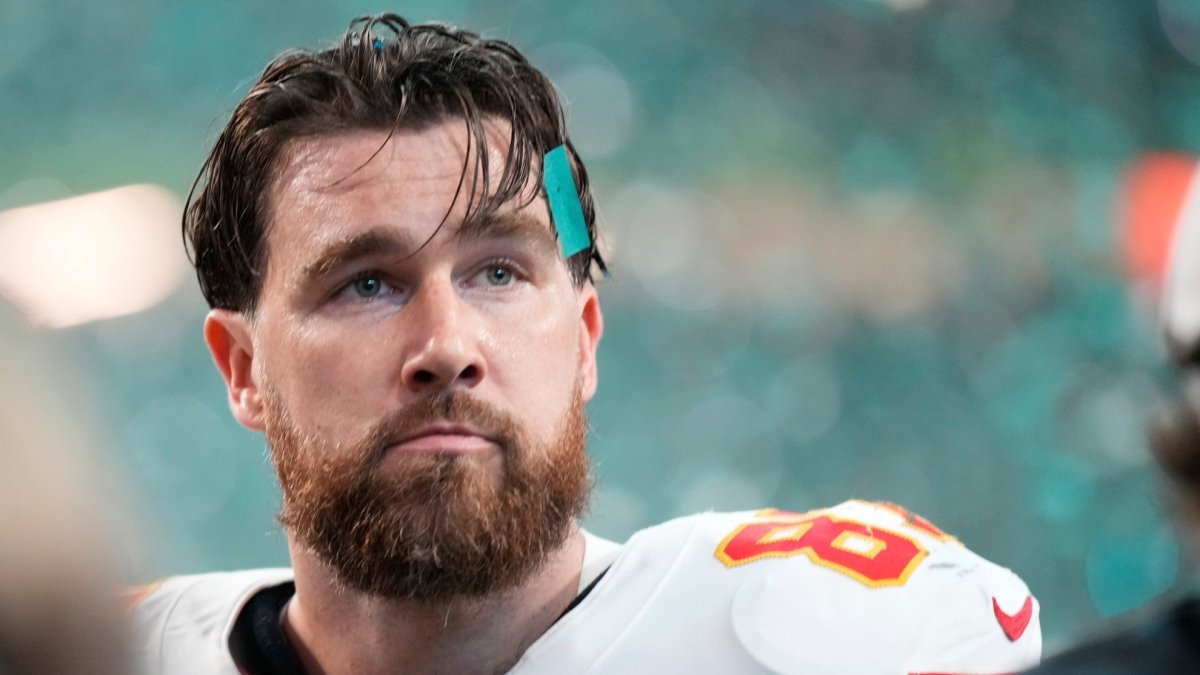
Donna Kelce Weighs In on Travis’s Retirement Crossroads
The Kelce matriarch’s comments provide rare insight into how the family is navigating this decision. Having watched both of her sons achieve NFL greatness, Donna Kelce understands the physical and emotional toll the game exacts on players who have dedicated their lives to football.
Her approach reflects a philosophy she has maintained throughout their careers: unconditional support without interference. This stands in stark contrast to the public pressure and intense scrutiny that often accompanies retirement decisions for elite athletes. By emphasizing that Travis must consult “people that are in his life” and decide for himself, Donna reinforces that this deeply personal choice cannot be made by committee or fan opinion.
Donna’s perspective carries particular weight given her unique position as mother to one of the greatest tight ends in NFL history and another who recently navigated his own emotional retirement. Having witnessed Jason Kelce’s retirement process with the Philadelphia Eagles following the 2024 season, she understands the gravity of what Travis is contemplating. Jason’s March 2024 retirement announcement came after 13 seasons and a Super Bowl LII victory, and his emotional farewell press conference highlighted the physical sacrifices required of offensive linemen.
The 2025 Season That Complicates the Decision
Travis Kelce’s statistical performance during the 2025 season suggests he remains an elite player capable of impacting games at the highest level. His 851 receiving yards and five touchdowns, combined with his 11th consecutive Pro Bowl selection, demonstrate that age has not significantly diminished his production.
However, the Chiefs’ disappointing 6-11 finish and Patrick Mahomes’ season-ending knee injury have created uncertainty about the team’s immediate championship window. For a player who has experienced sustained success throughout his career, the prospect of rebuilding while approaching his 37th birthday in October 2026 presents a complex calculus.
Historically, elite tight ends have struggled to maintain production past age 36. Tony Gonzalez retired at 37 after 17 seasons, while Antonio Gates played until 38 but saw diminished production in his final years. Jason Witten retired at 37 after 16 seasons. Kelce’s ability to continue performing at a Pro Bowl level at age 36 puts him in rare company, but the physical demands of the position inevitably take their toll.
New offensive coordinator Eric Bieniemy’s return to Kansas City has been cited by Kelce as a reason for optimism. On his “New Heights” podcast, the tight end expressed excitement about working with Bieniemy, whom he praised as “one of my favorite coaches of all time.” This enthusiasm suggests Kelce sees value in continuing his career under familiar and respected leadership.
Comparing Kelce Brothers: Different Paths, Same Questions
The parallels between Travis Kelce’s current situation and Jason Kelce’s recent retirement are impossible to ignore. Jason announced his retirement from the Philadelphia Eagles in March 2024 after 13 seasons, ending a career that will also land him in Canton. His decision came after the Eagles’ Wild Card loss to the Tampa Bay Buccaneers, and his emotional retirement press conference underscored the physical toll of playing in the trenches.
However, the brothers have approached their crossroads differently. Jason, an offensive lineman, dealt with the cumulative physical toll that comes with playing in the trenches. He ultimately decided to walk away while still performing at a high level, prioritizing his long-term health and family life. In his retirement announcement, Jason specifically cited his desire to be present for his young daughters as a primary factor.
Travis, as a tight end, plays a position that traditionally allows for slightly longer careers at elite levels when players maintain their conditioning. His route-running ability and football IQ have compensated for any athletic decline, making his decision less about performance and more about motivation and the championship equation. The contrast between their positions and career arcs offers fascinating insight into how different roles shape retirement decisions.
Donna Kelce has been the steady presence through both journeys, offering the same measured counsel to each son. Her approach reflects a mother who has watched her children achieve more than she ever imagined and trusts them to make the right call for their own lives.
Chiefs Leadership, Teammates React as Future Remains Uncertain
Despite the swirling talk of retirement, Chiefs head coach Andy Reid has been measured yet subtly optimistic in public comments. Reid has reiterated that the organization remains in active conversation with Kelce’s camp about a potential return.
“There is communication,” Reid said, stressing that ongoing dialogue is a positive indicator. “That’s the main thing… I think that’s where Travis is.” Reid, careful not to speak for Kelce, added that he’s giving the veteran space to sort through his thoughts while the team continues offseason planning.
Chiefs Chairman and CEO Clark Hunt has also publicly expressed the organization’s hope that Kelce will return. Speaking earlier in 2026 about the tight end’s value to the franchise, Hunt stated: “Travis is a leader on the offensive side of the ball, not just for what he does on the field but for his presence in the locker room. He’s been the heart of this offense for over a decade, and we’d love to see him continue wearing Chiefs red.”
Even Kelce’s teammates have weighed in. Defensive tackle Chris Jones recently defended his longtime collaborator after a media analyst suggested the Chiefs should “move on,” bluntly telling critics: “Shut up, man. You don’t know what you’re talking about. Travis is still one of the best in the game. When he’s ready to talk, he’ll talk. Until then, everybody needs to back off.” The passionate defense from Jones underscores the respect Kelce commands within the organization.
Factors That Will Shape Travis Kelce’s Final Call
Several factors will influence Kelce’s decision as he weighs his future. First and foremost is the health of quarterback Patrick Mahomes and the Chiefs’ ability to compete for championships. Mahomes’ recovery from knee surgery and the team’s roster construction during free agency and the draft will signal whether the championship window remains open.
The financial considerations also matter significantly. Kelce is currently under contract through the 2027 season with a base salary of $12.5 million for 2026 and $14.2 million for 2027, with a cap hit exceeding $18 million per year. The Chiefs currently have approximately $22 million in salary cap space for 2026, which could necessitate contract restructuring if Kelce returns and the team needs to sign additional talent. General Manager Brett Veach may need to make difficult decisions about roster construction depending on Kelce’s decision.
Family considerations, including his high-profile relationship with Taylor Swift and his desire to spend time with loved ones, will play a role in his thought process. The intense media scrutiny that comes with dating one of the world’s biggest pop stars has been a constant presence in Kelce’s life, adding another layer of complexity to his decision. Donna Kelce’s comments suggest the family is supportive of whatever decision he makes, emphasizing that his happiness and comfort take priority.
Finally, there is the matter of legacy. Kelce’s resume already places him among the greatest tight ends in NFL history, with four All-Pro selections, 11 Pro Bowls, three Super Bowl championships, and career numbers that rank in the top five all-time for his position. Adding another productive season or potentially another Super Bowl would only enhance an already stellar career.
What Comes Next: Timeline for a Decision
Travis Kelce turns 37 in October 2026, and his next decision is likely to come in the weeks ahead, ahead of the new league year beginning on March 11, 2027. As the Chiefs navigate free agency, draft plans, and Mahomes’ rehabilitation, the organization is hopeful it can chart a Super Bowl-contending path, with or without its most iconic tight end.
For now, the NFL world waits. Donna Kelce has made her position clear: she trusts her son to make the right decision. The rest of us can only watch and respect the process as one of the game’s all-time greats contemplates the final chapter of his remarkable career.
Whether he returns for another season or follows his brother into retirement, Travis Kelce’s legacy as a Chiefs legend and future Hall of Famer is secure. The only remaining question is whether fans will have one more season to watch him do what he does best.