Why Reopen Now?
Several factors contributed to the decision to reopen the Kerem Shalom border crossing. Beyond the humanitarian imperative, there’s mounting international pressure on Israel to ease restrictions on the flow of aid into Gaza. Governments and organizations around the world have expressed growing concern about the humanitarian situation, and the reopening is seen as a way to address these concerns. But let’s be real, it’s more than just that, isn’t it? There’s also a political calculation at play.
* International Pressure: The international community has been urging Israel to increase the flow of aid into Gaza.
* Humanitarian Needs: The situation in Gaza is dire, with widespread shortages of food, medicine, and other essential goods.
* Strategic Considerations: Reopening the crossing could potentially help to stabilize the situation in Gaza and prevent further escalation of the conflict.
“We understand the urgency of the situation,” said a spokesperson for the Israeli Defense Forces (IDF). “Our priority is to ensure that humanitarian aid reaches the people of Gaza while maintaining the security of our citizens.” But the proof, as they say, is in the pudding. It’s one thing to say it, another to actually make it happen.
Security Concerns and Challenges
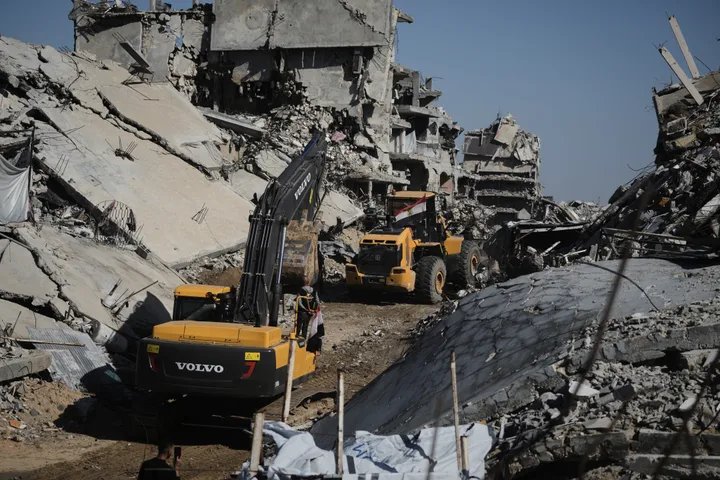
The reopening of the Gaza border crossing is not without its challenges. Security remains a major concern. The crossing has been targeted by militants in the past, and there are fears that it could be used to smuggle weapons and other contraband into Gaza.
* Potential for Attacks: Militants could target the crossing in an attempt to disrupt the flow of aid or to carry out attacks against Israeli forces.
* Smuggling: The crossing could be used to smuggle weapons, explosives, and other contraband into Gaza.
* Logistical Challenges: Coordinating the flow of aid and ensuring its safe distribution will be a complex logistical undertaking.
“We are taking all necessary measures to ensure the security of the crossing,” the IDF spokesperson said. “We will not hesitate to close it again if we believe that it poses a threat to our security.” But what does “all necessary measures” actually mean? That’s the million-dollar question, isn’t it? One resident of a nearby kibbutz, who wished to remain anonymous, expressed skepticism. “We’ve heard these promises before,” she said. “We’ll see if they can actually keep us safe this time.”
The Humanitarian Impact
The reopening of the Gaza border crossing is expected to have a significant impact on the humanitarian situation in Gaza. It will allow for a greater flow of food, medicine, and other essential goods to reach those in need. It could also help to alleviate the economic hardship that has been gripping Gaza for years.
* Increased Aid Flow: More aid will be able to enter Gaza, helping to alleviate shortages of food, medicine, and other essential goods.
* Economic Relief: The reopening could help to stimulate the economy in Gaza, creating jobs and opportunities for residents.
* Improved Living Conditions: The increased flow of aid could lead to improved living conditions for the people of Gaza.
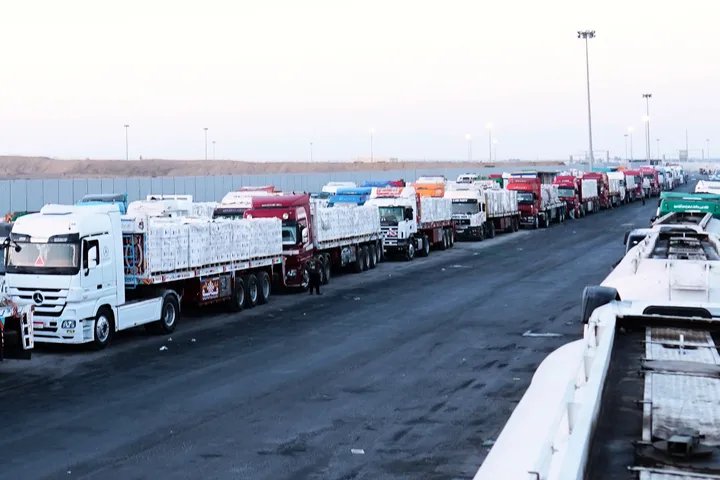
However, the impact will depend on several factors, including the volume of aid that is allowed to enter Gaza, the efficiency of the distribution process, and the security situation. Even if the crossing is fully operational, the humanitarian crisis will not be solved overnight. It will require sustained effort and cooperation from all parties involved. “We’re cautiously optimistic,” said a representative of a major international aid organization. “This is a step in the right direction, but it’s only a first step. Much more needs to be done.”
Political Implications
The decision to reopen the Gaza border crossing also has significant political implications. It could be seen as a gesture of goodwill towards the international community, and it could help to improve Israel’s image in the eyes of the world. It could also potentially help to create a more conducive environment for peace negotiations.
* Improved International Relations: The reopening could help to improve Israel’s relations with other countries.
* Confidence Building: It could help to build trust between Israelis and Palestinians.
* Potential for Negotiations: The reopening could create a more favorable environment for peace negotiations.
However, the decision could also be criticized by some within Israel, who may see it as a concession to Hamas. The political landscape is incredibly complex, and any move on one side is likely to provoke a reaction on the other. This is the never-ending dance of the Middle East, isn’t it? One step forward, two steps back.
The Future of the Border Crossing
The long-term future of the Gaza border crossing remains uncertain. It will depend on the overall political and security situation in the region. If a lasting peace agreement can be reached, the crossing could become a vital hub for trade and commerce, helping to rebuild the economy of Gaza. However, if the conflict continues, the crossing could remain a source of tension and instability.
* Peace and Prosperity: A lasting peace agreement could lead to the development of the crossing as a major trade hub.
* Continued Conflict: The ongoing conflict could lead to further closures and disruptions at the crossing.
* Uncertainty: The future of the crossing remains uncertain, dependent on the overall political and security situation.
For now, all eyes are on the Kerem Shalom crossing. Will it be a lifeline for the people of Gaza, a symbol of hope amidst despair? Or will it become another casualty of the ongoing conflict? Only time will tell. And as the sun sets over Tel Aviv, casting long shadows over the city, the question lingers: can this reopening truly make a difference? Or is it just another Band-Aid on a wound that runs far too deep? We can only hope for the best, while bracing ourselves for the worst. Because in this part of the world, that’s often all you can do.
In conclusion, the reopening of the Kerem Shalom border crossing represents a complex and multifaceted decision by the Israeli government. While driven by the urgent need to address the humanitarian crisis in Gaza, it is also influenced by international pressure and strategic considerations. The success of this initiative hinges on maintaining security, ensuring efficient aid delivery, and fostering cooperation between all parties involved. The future of the crossing, and indeed the region, remains uncertain, but this reopening offers a glimmer of hope amidst the ongoing conflict. Let’s hope it’s a spark that can ignite a brighter future.
Frequently Asked Questions
| Why is Israel reopening the Gaza border crossing now? | Israel is reopening the Kerem Shalom border crossing primarily due to the worsening humanitarian situation in Gaza. International pressure to allow more aid into Gaza also played a role. The decision came after remains that were hoped to belong to hostages were determined not to be theirs. |
| What are the potential benefits of reopening the border crossing? | The reopening is expected to increase the flow of essential goods like food and medicine into Gaza, potentially easing the humanitarian crisis. It could also improve Israel’s international relations and potentially create a more conducive environment for future peace negotiations. |
| How will the reopening be implemented, and what security measures are in place? | The implementation involves coordinating the entry of aid trucks and ensuring their safe passage and distribution. Security measures are being implemented to prevent attacks on the crossing and to prevent the smuggling of weapons and other contraband. The IDF has stated they will close the crossing again if security is threatened. |
| What are the potential challenges and risks associated with reopening the crossing? | Potential challenges include the risk of attacks by militants, the possibility of smuggling, and logistical difficulties in coordinating the aid flow. There’s also the risk of domestic criticism within Israel, as some may view it as a concession to Hamas. |
| What does the future hold for the Gaza border crossing? | The future of the border crossing is uncertain and depends on the overall political and security situation in the region. A lasting peace agreement could transform the crossing into a vital trade hub, while continued conflict could lead to further closures and disruptions. |
Important Notice
This FAQ section addresses the most common inquiries regarding the topic.