iPhone Satellite Features: Connectivity Beyond Limits
Apple is reportedly working on expanding its iPhone satellite features, aiming to provide users with more robust connectivity in areas lacking cellular or Wi-Fi coverage. Since introducing emergency satellite texting and roadside assistance with the iPhone 14 in 2022, Apple has been exploring ways to make satellite technology more practical for everyday use. These potential enhancements could be a significant boon for travelers, outdoor enthusiasts, and anyone living or working in remote locations. The development of these new iPhone satellite features promises to redefine how we stay connected, especially when traditional networks are unavailable.
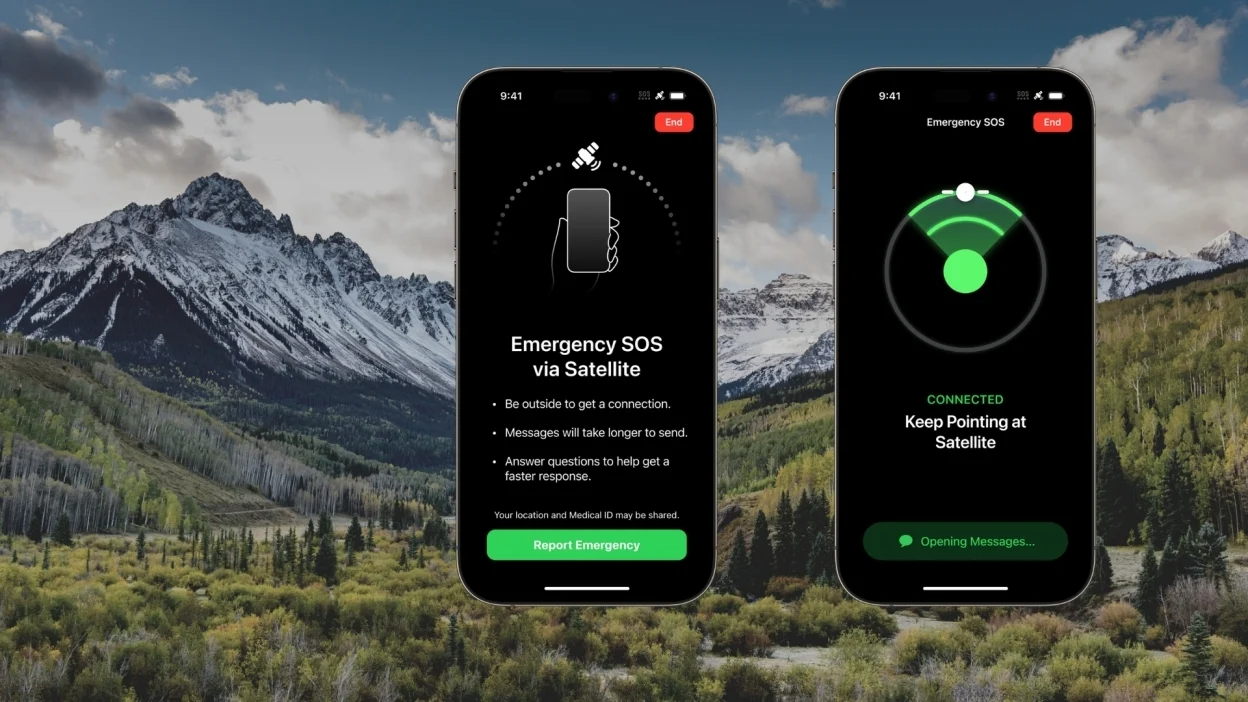
Expanding iPhone Satellite Capabilities
Currently, iPhone users can utilize satellite connectivity for emergency situations, such as sending text messages to emergency services or requesting roadside assistance when out of cellular range. However, the scope of these services is limited. Apple’s future plans involve integrating satellite technology into more everyday applications, making the iPhone a truly indispensable tool regardless of location. This expansion of iPhone satellite features is expected to include functionalities like satellite-based navigation through Apple Maps and the ability to send photos via iMessage, even without a traditional cellular or Wi-Fi connection.
Anticipated New Satellite Features
Several new features are rumored to be in development, each designed to enhance the iPhone’s utility in areas with limited connectivity:
- Apple Maps via Satellite: Imagine being able to navigate using Apple Maps even when you’re completely off the grid. This feature would allow users to access maps and receive turn-by-turn directions using satellite connectivity. This is a potential game-changer for hikers, campers, and anyone exploring areas with spotty or non-existent cellular coverage.
- Photos in Messages via Satellite: Currently, satellite messaging is limited to text only. Apple is reportedly working on enabling users to send photos through the Messages app using satellite connectivity. This would be a significant upgrade, allowing users to share visual information in emergency situations or simply stay connected with loved ones while traveling in remote areas.
- Improved Connectivity: One of the challenges of current satellite technology is the need to point the device directly at the sky. Apple is aiming to make satellite connectivity more accessible by allowing iPhones to connect even when not perfectly aligned. This could mean being able to connect indoors or in dense urban environments where satellite signals can be obstructed.
- 5G Non-Terrestrial Networks (NTN): Apple is also exploring the potential of 5G NTN, which would allow cell towers to use satellites to extend their coverage. This could significantly improve network reliability in underserved regions, providing faster and more stable connections.
- Satellite API for Third-Party Apps: Perhaps one of the most exciting developments is the potential for a satellite API that would allow third-party app developers to integrate satellite connectivity into their own apps. This could lead to a wide range of innovative applications, from specialized navigation tools for pilots to communication apps for disaster relief workers. However, not all services will be compatible, and Apple will likely impose strict guidelines to ensure quality and security.
The Benefits of Expanded Satellite Functionality
The benefits of expanded iPhone satellite features are numerous. For travelers, it means being able to navigate unfamiliar territory without relying on cellular data or Wi-Fi. Hikers and campers can stay connected with emergency services and share their location with loved ones, even in the most remote areas. For those living in rural communities with limited cellular coverage, it could provide a lifeline for communication and access to essential services. The potential for third-party app integration opens up even more possibilities, with developers creating innovative solutions for everything from environmental monitoring to disaster response.
Potential Challenges and Considerations
While the prospect of expanded satellite connectivity is exciting, there are also several challenges and considerations to keep in mind. Satellite bandwidth is limited, so data speeds are likely to be significantly slower than what users are accustomed to with cellular or Wi-Fi connections. Power consumption is another factor, as satellite communication can drain the iPhone’s battery more quickly. Cost is also a concern, as Apple may offer advanced satellite services through paid subscription plans. Finally, regulatory hurdles and licensing agreements with satellite carriers could also impact the availability and functionality of these features.
Moreover, the reliability of satellite connections can be affected by weather conditions, terrain, and the availability of satellite coverage in specific regions. Users will need to be aware of these limitations and adjust their expectations accordingly. The success of these new features will depend on Apple’s ability to overcome these challenges and provide a seamless and reliable user experience.
The Future of iPhone Connectivity
Apple’s exploration of satellite technology is part of a broader trend toward ubiquitous connectivity. As satellite technology becomes more advanced and affordable, it is likely to play an increasingly important role in bridging the digital divide and providing access to communication and information in underserved areas. The development of 5G NTN is a particularly promising area, as it could significantly improve network reliability and coverage in rural and remote regions. The future of iPhone satellite features may also include capabilities like voice calls and web browsing, although these are not currently part of Apple’s plans. The company’s commitment to innovation suggests that it will continue to explore new ways to leverage satellite technology to enhance the iPhone experience.
Technical Aspects of Satellite Communication
Understanding the technical aspects of satellite communication can provide a deeper appreciation for the challenges and opportunities involved in bringing this technology to the iPhone. Satellite communication relies on a network of satellites orbiting the Earth, which act as relays for transmitting signals between devices and ground stations. These satellites operate in different orbits, each with its own advantages and disadvantages. Geostationary satellites, for example, maintain a fixed position relative to the Earth, providing continuous coverage over a specific area. Low Earth orbit (LEO) satellites, on the other hand, orbit closer to the Earth and move more quickly, requiring a larger number of satellites to provide global coverage.
The iPhone’s satellite communication capabilities are likely to rely on LEO satellites, which offer lower latency and better signal strength compared to geostationary satellites. However, connecting to these satellites requires specialized hardware and software, as well as sophisticated algorithms for tracking and managing satellite connections. Apple’s engineering teams are working to optimize these technologies to ensure that the iPhone can seamlessly connect to satellite networks, even in challenging environments. The integration of satellite communication into the iPhone also requires careful consideration of regulatory requirements and spectrum allocation, as satellite frequencies are subject to strict international regulations.
Impact on Emergency Services and Disaster Relief
The expanded iPhone satellite features could have a significant impact on emergency services and disaster relief efforts. In situations where traditional communication networks are disrupted, satellite connectivity can provide a vital lifeline for first responders and victims. The ability to send text messages, photos, and location information via satellite can help emergency services assess the situation, coordinate rescue efforts, and provide timely assistance to those in need. During natural disasters such as hurricanes, earthquakes, and floods, satellite communication can be the only reliable means of communication, enabling emergency services to reach affected areas and provide critical support.
The potential for third-party app integration also opens up new possibilities for disaster relief. Developers could create specialized apps that use satellite connectivity to track and monitor the movement of emergency personnel, coordinate the distribution of supplies, and provide real-time information to victims. These apps could also be used to collect data on the extent of the damage and assess the needs of affected communities. By leveraging the power of satellite technology, the iPhone can become an even more valuable tool for emergency services and disaster relief organizations.
Competition in the Satellite Communication Market
Apple is not the only company exploring the potential of satellite communication for mobile devices. Several other companies are also developing satellite-based services that could compete with Apple’s offerings. SpaceX, for example, is developing a satellite-based internet service called Starlink, which aims to provide high-speed internet access to underserved areas around the world. Qualcomm has also announced plans to integrate satellite connectivity into its Snapdragon mobile platforms, enabling Android devices to connect to satellite networks. These developments suggest that the satellite communication market is poised for rapid growth in the coming years, with a growing number of companies vying for a piece of the pie.
Apple’s advantage lies in its large and loyal customer base, its expertise in hardware and software integration, and its strong brand reputation. The company’s ability to seamlessly integrate satellite connectivity into the iPhone experience could give it a competitive edge over its rivals. However, Apple will need to continue to innovate and invest in satellite technology to maintain its position in this rapidly evolving market. The company’s success will depend on its ability to provide a reliable, affordable, and user-friendly satellite communication solution that meets the needs of its customers.
Privacy and Security Considerations
As with any technology that involves the transmission of data, privacy and security are important considerations for satellite communication. Apple will need to implement robust security measures to protect user data from unauthorized access and interception. Encryption is essential to ensure that satellite communications are secure and that user data remains confidential. Apple will also need to be transparent about how it collects, uses, and shares user data related to satellite communication. Users should have control over their data and be able to opt out of certain features if they are concerned about privacy.
In addition to technical security measures, Apple will also need to address potential legal and regulatory issues related to privacy. Satellite communication is subject to different legal frameworks in different countries, and Apple will need to comply with all applicable laws and regulations. The company will also need to be mindful of potential surveillance concerns and take steps to protect user privacy from government intrusion. By prioritizing privacy and security, Apple can build trust with its customers and ensure that its satellite communication services are used responsibly.
Cost Implications for Users
The cost of satellite communication is another important consideration for users. While Apple may offer basic satellite services for free, it is likely that advanced features will be offered through paid subscription plans. The cost of these plans will depend on factors such as the amount of data included, the speed of the connection, and the availability of customer support. Users will need to weigh the cost of these plans against the benefits of satellite connectivity to determine whether it is worth the investment. Apple will need to offer a range of subscription options to meet the needs of different users and ensure that satellite communication is accessible to a wide range of customers.
In addition to subscription fees, users may also incur additional costs for hardware and software updates. Apple may require users to upgrade their iPhones to access the latest satellite features, which could involve purchasing a new device. The company may also release software updates that improve the performance and reliability of satellite communication, which could require users to pay for data usage or software licenses. By being transparent about the costs involved and offering affordable subscription options, Apple can make satellite communication more accessible to a wider audience.
Environmental Impact of Satellite Technology
The environmental impact of satellite technology is an increasingly important consideration. The launch of satellites into orbit requires the use of rockets, which can contribute to air pollution and greenhouse gas emissions. The production of satellites also involves the use of energy and resources, which can have a negative impact on the environment. In addition, the increasing number of satellites in orbit raises concerns about space debris, which can pose a threat to other satellites and spacecraft. Apple will need to take steps to minimize the environmental impact of its satellite communication services by using sustainable materials, reducing energy consumption, and supporting efforts to clean up space debris.
The company can also promote the use of satellite technology for environmental monitoring and conservation efforts. Satellites can be used to track deforestation, monitor air and water quality, and assess the impact of climate change. By leveraging the power of satellite technology, Apple can contribute to a more sustainable future and help protect the environment for future generations. The company’s commitment to environmental responsibility should extend to all aspects of its satellite communication services, from the design and production of satellites to the operation and maintenance of satellite networks.
Conclusion: Redefining Connectivity with iPhone Satellite Features
Apple’s plans to expand its iPhone satellite features represent a significant step forward in the evolution of mobile connectivity. By leveraging the power of satellite technology, Apple aims to provide users with more robust and reliable communication capabilities, regardless of their location. The potential benefits of these new features are numerous, from enhanced navigation and emergency communication to improved access to information and services in underserved areas. While there are challenges and considerations to keep in mind, the future of iPhone connectivity looks bright, with satellite technology poised to play an increasingly important role in bridging the digital divide and connecting people around the world. As Apple continues to innovate and invest in satellite technology, the iPhone is likely to become an even more indispensable tool for communication, navigation, and emergency assistance.